Automattic's Board Ousted: The Power Struggle After a Failed CEO Removal
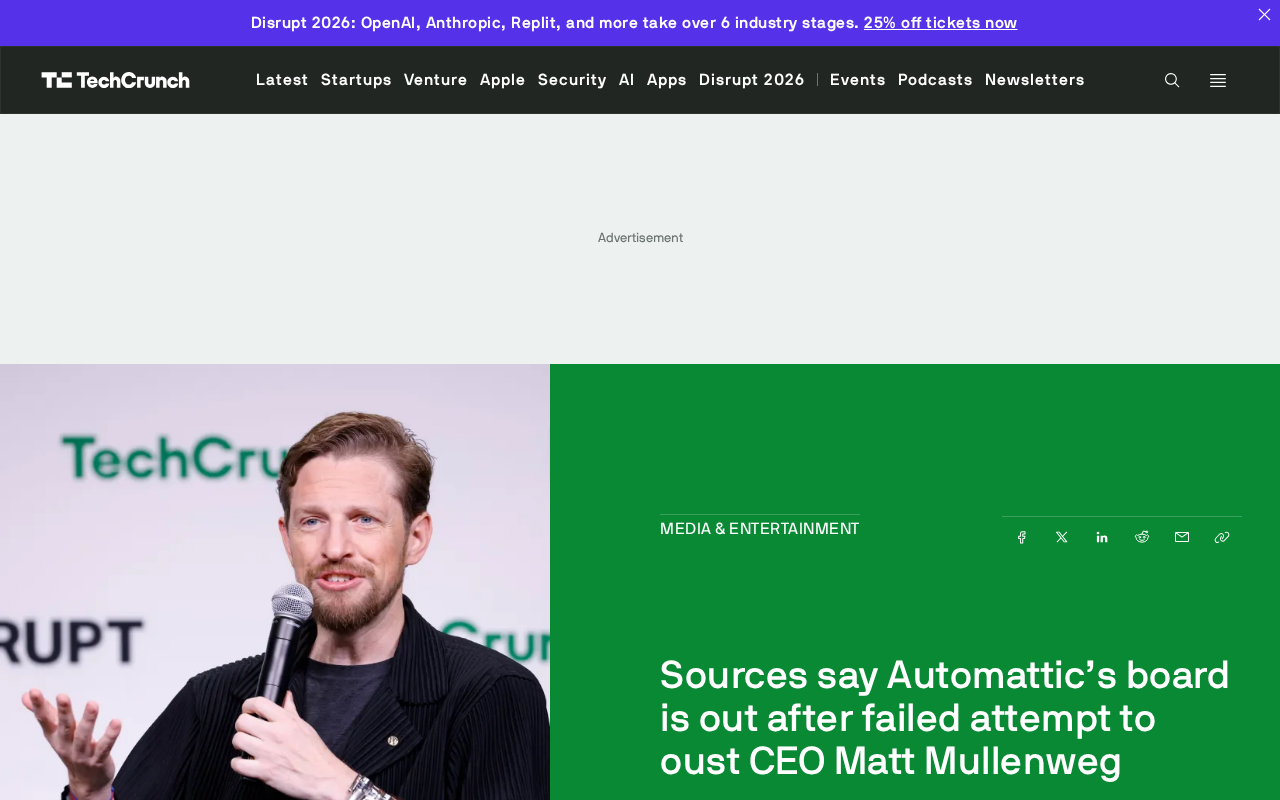
Automattic's board tried to oust founder-CEO Matt Mullenweg — and got dissolved instead.
Automattic, the parent company of WordPress, is in the midst of a governance crisis: just days after its board voted to temporarily remove founder and CEO Matt Mullenweg, the entire board was itself pushed out. The dramatic reversal exposes a structural vulnerability in founder-led tech companies, where founders often maintain real control through equity arrangements or operational dominance — well above the reach of a nominal board. The incident unfolds against the backdrop of Automattic's ongoing dispute with WP Engine, and the board overhaul introduces fresh uncertainty around the governance stability of the WordPress open-source ecosystem that millions of websites rely on. Details remain limited, with the story largely sourced from anonymous insiders.
A Failed Removal That Set Off a Chain Reaction
Automattic, the parent company of WordPress, is experiencing a major governance crisis. According to TechCrunch, citing anonymous sources, the entire board of directors was pushed out just days after board members voted to temporarily remove CEO Matt Mullenweg from his role.
This dramatic reversal exposes deep structural issues in Automattic's power dynamics — when the board attempted to oust a founder-CEO, it was the board itself that ended up leaving. While such events aren't unheard of in founder-led tech companies, the fact that it's happening at Automattic — which underpins a significant portion of the internet's website infrastructure — makes the implications worth examining carefully.
The Imbalance Between Founder Authority and Board Oversight
As a co-founder of WordPress and the driving force behind Automattic, Matt Mullenweg has long wielded enormous influence within the company. The fact that the board first voted to have him "temporarily step aside" and then found itself dissolved suggests that, in terms of actual corporate control, the founder holds decisive leverage.
In many founder-led tech companies, founders often secure their dominance through special equity structures, voting rights arrangements, or tight control over key operations — ensuring they can withstand board challenges. Automattic's situation is an extreme expression of this governance model: the board, nominally responsible for overseeing management, ended up losing a direct confrontation with the CEO it tried to remove.
Potential Impact on Automattic and the WordPress Ecosystem
Automattic not only operates WordPress.com but is also deeply involved in the development of the open-source WordPress project. Its governance stability has direct implications for the underlying ecosystem that millions of websites worldwide depend on. A wholesale board replacement means the company's strategic oversight mechanisms will need to be rebuilt from the ground up.
For the open-source community, this kind of high-level power turbulence can raise concerns about project direction, resource commitment, and community governance. Automattic's ongoing dispute with WP Engine had already put the WordPress ecosystem through a period of significant tension — this board shake-up adds yet another layer of uncertainty for observers.
Limited Information; Situation Warrants Continued Monitoring
At this point, the story is primarily sourced from anonymous tipsters speaking to TechCrunch. No official statement has been made covering the specifics of the board replacement, the new governance arrangements, or the final status of Mullenweg's role. The underlying causes — whether strategic disagreements, operational performance issues, or personal factors — have yet to be fully disclosed.
What is clear is that this "attempted removal that backfired" episode once again highlights the enduring tension between founder authority and corporate governance in tech startups. For practitioners and users who follow WordPress and the broader open-source ecosystem, Automattic's governance trajectory and management stability in the months ahead will be a critical story to watch.
Related articles
Xi Jinping Proposes Open Source AI Cooperation Zone Among BRICS Nations
Xi Jinping proposed an open source AI cooperation zone at the BRICS summit. Analyzing the strategic intent, open source rationale, and global AI governance implications.
Swift-Qwen3.8-27B: 58% Fewer Thinking Tokens, Nearly 2x Faster Inference
UkisAI open-sources Swift-Qwen3.8-27B, cutting thinking tokens by 58% and boosting inference speed 1.95x via overthinking token penalties and on-policy distillation — with under 1% accuracy loss.
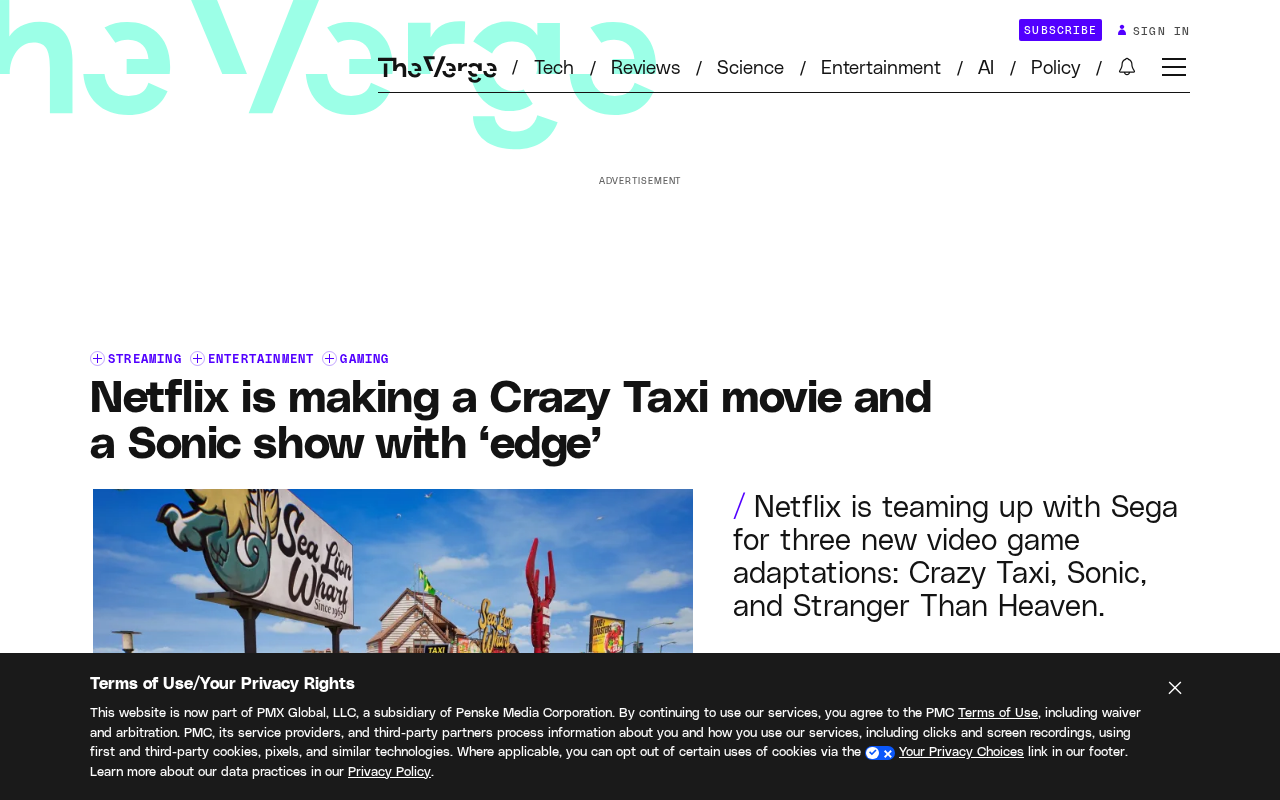
Netflix Partners with Sega: Crazy Taxi Movie and New Sonic Animated Series on the Way
Netflix announces three Sega game adaptations: a Crazy Taxi movie, a new Sonic animated series with edge, and a live-action film based on RGG Studio's Stranger Than Heaven.