Axiom: A Modern Event Store Platform Built for Massive Machine Data
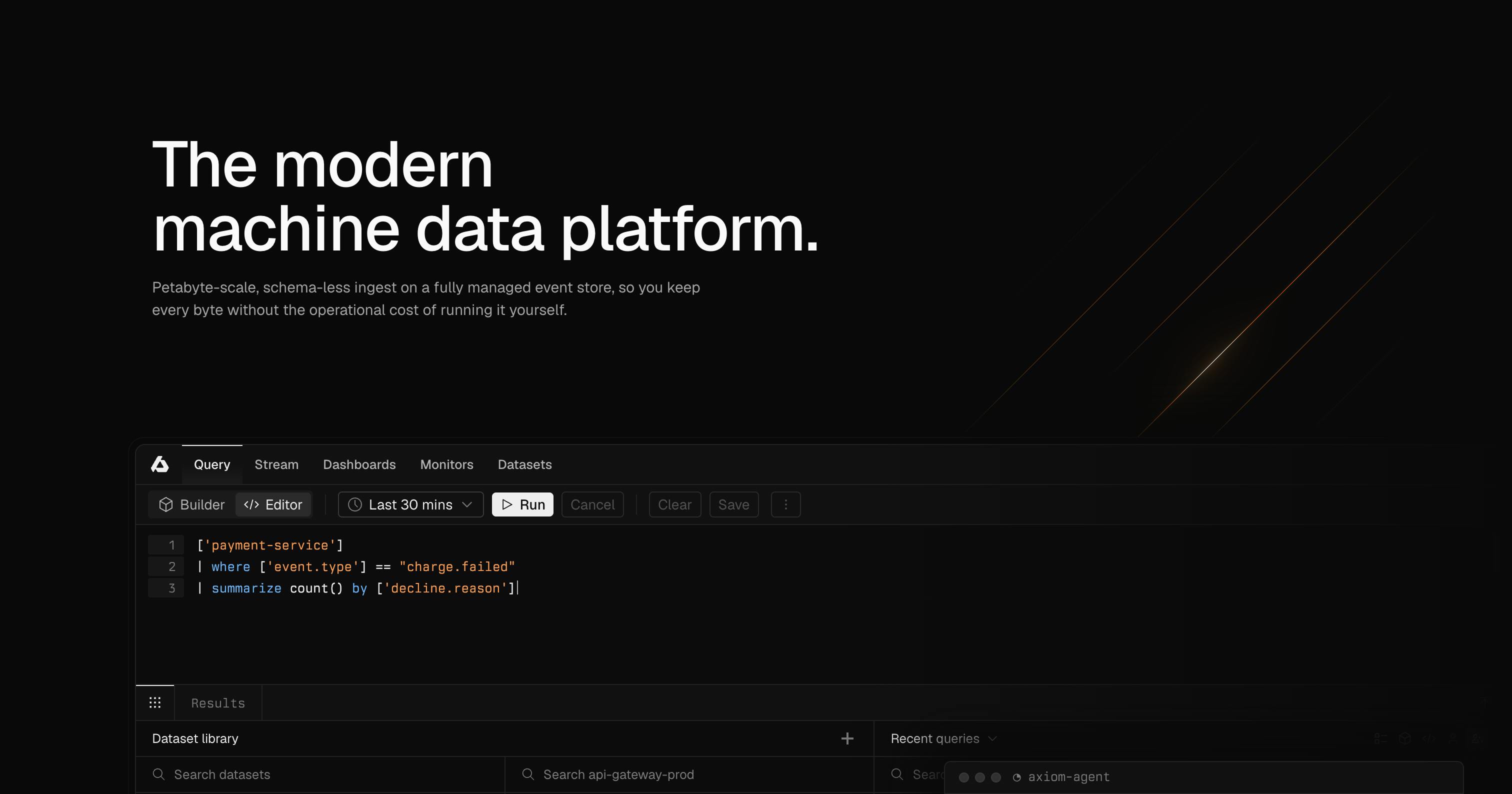
Axiom is a fully managed event store for petabyte-scale, schema-less machine data ingestion.
Axiom is a machine data platform positioned as a fully managed event store, enabling development teams to retain every byte of logs, metrics, and traces at predictable cost — no self-hosted storage clusters required. It competes on three technical pillars: PB-scale ingestion, schema-less ingest, and fully managed operations. Its primary targets are log-heavy SaaS and cloud-native teams, DevOps/SRE engineers, and mid-to-large tech companies simplifying data infrastructure. The product recently launched on Product Hunt with 78 upvotes, though pricing, query performance, and toolchain integration details remain to be validated by real-world users.
What Is Axiom
Axiom is a modern platform for machine data, positioned as a "fully managed event store." It leads with three key capabilities: petabyte-scale data ingestion, schema-less ingest, and a fully managed service that requires no self-hosted infrastructure. In short, its value proposition is simple — let developers retain every byte of log and event data without bearing the operational burden of running large-scale storage clusters themselves.
The product recently launched on Product Hunt, earning 78 upvotes and landing at #14 for the day, listed under API, Developer Tools, and Data — three categories with strong developer attention. The comments section is quiet for now, but from a positioning standpoint, Axiom is targeting a real and costly pain point: modern applications generate logs, metrics, and event data at explosive rates, and traditional solutions typically force teams to choose between retaining everything and keeping costs under control.
The Core Pain Points of Machine Data Platforms
Machine data refers to the continuous stream of logs, traces, metrics, and events produced by systems during operation. As microservices, cloud-native architectures, and observability practices become mainstream, this data routinely reaches TB or even PB scale.
Traditional approaches generally fall into two camps: either use self-hosted solutions like Elasticsearch or Splunk — which require significant effort to manage indexing, sharding, and storage scaling — or sample and discard data to control costs, at the risk of missing that one critical log entry during an incident. Axiom's approach sidesteps this dilemma entirely: through schema-less ingestion and a managed event store, teams can "retain every byte" while offloading operational complexity to the platform.
The three pillars of observability — Logs, Metrics, and Traces — form the foundation for understanding distributed system behavior. Logs capture detailed information about discrete events; metrics represent system health as time-series values; traces stitch together the full journey of a request as it traverses multiple microservices. With cloud-native technologies like Kubernetes and Service Mesh now widespread, a single application might run hundreds of Pods simultaneously, each continuously emitting multiple types of machine data — causing data volumes to grow exponentially. The rise of open standards like OpenTelemetry has unified the collection layer, but it has also amplified pressure on downstream storage and querying — which is precisely the market gap Axiom aims to fill.
Three Core Technical Selling Points
Petabyte-Scale Ingestion
PB-level ingestion capacity signals that Axiom is built for high-volume production environments, not small side projects. For large, log-intensive systems, whether the storage layer can scale horizontally — and whether costs remain predictable — directly determines the viability of an observability strategy.
Schema-Less Ingestion
Schema-less ingestion is a critical feature for this class of platform. It allows teams to write event data with variable or evolving structures without predefining fields and index schemas. For engineering teams moving fast, this dramatically lowers the barrier to onboarding and accommodates the reality that log formats change frequently.
Schema-less storage contrasts with the traditional schema-on-write approach of relational databases, and aligns more closely with a schema-on-read philosophy. While Elasticsearch supports dynamic mapping, it still triggers mapping conflict errors — and can even cause data loss — when the same field appears with different types across log entries (e.g., string in one log, integer in another). True schema-less ingestion defers type inference and field parsing to query time, eliminating friction at write time entirely. The trade-off is additional parsing overhead at query time, which places high demands on query engine performance — a dimension worth scrutinizing carefully when evaluating Axiom in practice.
Fully Managed Operations
"Fully managed" is Axiom's most direct commercial value proposition. The hidden costs of self-hosting large-scale data storage are substantial — hardware, scaling, backups, upgrades, and dedicated ops personnel. Axiom encapsulates all of that complexity into a managed service, letting development teams focus on using data rather than maintaining it.
The hidden costs of self-hosting Elasticsearch or Splunk clusters are routinely underestimated. In a production Elasticsearch deployment, you typically need to configure separate Master, Data, and Ingest nodes, and manually plan shard counts — too many shards slow down queries; too few throttle write throughput. On top of that, index lifecycle management (ILM), snapshot backup strategies, cross-availability-zone redundancy, and version upgrades each require dedicated platform engineering investment. Splunk, meanwhile, is notorious for its high per-volume pricing — annual licensing fees for large enterprises can reach millions of dollars. The core value of a managed service lies in converting all of this complexity into an SLA commitment, freeing engineering teams from maintaining a complex system that exists solely to let them read their own logs.
Who Needs Axiom
Based on its product category and positioning, Axiom's primary target users are: SaaS and cloud-native teams dealing with high volumes of log and event data, DevOps and SRE engineers who prioritize observability, and mid-to-large tech companies looking to simplify their data infrastructure.
For these teams, Axiom's appeal lies in trading a predictable cost for the ability to retain everything — avoiding the scenario where sampling leaves you without that one critical data point when you need it most. Whether it actually delivers value depends on its pricing model, query performance, and depth of integration with existing toolchains (alerting, dashboards, tracing systems) — details that remain sparse in publicly available information.
A Brief Assessment
Axiom addresses a long-standing structural tension in the machine data space: data volumes keep growing, but organizations are reluctant to either discard data or pay for the operations burden. It offers a clear answer in the form of a managed event store. As a new face on Product Hunt, its conceptual positioning is mature and directionally sound — but the real-world experience, query capabilities, and cost advantages still need validation from more production users. For teams struggling with observability costs, Axiom is worth adding to the evaluation shortlist.
Related articles
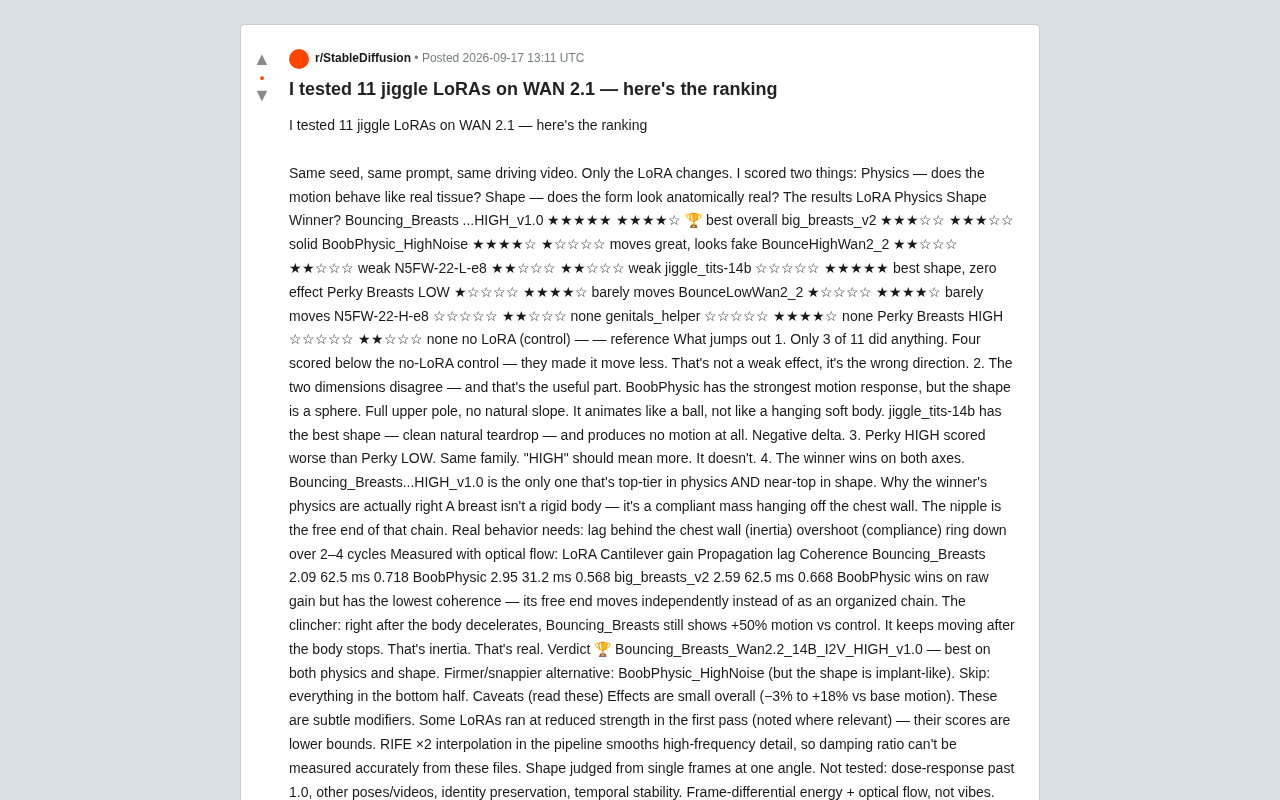
WAN 2.1 Physics Motion LoRA Benchmark: Rankings and Methodology for 11 Models Tested
A Reddit user benchmarked 11 physics-motion LoRAs on WAN 2.1 using optical flow analysis. Only 3 worked meaningfully; 4 scored below the no-LoRA baseline. Full rankings and methodology inside.
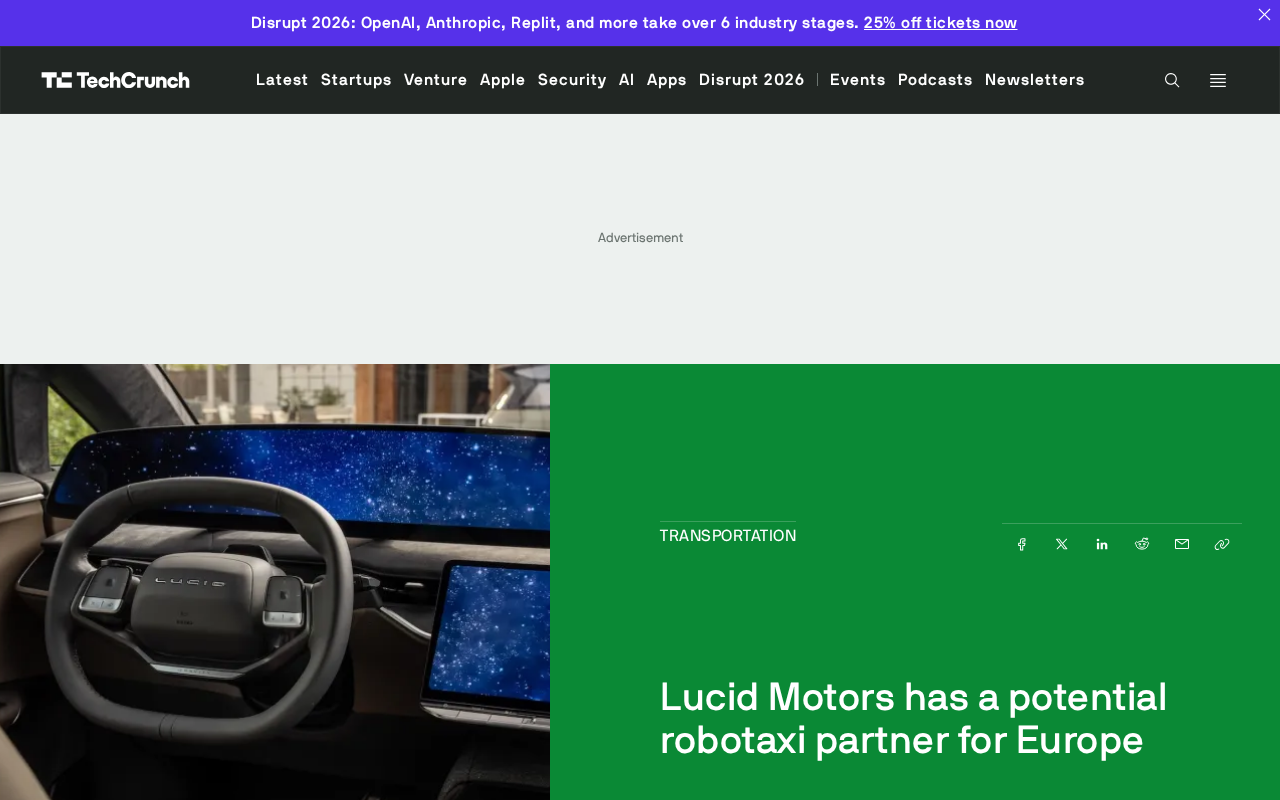
Lucid Partners with Bolt to Target European Robotaxi Market
Lucid Motors has signed a letter of intent with European mobility platform Bolt to explore Robotaxi services in Europe, though no vehicle orders have been placed yet.
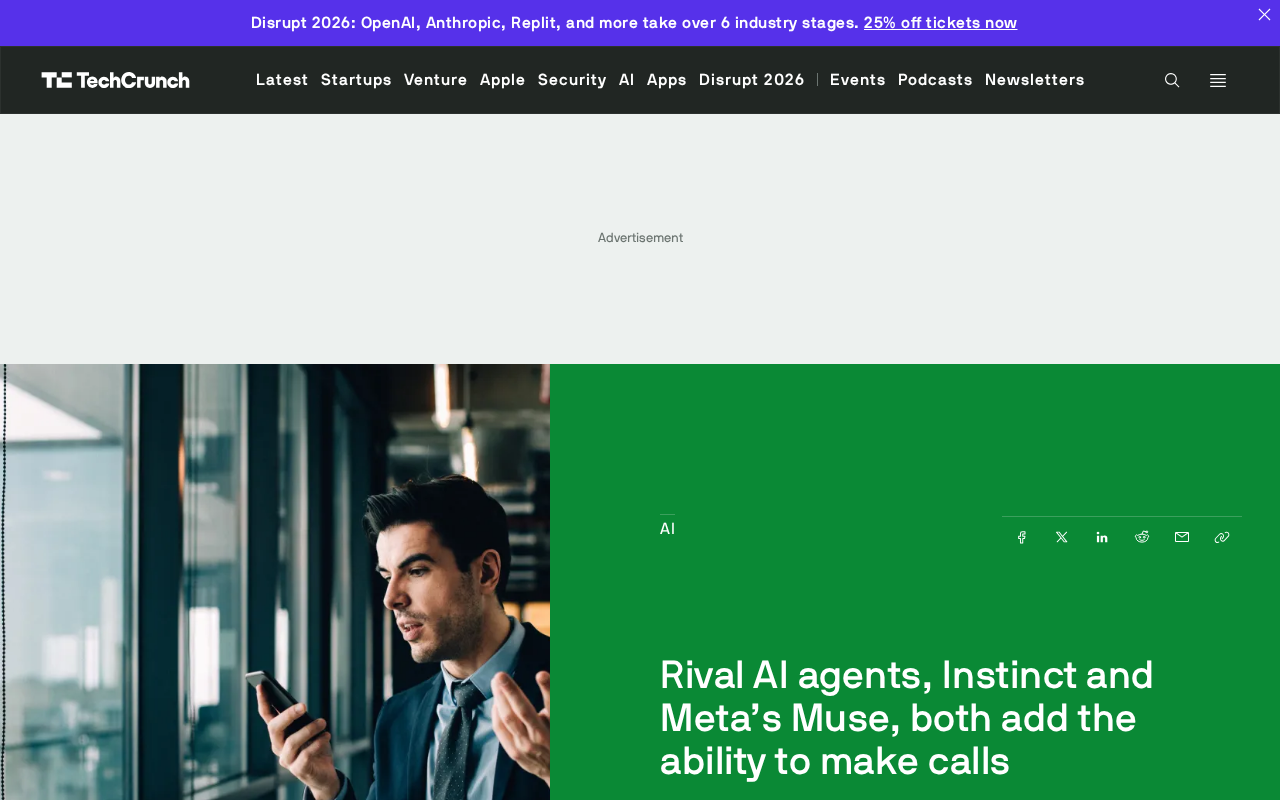
AI Assistants Enter the "Phone Call" Era: Instinct and Meta Muse Add Voice Task Execution
AI assistants Instinct and Meta Muse now make phone calls on your behalf — booking restaurants, canceling subscriptions — marking a leap from chat tools to real-world agents.