Beware of AI Aggregator Scams: The Truth Behind Fake Models Like "GPT 5.6"

Fake AI aggregator platforms peddle nonexistent models like "GPT 5.6" — here's how to spot and avoid them.
Social media is flooded with AI promotions touting nonexistent models like "GPT 5.6" and "Claude 5." These aggregator platforms use fabricated version numbers and standard AI demos to lure users, while posing real risks: data theft, financial fraud, and legal gray areas. This article breaks down the scam and guides you toward safe, legitimate AI usage.
A Suspicious AI Promotional Video
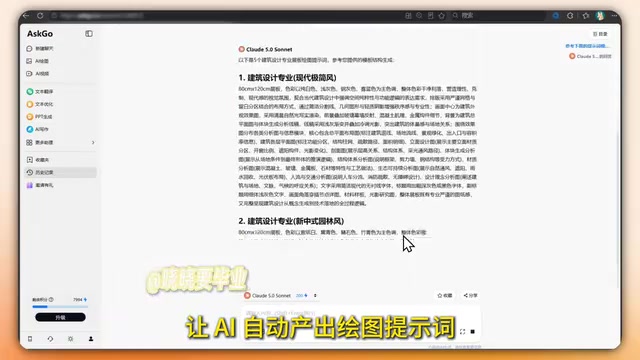
Recently, a flood of exaggerated AI promotional content has been spreading across social media platforms, claiming to offer "magic-free," "zero-barrier" access to so-called "GPT 5.6," "Gemini 3.5," "Claude 5," and other "world-class AI models" — all marketed with buzzwords like "100% effective," "full-capacity API," and "consistently stable, no quality degradation." These promotions typically include live demos: generating a playable Super Mario mini-game in a few minutes, or producing an architectural exhibition board design with AI.
As a reader who follows the AI space, you need to apply basic technical judgment when encountering this kind of content. These promotions contain several obvious red flags worth unpacking one by one. Understanding them not only helps you avoid getting scammed, but also deepens your awareness of the current large language model ecosystem.
Red Flag #1: These "Model Versions" Simply Don't Exist
Nearly every model name mentioned in these videos is either fabricated or a scrambled mishmash of real names.
The Version Numbers Don't Add Up
As of now, OpenAI has never released a version called "GPT 5.6." Google's model line is the Gemini series (e.g., Gemini 2.0, 2.5) — there is no "Gemini 3.5." Anthropic's Claude series currently goes up to Claude 3.5/3.7 and subsequent iterations — "Claude 5" doesn't exist either. References in these videos to things like "Cloud Fable 5" or "Cloud" are mangled versions of "Claude," revealing that the content creators either have no idea what they're talking about — or are deliberately using inflated version numbers to generate hype.
Why Invent Version Numbers?
Using a version number that sounds more "advanced" than anything currently available is a classic way to exploit information asymmetry — manufacturing a sense of scarcity and exclusivity to lure users unfamiliar with AI developments into thinking they're getting early access to the most powerful model available. This is pure marketing manipulation, not any kind of technical reality.

Red Flag #2: The "Demo" Doesn't Prove Anything
These videos showcase two "real-world" test scenarios: generating Super Mario game code, and producing an architectural exhibition board design.
Standard Capabilities Dressed Up as Exclusive Features
Using a large language model to generate a simple browser-based mini-game is completely standard functionality at the GPT-4 level — achievable through any legitimate channel, including the official ChatGPT or compliant domestic Chinese LLMs. It's not some exclusive feature of a mysterious third-party platform. The so-called "paste into Image 2" workflow for generating design graphics is simply calling a text-to-image model (likely some variant of Midjourney or Stable Diffusion) — again, a mature and widely available technology.

The real purpose of these demos is to use impressive-looking results to distract from the core problems: the platform's origins are unknown, and the authenticity of the models it claims to use is unverifiable. A flashy demo cannot prove the platform is calling a "full-capacity API," and it certainly cannot prove the service is safe or compliant.
Red Flag #3: The Real Risks Behind These Platforms
Behind the selling points of "free," "no VPN required," and "one-click model switching" lie very real security risks.
Data Security and Privacy Concerns
If these aggregator platforms are genuinely reselling or proxying certain APIs, every prompt, code snippet, and business document you enter passes through their servers. For use cases involving office files, research data, or commercial information, this is a serious data leakage risk — you have no way of knowing whether your inputs are being logged, analyzed, or even sold to third parties.
Account and Financial Risks
Many of these platforms push users to register, top up their accounts, or even download client software from unverified sources. At best, they collect membership fees and then shut down and disappear. At worst, they install malicious software or steal your account credentials. The emphatic promise of "100% effective" is, ironically, one of the most reliable warning signs of a fraudulent platform.
Legal and Compliance Gray Areas
In China, legitimately accessing overseas large model services requires going through compliant channels. These "no VPN needed" platforms typically operate in legal gray zones, with zero guarantees of stability or longevity. Working today and gone tomorrow is the norm — and any money users have topped up is usually gone with them.
How to Use AI Models Safely and Responsibly
Rather than risking your data on sketchy aggregator platforms, opt for legitimate, trustworthy alternatives.
Prioritize Compliant Domestic LLMs
Several high-quality large language models are available directly within China, including Tongyi Qianwen, ERNIE Bot, Doubao, Kimi, and DeepSeek. They perform excellently for Chinese-language comprehension, code generation, document processing, and more. They are fully compliant, keep your data within China's borders, and are the go-to choice for everyday use.
Access Overseas Models Through Official or Legitimate Channels
If you genuinely need to use GPT, Claude, or other overseas models, do so through official subscriptions or enterprise-grade API services. While they come with certain costs and access requirements, they offer real data security and service reliability — and are truly worth trusting.
Develop Basic Media Literacy Around AI Claims
When you encounter promotions touting "the latest flagship version," "100% effective," or "unlock top-tier models for free," take a moment to verify whether the version number actually exists, then evaluate the platform's pricing model and how it handles your data. Training and running top-tier AI models is extremely expensive. A genuinely "full-capacity" flagship API has never been — and will never be — free. There's no such thing as a free lunch.
Conclusion
At their core, these videos are traffic-driving promotions — or outright scams — riding the wave of AI hype. They use fabricated version numbers, demos of standard AI capabilities, and enticing "free, zero-barrier" messaging to lure in users who lack the knowledge to see through them. As rational consumers of technology, we should enthusiastically embrace the productivity gains AI offers — while holding firm on the fundamentals of data security and information integrity. Choosing legitimate channels is always the smarter long-term play.
Related articles

Disaster and Glory of the Apollo Program: The History We Must Revisit Before Returning to the Moon
From the fatal Apollo 1 fire to Apollo 8's daring lunar orbit to Apollo 11's successful landing—revisiting the disasters, fears, and compromises of the Apollo program and their lessons for today's return to the Moon.

Netflix Trust Exercise Turns Into Firing Trap: Where Are the Boundaries of Corporate Trust?
A Netflix employee was fired after sharing private info in a trust exercise. We analyze the risks of corporate trust exercises and how employees can protect themselves.

AMD CDNA5 Architecture Deep Dive: Technical Evolution and the AI Computing Competition Landscape
Deep analysis of AMD's CDNA5 architecture covering Chiplet packaging upgrades, HBM memory evolution, and low-precision compute optimization, examining how AMD challenges NVIDIA's AI chip dominance.