Beware of 'Free GPT-6 Astra' Scams: How These Videos Work and Why They're Dangerous

Breaking down the tactics and security risks behind viral 'free GPT-6 Astra' tutorial videos.
Videos claiming 'free GPT-6 Astra access' have gone viral, using fabricated model names, sourceless performance claims, and promises of one-stop access to all top AI models. This article dissects the hype from both a technical and business logic perspective: names like 'GPT-6 Astra' have no official backing, '13x score' claims cite no benchmarks, and the economics of LLM inference make 'unlimited free access' sites implausible — with likely risks including fraud, data theft, and malicious scripts. Always use official channels from OpenAI, Google, or Anthropic.
A Suspicious 'Free AI Model' Tutorial
A wave of videos with irresistible headlines has been circulating on certain video platforms — titles like "GPT-6 Astra Free Access Tutorial" and "Bonus: Free Access to Gemini, Image, and Other Top Models." These videos typically rely on sensational language: claiming the new model "obliterates the previous generation," that scores differ "by a factor of 13," that "the era of general AGI has arrived," and that a single "exclusive site" lets you freely access every top AI model in the world.
Looking at these claims through a technical and common-sense lens, they're riddled with red flags. This article won't reproduce the "tutorials" — instead, it breaks down the rhetorical tactics used in this type of content to help readers recognize the risks.
Breaking Down the Hype: Inflated Claims and Unverifiable "New Models"
These videos repeatedly throw around phrases like "GPT-6 Astra officially launched," "all-around metrics crush the previous GPT-5.6," and "office automation capabilities far exceed Feibo 5.1." Several obvious problems stand out.
The product names have no official backing. Names like "GPT-6 Astra," "GPT-5.6," and "Feibo 5.1" have zero support from any official channel. When mainstream providers like OpenAI release models, they do so through official blogs, developer documentation, and formal announcements — not through promotional videos for some random "free site."
The data has no source. Claims like "scores differ by 13x" and "crushes the previous generation" don't cite any benchmark name, testing methodology, or reproducible data. Legitimate model evaluations reference public leaderboards such as MMLU, GPQA, and SWE-bench, along with clearly stated testing conditions. A "multiplier comparison" with no source is a textbook marketing tactic.

MMlu (Massive Multitask Language Understanding), GPQA (Graduate-Level Google-Proof Q&A), and SWE-bench are widely recognized model evaluation benchmarks in the AI community. MMLU covers multiple-choice questions across 57 subjects to measure a language model's breadth of knowledge; GPQA focuses on PhD-level scientific reasoning challenges; and SWE-bench tests a model's ability to solve real software engineering problems (such as fixing GitHub issues). A credible model release report will explicitly cite scores on these leaderboards, the prompting strategy used (few-shot vs. zero-shot), and the baseline model version being compared against — results that can be independently reproduced by third parties. If a "new model launch" only offers vague claims of "multiplied improvement" without any leaderboard names or specific numbers, that itself is a significant signal about its credibility.
Why "One Site to Access All Top Models" Doesn't Hold Up
The video claims that a single website lets you "freely and unlimitedly" use GPT, Gemini, and various other models — and even that you can "reach the official site directly without changing your network environment." This falls apart under both technical and business logic.
Running inference on top-tier large models is extremely expensive. Official APIs from every major provider use pay-as-you-go pricing. Any third-party site that genuinely offers "unlimited free daily access" to all paid models is either burning money to acquire users, using API access of questionable origin, or — more likely — operating as a reskin, phishing operation, or data harvesting tool.
What's particularly concerning is how these sites typically monetize and what risks they carry: luring users into "membership" top-ups before disappearing, stealing sensitive information entered by users, injecting trojans or malicious scripts, or using an "activation" step to steal account credentials. The claim of "full official functionality" is precisely designed to disarm the user's suspicion.

Inference cost is the most direct hard expense in a large model's business model. Take GPT-4o as an example: the official API charges based on the number of input/output tokens, and handling a single complex conversation can cost anywhere from a few cents to tens of cents — at scale, the fees become enormous. For this reason, providers like OpenAI, Anthropic, and Google all use strict API key authentication, with each key tied to a paid account and subject to usage limits. Technically, the only viable paths for a site claiming "unlimited free access with no account required" are: using bulk-stolen or resold API keys (a terms-of-service violation that can be revoked at any time), using downgraded or fabricated model responses, or not calling a real model at all and returning pre-written content. All three scenarios mean either an unstable service or a serious information security risk for the user.
The Performative Nature of "Mind-Blowing Live Demos"
These videos also showcase things like getting the model to "recreate classic games" or "generate 3D scenes of high-speed trains," with claims that after "over ten minutes of thinking" the model produced "incredibly smooth, professional results."
Such demos are easily edited, pre-prepared, or exaggerated. The actual quality, time, and consistency of real generated output cannot be verified through a hand-picked highlight reel. The claim of "over ten minutes of thinking" doesn't align with how real inference models typically respond — it reads more like a line crafted to project an aura of sophistication.

How to Use Mainstream AI Models Safely
For everyday users who want to use large language models, here are some basic principles to follow:
- Stick to official channels. OpenAI, Google, Anthropic, and other providers all have official websites and apps. Domestically, there are also compliant AI services from mainstream providers. Always start with these legitimate entry points.
- Be skeptical of 'unlimited free access to paid models.' There's no such thing as a free lunch — unusually "free" offerings usually come with an unusually hidden cost.
- Never enter account credentials, payment information, or sensitive data on suspicious sites.
- Verify model information. If you come across an unfamiliar "new model name," check the official release announcements first — don't take a single video's word for it.
Conclusion
From the product naming and performance claims to the promise of "one site for everything," this "GPT-6 Astra free access tutorial" lacks any verifiable basis and exhibits the hallmarks of inflated hype designed to drive traffic. For readers, using AI through official and compliant channels is far safer than chasing dubious "free top-tier models" from unknown sources. When it comes to content like this, basic technical literacy and risk awareness will serve you better than any "tutorial" ever could.
Related articles
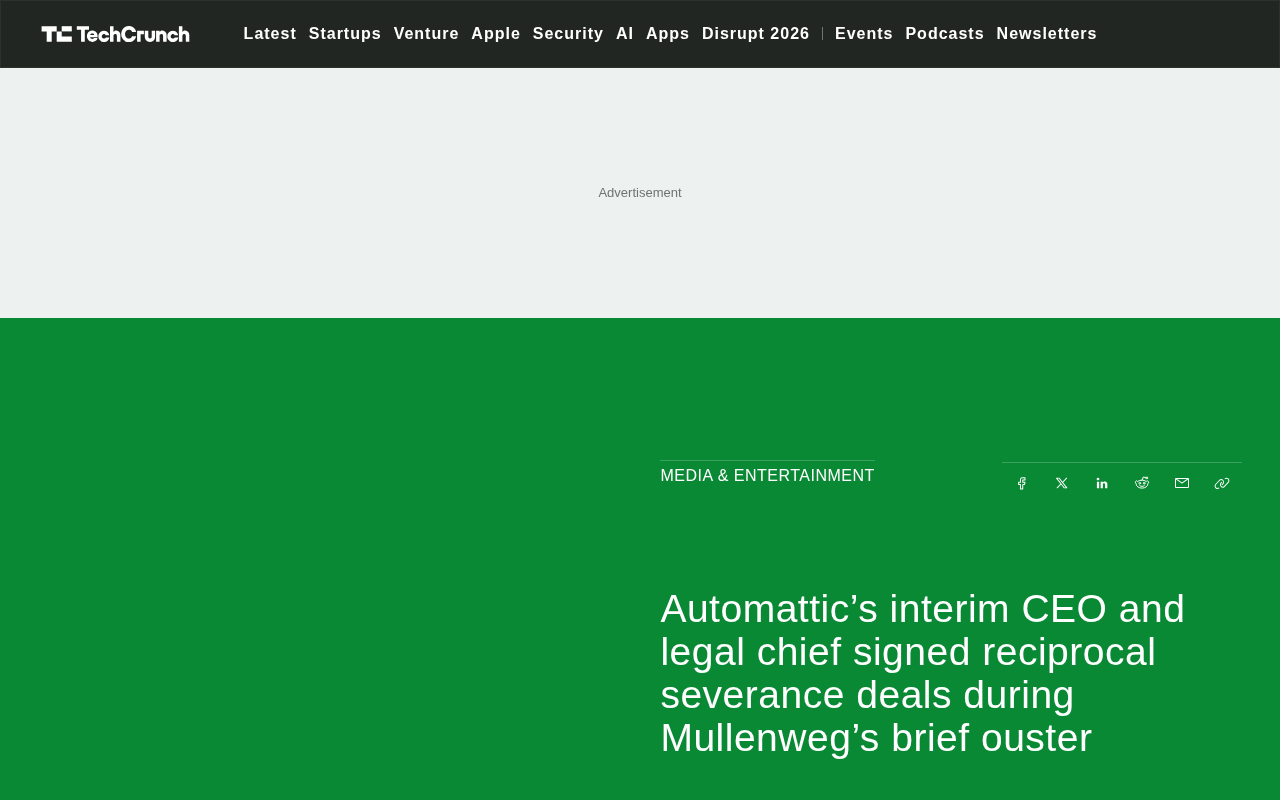
Automattic Executives Signed Reciprocal Severance Agreements During Mullenweg's Brief Ouster
Automattic's CFO and General Counsel signed reciprocal severance agreements during Matt Mullenweg's brief ouster, covering one year's salary and accelerated equity vesting, raising corporate governance concerns.
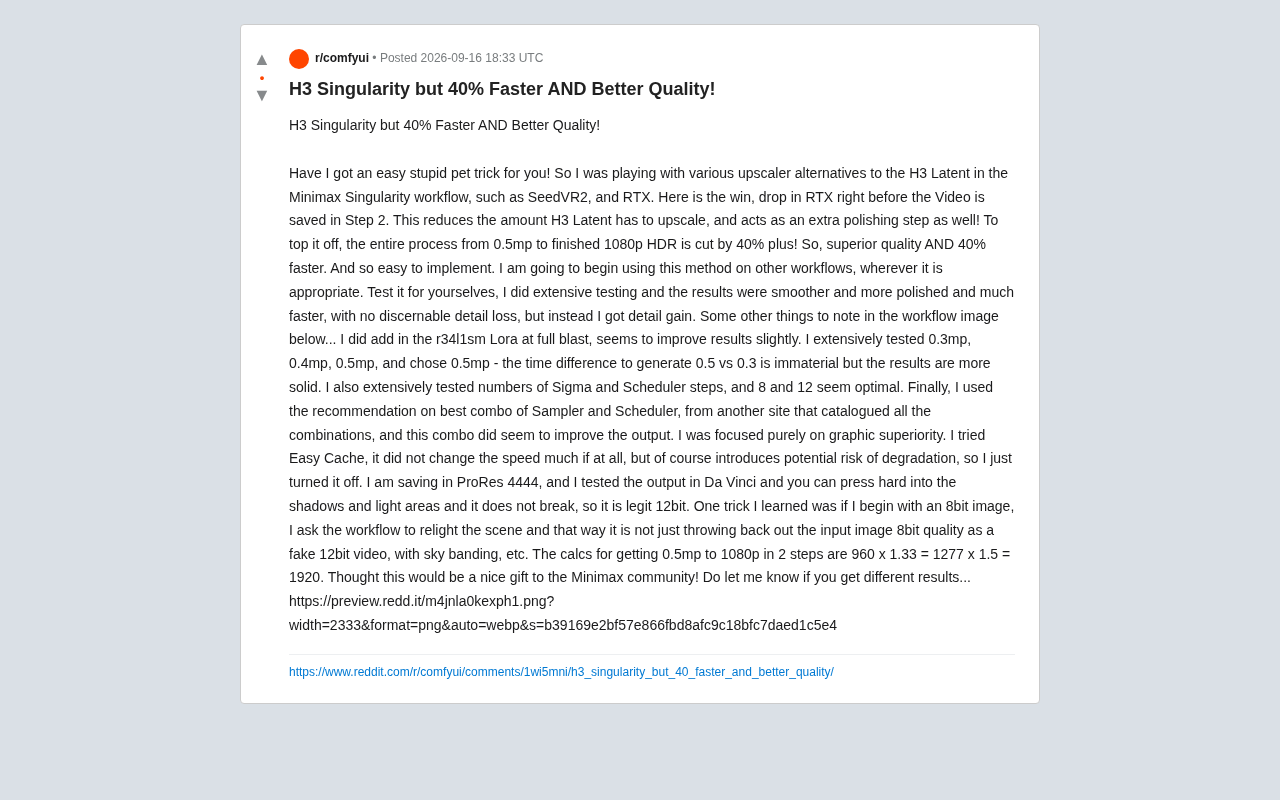
H3 Singularity Optimization: 40% Speed Boost With Better Image Quality
A Reddit user's Minimax Singularity workflow tip: insert an RTX upsampler before H3 Latent for 40%+ speed gains and better quality. Covers parameters, 12-bit output, and more.
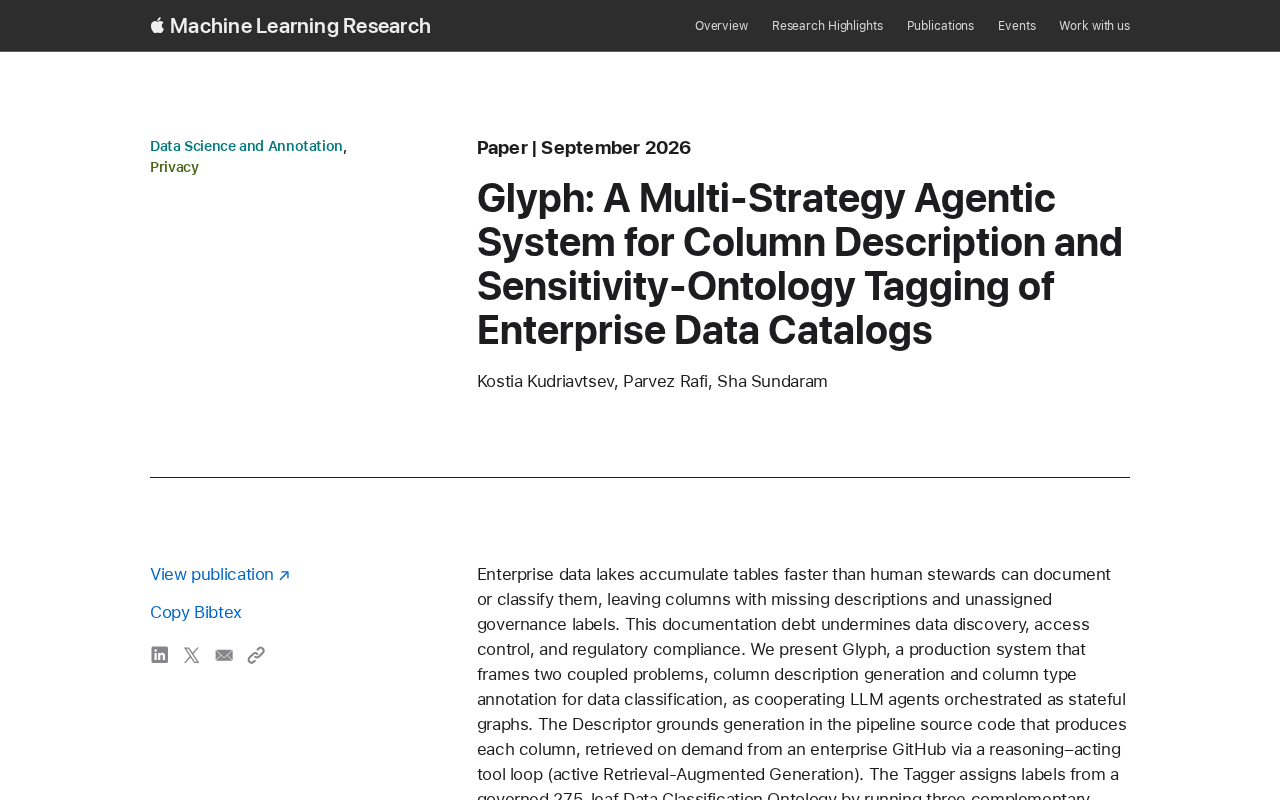
Glyph: A Multi-Strategy Agent System for Automated Enterprise Data Catalog Annotation
Glyph is a multi-strategy LLM agent system for enterprise data catalogs that automates column description generation and sensitivity ontology tagging, grounding outputs in pipeline source code to improve accuracy.