Black Friday Streaming Deals: Disney+, Hulu, HBO Max Discounts Over 50%
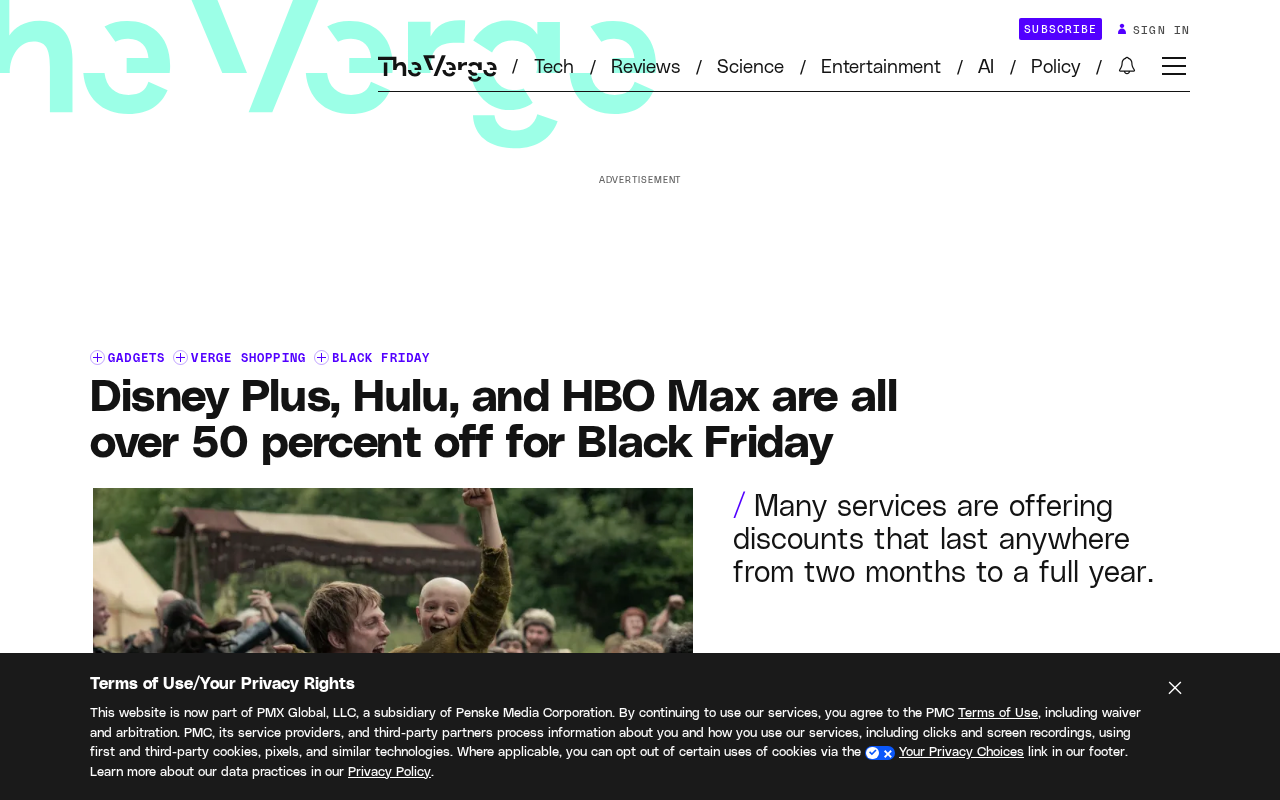
Black Friday streaming deals: Disney+, Hulu, HBO Max and more offer over 50% off—a great time to subscribe at low prices.
This article covers major streaming platform discounts during Black Friday. According to The Verge, Disney+, Hulu, and HBO Max all offer over 50% off, with HBO Max, Apple TV, and Hulu also joining the promotions. The article analyzes why platforms embrace Black Friday—intense competition drives them to use shopping events to attract new users at low prices and convert trials into long-term subscriptions. For consumers, it recommends choosing based on viewing habits—Disney+ for Disney content, Hulu and HBO Max for general entertainment—while watching for discount deadlines and price-reversion terms.
Black Friday shopping season isn't just a great time to upgrade your TV—it's also a window to lower your viewing costs. According to tech media outlet The Verge, multiple streaming platforms are rolling out substantial discounts this Black Friday, with Disney+, Hulu, and HBO Max all offering savings of over 50%.

Streaming Discount Overview
The report notes that platforms including HBO Max, Apple TV, and Hulu have all joined the promotions. While the original article didn't list specific prices individually, it explicitly mentions that some services offer discounts exceeding 50%—a great opportunity for long-term subscribers to lock in low prices.
Black Friday originates from the first Friday after Thanksgiving in the US and is traditionally the biggest annual promotional day for brick-and-mortar retail. In recent years, this shopping event has been widely adopted by streaming platforms, becoming a key marketing window for digital subscription services. Unlike physical goods, streaming discounts typically come in the form of "low first-year pricing," "half-price for the first few months," or "annual plan discounts" rather than one-time price cuts.
It's important to distinguish that streaming promotions often come with terms and conditions: for example, discounts may only apply to new or returning users, with standard pricing restored upon renewal; some annual deals require upfront payment for the full year; and some discounts are tied to ad-supported tiers (lower-priced plans with ads) rather than ad-free premium versions. Therefore, when comparing discounts, you should focus on the actual effective monthly cost, whether ads are included, and the auto-renewal price after the promotional period ends.
Why Are Streaming Platforms So Keen on Black Friday Promotions?
The streaming market is highly competitive, and platforms typically use shopping events like Black Friday to attract new users and convert low-price trials into long-term subscriptions. This strategy both drives rapid user acquisition and boosts short-term engagement.
The streaming industry widely adopts the subscription business model, with core metrics including customer acquisition cost (CAC), lifetime value (LTV), and churn rate. Black Friday promotions are essentially a growth tactic that trades price for user growth: substantially reducing the barrier to trial, then relying on default auto-renewal and content stickiness to convert short-term trials into long-term payments.
This strategy also has side effects. Deep discounts may attract a large number of "deal hunters" who quickly cancel after the promotional period ends, driving up churn rates. Meanwhile, low prices drag down average revenue per user (ARPU), squeezing the return on content investment. In recent years, multiple platforms have raised standard prices after discount periods or introduced ad-supported tiers—precisely to rebalance between user acquisition and profitability. Understanding this logic helps you judge whether a discount is "genuinely cheap" or "sweet at first, bitter later."
How to Choose the Right Streaming Discount for You
Facing offers from multiple platforms, users should choose based on their viewing habits. If you enjoy Disney content, Disney+'s discount is worth watching; if you prefer general entertainment, Hulu and HBO Max may be more suitable. Note that discounts typically have time limits and may revert to full price after a specific period.
When choosing a streaming service, consider two dimensions: "content exclusivity" and "viewing frequency." Disney+'s core advantage lies in its owned IP such as Disney, Pixar, Marvel, and Star Wars; HBO Max excels in high-quality series and the Warner Bros. library; Apple TV+ focuses on premium original content with a relatively lean but highly acclaimed catalog.
Another practical strategy is "subscription rotation": rather than maintaining long-term subscriptions to multiple platforms simultaneously, switch quarterly or based on series release schedules—lock in annual low prices during promotional periods and keep only one or two services during regular times. Additionally, pay attention to each platform's limits on simultaneous streams, video quality tiers, and download features—family users should especially confirm whether discount plans support multi-person sharing.
Conclusion
Black Friday streaming discounts are significant this year, with Disney+, Hulu, and HBO Max offering savings of over 50%. Consumers can take this opportunity to subscribe at lower costs, but should pay attention to promotional terms and deadlines.
Related articles

Single Is Not Failure: Rethinking Love and Wholeness Through Faith Traditions
A Vox video explores the emotional interrogation single people face during holidays, offering two insights from a Catholic priest and nun: humans are made for love but love takes many forms, and being loved is a gift of existence, not an achievement. Learn to respond to "are you dating?" with "I am deeply loved."
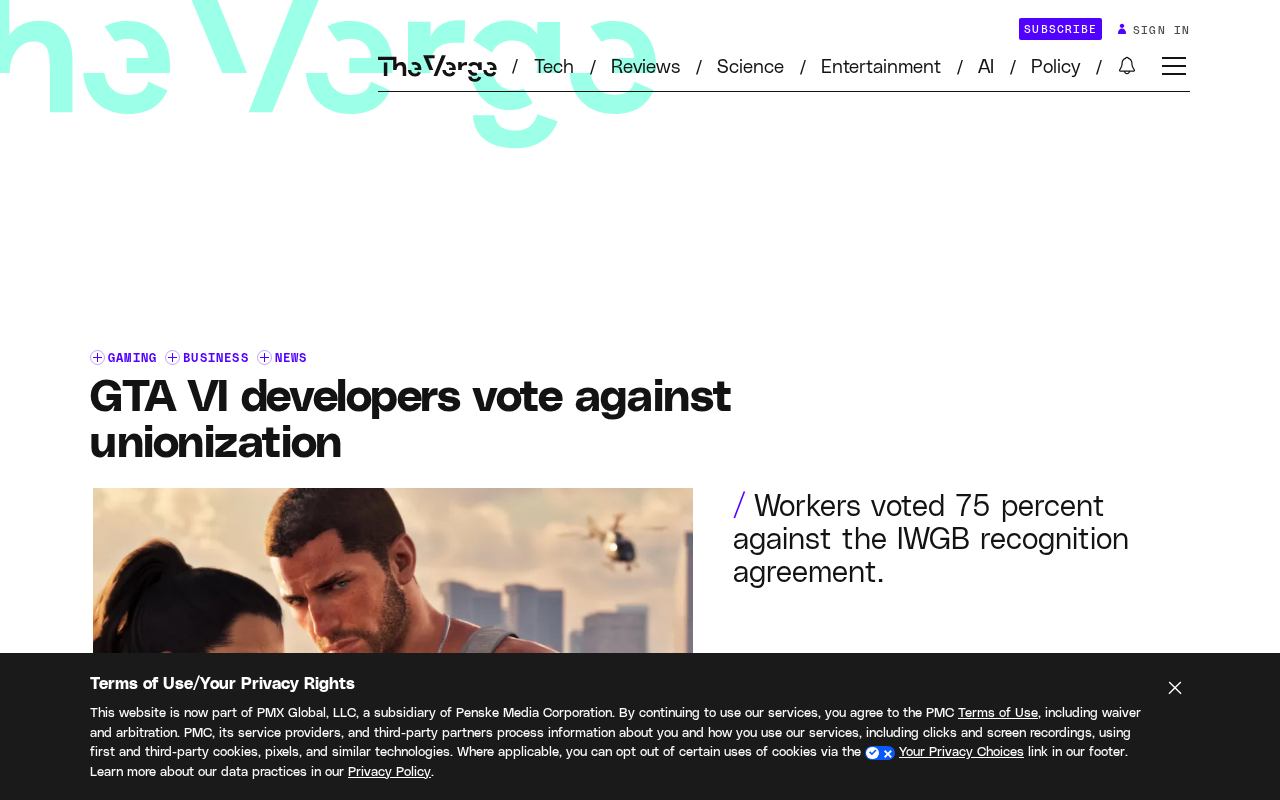
GTA VI Developer's Union Vote Falls Short: The Industry Undercurrent Behind a Mere 25% Support Rate
Rockstar Games, developer of GTA VI, acknowledges its union recognition vote failed, with only 25% of employees supporting unionization. IWGB says union members will continue organizing. This article analyzes the significance of the vote result for labor relations in the gaming industry.
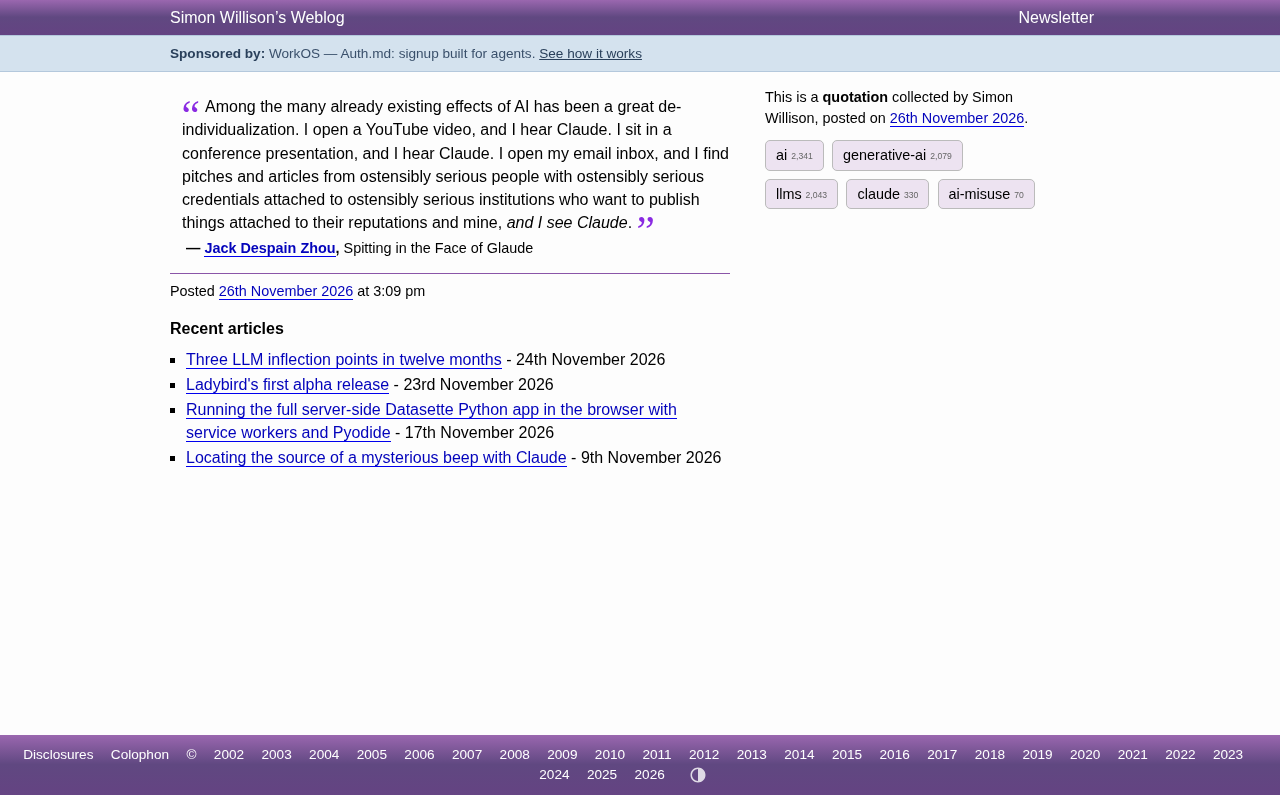
AI Makes Everyone Sound Like Claude: A Quiet De-individualization
Jack Despain Zhou notes that AI is causing a de-individualization of expression: Claude's voice echoes through YouTube videos, conference talks, and email submissions. This article analyzes the causes of this homogenization, its impact on reputation and trust structures, and how to balance efficiency with individual voice.