Black Returns to iPhone Pro: Apple Revives a Classic Design Choice
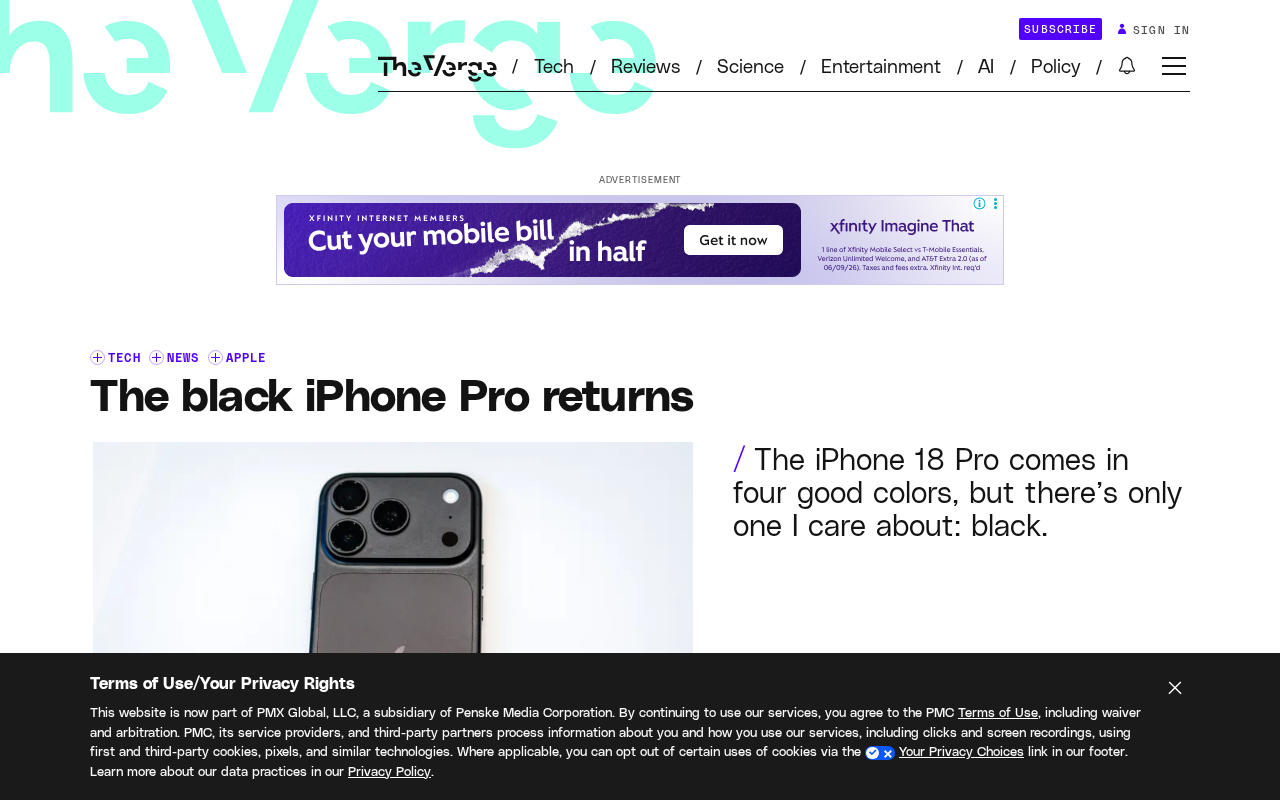
Apple reintroduces the black iPhone Pro, reviving its most iconic and professional color option.
Apple is bringing back the black colorway for its iPhone Pro lineup after user backlash over its absence in the iPhone 17 Pro. The move reflects Apple's recognition that professional users prefer classic, understated designs. The decision also involves complex materials science challenges with titanium frames and is expected to positively impact sales and reshape resale market dynamics.
The Return of the Black iPhone Pro
Apple has finally answered users' calls — the iPhone Pro series is reintroducing a black model. With the iPhone 17 Pro, Apple experimented with color options like orange, silver, and deep blue. While these colors were eye-catching, the absence of a classic black or dark gray option left many users who prefer a understated, professional look feeling disappointed.
This shift in color strategy reflects Apple's pragmatic approach to product design. Bold colors may turn heads, but for professional users, classic black has always been the safest and most versatile choice.
Why the Black Colorway Matters So Much
The absence of a black iPhone Pro sparked considerable discussion. For many users, black isn't just a color preference — it represents a design philosophy and a use case:
The go-to for business settings: In formal business environments, a black phone looks more professional and understated. By comparison, orange or other vibrant colors might come across as too flashy in certain situations. Color psychology research shows that consumers strongly associate black with authority, professionalism, and premium quality — which is why luxury brands and high-end business products overwhelmingly favor black. Data from market research firm Counterpoint Research has shown that black and dark gray consistently account for over 40% of sales in the premium smartphone segment. Apple's removal of black from the Pro lineup was a bold move against market convention, and user feedback proved that this color preference has deep psychological roots.
Classics never go out of style: Black is one of the most iconic colors in tech products. From the original iPhone to the iPhone 14 Pro's "Space Black," black has been a signature option for the Pro series. Its absence broke users' established habits and expectations.
Better accessory compatibility: Black phones pair more harmoniously with virtually any case or accessory, giving users greater freedom to personalize.
The Evolution of Apple's Color Strategy
Looking back at Apple's color strategy in recent years, a clear trend emerges: bold, colorful options for the standard iPhone, and relatively conservative choices for the Pro series. The iPhone 17 Pro's color lineup was an exceptional experiment that showcased Apple's willingness to innovate, but market feedback clearly prompted them to rethink that decision.
Notably, Apple's color choices go far beyond aesthetics — they involve complex industrial design and materials science. The titanium frame used in the Pro series requires fundamentally different coloring techniques than aluminum. Titanium achieves different colors through PVD (Physical Vapor Deposition) or anodization processes, and different colors vary significantly in their demands on process precision and yield rates. Black titanium requires precise control of oxide layer thickness to prevent color inconsistencies and fingerprint residue issues — Apple had already improved its surface micro-texture treatment technology to address this on the iPhone 15 Pro. This means that every new color introduction or retirement involves coordinated adjustments across the supply chain and manufacturing processes.
This adjustment isn't a retreat — it's a reflection of Apple listening to user feedback. The Pro series is inherently positioned for professional users and those who demand peak performance. Since the iPhone 11 Pro launched in 2019, Apple has clearly targeted the Pro lineup at professional creators, business executives, and tech enthusiasts. These users typically prioritize performance specs, camera systems, and durability over trendy colors. The Pro series' pricing strategy (typically $200–$400 more than the standard version) also shapes its user base's purchasing psychology — they expect the product's appearance to convey a sense of professionalism and sophistication that matches the price tag, not a youthful or flashy vibe. What they want isn't flamboyance, but refinement in restraint.
Market Impact
The return of the black iPhone Pro is likely to have a positive impact on sales. According to industry analysts, some potential buyers held off or switched to other models specifically because of the color options. The return of black will draw this segment of users back.
Additionally, this could affect the secondary market. The iPhone 17 Pro's unique color options may develop a certain collectible value on the used market, while the new-generation black models will become the mainstream choice. Historical data from resale platforms like Swappa and AiHuiShou shows that classic colorways (black, white/silver) typically hold their value better due to broader market demand. Limited-edition or unconventional colors may command a premium initially but tend to have lower liquidity over time. If the iPhone 17 Pro's distinctive colors were produced in limited quantities, they could indeed command a scarcity premium in the collector's market — similar to how certain unpopular colors of the iPhone 5c saw price rebounds after discontinuation. For savvy consumers, the iPhone 17 Pro might actually be an "alternative investment" worth holding onto.
Conclusion
Apple's reintroduction of the black iPhone Pro is both a response to user demand and a tribute to classic design. Balancing innovation with preserving the options users love most is precisely what has driven Apple's continued success. For those who have been waiting for a black Pro model, this is undoubtedly great news.
Key Takeaways
Related articles

ROS2 Beginner's Guide: Understanding the Core Framework for Robot Development from Scratch
A comprehensive introduction to ROS2 core concepts, version selection, and learning paths. Covers ROS1 vs ROS2 differences, Humble vs Jazzy comparison, and version compatibility tips for beginners.

Open-Source AI Agents for Computer Control: A Comprehensive Guide to Multi-Model Integration
Explore how open-source AI Agent frameworks enable computer control with multi-model support. Compare AutoGPT, LangChain, and Open Interpreter with DeepSeek V3 integration.

LeaseBase: A Landlord Management Tool That Replaces Data Dashboards with AI Compliance Advice
LeaseBase is an AI compliance assistant for California landlords, offering proactive legal guidance, integrated payments, repairs & lease management. A deep analysis of its vertical SaaS strategy.