Blanc: A Minimalist Browser That Replaces the Toolbar with a Floating Island
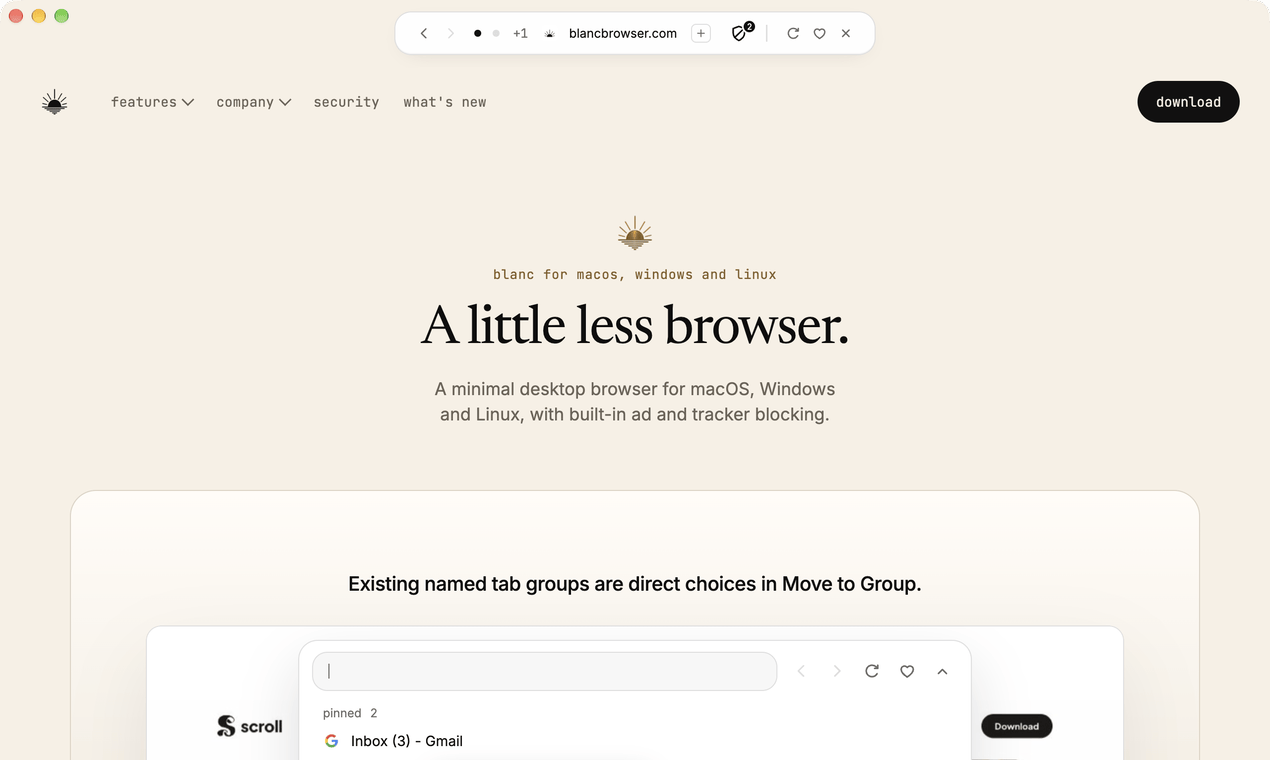
Blanc replaces traditional browser toolbars with a Floating Island and blocks ads at the network layer — free on macOS, Windows, and Linux.
Blanc is a minimalist desktop browser on Product Hunt built by independent developer Anthony J. Loria, free to use on macOS, Windows, and Linux. Its standout innovation is the Floating Island, which consolidates the traditional tab strip and toolbar into a single floating component to maximize content space. For privacy, Blanc blocks ads and trackers at the network layer rather than relying on extensions — no manual configuration required. It follows a free-core-plus-optional-paid model, with a Patron tier unlocking Named Workspaces. The project earned 78 upvotes on Product Hunt, drawing notable interest, though it remains to be seen whether it can break through in a crowded field alongside Arc, Zen, and others.
Minimalist browsers have been popping up constantly in recent years, but most stop at surface-level changes like hiding the address bar or trimming the UI. Blanc, a new entry on Product Hunt, takes a more radical approach: replacing the traditional tab strip and toolbar entirely with a floating "island" (Floating Island), stripping the browser interface down to almost nothing but the content itself.
Floating Island Design: Reimagining the Browser Interface
Blanc's core selling point is its Floating Island. In a traditional browser, the top of the screen is permanently occupied by a tab strip and toolbar — two areas that constantly eat into the content display space. Blanc consolidates these controls into a floating island-style component, returning the main interface to pure web content.
This design philosophy echoes the concept behind macOS's Dynamic Island — liberating functional controls from a fixed UI framework and surfacing them only when needed. For users who crave an immersive reading and browsing experience, this "consolidate and minimize" approach to interface organization genuinely reduces visual noise.
Privacy Protection: Network-Layer Ad and Tracker Blocking
Beyond its interface innovations, Blanc has also put serious thought into privacy. Its built-in ad and tracker blocking operates at the network layer rather than relying on browser extensions.
This technical choice is worth noting. Extension-based blocking solutions (like common browser plugins) are constrained by the browser's extension APIs. Blocking at the network layer, by contrast, means requests are filtered before they ever reach the rendering engine — theoretically offering more thorough interception and potentially lower performance overhead. For privacy-conscious users, having network-layer blocking work out of the box eliminates the hassle of manually installing and configuring plugins.
Blanc's positioning is also reflected in its Product Hunt category tags — it's simultaneously listed under Productivity, Privacy, and GitHub, making privacy one of its explicit product promises.
The technical distinction between network-layer blocking and extension-based blocking is worth elaborating on. Mainstream extension-based blockers (like uBlock Origin) rely on browser-provided APIs such as WebRequest or Declarative Net Request, meaning a request has already entered the browser's network stack and triggered an API callback before a decision is made about whether to allow it. The push toward Manifest V3 has further reduced extensions' ability to intervene in requests. Network-layer blocking, on the other hand, is typically implemented at the OS network stack or within the app's custom network proxy layer — requests are dropped before the browser's rendering engine even attempts to establish a connection, fundamentally bypassing extension API limitations. Potential advantages include: being harder to detect and circumvent as an ad blocker, treating all page resources equally (including requests made by Service Workers), and reducing communication overhead between the render thread and extensions. That said, implementation quality and the frequency of rule database updates are equally decisive for real-world blocking effectiveness — network-layer blocking is not inherently superior to a mature extension-based solution.
Cross-Platform and Free-to-Use Strategy
Blanc is a free desktop browser with support for macOS, Windows, and Linux — a remarkably complete cross-platform footprint. This is a clear plus for users who want a consistent experience across multiple devices.
Beyond its free core features, Blanc offers an optional paid tier called Patron, which unlocks Named Workspaces. Workspace management is a common need for heavy multitaskers — organizing tabs by naming and grouping them for different contexts can effectively combat tab overload. This "free core + premium add-ons" model is also a common monetization path for independent browser projects today.
Market Positioning and Observations
On Product Hunt, Blanc was built by independent developer Anthony J. Loria. It earned 78 upvotes, 3 comments, and ranked 13th for the day. These numbers suggest it generated some interest, but it hasn't gone viral.
In the minimalist browser space, players like Arc, Sigma, and Zen are already exploring interface innovation. Blanc differentiates itself by combining a Floating Island with network-layer privacy blocking, while maintaining full cross-platform support. Whether it can carve out a sustainable position in the competitive browser market will ultimately depend on stability, performance, and the pace of future feature development.
For users tired of bloated browser interfaces who also care about privacy, Blanc offers a free option worth trying. That said, it's worth keeping in mind that switching browsers comes with migration costs — bookmarks, passwords, and extension ecosystems all need to move over. It's probably worth testing it in a secondary-use context before fully committing.
The competitive landscape in the minimalist browser space is worth mapping out. Arc, built by The Browser Company, is known for its sidebar tab management and Space workspaces, and has received substantial venture capital backing. Zen is an open-source minimalist browser built on the Firefox engine, leveraging the Mozilla ecosystem for privacy compliance. Sigma focuses on keyboard-driven interaction and a command palette workflow. Together, these products reveal a broader trend: user fatigue with Chrome/Safari's default interaction patterns is spawning a wave of projects centered on "browser redesign." Blanc's choice to make the visually intuitive Floating Island its key differentiator lowers the barrier to understanding the product — but whether it can drive long-term retention will depend on the stability and site compatibility of its underlying engine (which, as of now, remains unclear — it's uncertain whether it's based on Chromium or something else).
Market Positioning and Observations
Blanc is a free, cross-platform minimalist browser that replaces the traditional tab strip with a Floating Island and includes built-in network-layer privacy blocking.
Related articles
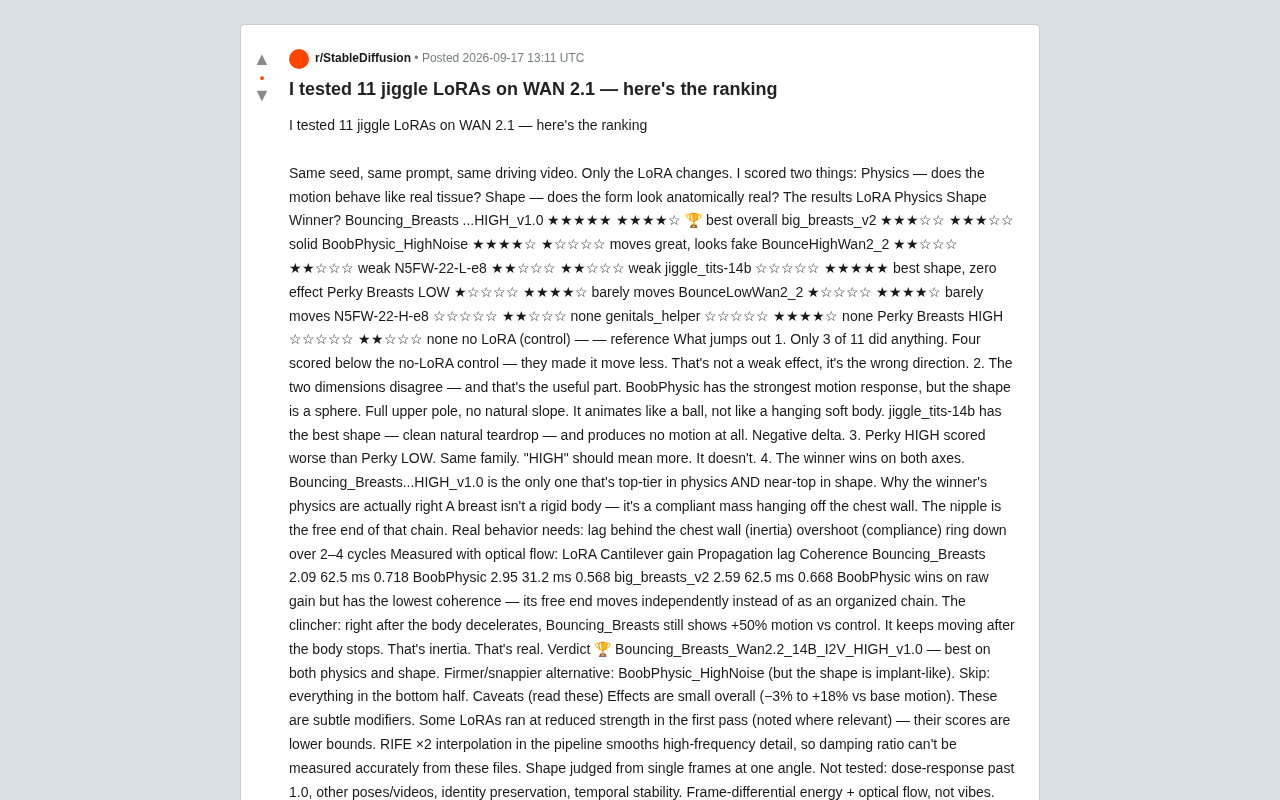
WAN 2.1 Physics Motion LoRA Benchmark: Rankings and Methodology for 11 Models Tested
A Reddit user benchmarked 11 physics-motion LoRAs on WAN 2.1 using optical flow analysis. Only 3 worked meaningfully; 4 scored below the no-LoRA baseline. Full rankings and methodology inside.

Lucid Partners with Bolt to Target European Robotaxi Market
Lucid Motors has signed a letter of intent with European mobility platform Bolt to explore Robotaxi services in Europe, though no vehicle orders have been placed yet.
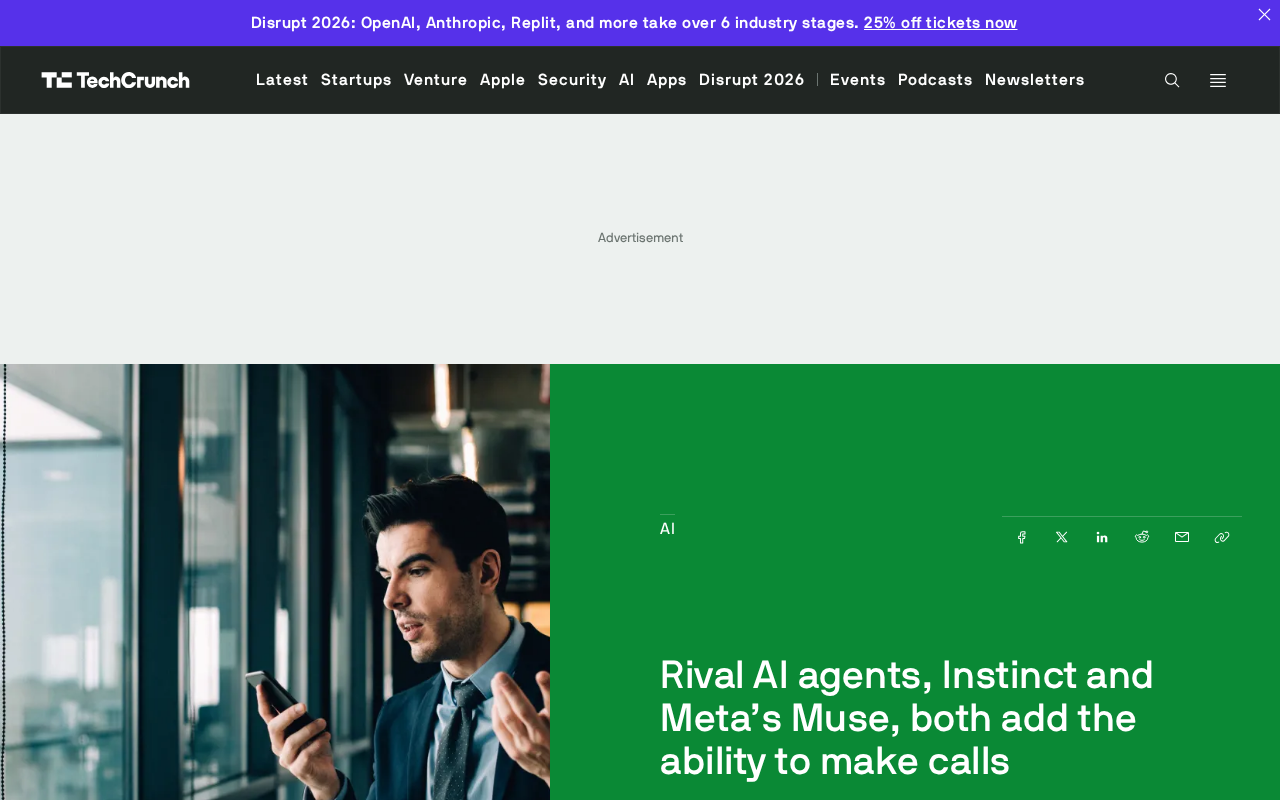
AI Assistants Enter the "Phone Call" Era: Instinct and Meta Muse Add Voice Task Execution
AI assistants Instinct and Meta Muse now make phone calls on your behalf — booking restaurants, canceling subscriptions — marking a leap from chat tools to real-world agents.