Building Localized Ads with MiniMax H3 + ComfyUI: An AI Video Pipeline That Runs on an RTX 4060 Ti
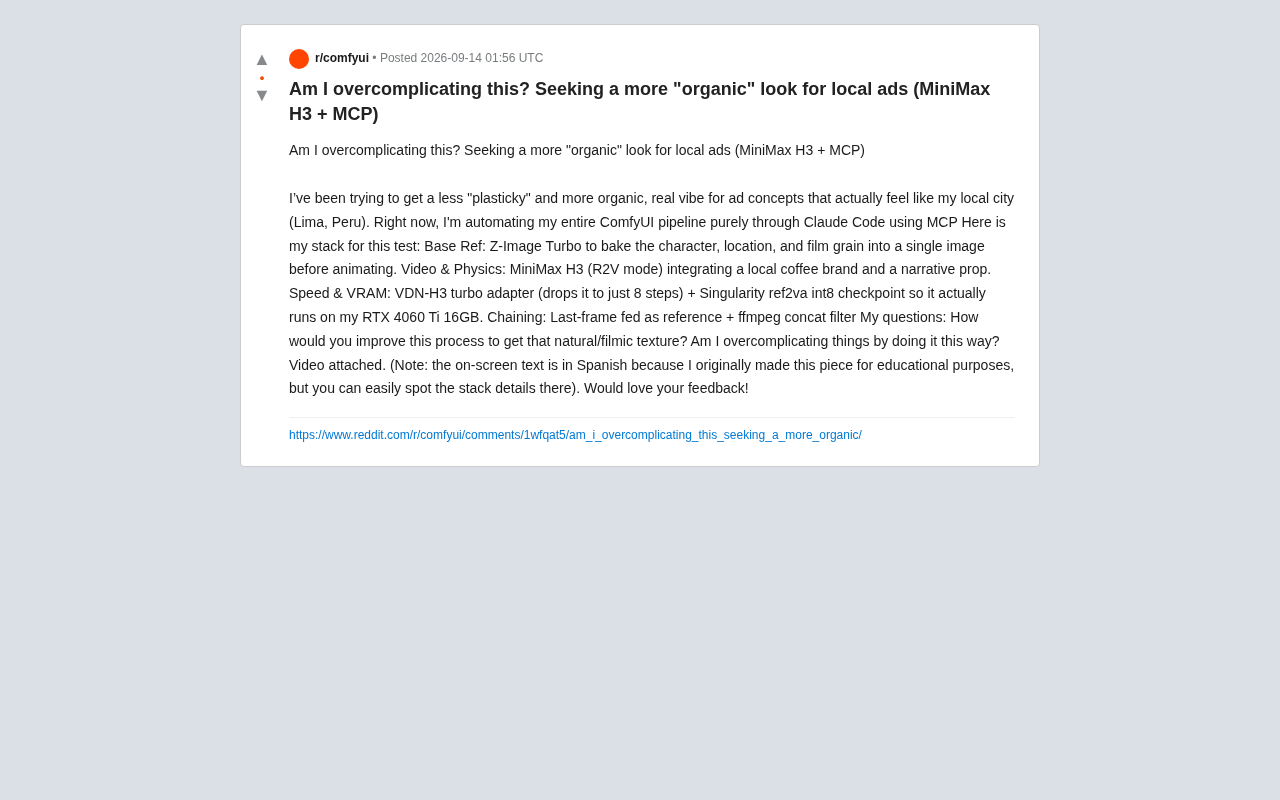
A Lima creator built a localized AI ad pipeline on an RTX 4060 Ti using MiniMax H3 and Claude MCP automation.
A creator from Lima, Peru shared a complete localized AI ad production pipeline on Reddit: using Z-Image Turbo to generate film-grain reference images, driving video generation via MiniMax H3's R2V mode, and compressing the workflow to run on an RTX 4060 Ti 16GB through a VDN-H3 turbo adapter (8-step sampling) and Singularity int8 quantization. Most notably, he used Claude Code with MCP to automate the entire ComfyUI pipeline via natural language. Clip continuity was maintained through a last-frame chaining method combined with ffmpeg concatenation.
As AI video generation becomes increasingly practical, a real challenge has emerged: how do you strip that "plastic" look from AI-generated ad footage and capture the authentic texture of a local city? A creator from Lima, Peru shared his complete tech stack and experimentation process on Reddit, along with a question worth asking across the whole community — "Am I overcomplicating this?"
This article is based on that creator's original post. We'll break down his technical approach and explore the feasibility of building a localized AI ad pipeline on consumer-grade hardware.
The Core Goal: Making AI Footage Feel Real
The creator's objective was very specific: he wanted to produce a conceptual ad for his city — Lima, Peru — one that genuinely captured the local urban atmosphere rather than the polished-to-the-point-of-fake look that AI tends to produce.
This gets at a widespread pain point in AI video generation. Most generative models default to high-saturation, overly smooth imagery — visually appealing, but lacking authenticity. For advertising, especially localized advertising, "real" often resonates more than "pretty." The creator mentioned deliberately incorporating film grain and narrative props into his workflow specifically to push back against that over-perfected tendency.
His final test clip brought together a local coffee brand and a narrative prop, aiming for footage that felt both commercially polished and grounded in everyday life.
Tech Stack Breakdown: From Static Reference to Dynamic Video
The creator publicly shared his full experimental tech stack. The logic is clean and worth walking through layer by layer.
The Base Image: Nailing the Foundation First
He used Z-Image Turbo to generate a reference base image — baking in character, scene composition, and film grain texture all at once before moving into the animation phase. This approach is key: lock in the style and texture at the static image level to prevent drift during video generation. Define the look first, then bring it to life — a proven method for maintaining visual consistency.
Video and Motion Physics: MiniMax H3 Takes the Lead
The core of video generation is MiniMax H3 (R2V mode, Reference-to-Video). He used the reference image to drive video generation while weaving in the local coffee brand and narrative prop. R2V mode's strength is that it uses the reference image as an anchor, keeping the generated video stylistically and thematically consistent with the base image.
Speed and VRAM: Making It Actually Run on a 4060 Ti
The most practical part of this setup is how it accommodates hardware constraints. The creator's machine is an RTX 4060 Ti 16GB — a consumer-grade card, far from professional spec. To make the pipeline genuinely runnable, he made two key optimizations:
- Using the VDN-H3 turbo adapter, which compresses sampling down to just 8 steps, dramatically speeding up generation;
- Applying the Singularity ref2va int8 checkpoint, using int8 quantization to reduce VRAM usage.
Together, these two choices bring what would otherwise be a hardware-intensive video generation process down to something a 16GB consumer card can actually handle — highly valuable for independent creators working on a budget.
Full Pipeline Automation with Claude Code + MCP
One of the most forward-looking aspects of this setup is the creator's use of Claude Code with MCP (Model Context Protocol) to automate the entire ComfyUI pipeline.
In other words, instead of manually dragging nodes and stepping through operations in the ComfyUI interface, he had Claude orchestrate the entire pipeline directly through MCP. This represents a new working paradigm: AI is no longer just the "engine" generating content — it also acts as the "conductor" handling operations and scheduling.
For ad creation workflows that require repeated iteration and batch-testing different parameter combinations, driving a generative pipeline through natural language could significantly reduce operational overhead and improve experimentation efficiency. This is also a concrete example of MCP finding real traction in creative production workflows.
Clip Continuity: Last-Frame Reference + ffmpeg Concat
To stitch multiple video clips into a coherent narrative, the creator used a chaining approach: feed the last frame of one clip as the reference input for the next, then use ffmpeg's concat filter for final assembly.
Using the final frame of one segment as the reference starting point for the next is a classic technique for maintaining shot continuity — it effectively reduces the jarring cut between segments. Combined with ffmpeg's concat filter for final compositing, the entire chain from generation to output is closed.
Did He Actually Overcomplicate It?
The creator ultimately posed two core questions: how can the workflow be improved to achieve a more natural, cinematic quality? And — is this whole thing just too complicated?
From a technical standpoint, every step in this pipeline has a clear purpose: Z-Image Turbo sets the tone, MiniMax H3 generates the video, the turbo adapter and int8 quantization solve the performance bottleneck, last-frame chaining maintains continuity, and MCP automation ties everything together. It isn't bloated — if anything, it's quite disciplined and goal-oriented.
The more interesting question might not be "complexity" but "return on investment." When you're chasing something as hard to quantify as an "organic" aesthetic, does adding more fine-grained controls lead to diminishing returns? For the goal of authentic cinematic texture, investing effort in color grading, noise handling, and cinematographic language in post-production might sometimes yield faster results than continuing to optimize at the generation stage.
Regardless, this case already offers a genuinely valuable reference: on consumer-grade hardware, through thoughtful tool selection and automated orchestration, independent creators are fully capable of building a functional localized AI advertising pipeline.
Related articles
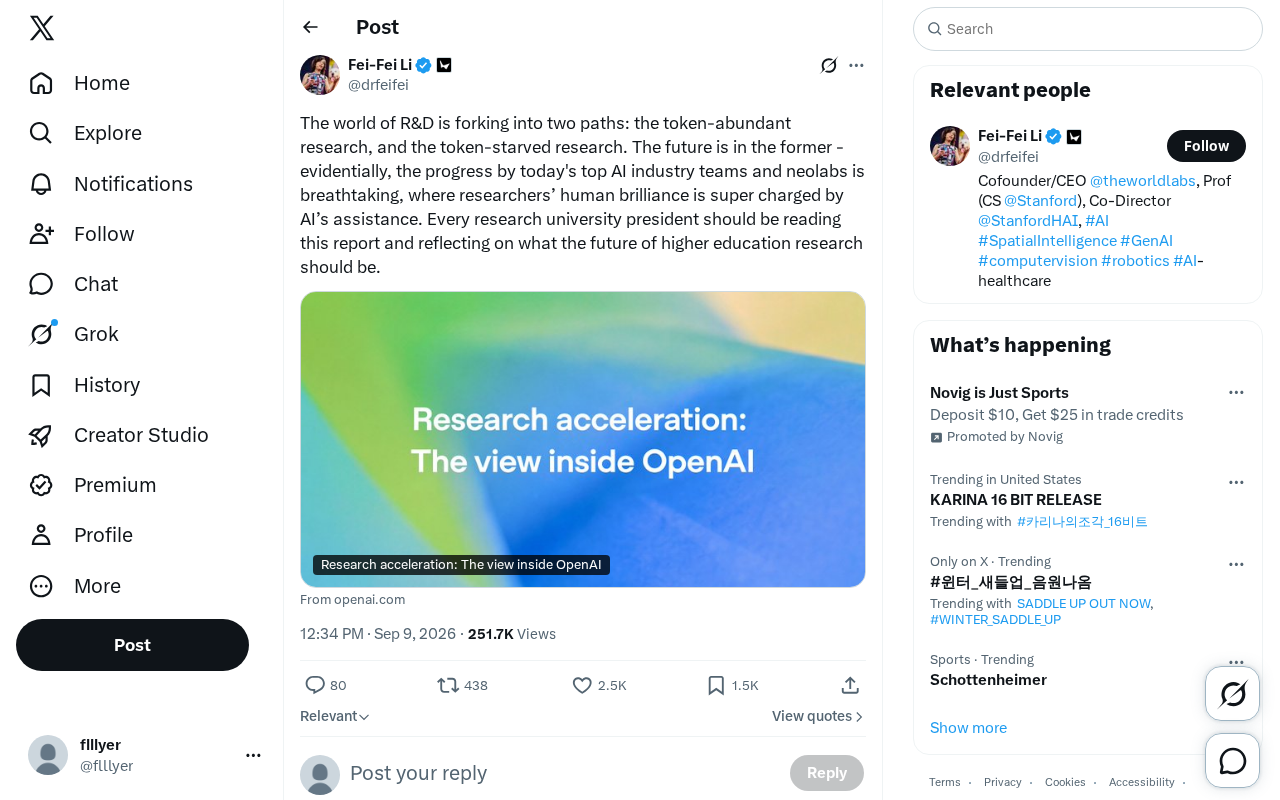
R&D Is Forking: The Coming Battle Between Token-Abundant and Token-Starved Research
R&D is splitting into token-abundant and token-starved research. Top AI labs are pulling ahead—here's what it means for universities and the future of science.
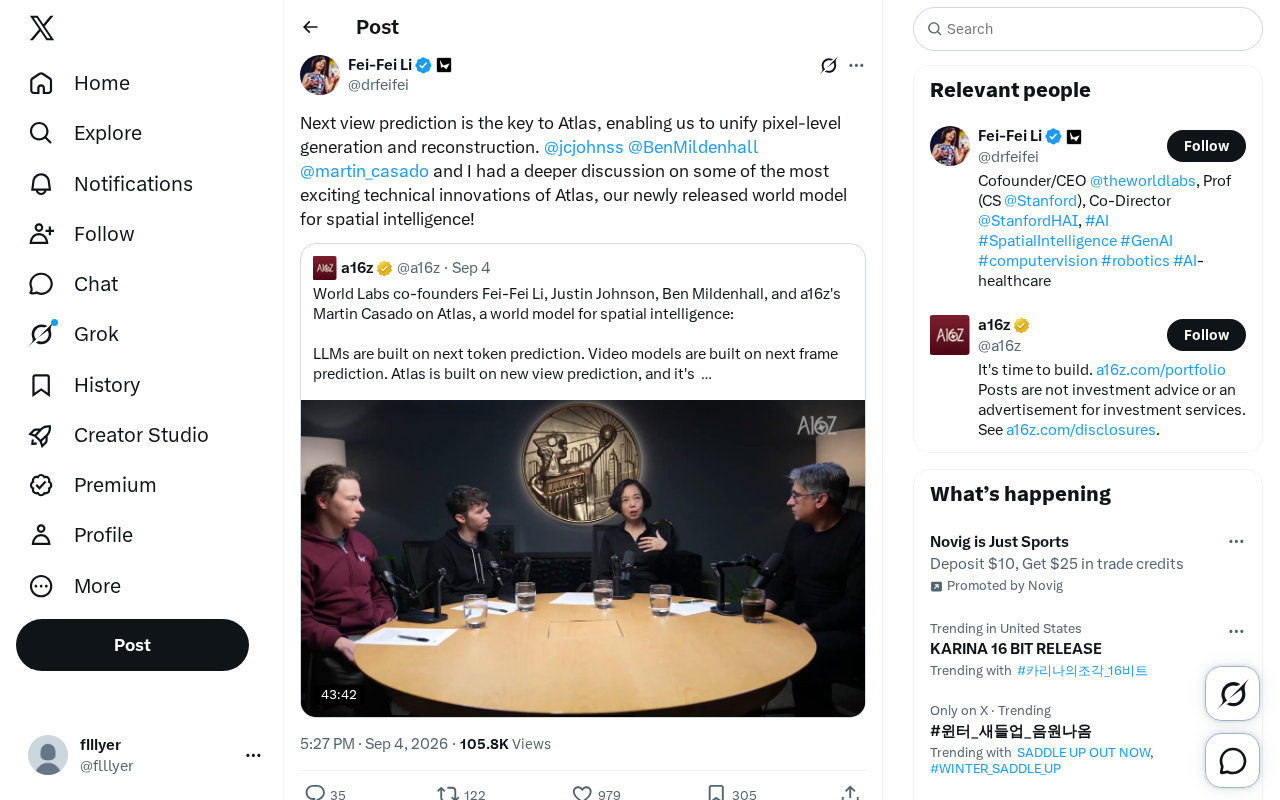
Atlas World Model Explained: How Next View Prediction Unifies Generation and Reconstruction
The Atlas world model uses Next View Prediction as its core to unify pixel-level generation and reconstruction, offering a new approach to spatial intelligence.
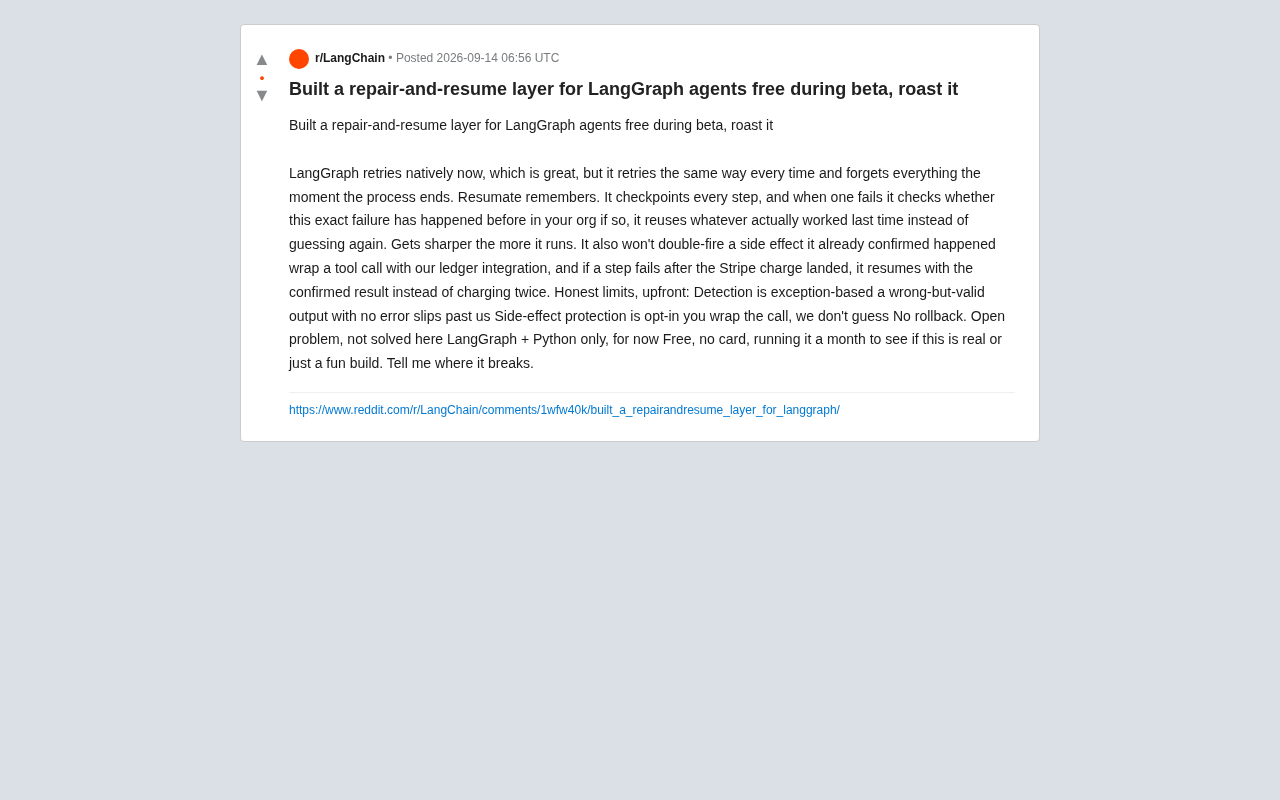
Resumate: A Deep Dive into the Repair-and-Resume Layer for LangGraph Agents
Resumate adds memory-aware checkpointing and idempotent side-effect protection to LangGraph agents, preventing issues like duplicate Stripe charges on retry.