Carta Rival Pulley Announces December Shutdown, Shaking Up the Cap Table Management Space
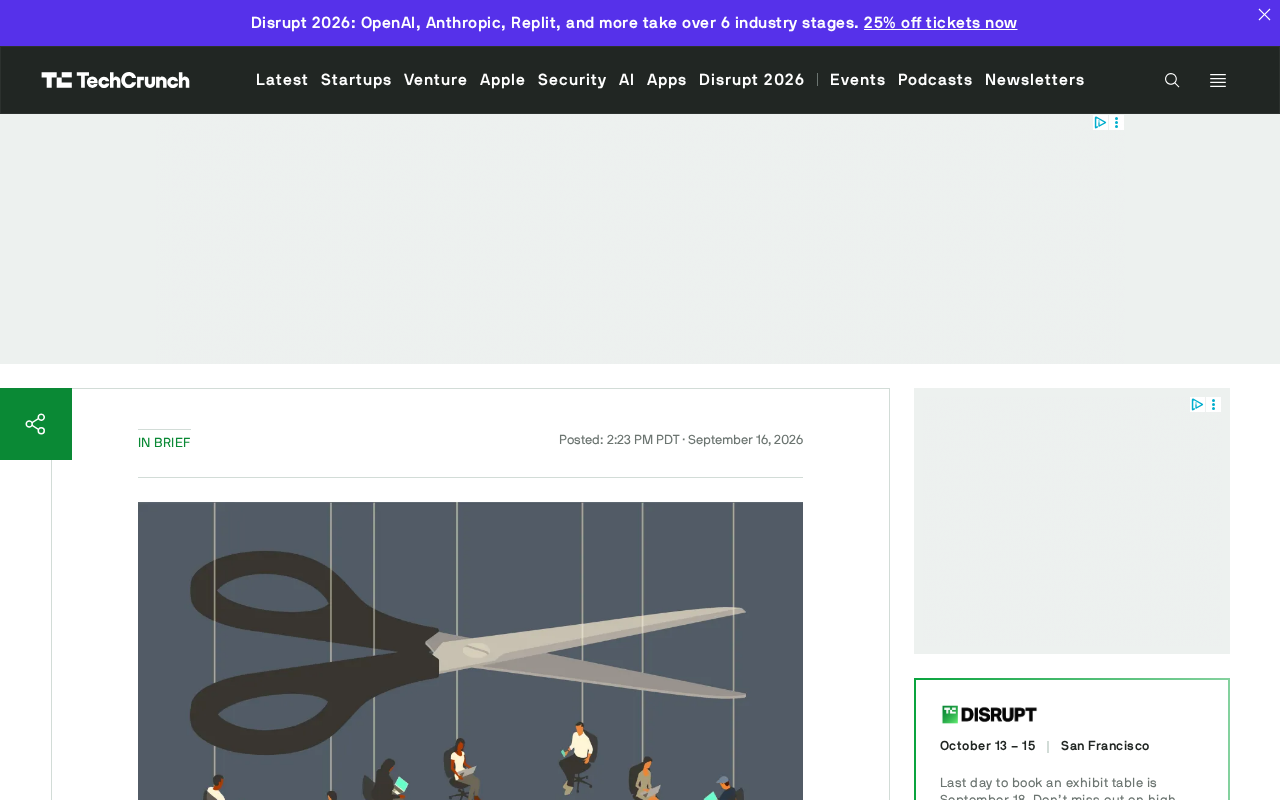
Carta rival Pulley shuts down in December, defeated by network effects and data moats despite top-tier VC backing.
Cap table management platform Pulley, once seen as a serious Carta challenger backed by General Catalyst, Stripe, and Founders Fund, has announced it will shut down in December. Despite friendlier pricing and a cleaner UX aimed at customers alienated by Carta's data controversies, Pulley never overcame the incumbent's entrenched network effects and data moats. The shutdown highlights the winner-takes-all dynamics of vertical SaaS markets and serves as a warning to founders to factor vendor longevity into infrastructure tool decisions.
Cap table management platform Pulley has announced it will officially shut down in December. Once seen as a formidable challenger to industry giant Carta, this startup — backed by top-tier investors including General Catalyst, Stripe, and Founders Fund — has reached the end of the road.
Who Is Pulley: A Once-Promising Carta Challenger
Pulley was built to help startups manage their capitalization tables, giving founders, employees, and investors a clear view of equity ownership, option allocations, and dilution across funding rounds. These tools are essential infrastructure for any growing startup — especially during multiple funding rounds, employee option pool adjustments, and exit events like acquisitions or IPOs, where an accurate, up-to-date cap table is critical.
Looking at its investor lineup, Pulley was no ordinary startup. The combined backing of General Catalyst, Stripe, and Founders Fund — three of Silicon Valley's most influential institutions — signals that the market once held high expectations for its potential to disrupt Carta. Stripe's participation as a payments and financial infrastructure giant also hinted that Pulley was positioning itself within a broader ecosystem of startup financial tools.
A cap table (short for Capitalization Table) is a dynamic spreadsheet that tracks all equity ownership in a company — including founder stakes, preferred shares held by investors across funding rounds, employee stock option pool (ESOP) grants and exercises, and the potential dilutive impact of convertible instruments like SAFEs and convertible notes. Early on, a messy or inaccurate cap table can directly derail fundraising negotiations, trigger employee option disputes, or create legal complications during M&A or IPO processes. Professional cap table management platforms go beyond data storage — they automatically model equity dilution under various financing scenarios (Waterfall Analysis), helping founders understand exactly how much equity they're giving up and how returns will be distributed before they ever sit down at the negotiating table.
Why It Was Considered Carta's Top Rival
Carta is the de facto market leader in equity management and has long held a dominant position. But Carta hasn't been without controversy — its pricing strategy and data usage policies (it once triggered a major trust crisis by attempting to use client equity data to build a secondary trading marketplace) created openings for competitors.
Pulley moved directly into those pain points, offering more startup-friendly pricing and a cleaner product experience to win over early-stage companies dissatisfied with Carta. This challenger positioning earned it genuine word-of-mouth within certain customer segments. In hindsight, however, differentiated pricing and product experience alone appear insufficient to unseat an industry leader that has built deep network effects and data moats.
Carta (formerly eShares) was founded in 2012 and now serves over 40,000 companies and hundreds of venture capital firms. The equity value managed on its platform is estimated to exceed $2.5 trillion. Its moat operates on multiple levels: deep integrations with law firms and VC firms create ecosystem lock-in; its vast trove of private market data provides pricing and valuation capabilities; and expansion into adjacent services like 409A valuations and equity compliance generates revenue diversification. In 2023, Carta faced a high-profile scandal when it was revealed that it attempted to use client equity data to build a secondary trading marketplace called CartaX — disclosing shareholder information to potential buyers without adequately notifying clients. The backlash was severe, and Carta was forced to shut down that business line. That incident briefly opened a window of opportunity for competitors like Pulley.
What Pulley's Exit Signals for the Industry
Pulley's shutdown reflects the increasingly harsh survival conditions facing SaaS tool startups today. Cap table management is a classic winner-takes-all market — once a company has loaded its equity data, option agreements, and investor information onto a platform, the cost of switching is extremely high and the stickiness is extreme. This means that even a superior product may not be enough to convince customers to take on the risk of migration.
In this kind of market structure, challengers face a difficult dilemma: either burn cash subsidizing customer acquisition to gain market share, or eke out a living in a narrow niche. When the funding environment tightens and investors demand clearer paths to profitability, vertical SaaS tools without scale advantages are the first to feel the pressure. Even top-tier institutional backing may not be enough to keep a company alive long enough to see a turning point.
Vertical SaaS refers to software-as-a-service products focused on a specific industry or functional use case, as opposed to horizontal SaaS platforms that serve general purposes (like Salesforce or Notion). Cap table management is a textbook vertical SaaS play — the target customer base is highly concentrated (startups and their shareholders), but the lifetime value (LTV) of individual customers is relatively limited, and customer acquisition often depends on referrals through professional intermediaries like lawyers and VCs. Network effects are especially powerful in this type of market: the more VC firms a platform serves, the more likely their portfolio companies are to use the same platform so investors can view all their holdings in one place. The more portfolio companies join, the more VCs are drawn in — forming a self-reinforcing cycle. Late entrants, no matter how superior their product experience, face an incredibly difficult battle breaking into an ecosystem that has already solidified.
What This Means for Founders and Current Users
For startups currently using Pulley, the most immediate concern is data migration and service transition. The integrity and accuracy of cap table data directly affects corporate governance compliance — users need to export their data and migrate to an alternative platform (such as Carta, AngelList's related services, or other emerging tools) before the December shutdown.
More broadly, Pulley's case is yet another reminder to founders: when choosing critical infrastructure-layer SaaS tools, the long-term viability of the vendor should be part of the evaluation. A feature-rich platform that might go under carries hidden risk costs that are often underestimated.
Conclusion
Pulley's closure is another stark reminder of how brutal competition in the vertical SaaS space can be during a funding winter. Top-tier capital, a differentiated product, and a clearly identified market pain point — and yet none of it was enough to build a sustainable business model in the shadow of an entrenched market leader. This reshuffling of the cap table management space may only be getting started.
Related articles
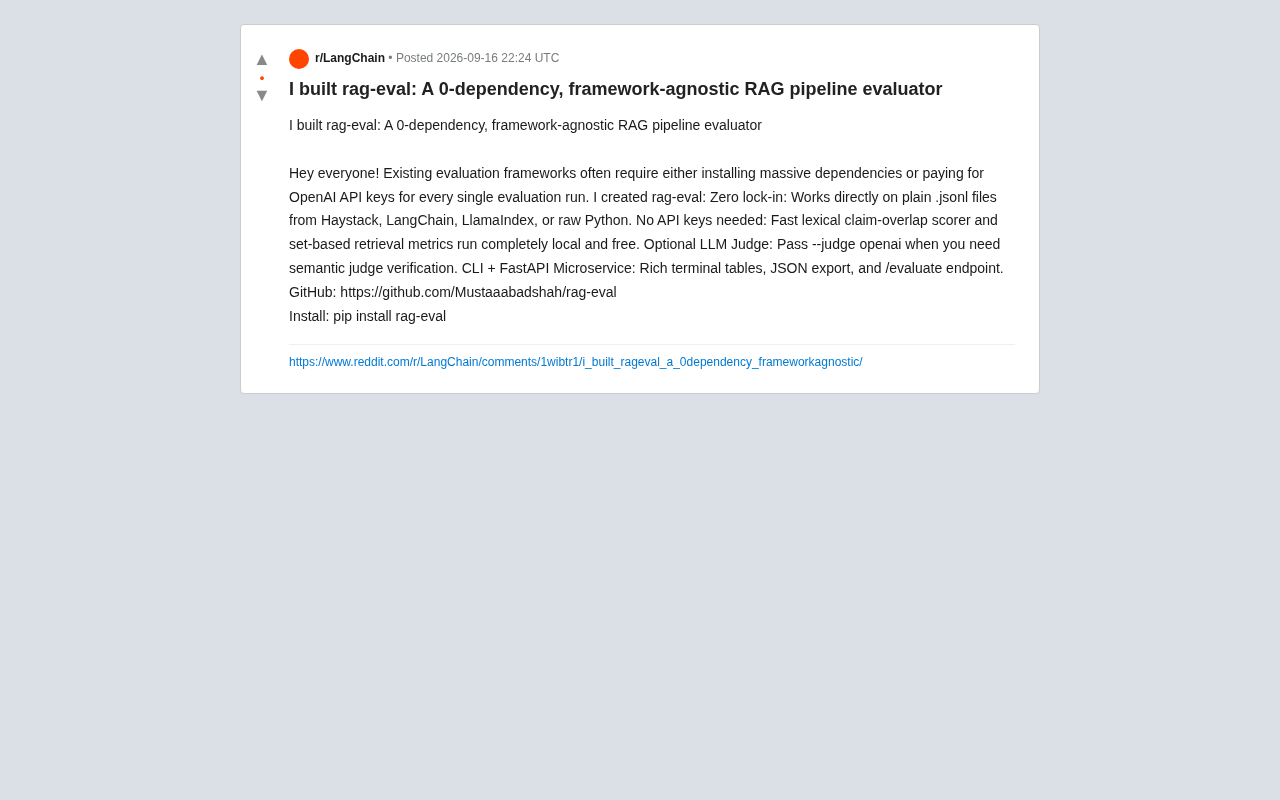
rag-eval: A Zero-Dependency, No-API-Key RAG Evaluation Tool
rag-eval is a zero-dependency, framework-agnostic open-source RAG pipeline evaluation tool. It supports free local lexical and retrieval metrics with no API keys required, and offers optional LLM Judge for semantic validation. Compatible with Haystack, LangChain, and LlamaIndex.
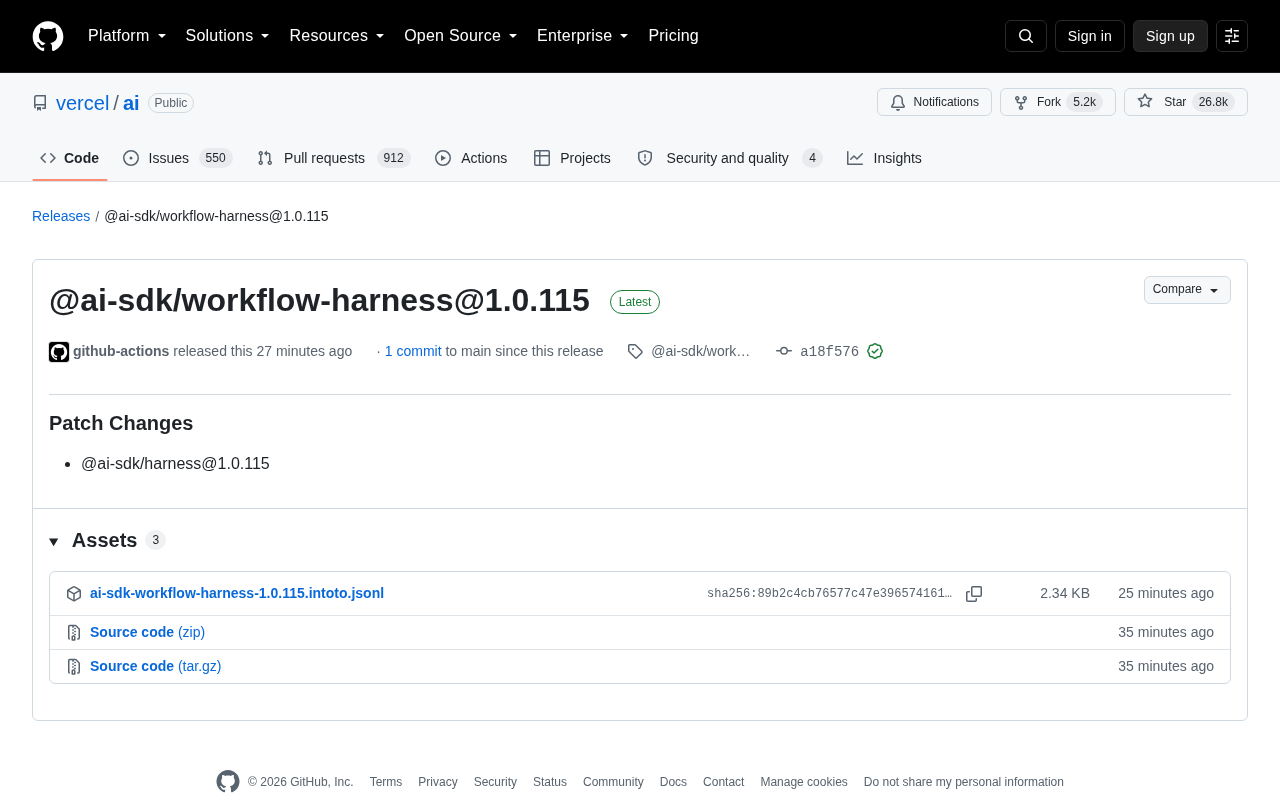
Vercel AI SDK Releases workflow-harness 1.0.115 Patch Update
Vercel AI SDK releases @ai-sdk/workflow-harness 1.0.115 patch update, syncing the @ai-sdk/harness dependency. Learn about the update, release mechanism, and what it means for developers.
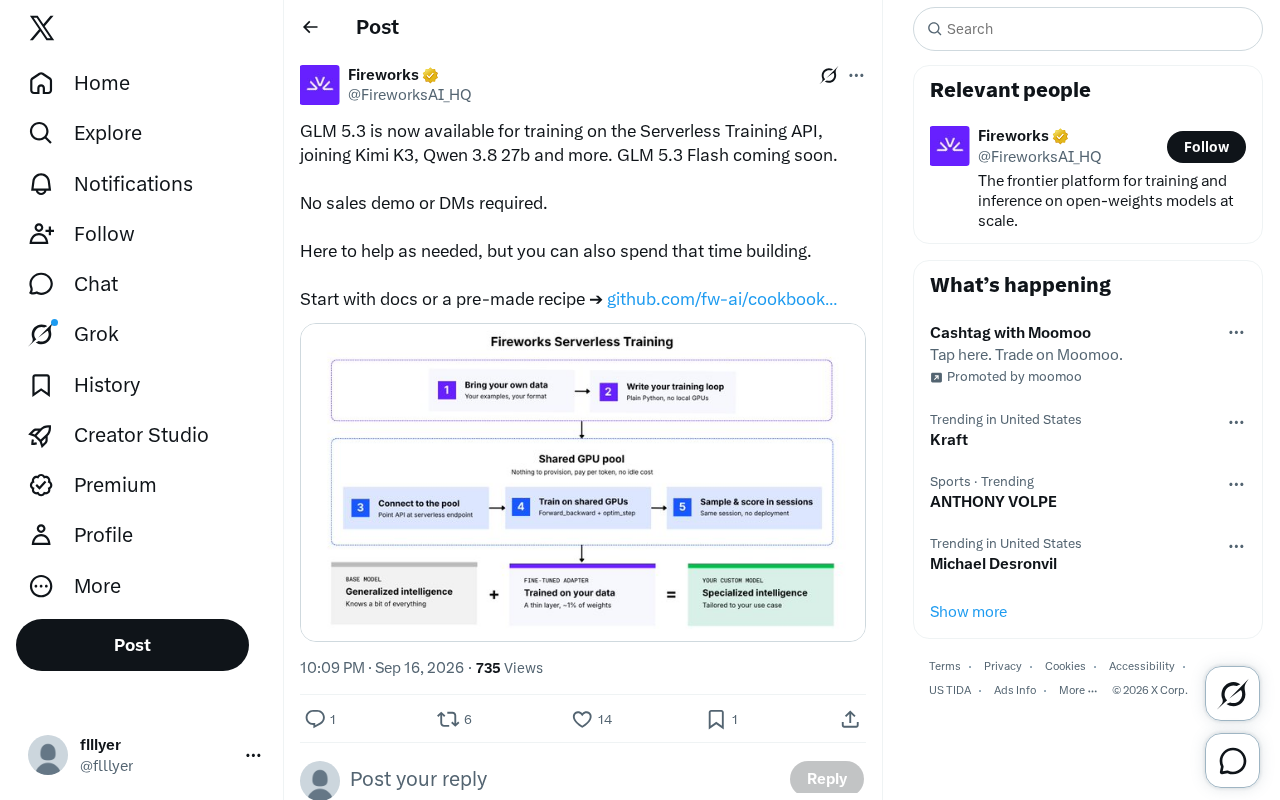
GLM 5.3 Now Available on Serverless Training API — No Sales Process Required
GLM 5.3 is now available on Serverless Training API alongside Kimi K3 and Qwen 3.8 27b. No sales process needed — start fine-tuning directly via docs or pre-made recipes.