Charging AI Agents Per Web Page: I Watched Claude Pay a Penny Per Visit
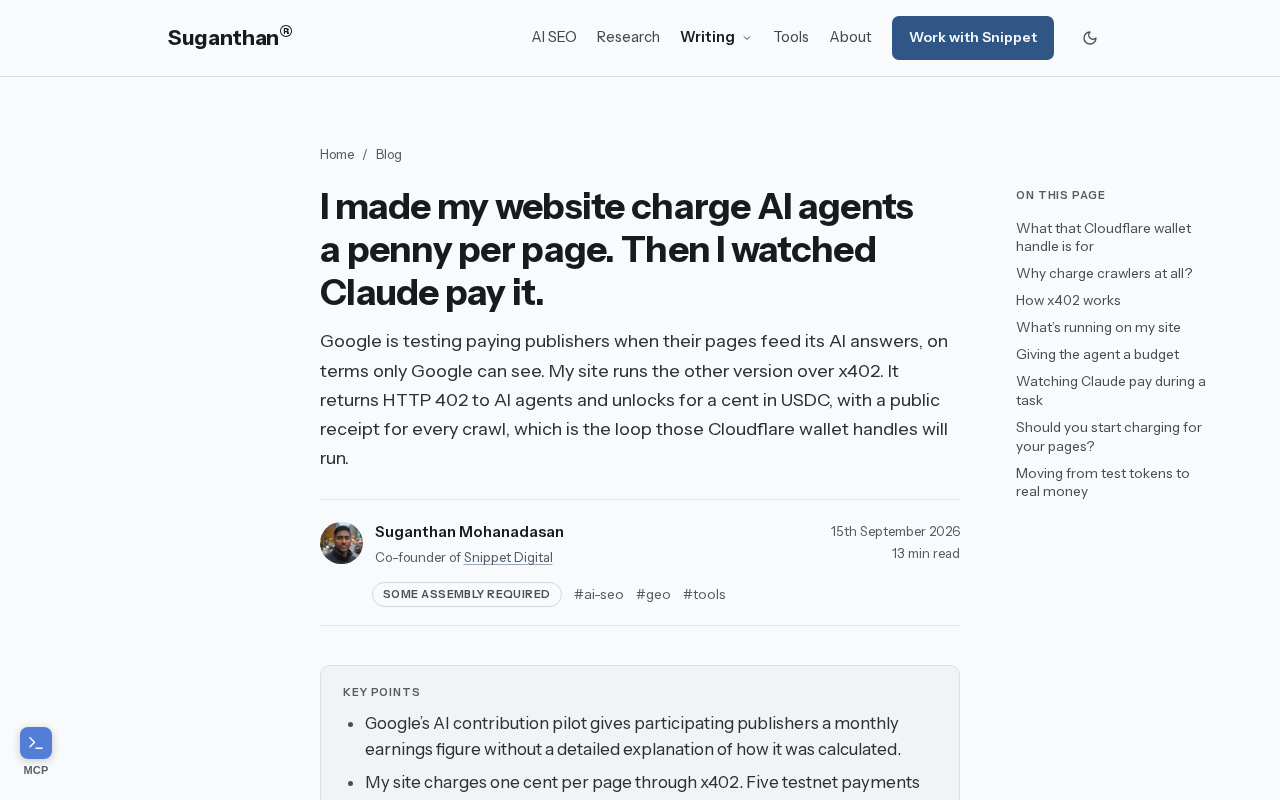
A developer charged AI agents $0.01 per page and watched Claude autonomously pay — a glimpse into the agent economy.
A developer integrated a machine-readable micropayment protocol into their website, charging AI agents one cent per page — and watched Claude complete the transaction automatically. The experiment exposes a core tension in the internet's content economy: AI agents are displacing humans as the primary consumers of content, yet generate no ad revenue for creators. Charging agents directly offers a new monetization path, while Claude's autonomous payment behavior offers a concrete glimpse of the emerging "agent economy." The model faces unresolved challenges around runaway costs, standards fragmentation, and information equity — for now, it's an early signal of a trend rather than a mature solution.
When Websites Start Charging AI Agents
As AI agents increasingly crawl and access web pages on autopilot, a new question has emerged: these agents consume a website's bandwidth and content resources while rarely generating anything in return. One developer ran a bold experiment — setting up a per-page fee of one cent for AI agents visiting their site — and watched Claude actually complete the payment.
What looks like a minor experiment actually cuts to the heart of a growing tension between the internet's content economy and AI-driven web scraping. When machines become the primary consumers of content, who should foot the bill?
How the Experiment Works
Based on what's been shared, the developer integrated a machine-readable payment protocol into their website, requiring AI agents to complete a micropayment before accessing protected pages. When an AI assistant like Claude was executing a task and scraping the page for information, it encountered this paywall — and automatically paid one cent per page, as required.
Experiments like this typically rely on emerging "agent payment" standards built around the HTTP 402 (Payment Required) status code. The 402 code has existed in the HTTP spec for decades but has long been in a "reserved for future use" limbo. In recent years, with the rise of cryptocurrency micropayments and AI agents, this dormant status code is attracting renewed attention — it could become the technical foundation for automated machine-to-machine settlements.
The concept of micropayments isn't new. Back in the 1990s, Ted Nelson and Nicholas Negroponte envisioned ultra-granular billing systems for the internet. But the economic paradox — where transaction fees exceed the payment amount itself — meant micropayments never gained traction in traditional finance. More recently, Layer 2 solutions like the Lightning Network have pushed per-transaction costs down to sub-cent levels, and the widespread adoption of stablecoins has made "a penny per page" both technically and economically viable. Claude's payment in this experiment most likely ran on a specific crypto payment rail rather than a traditional credit card network — the minimum fee structures of the latter make them completely unsuitable for micro-transactions at this scale.
Why This Matters
A New Monetization Path for Content Creators
Traditional websites depend heavily on advertising and the attention of human visitors. But AI agents don't click ads — they extract information. As more searches and queries are handled by AI on behalf of humans, ad impressions and click-through rates inevitably decline, severing the income chain for creators.
Charging AI agents directly offers a new monetization approach that bypasses advertising entirely: if machines are consuming your content, charge them for each consumption. This "pay-per-access" model could theoretically let content value be monetized directly, without relying on an intermediary ad ecosystem.
Early institutional explorers of this logic include companies like Cloudflare and Tollbit. Cloudflare launched traffic management tools targeting AI crawlers in 2024 and began testing commercial arrangements that let websites grant bulk content access licenses to AI companies. Tollbit goes further, offering websites a "machine-readable paid access layer" that requires AI crawlers to settle payments via API before scraping. Meanwhile, copyright lawsuits from publishers like The New York Times against OpenAI are pushing content owners to seek direct bargaining power through legal channels. Individual developers building their own paywalls follow the same logic as these institutional efforts — they just implement it more lightly.
AI Agents Can Now Pay Autonomously
The most fascinating aspect of this experiment is that Claude completed the payment autonomously. This means AI agents are no longer just passive information readers — they're beginning to act as participants with a degree of economic agency. They can recognize a payment requirement, assess whether it's worth paying, and execute the transaction.
This sketches out the early shape of an "agent economy" — a future where AI systems carry their own wallets and budgets, conducting small transactions autonomously in the course of completing tasks: purchasing data, calling APIs, accessing paywalled content.
At a technical level, an AI agent's ability to "pay autonomously" relies on tool-use (function calling) mechanisms. Modern large language models can be given the ability to call external APIs, and a payment action is essentially the agent deciding mid-reasoning that it needs the content of a given page, then calling a payment tool pre-configured by the host application. The decision chain is similar to a person using online banking, but requires no human intervention at any step. Anthropic, OpenAI, and others are advancing "computer use" capabilities and broader agent frameworks that let models operate browsers, read and write files, and initiate network requests — payment capability is a natural extension of this trend. It's worth noting that an AI agent's payment behavior is still constrained by the permission sandbox of the host application. The model itself doesn't "hold" assets; the actual custody of funds and authorization logic is implemented by developers at the outer layer.
Potential Problems and Controversies
As exciting as this experiment is, it also raises several concerns worth taking seriously.
The first is the risk of runaway costs. If AI agents can make payments automatically without strict budget constraints, a complex task could trigger hundreds or thousands of page visits, with fees accumulating rapidly. Do users know their AI assistant is spending money on their behalf? Who is ultimately responsible for those charges?
The second concern is fragmentation of standards. There is currently no widely adopted unified protocol for agent payments, and various parties may roll out incompatible solutions. Without standards, the entire ecosystem will struggle to scale, and both websites and AI providers will face significant integration overhead.
The third issue touches on fairness in information access. If quality content is locked behind paywalls that only well-funded AI agents can afford, this could deepen inequality in information access — and create real tension with the spirit of an open internet.
A Signal, Not an Answer
The experiment's sample size is tiny and it generated limited discussion, but it functions like a flare — briefly illuminating a problem that's closing in fast: AI agents are becoming one of the internet's primary "inhabitants," and the existing content economy has no rules in place for them.
Whether the winning model turns out to be HTTP 402 micropayments, subscription-based licensing, or something we haven't seen yet, the core idea of "machines paying for content" seems likely to evolve from a geek experiment into part of the internet's basic infrastructure. For content creators, AI companies, and ordinary users alike, understanding and participating in this reshaping of the rules may be more urgent than it appears.
A note on sourcing: this article is based on a brief experimental write-up. Full technical implementation details and complete experimental data are limited, and the conclusions here are more about extrapolating trends than stating settled facts.
Related articles
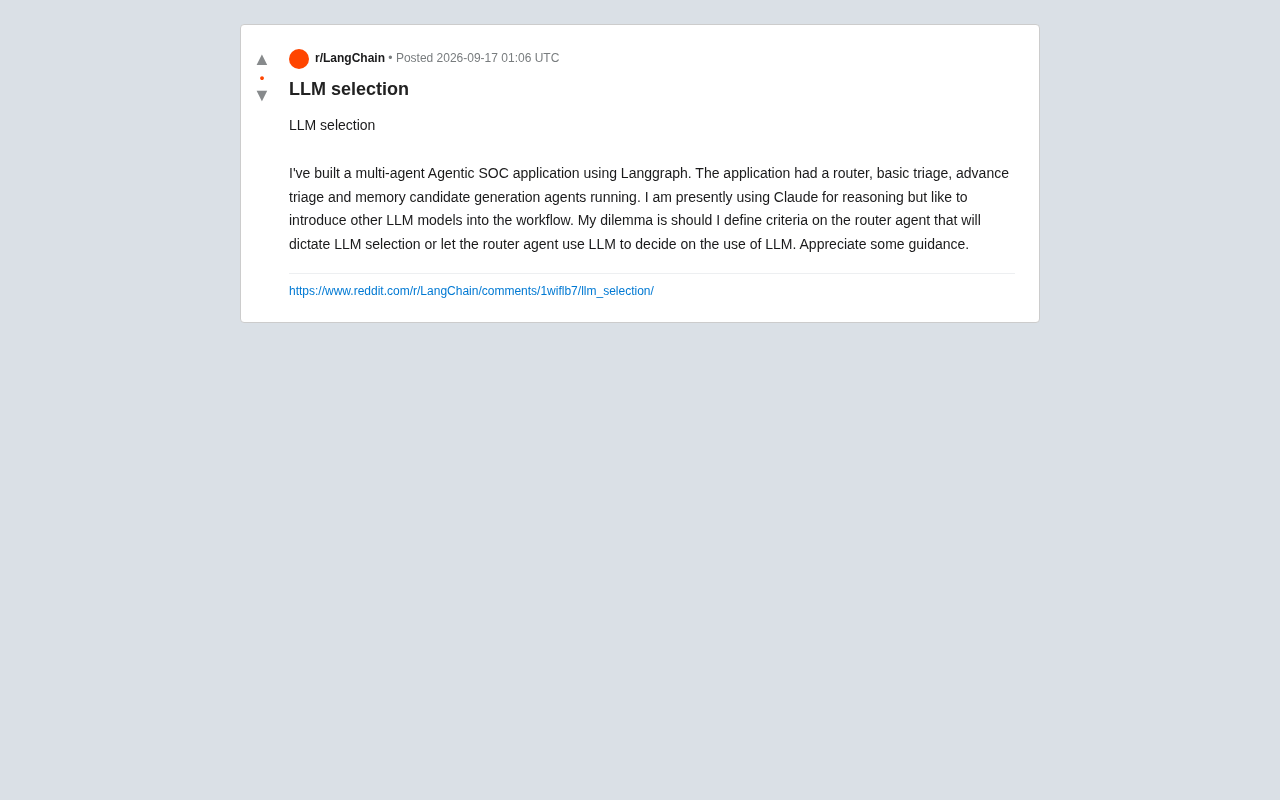
LLM Selection Strategy for Multi-Agent SOC Applications: Rule-Based Routing vs. LLM-Driven Decisions
Should multi-agent SOC apps on LangGraph use rule-based routing or LLM-driven model selection? This article analyzes both approaches and recommends a hybrid strategy for security operations.
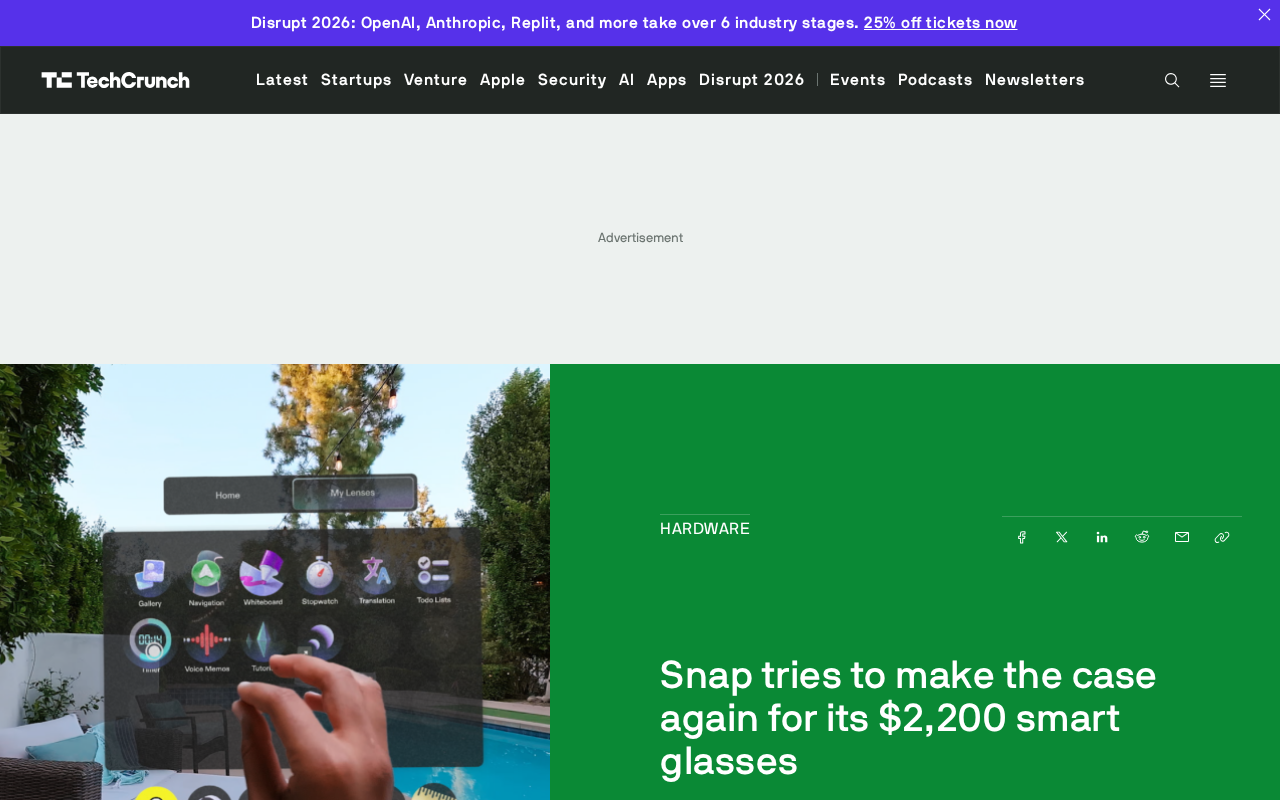
Snap Pushes Its $2,200 Smart Glasses Again — Can It Convince the Market?
Snap launched new features for its $2,200 smart glasses, doubling down on AR. We break down the pricing dilemma, its rivalry with Meta Ray-Ban, and what it means for the AR glasses race.
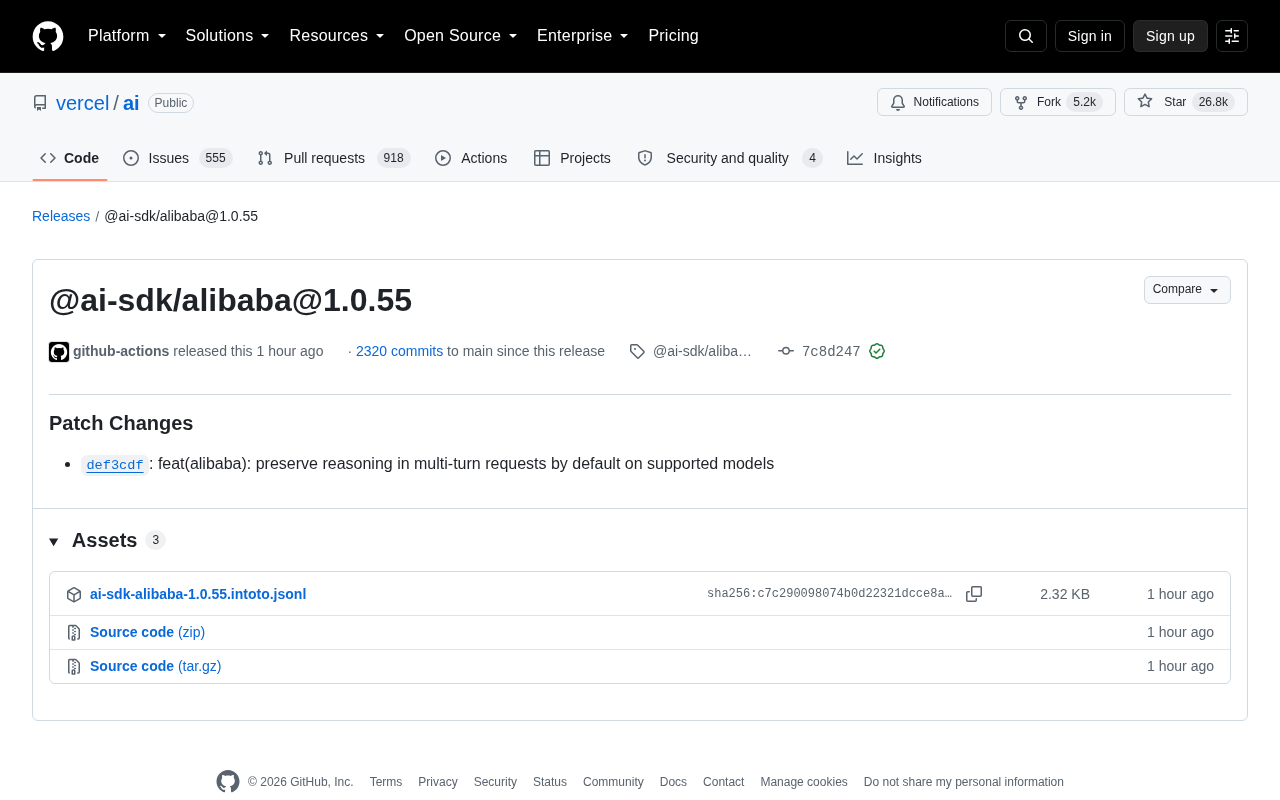
Vercel AI SDK Update: Multi-Turn Reasoning Preservation for Alibaba Models
Vercel AI SDK releases @ai-sdk/alibaba@1.0.55, enabling reasoning preservation by default in multi-turn requests for supported Alibaba models like Qwen.