ChatGPT Saved Me $1,800: The Real-World Value of AI in Everyday Life
A car owner used ChatGPT's goodwill warranty advice to save $1,800 on repairs in just 10 minutes.
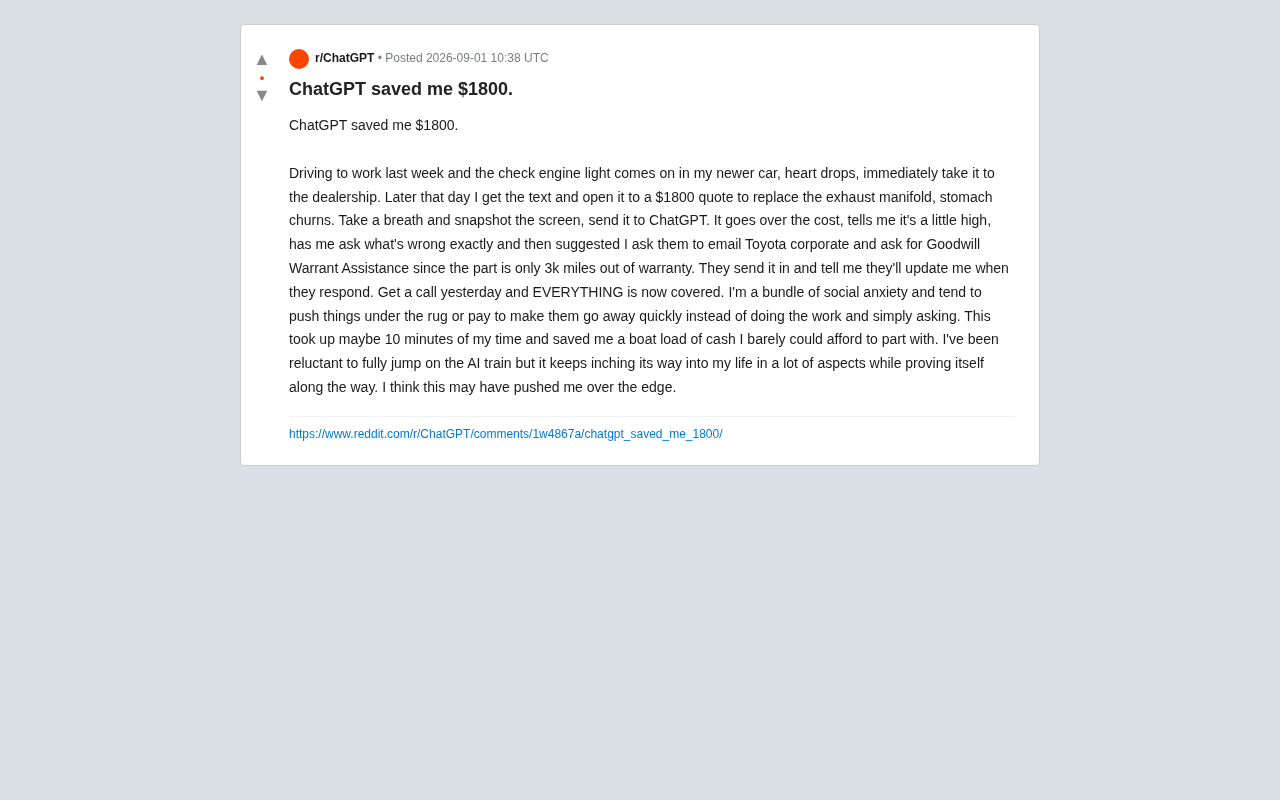
A Reddit user shared how ChatGPT helped him save $1,800 on car repairs by suggesting he request a "Goodwill Warranty Assistance" from Toyota — a little-known policy most consumers never hear about. The story highlights AI's real-world value: bridging information gaps, providing actionable strategies, and empowering people with social anxiety to advocate for themselves. It illustrates how AI wins trust not through flashy demos but through small, genuinely useful everyday moments.
An Unexpected Money-Saving Experience
Recently, a Reddit user shared a remarkably impressive personal story: ChatGPT helped him save $1,800 on car repairs. This wasn't some complex technical demo or a carefully crafted marketing case study — it was a real story of an ordinary person facing an everyday dilemma and finding a solution with the help of AI.
Technical Background on ChatGPT
ChatGPT is a large language model application launched by OpenAI in November 2022, built on the GPT (Generative Pre-trained Transformer) architecture. By pre-training on massive amounts of text data, it has learned patterns, knowledge, and reasoning capabilities inherent in human language. Unlike traditional search engines, ChatGPT can understand context, engage in multi-turn conversations, and generate personalized responses based on user needs. Its core advantage lies in presenting expert knowledge in a conversational format, lowering the barrier for ordinary people to access professional advice. As of 2024, ChatGPT has evolved to the GPT-4 series, with significant improvements in logical reasoning, problem decomposition, and practical advice generation — transforming it from a simple information retrieval tool into an AI assistant capable of providing decision support.
The situation started out typically enough. This car owner was driving to work when the "Check Engine" warning light suddenly came on. For any driver, that's a stomach-dropping moment. He immediately took the car to the dealership for inspection, and that afternoon received a text with the quote — replacing the exhaust manifold, at a cost of $1,800.
Exhaust Manifold Failure and Repair Cost Breakdown
The exhaust manifold is a critical component of the engine's exhaust system, responsible for collecting exhaust gases from each cylinder and channeling them into the exhaust pipe. Due to prolonged exposure to high temperatures and pressure, exhaust manifolds are prone to cracking or gasket deterioration. Exhaust manifold issues are fairly common in certain model years of Japanese cars like Toyota, and have even triggered batch complaints. The $1,800 quote typically includes parts ($400–$800), labor ($600–$1,000), and the dealership's profit margin. Notably, the same repair at an independent shop might cost only $1,000–$1,200, and if you buy the parts yourself and have a mechanic install them, costs could drop to $600–$800. This price disparity is yet another manifestation of information asymmetry, and it explains why AI's advice to "shop around" is so valuable.
For someone already tight on money, that amount was a heavy burden. But instead of paying immediately, he did something increasingly common these days: he took a screenshot and sent it to ChatGPT.
ChatGPT Doesn't Just Answer Questions — It Provides Action Strategies
What truly makes this story valuable isn't that ChatGPT simply told him "that price is too high" — it's that it provided a fully actionable strategy.
Key Steps: From Information Analysis to Concrete Action
According to the user's account, ChatGPT's involvement worked on several levels:
- Cost Assessment: First, it analyzed the repair quote, noting that $1,800 was "slightly high," helping him establish a baseline for judgment.
- Guided Follow-Up: It suggested he ask the dealership to clarify "what exactly the problem is," preventing him from being led along by a vague quote.
- Providing a Key Leverage Point: This was the most critical step. Because the failed part was only 3,000 miles past the warranty period, ChatGPT recommended he ask the dealership to email Toyota's corporate headquarters to request "Goodwill Warranty Assistance."
The result was a pleasant surprise. The dealership submitted the request, and the next day the owner got a call — all repair costs were fully covered. The entire process took him roughly 10 minutes.
The Information Gap Behind "Goodwill Warranty"
You may not have noticed, but "Goodwill Warranty Assistance" isn't a widely known concept. Car warranties generally fall into two categories: Basic Warranty and Powertrain Warranty. Basic warranties typically cover 3 years/36,000 miles, while powertrain warranties may extend to 5 years/60,000 miles. However, what many consumers don't know is that major auto manufacturers maintain "Goodwill Warranty" or "Out-of-Warranty Assistance" policies. These are cost-reduction mechanisms that manufacturers offer to protect brand reputation when the warranty has just expired or under special circumstances. But these policies are usually not publicly advertised — consumers or dealerships must proactively apply to the manufacturer's headquarters. This information asymmetry means countless car owners who could have received assistance end up paying full price, while dealerships have little financial incentive to inform them.
Many car owners simply don't know that when a vehicle develops issues shortly after the warranty expires, manufacturers often have discretionary policies to reduce or waive costs. This is one of AI's key practical values: it bridges the information gap between ordinary people and specialized domains.
For dealerships, this kind of information typically isn't volunteered to customers. For consumers, without knowing the right "keywords" and application pathways, they can only passively accept the quoted price. In this scenario, ChatGPT played the role of a knowledgeable advisor who's genuinely on your side.
AI's Hidden Value: Helping Introverts Cross Psychological Barriers
There's another dimension to this story that's easy to overlook but extremely important — psychological empowerment.
The user admitted that he's someone with social anxiety who habitually "sweeps problems under the rug" or simply pays up to avoid hassle, rather than engaging in the communication and advocacy required to fight for a better outcome.
"This took me about 10 minutes and saved me a huge sum of money that I could barely afford."
For many introverted people or those who lack negotiation confidence, proactively "bargaining" with institutions or "fighting for their rights" is psychologically daunting. What AI provides here isn't just knowledge — it's the confidence to take action. It breaks down a vague, anxiety-inducing situation into clear, executable steps, giving people the assurance they need to take that first step.
This may be the most subtle yet profound way AI is integrating into daily life: it lowers the "activation cost" for ordinary people dealing with complex matters. This "Cognitive Offloading" effect is particularly valuable for people who need to handle problems in complex, unfamiliar domains. AI assistance can improve decision quality while reducing psychological burden, making previously intimidating tasks feel achievable.
From Skepticism to Conviction: How Ordinary People's Attitudes Toward AI Are Shifting
This user's attitude shift is equally noteworthy. He described himself as someone who had always been reserved about the "AI hype" and unwilling to buy in completely. But AI kept "finding its way" into various aspects of his life, proving its value along the way.
"It keeps seeping into every aspect of my life and proving itself over and over. I think this might have completely changed my mind."
This quote perfectly captures the real pathway of AI adoption today: not through jaw-dropping technical demos, but through specific, small, yet genuinely useful scenarios that gradually earn ordinary users' trust.
What to Keep in Mind When Using ChatGPT to Save Money
Of course, this story also reminds us to stay level-headed:
Verification Mechanisms for AI Advice
-
AI advice needs verification: The "Goodwill Warranty" strategy ChatGPT suggested does exist and works, but large language models (LLMs) have two key limitations: knowledge cutoff dates and the "hallucination" phenomenon. LLM knowledge comes from training data, which may be outdated or incomplete regarding the latest policies or real-time information. More importantly, LLMs sometimes generate information that sounds plausible but is actually incorrect. Therefore, when using AI advice, follow the "trust but verify" principle: use AI as a research starting point, confirm key information through official channels, and verify feasibility before taking action. With the adoption of technologies like Retrieval-Augmented Generation (RAG), next-generation AI systems are addressing this issue through real-time web searches and source citations.
-
AI amplifies information access but cannot replace judgment: It democratizes expert knowledge, giving ordinary people access to advice that previously required professional consultants. AI's role in decision support is evolving from "tool" to "collaborative partner." The ideal human-AI collaboration model is: AI handles information synthesis and solution generation, while humans handle value judgments and final decisions — the two forming a complementary rather than substitutive relationship.
-
Context-specific value far exceeds general capabilities: Compared to grand AGI narratives, concrete applications like "helping you save $1,800" are what truly bring AI into households everywhere.
Conclusion
The $1,800 story resonates not because of the dollar amount itself, but because it showcases ChatGPT in its mature form as an "everyday life assistant": knowledgeable, strategic, capable of delivering actionable advice, and even providing psychological support.
As more and more ordinary people instinctively "screenshot and send to ChatGPT" when problems arise, AI's value is no longer confined to tech-circle discussions — it's tangibly reflected in every dollar saved and every psychological barrier overcome. This, perhaps, is how AI is truly changing the world.
Related articles

OpenAI Launches ChatGPT Images 2.5: A New Breakthrough in AI Image Generation
OpenAI launches ChatGPT Images 2.5, supporting sketch, reference image, and text multimodal input, significantly enhancing personalized image generation and refinement.
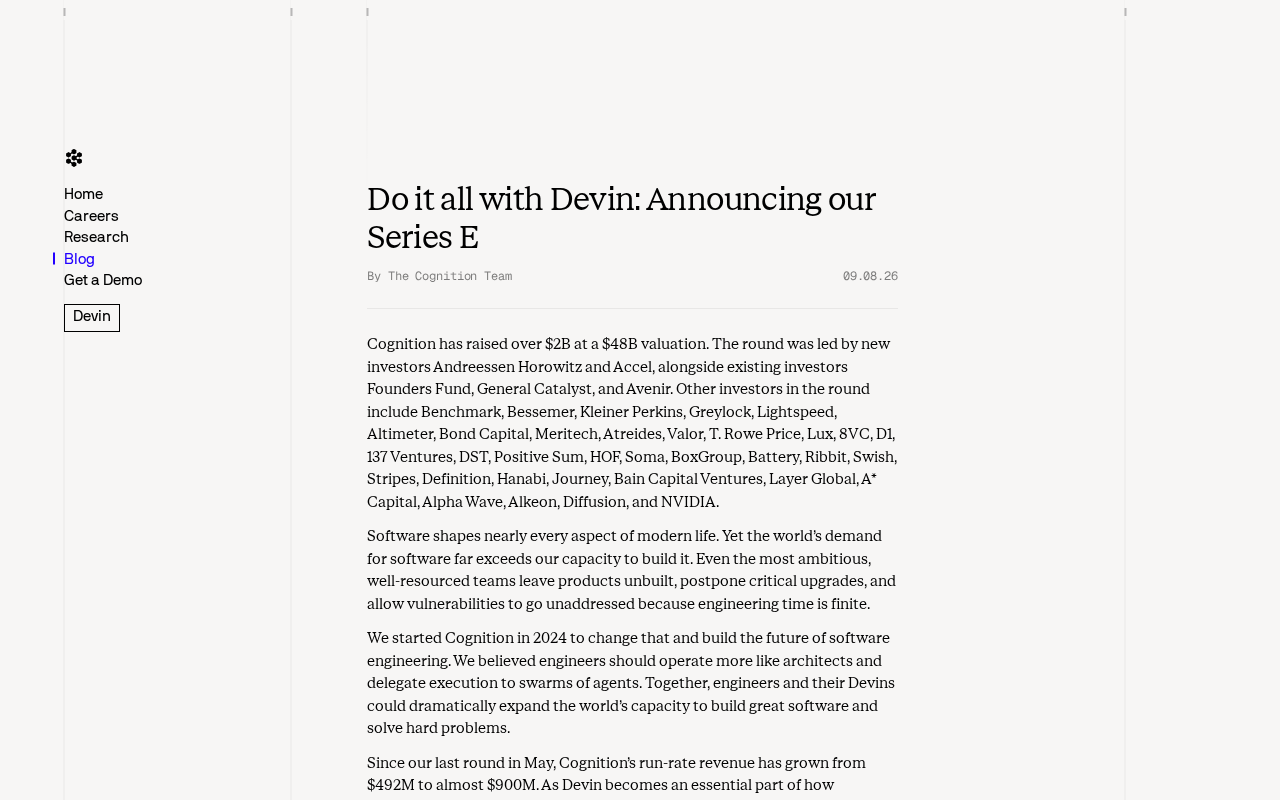
Devin's Parent Company Cognition Raises $2B, Valuation Soars to $48B
Cognition closes $2B funding round at $48B valuation, joining the ranks of highest-valued AI startups. Deep dive into Devin's technical positioning, capital logic, and competitive landscape.
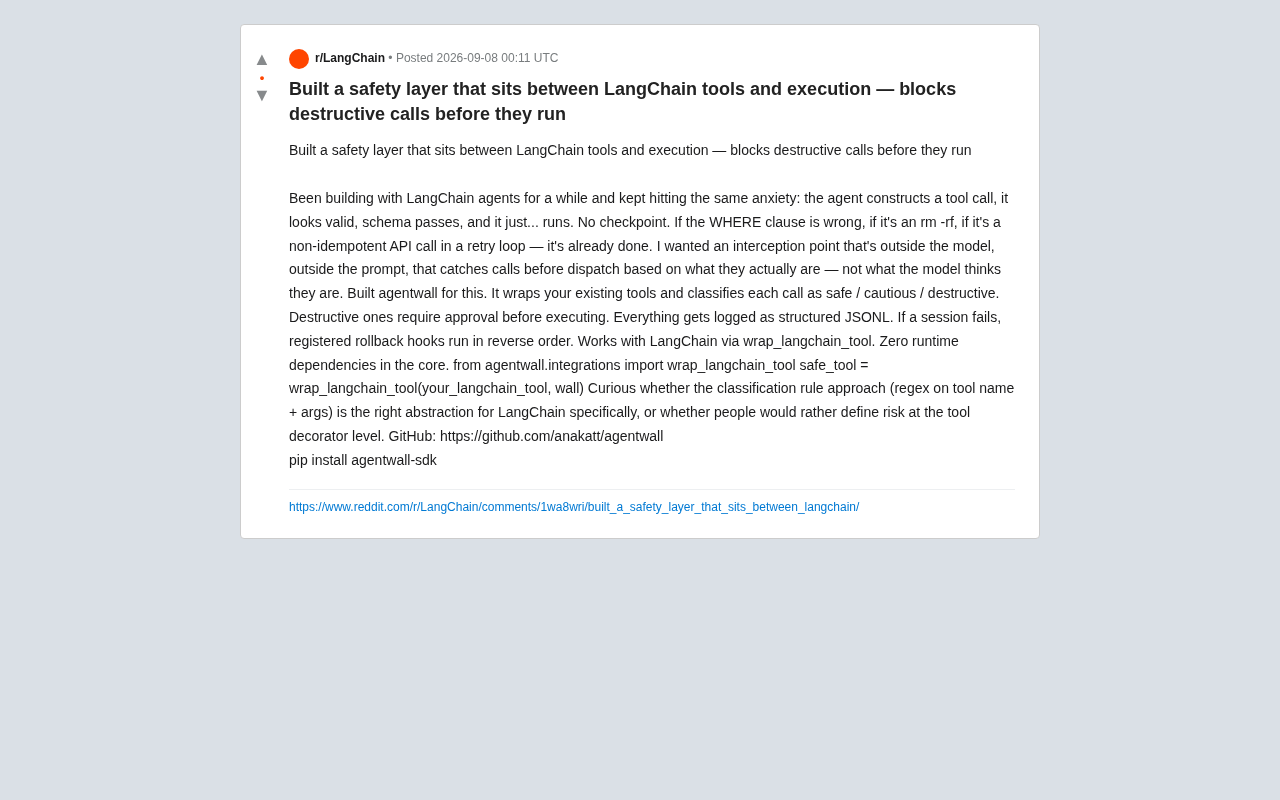
AgentWall: A Security Interception Solution for LangChain Tool Calls
AgentWall provides pre-execution security interception for LangChain Agents through three-tier risk classification, human approval, and rollback hooks, addressing architectural risks of unchecked autonomous tool execution.