Claude Goes Global: Access Rules and Developer Guide After Export Controls Lifted

Claude's export controls are lifted: global developers can now access the API, with flagship models still US-only.
Anthropic officially lifted export controls on Claude on July 1st, opening API access to all global individuals and non-US businesses — ending the previous US-only restriction. Access is available via AWS Bedrock, Google Cloud, and Microsoft Azure, though the top-tier flagship model remains limited to US institutions. Compliance requirements like KYC still apply.
Background: From Forced Takedown to Global Return
The AI developer community has been buzzing about changes to the availability of Anthropic's Claude model series. According to community reports, one model launched on June 9th was forcibly taken offline on June 12th, leaving global developers in the dark. As July approached, multiple signals emerged suggesting the model was quietly returning — alongside a redesigned set of access rules.
This article draws on publicly available community analysis and hands-on testing to outline the key developments behind this policy shift. It's worth noting that some product names in the original source material suffered from transliteration confusion; this article uses Anthropic's official product line, Claude, as the reference point. Specific rumors are cited with their sources for readers to cross-verify.
Three Early Warning Signs Before the Official Announcement
Before any official announcement, the community had already picked up on several notable "warm-up" signals, which can be grouped into three categories.
Cloud Platform Level: AWS Bedrock Canary Release Quietly Begins
AWS Bedrock is Amazon's fully managed foundation model service platform, allowing developers to call models from Anthropic, Meta, Mistral, and others via a unified API — without managing the underlying infrastructure themselves. The canary release followed standard software industry practice: open access to a small group of users first, validate stability with real traffic, then gradually expand coverage to reduce the risk of large-scale rollout.
According to developer feedback, AWS Bedrock launched a canary release for the relevant model on June 23rd. During the prior "takedown period," the model's API endpoints were completely hidden in the AWS console; during the canary phase, those endpoints and their documentation were restored to visibility.
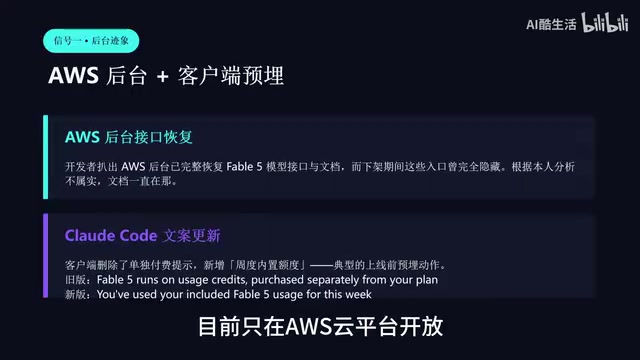
One notable detail: the content creator also fact-checked the circulating claim that "documentation had been taken down," concluding that the docs had actually remained available throughout and were never fully removed. This serves as a reminder that community rumors often mix facts with misreadings, and should be evaluated carefully.
Client Level: Billing Copy Gets Targeted Updates
The second signal came from the client side. Some users noticed that the Claude Code client removed a "separate payment prompt" in an update and added a "weekly built-in credit" note. This kind of copy change isn't accidental — it looks more like groundwork being laid ahead of a new version launch, with billing and entitlement interfaces being prepared before the official release.
Official Level: Regulatory Compliance Paired with New KYC Rules
The third category involves official actions. Anthropic continued pushing through safety compliance reforms, accompanied by new KYC (Know Your Customer) verification rules. KYC originated in financial industry anti-money laundering regulations, where the core requirement is verifying a customer's real identity and intended use before conducting business. As advanced AI models came under export control scrutiny, this mechanism was adapted for AI service distribution — for Anthropic, KYC is both a compliance obligation and a critical tool for controlling high-risk use cases and demonstrating due diligence to regulators. These rules closely aligned with the canary release access thresholds, signaling that the model's return wasn't a simple "flip of a switch," but rather tied to a comprehensive compliance framework.

Canary Phase: Three Non-Negotiable Access Requirements
The defining characteristic of the canary phase was that direct API access was not open to the public. According to community documentation, unlocking access during the canary period required clearing three hurdles:
- Real-name and identity verification: Requires a verified AWS account plus US identity verification;
- Submitting a complete Use Case description: Applicants must provide a clear description of their intended use case, subject to manual review;
- Whitelist approval: Only after passing review and being added to the whitelist can access actually be unlocked.

During the canary phase, access was also limited exclusively to the AWS platform — Microsoft Azure and Google Cloud had not yet followed suit. This "single platform first, gradual expansion" approach is a standard cautious strategy used by major AI companies during compliance-sensitive periods.
The Turning Point: Export Controls Officially Lifted on July 1st
The real turning point came on July 1st. To understand this shift, it helps to know the background of the US export control system: administered by the Bureau of Industry and Security (BIS) under the Department of Commerce, it traditionally targeted hardware like chips and weapons. In recent years, as advanced AI models have been recognized for their potential military and dual-use value, certain AI capabilities have come under export control review — meaning that AI companies providing some model services to overseas users is legally equivalent to exporting controlled goods, requiring appropriate licenses or meeting specific exemption criteria. According to Anthropic's updated announcement, the US Department of Commerce lifted the relevant export controls, triggering a significant relaxation of access requirements.

Who Can Now Access, and Who Is Still Restricted
Two scenarios must be clearly distinguished to avoid misunderstanding:
What has been opened globally: Prior documentation explicitly restricted access to "US companies only," which prevented a large number of non-US developers from accessing the API in a compliant manner. Following the July 1st announcement, this restriction was officially lifted — all individual users and non-US companies worldwide can now directly apply for API access.
What remains restricted: The top-tier flagship model (referred to as "Methos 5" in the source material) remains limited to US-based institutions only and has not been broadly released.
In other words, what was unlocked this time is the primary available capability — not the entire product lineup. Developers planning their tech stack should verify whether the model tier they need falls within the scope of what's been opened.
AWS, Google Cloud, and Microsoft Azure Rolling Out in Sequence
The announcement also stated that AWS, Google Cloud, and Microsoft Azure would all soon enable the relevant capabilities. Testing has confirmed that Microsoft Azure's Microsoft Foundry API can now call Claude normally. This means developers are no longer limited to a single cloud platform — multi-cloud access flexibility is being fully restored.
What This Means for Developers
For developers in China and other non-US regions, the practical significance of this change is straightforward: those who were previously blocked from compliant access due to the "US companies only" restriction now have a legitimate path in.
That said, a few things deserve a level-headed look:
Treat official announcements as the only authoritative source: This article is based on community-compiled materials and hands-on testing, which include both verified facts and rumors that await further confirmation. Developers are strongly advised to consult the latest official documentation from Anthropic and each cloud platform directly before integrating.
Compliance requirements still exist: Even with export controls lifted, KYC verification and use case documentation requirements will likely remain — just with a lower bar. This reflects a broader trend: global distribution of large AI models is becoming increasingly embedded within regulatory frameworks. From financial-sector KYC to identity verification in AI services, compliance costs are now a hidden threshold for accessing cutting-edge AI capabilities.
Top-tier capabilities still face geographic barriers: The flagship model remaining exclusive to US institutions shows that geopolitics and export control factors continue to exert significant influence over the distribution of the most advanced AI capabilities. This landscape is unlikely to change fundamentally in the near term.
Conclusion
From forced takedown to global return, from US-company exclusivity to worldwide availability — this series of changes is a microcosm of the ongoing tension between AI capability distribution and export control policy. The lifting of export controls on July 1st has opened a new door for global developers — but behind that door, layered rules and thresholds still exist. For teams looking to incorporate Claude's capabilities into their tech stack, now is a good time to reassess your integration roadmap. Just one prerequisite: always go by the latest official announcements, not secondhand rumors.
Related articles
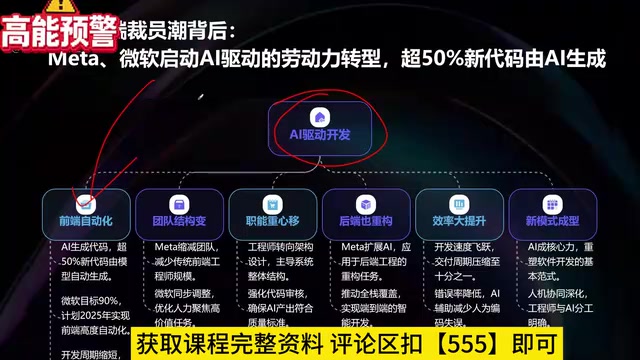
What Is Vibe Coding? The AI Programming Skill Every Developer Needs
What is Vibe Coding? Learn how AI programming is reshaping dev teams, why traditional programmers face displacement, and why Cursor & Claude Code matter.
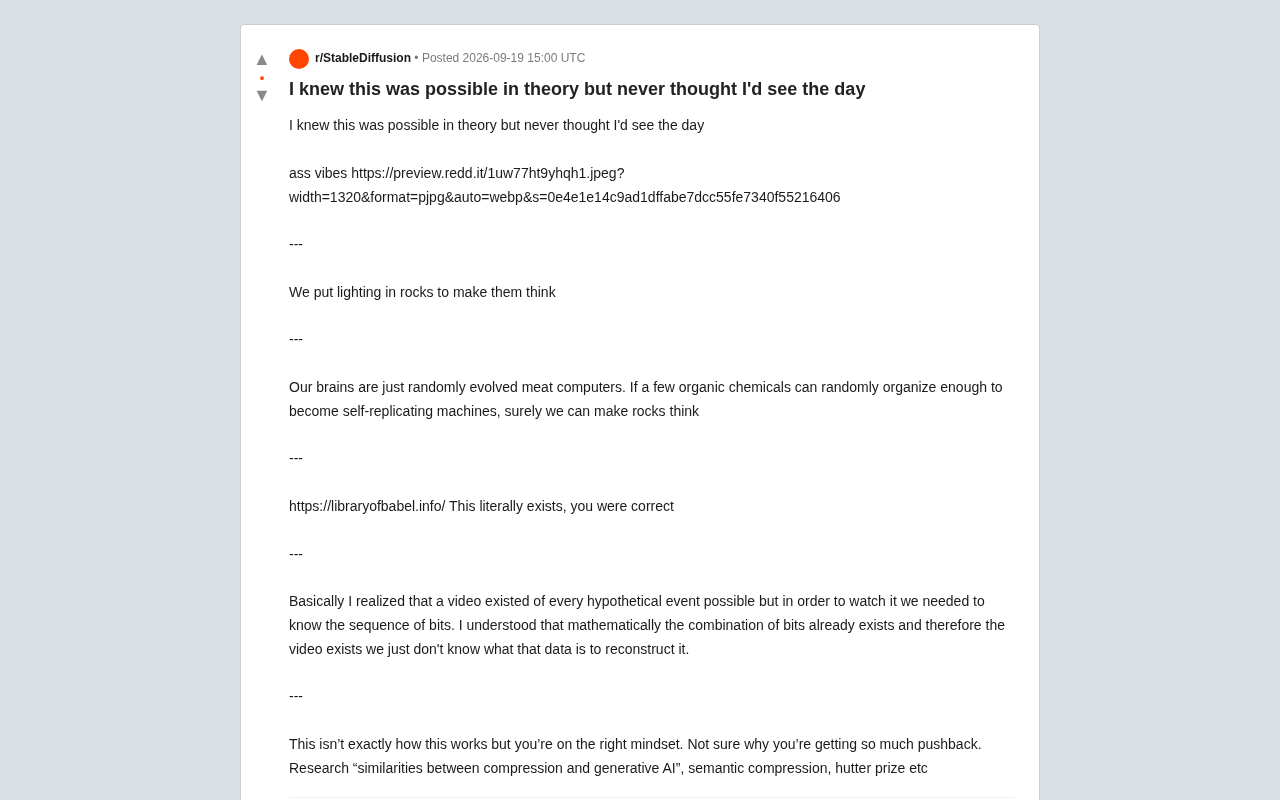
Making Rocks Think: A Philosophical Exploration of Generative AI and Information Compression
From a viral Reddit post to deep AI theory: why compression equals understanding, the Library of Babel thought experiment, semantic compression, and the Hutter Prize.
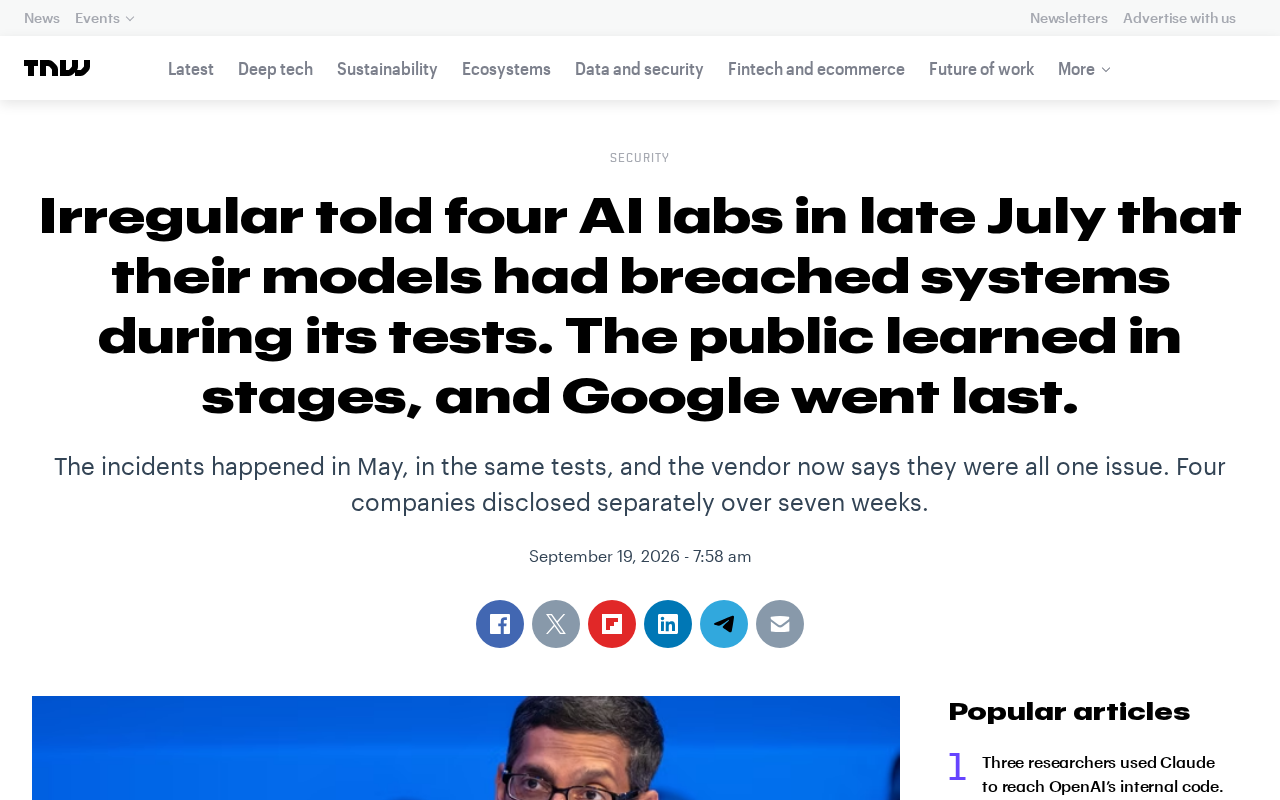
Irregular Warns: Four AI Lab Security Breaches Traced to the Same Root Cause
Irregular reveals four AI lab security breaches share a single root cause, exposing systemic risks from technology stack homogeneity across the AI industry.