Claude Meetings Launches: Turn Meeting Discussions Directly into Plans and Tasks
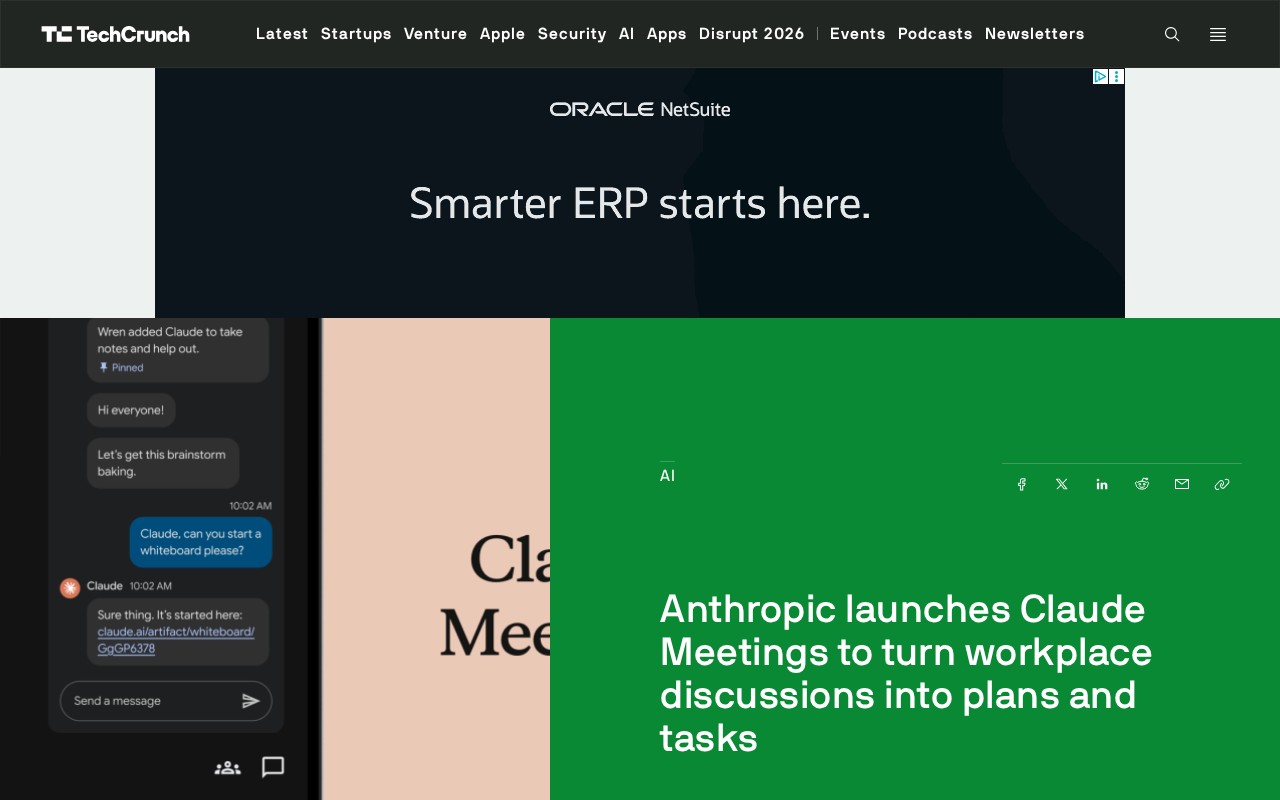
Anthropic launches Claude Meetings, letting AI produce plans and tasks in real time during meetings.
Anthropic has added a Claude Meetings feature to Claude, positioned not as post-meeting transcription and summarization but as simultaneous drafting of plans during meetings, organizing timelines on a whiteboard, instant Q&A in the meeting chat, and calling connected work apps to retrieve historical information. The article notes that this design shifts the competitive point from recording accuracy to task conversion rate, changing the end-of-meeting deliverable from a document to an actionable task structure. However, details such as which apps are supported and the permission and retention policies have not been disclosed, and actual performance depends on Claude's ability to judge consensus, pending items, and assignments.
Anthropic has added a new work-scenario entry point to Claude: Claude Meetings. The positioning of this feature is clear — no longer letting meetings become information black holes, but instead letting AI convert spoken content directly into executable plans and tasks while the discussion is still underway.
Real-time output during meetings, not after-the-fact notes
According to the official description, Claude Meetings covers multiple stages during a meeting. As participants converse, Claude can simultaneously draft the plan being discussed, organize timelines on a whiteboard, answer questions in the meeting chat, and call connected work apps to retrieve information — the example given in the original text is pulling up "last year's data."
This design differs in approach from common "post-meeting transcription + summary" tools. Transcription products solve the recording problem, whereas Claude Meetings attempts to structure conclusions before the discussion has even ended, making the meeting itself the process of producing plans.
Whiteboard timelines and meeting chat
Whiteboard timelines mean Claude isn't just taking text notes — it also visualizes the sequence and node arrangements from the discussion. Instant Q&A in the meeting chat lets participants avoid interrupting the discussion to look up materials. Together, these two capabilities point toward a collaborative experience where you can "look things up and draw things out at any time during the meeting."
The core difference between meeting transcription and real-time structured output lies in processing timing and output form. Transcription tools convert speech to text after the meeting ends or in a streaming fashion, with their value concentrated in traceable records; real-time structuring requires continuously judging the content type during the conversation — whether it's a decision, a to-do, or something still under discussion — and instantly organizing it into a plan or timeline. The latter places higher demands on the model's contextual understanding, incremental update capabilities, and tolerance for misjudgment, and relies more heavily on write-back interfaces with team collaboration tools.
Connecting work apps is a key link
The original text specifically mentions that Claude can access connected work apps to retrieve information. This determines the upper limit of a meeting assistant's usefulness: if the AI can only hear what's said in the meeting, the plans it produces lack historical context; if it can read internal enterprise data, the assumptions and references in the discussion have a basis.
The "last year's data" mentioned in the original text is a typical scenario — someone in the meeting needs to cite historical figures to support a decision, and Claude can retrieve them directly from connected apps rather than having participants scramble to find them on the spot.
"Connected work apps" typically refers to granting an AI assistant read-only or read-write access to existing enterprise SaaS tools — such as cloud drives, project management, CRM, and data warehouses — through OAuth or enterprise-grade integration authorization. Such connections provide two types of value for a meeting assistant: first, historical context retrieval (e.g., citing past data and prior decisions), and second, automatic write-back after or during the meeting (e.g., creating tasks, updating project status). Implementation involves permission scope control, data residency, and audit logs, which are core evaluation criteria for enterprise procurement.
The path from meeting to task
The "plans and tasks" in the feature name is worth noting. Claude Meetings' goal isn't to stop at meeting minutes, but to convert discussion content into plans and then further down to the task level. For teams, this means the deliverable at the end of a meeting may no longer be a document, but a task structure with a timeline that can be directly pushed forward.
The smoothness of this path depends on Claude's ability to judge discussion content: which items are consensus decisions, which remain pending, and which are clear assignments. The original text doesn't disclose how these details are implemented, and actual performance remains to be seen.
Market position and open questions
The meeting AI space already has many players, most entering from transcription and summarization. Anthropic's choice to enter from "real-time plan output" shifts the competitive point from recording accuracy to task conversion rate. This positioning is closer to the value range of project management tools, and also means Claude Meetings needs to integrate with teams' existing collaboration workflows.
Currently public information is limited: which work apps are supported, in what form whiteboard timelines are presented, and what the permission and retention policies for meeting content are — none of these are explained in the original text. These will directly affect enterprise users' willingness to adopt.
For teams already using Claude, this feature advances the AI assistant from "Q&A outside meetings" to "collaboration during meetings" — a substantive expansion of use scenarios.
One-line Summary
Anthropic launches Claude Meetings, letting AI produce plans and tasks in real time during meetings.
Paragraph Summary
Anthropic has added a Claude Meetings feature to Claude, positioned not as post-meeting transcription and summarization but as simultaneous drafting of plans during meetings, organizing timelines on a whiteboard, instant Q&A in the meeting chat, and calling connected work apps to retrieve historical information. The article notes that this design shifts the competitive point from recording accuracy to task conversion rate, changing the end-of-meeting deliverable from a document to an actionable task structure. However, details such as which apps are supported and the permission and retention policies have not been disclosed, and actual performance depends on Claude's ability to judge consensus, pending items, and assignments.
Related articles
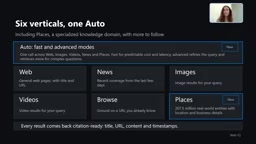
Microsoft WebIQ: Verifiable Real-Time Web Grounding for AI Agents
Microsoft WebIQ gives AI Agents real-time, citable web grounding across web, news, images, videos, and Places—164ms P95 latency, 50% fewer tokens, Scopes source control, and MCP integration.
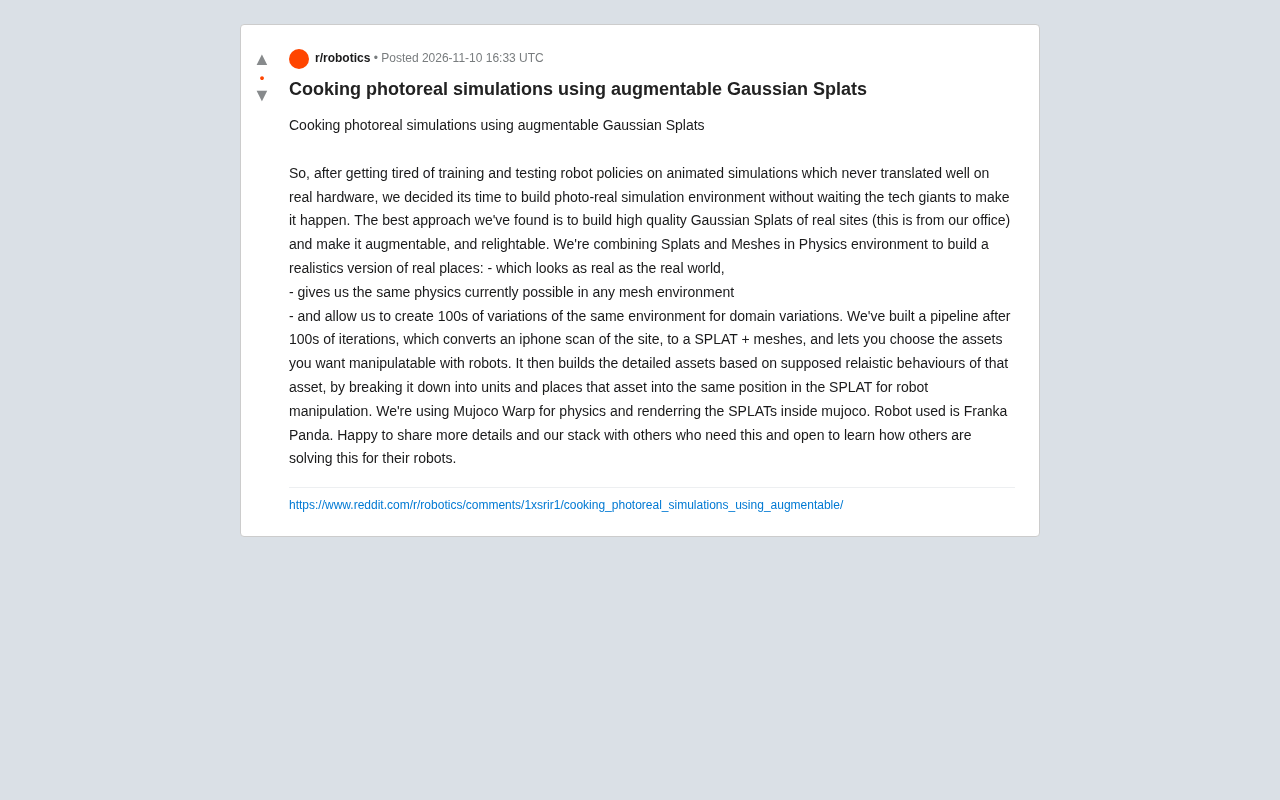
Augmentable Gaussian Splatting: Building Photorealistic Simulation Environments for Robot Training
Team combines Gaussian Splatting with meshes to build photorealistic robot simulation environments, integrating MuJoCo Warp physics and Franka Panda for augmentable, relightable real-site simulation.
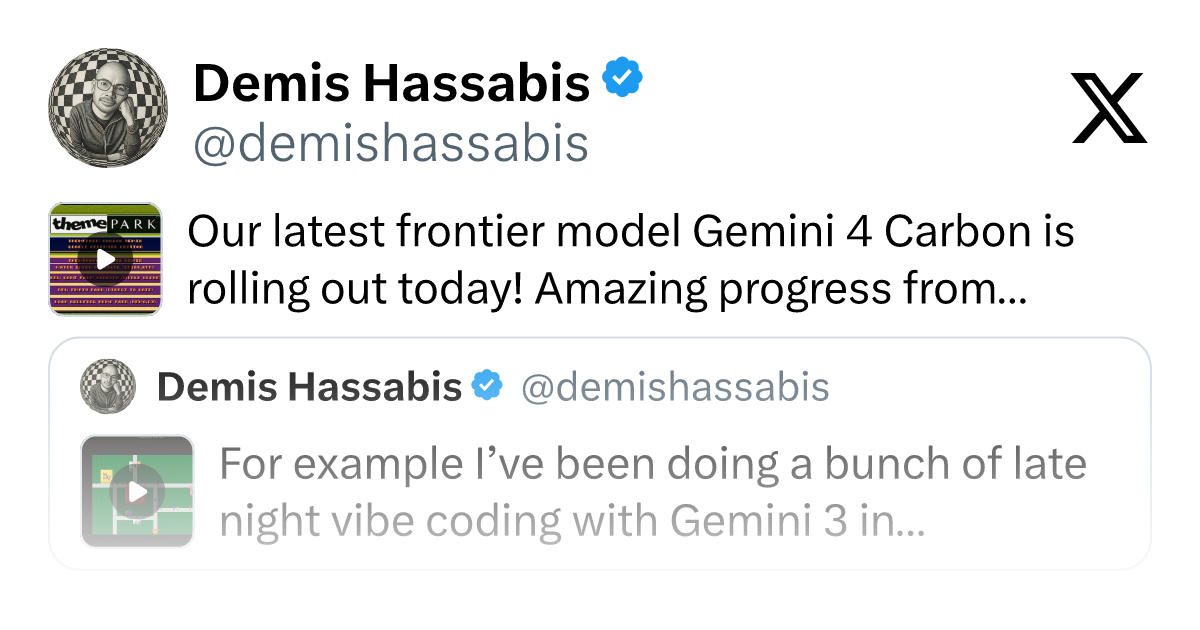
Gemini 4 Carbon Released: The Leap from Gemini 3 to Gemini 4 in Under a Year
Google releases Gemini 4 Carbon, less than a year after Gemini 3. In the official demo, Carbon reverse-engineered the Theme Park binary, added a new DeepMind-themed ride, and ported it to the web in one shot.