Complete Guide to AI Agent Development: From Zero to Enterprise Applications
A complete guide from beginner to enterprise AI Agent development with actionable learning paths
This comprehensive guide helps traditional engineering professionals transition to AI Agent development. It covers five criteria for selecting quality courses, emphasizes complete technical pipelines from requirements to deployment, and provides practical advice for building resume-worthy enterprise projects using Function Calling, RAG, and production-grade engineering practices.
Why AI Agent Development Has Become a Critical Path for Technical Transformation
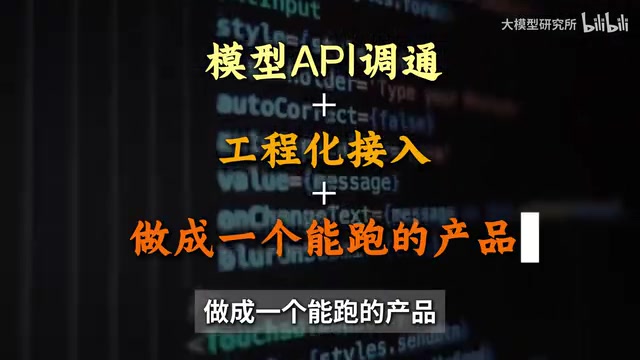
When traditional engineering graduates face employment challenges, AI Agent development is emerging as a viable transformation path. A developer with a mechanical engineering background successfully landed a large language model position with a 30K monthly salary through systematic AI Agent development training. This case reveals a key fact: Many seemingly advanced AI applications are essentially about integrating model APIs and turning them into deliverable products through engineering practices.
For those with engineering backgrounds, logical decomposition, and process delivery capabilities, the barrier to AI Agent development is not the technology itself, but rather the lack of a systematic development methodology. However, course quality in the market varies widely—many people learn numerous concepts (Prompt, RAG, Function Calling) but cannot produce deployable projects.
How to Select High-Quality AI Agent Development Courses: Five Core Criteria
1. Complete Technical Delivery Pipeline
Quality AI Agent development courses must cover the entire process from requirement analysis to production deployment, not just stop at Prompt writing. The core technical pipeline should include:
- Requirement Decomposition and Model Selection: How to map business requirements to technical solutions
- API Calls and Tool Integration: Practical application of Function Calling and Tools invocation mechanisms
- RAG Retrieval and Memory Management: Knowledge base construction, vector database applications, context persistence
- Evaluation and Observability: Monitoring key metrics like accuracy, response time, and Token consumption
- Engineering Deployment: Complete delivery process from development to production environment
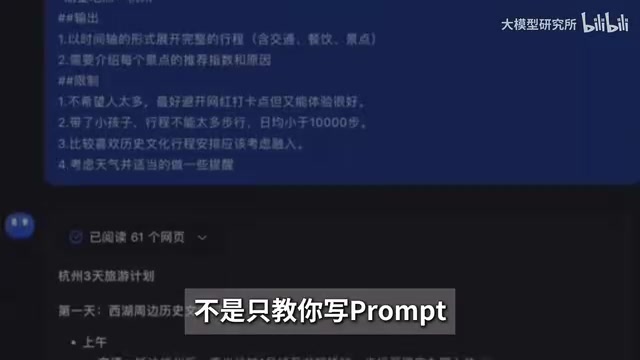
The verification method is simple: check whether the course syllabus includes keywords like "Function Calling," "RAG," "Observability," and "Engineering Deployment." If the course only teaches how to make models play certain roles, it's closer to Prompt engineering than Agent development.
2. Resume-Worthy Enterprise-Level Practical Projects
Project quality directly determines job-seeking competitiveness. Qualified practical projects should have three elements:
Clear Input and Output: What users input, what the system returns, with clearly describable interaction flows
Complete Tool Chain: Integration with at least one external system (database, API, enterprise system, web scraping, etc.)
Quantifiable Metrics: Measurable dimensions like accuracy, hit rate, response time, and cost control
Typical enterprise-level project examples include:
- Enterprise Knowledge Base Q&A Agent (RAG + permission management + citation tracing + admin backend)
- Multi-Tool Office Agent (reading emails/spreadsheets + generating weekly reports + auto-archiving + task reminders)
If a project is just a chat interface lacking real business scenarios and technical depth, it offers limited help for job seeking.
3. Technical Depth from a Production Environment Perspective
The real challenge in Agent development isn't "getting it to run" but "running it stably." Quality courses should address core production environment issues:
- Token Cost Optimization: How to reduce API call costs while maintaining effectiveness
- Exception Handling Mechanisms: Fallback strategies for tool call failures and model output format errors
- Data Security Design: User privacy protection and enterprise data isolation solutions
- Concurrency and Performance: Resource management and load balancing in multi-user scenarios

This content doesn't need to be covered in extreme depth, but learners should at least know "where the pitfalls are" to avoid discovering problems only after project deployment.
4. Continuously Updated Course Content
Large language model technology iterates extremely fast, making content timeliness critical. Evaluation criteria include:
- Whether the syllabus includes recent (last 3-6 months) technical updates
- Whether new tool invocation methods, framework upgrades, and evaluation methods are promptly followed
- Whether the code repository is continuously maintained rather than being a "one-shot deal"
For example, the emergence of new frameworks like LangGraph and MCP (Model Context Protocol) has significantly changed Agent development best practices. If course content remains stuck a year ago, it may already be outdated by the time you finish learning.
5. Effective Mentorship and Feedback Mechanisms
What career switchers need most is not more videos, but someone to pull you out of the pit. Quality courses should provide:
- Assignment grading and project Q&A
- Learning communities where peers can compare progress
- Resume optimization advice and project packaging guidance
These support services can significantly improve learning efficiency and reduce dropout rates caused by isolated struggles.
From Learning to Employment: A Systematic AI Agent Development Path
Avoid the Fragmented Learning Trap
A typical predicament for many beginners: today build a chat box, tomorrow connect a vector database, the day after get stuck on deployment. This fragmented learning results in no clearly explainable projects on resumes, no demonstrable work, and extreme passivity during job seeking.

A systematic learning path should be:
- Get the Tool Chain Running: Ensure development environment, API calls, and basic frameworks all work normally
- Complete the Project: From requirements to deployment, finish at least one demonstrable complete project
- Resume Ready for Submission: Clear project descriptions, explicit tech stack, quantifiable results
Project Output Determines Job-Seeking Competitiveness
For career switchers, project work is the key to opening doors. A qualified AI Agent project should be able to answer:
- What real business problem did it solve?
- What core tech stack was used?
- What performance metrics were achieved?
- How are system stability and maintainability ensured?
The answers to these questions directly determine whether your resume can pass technical interviewers' screening.
Practical Advice: How to Launch Your First AI Agent Project
If you're currently feeling lost, follow these steps:
- Choose a Clear Business Scenario: Don't pursue comprehensive solutions—start with a small, focused requirement
- Determine the Tech Stack: Based on mainstream large models (GPT/Claude/domestic models) + LangChain/LangGraph frameworks
- Deliver in Stages: Implement core functionality first, then optimize performance and user experience
- Document the Development Process: Problems encountered, solutions, performance data—all are resume material
- Seek Feedback: Join learning communities or find experienced people to review your project
Transformation isn't about pushing through anxiety, but requires a clear path and actionable methodology. Once you have your first working project, subsequent iteration and optimization will flow naturally. From API calls to business integration, from tool chain assembly to intelligent application delivery, every step has a clear technical path to follow.
The key is taking the first step—get the tool chain running, complete the project, and the rest is a matter of time and iteration.
Related articles

GPT-6 Astra Completes All 48 Levels of 'I'm Not A Robot' Game
GPT-6 Astra successfully completes all 48 levels of the 'I'm Not A Robot' game, demonstrating remarkable visual understanding, logical reasoning, and task adaptation. This article analyzes the technical capabilities behind this breakthrough and its implications for CAPTCHA verification and AI safety.
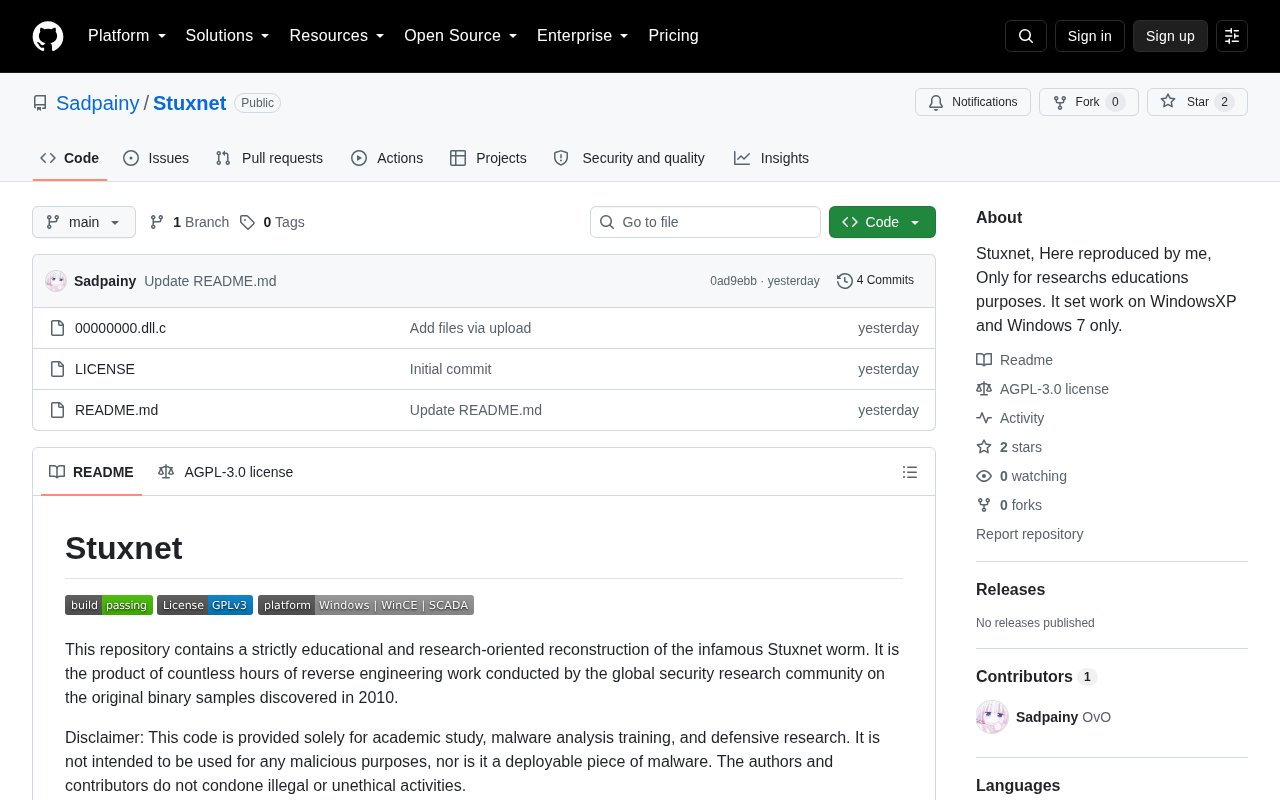
Stuxnet Source Code Reconstruction: Dissecting the Attack Chain of History's Most Complex Cyber Weapon
In-depth analysis of the Stuxnet source code reconstruction open-source project, examining how this cyber weapon targeting Iranian nuclear facilities exploited four zero-day vulnerabilities, stole digital certificates, covertly manipulated PLC centrifuges, and exploring industrial security lessons and ethical controversies of open-source reconstruction.

Minimalist Aesthetic Puzzle Game Development: Insights from Independent Creation
An in-depth analysis of an independent developer's aesthetic puzzle project shared on Hacker News, exploring minimalist design philosophy, Show HN community culture, and aesthetics-first product thinking in independent development.