Content Mismatch Detected — Article Cannot Be Generated

Article generation failed due to a mismatch between song-lyric source material and the AI Agent/GPT technical topic.
The source material submitted for this article consists entirely of Chinese pop song lyrics, which have no relevance to the stated topic of AI Agent development and GPT architecture models. As a result, the article cannot be written. Valid materials — such as a demo transcript, code snippets, architecture diagrams, or official documentation links — must be provided before generation can proceed.
Content Review Notice
After carefully analyzing the provided source material, this article cannot be written as originally planned under the topic "Agent Development: GPT Architecture Model Semi-Automated Demo."
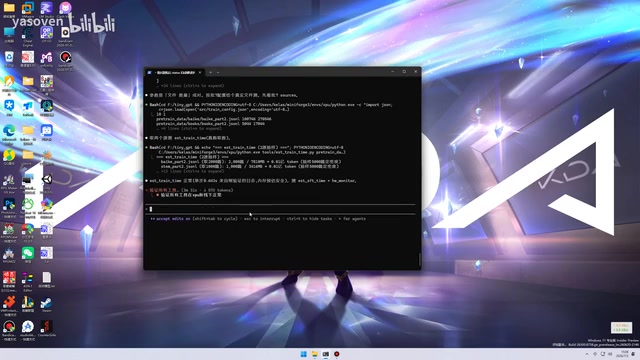
Problem Description
The text supplied in the "source content" field consists of lyrics from several Chinese pop songs (including fragments from 《成全》, 《有多少爱可以重来》, and others). This content is entirely unrelated to the technical subject described in the title — AI Agent development and GPT architecture models.
Likewise, the provided screenshot captions contain only song lyrics and include no technical demonstrations, code, model architecture diagrams, or Agent runtime interfaces of any kind.
Background: How Content Moderation Works Technically Content moderation is a critical quality-control step in AI-assisted content generation. Modern AI writing systems typically employ multi-layer validation mechanisms, including semantic relevance detection, source material validity assessment, and topic consistency checks. These mechanisms leverage NLP techniques — such as text classification and semantic similarity scoring — to evaluate how well input materials match the intended topic, thereby preventing the generation of misleading or meaningless technical content. In a real-world content production pipeline, the quality of the material preprocessing stage directly determines the credibility and professionalism of the final output.
Why This Article Cannot Be Written
As a responsible technical content creator, the following core principles must be upheld:
1. Accuracy First
The fundamental value of a technical article lies in conveying accurate, verifiable information. Source material consisting of unrelated song lyrics cannot produce any substantive technical analysis.
2. No Fabricated Content
Forcing a fabrication of "Agent development and GPT architecture" technical details around this title would constitute disinformation, mislead readers, and seriously undermine content credibility.
Background: AI Agents and GPT Architecture at a Glance An AI Agent is an AI system capable of perceiving its environment, making autonomous decisions, and executing tasks. The GPT (Generative Pre-trained Transformer) architecture is the dominant technical paradigm for large language models today, built on an autoregressive pre-training approach using the Transformer backbone. Combining an Agent framework with GPT models enables complex capabilities such as task decomposition, tool use, and multi-step reasoning. Semi-automated development in this space typically involves the following key technologies: Prompt Engineering to guide model behavior; Function Calling / Tool Use to allow models to invoke external APIs or code execution environments; and the ReAct framework (Reasoning + Acting), which lets an Agent alternate between reasoning and action in iterative cycles. Demonstrating these technologies requires real code samples, model invocation logs, and architecture diagrams — any fabricated "technical details" would seriously mislead developers.
3. Source Material Validity Requirements
The provided material (apparently scraped music content by mistake) contains no extractable technical substance and cannot support article writing. In technical content production, material validity means the ability to supply verifiable technical facts, reproducible operational steps, or experimental data with genuine reference value. Song lyrics have a cosine similarity approaching zero with AI architecture topics in semantic space and cannot be transformed into technical insights through any reasonable content extraction process.
Recommendation: How to Provide Valid Source Material
To generate a high-quality technical article on semi-automated AI Agent development with GPT architecture models, please provide one of the following valid materials:
- ✅ Accurate transcript of the demo video (should include model structure, training workflow, Agent scheduling logic, etc.)
- ✅ Relevant code snippets or architecture diagram descriptions (e.g., a ReAct loop implementation for an Agent, GPT model Tokenizer configuration, Function Calling JSON Schema definitions, etc.)
- ✅ Screenshots that genuinely reflect the demo process (e.g., terminal output, visualization interfaces, model invocation logs, loss curves, etc.)
- ✅ Reference links or technical report URLs (e.g., OpenAI technical blog posts, arXiv papers, official SDK documentation, etc.)
Once the correct materials are provided, a professionally written, in-depth technical article will be produced immediately — covering core topics such as Agent architecture design, GPT model integration strategies, and semi-automated workflow construction.
Related articles
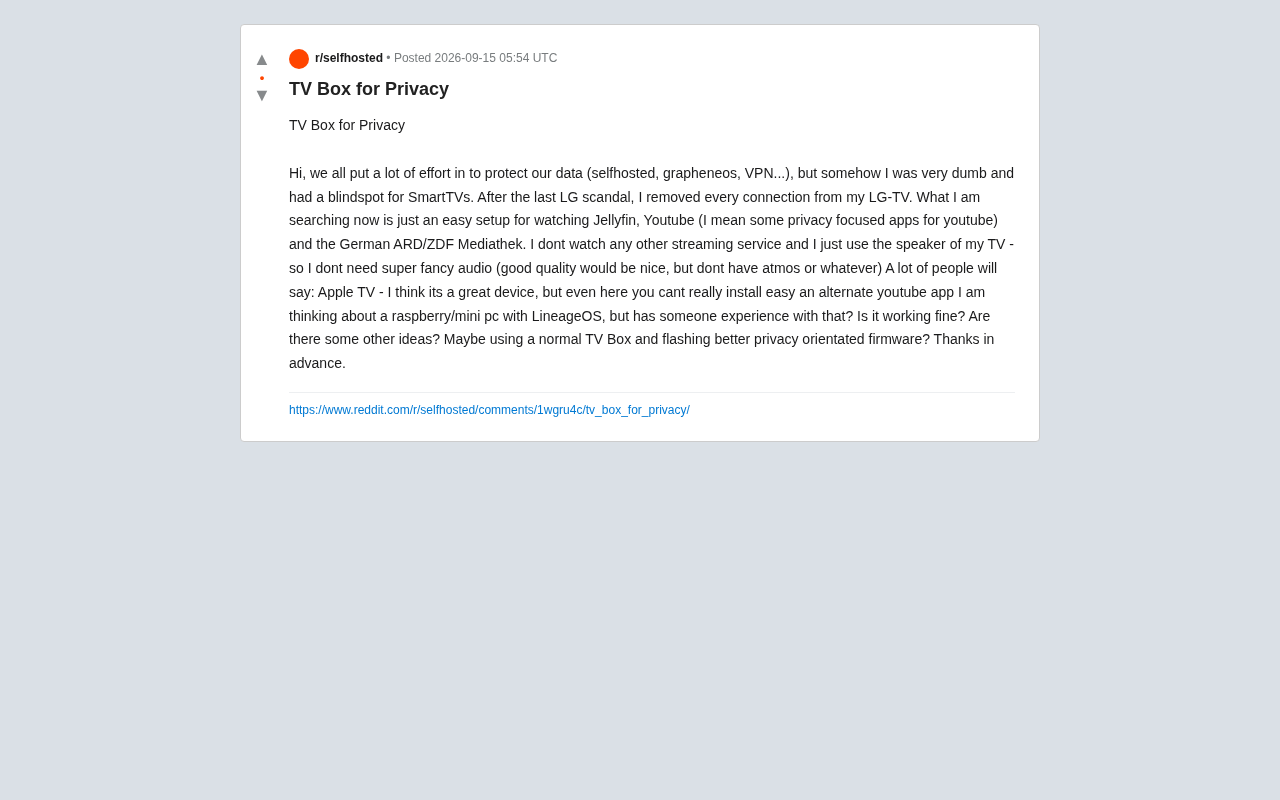
Building a Privacy-First TV Box: Escape Smart TV Data Surveillance
Smart TVs are a hidden privacy risk. Compare Apple TV, Raspberry Pi LineageOS, LibreELEC, and flashed Android boxes to build a privacy-first TV setup for Jellyfin and YouTube.
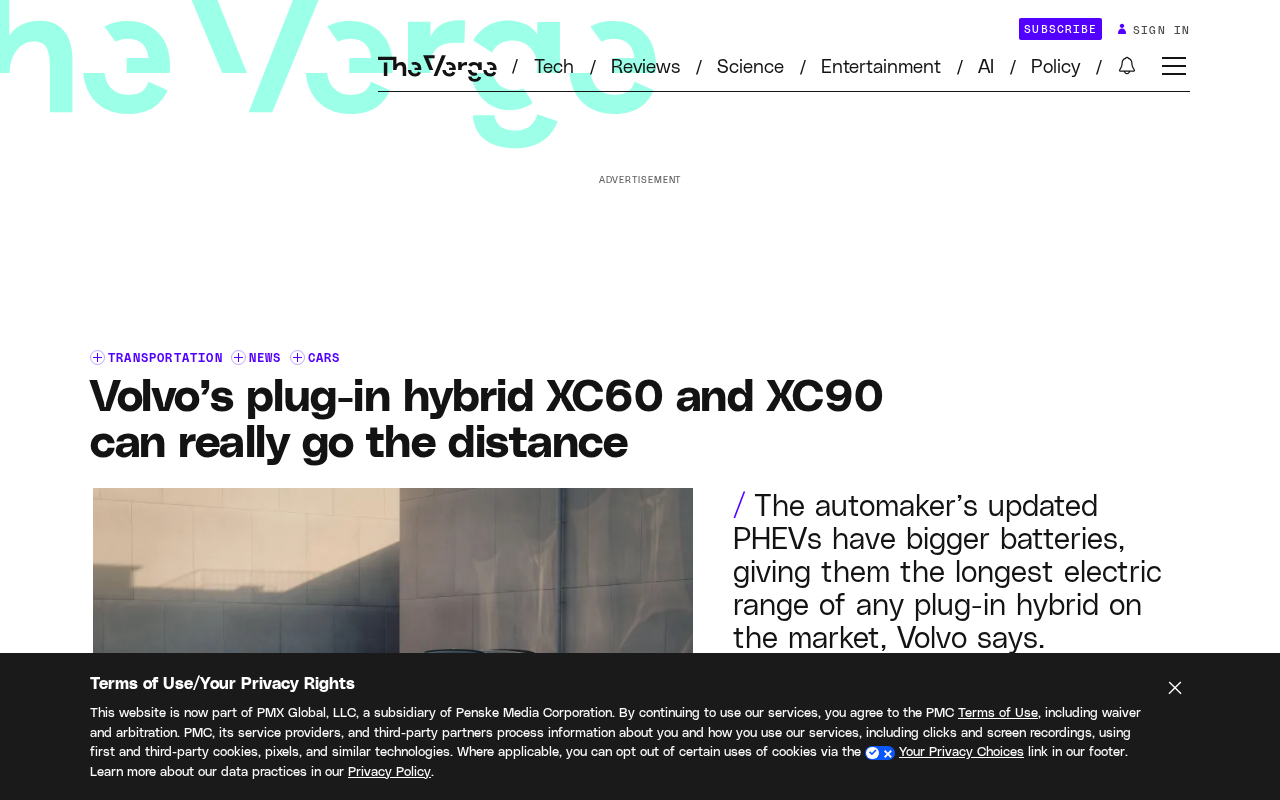
Volvo XC60 and XC90 PHEV Upgrades Push Electric Range Close to Full EV Levels
Volvo unveils upgraded PHEV versions of the XC60 and XC90, targeting electric-only range well beyond the industry average of 30–50 miles to redefine what plug-in hybrids can offer.
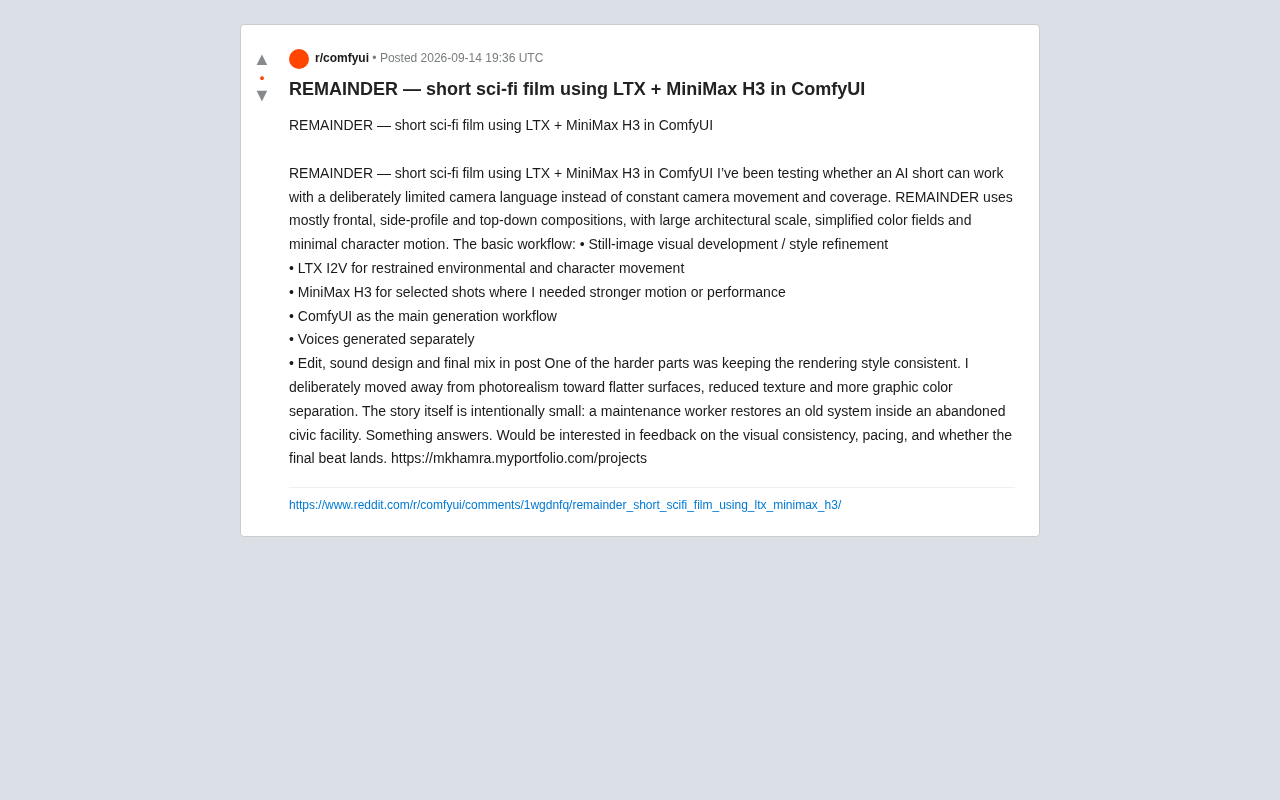
Building an AI Sci-Fi Short with LTX + MiniMax H3: Restrained Cinematography in ComfyUI
Sci-fi short REMAINDER uses LTX, MiniMax H3, and ComfyUI with restrained cinematography and flat aesthetics to solve visual consistency in AI filmmaking.