Figma Workplace Scandal: Employee Sues CEO for Forcing Confrontation with Harasser

Figma and its CEO are sued by a current employee alleging sexual harassment and discrimination, and forcing the victim to confront her harasser.
Design collaboration platform Figma and its CEO Dylan Field are facing a lawsuit filed by a current employee alleging sexual harassment and gender discrimination, and claiming the company forced the victim to confront her harasser face-to-face instead of launching a formal investigation. The article outlines the basic contours of the case, noting that this approach may cause secondary harm and exposes flaws in the company's workplace harassment handling mechanisms. Drawing on similar cases in the tech industry from Uber and Google to Blizzard, it analyzes the potential impact on Figma in three areas—brand reputation, talent recruitment, and legal and financial risk—and reflects on the structural reasons reporting mechanisms fail, including lack of independent investigation channels, power imbalance, and a culture of silence. The case is still at an early stage, the allegations have not been proven in court, and Figma has not yet responded publicly.
Event Overview
Design collaboration platform Figma and its CEO Dylan Field are facing a lawsuit filed by a current employee. The employee alleges sexual harassment and discrimination at the company and claims the company forced her to confront her harasser face-to-face. The news, disclosed via an RSS feed, quickly drew attention in the tech community.
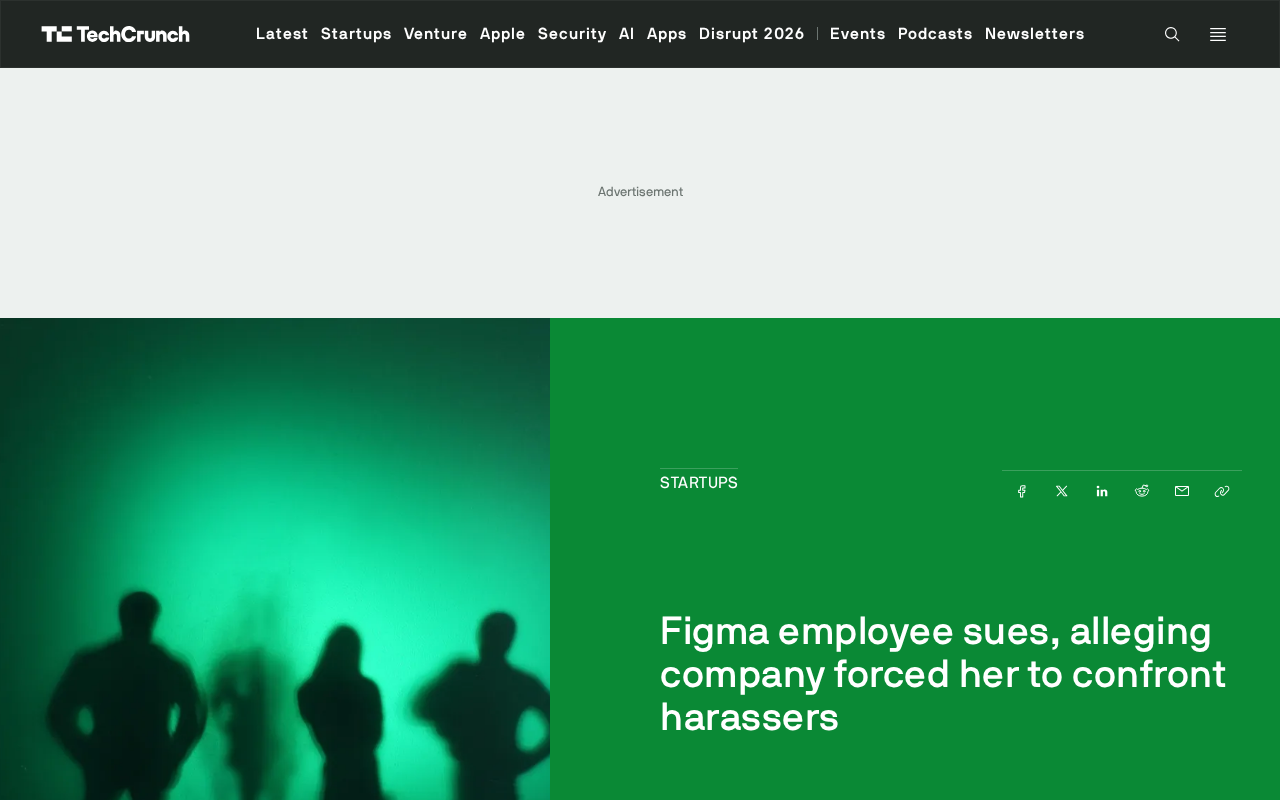
According to the original report, the core of the lawsuit is the existence of sexual harassment and gender discrimination within Figma, and that company management failed to take reasonable steps to protect the employee, instead requiring the victim to confront the harasser directly. This approach may not only cause secondary harm to the victim but also reflects serious flaws in the company's handling mechanisms for workplace harassment.
Allegation Details and Industry Context
Although public information is limited, the available content is enough to outline the basic contours of the case: a current employee has filed sexual harassment and discrimination allegations against Figma and its CEO. The lawsuit specifically mentions the "forced confrontation with the harasser," suggesting the company may have tried to resolve the issue through private confrontation rather than initiating a formal investigation or taking disciplinary action.
This is not the first time such allegations have emerged in the tech industry. In recent years, several well-known tech companies have been thrust into the spotlight over internal sexual harassment and gender discrimination issues—from Uber to Google to Blizzard—and the industry's power imbalances and lack of reporting mechanisms have been repeatedly criticized. As a star company in the design tools space, Figma's image is undoubtedly clouded by this lawsuit.
Why "forced confrontation" in workplace harassment is harmful
In handling workplace harassment complaints, requiring the victim to confront the accused directly is widely regarded as inappropriate. Research in psychology and labor law both indicates that such arrangements cause secondary trauma to victims: in scenarios of unequal power, victims often struggle to state the facts clearly and may even be pressured to "reconcile" or withdraw complaints. Proper procedures typically require an independent third party (such as an external investigative body or a dedicated compliance department) to gather evidence separately, keep written records, and take temporary separation measures (such as adjusting reporting lines or suspending the accused pending investigation) to avoid contact. Guidance from the U.S. Equal Employment Opportunity Commission (EEOC) also emphasizes that employers have an obligation to investigate complaints promptly and fairly and to prevent retaliation. Therefore, "forced confrontation" itself may constitute evidence that the employer failed to fulfill its duty of protection.
Potential Impact on Figma
Figma has grown rapidly in recent years, achieving extremely high penetration among designers, and was acquired by Adobe for a massive sum (though the deal was later terminated). This lawsuit could affect the company on multiple levels:
- Brand reputation: Figma's core users are designers and creative workers, a group highly sensitive to workplace fairness and inclusion. Negative news could shake user trust.
- Talent recruitment: Competition for talent in the tech industry is fierce, and workplace culture issues directly affect recruiting appeal, especially for women and candidates for technical roles.
- Legal and financial risk: If the lawsuit proceeds to trial, the company could face compensation and compliance remediation costs, and the CEO personally could also bear legal liability.
Interestingly, the case is still at an early stage, and the allegations have not been proven in court. Figma has not yet issued a public response.
Background on Adobe's acquisition of Figma
In September 2022, Adobe announced it would acquire Figma for approximately $20 billion in cash and stock, one of the largest deals in the software industry at the time. However, the deal faced antitrust review by the U.S. Department of Justice, the European Commission, and the UK Competition and Markets Authority, with regulators concerned that the merger would weaken competition in the design software market. In December 2023, the two sides announced the termination of the deal, and Adobe was required to pay Figma a $1 billion reverse termination fee. This experience has kept Figma in the public and regulatory spotlight, and any corporate governance or workplace culture issue may be amplified. In addition, after the deal fell through, Figma remains independent and faces higher investor expectations regarding growth and governance, making the reputational and compliance risks of the lawsuit all the more noteworthy.
Industry Reflection: Why Reporting Mechanisms Fail
This lawsuit once again brings tech companies' reporting mechanisms to the fore. The fact that the victim was required to confront her harasser exposes several structural problems:
- Lack of independent investigation channels: Employees may fear retaliation after reporting, or believe that HR is aligned with management's interests and cannot handle matters fairly.
- Power imbalance: Harassers are often senior employees or managers, while victims are in a weaker position; face-to-face questioning may intensify psychological pressure.
- Culture of silence: The tech industry has long championed a "move fast and break things" culture, which sometimes neglects the development of workplace conduct standards.
For a high-growth company like Figma, establishing transparent, independent complaint-handling processes and conducting regular workplace conduct training may be necessary steps to rebuild trust.
Structural flaws in tech industry reporting mechanisms
Common reporting channels at tech companies include HR departments, employee assistance programs (EAPs), anonymous hotlines, and external ombudsmen. The problem is that HR often simultaneously serves as a "business partner," with its performance evaluations tied to management's goals, resulting in insufficient independence. If anonymous hotlines lack follow-up and transparency, they will also gradually lose employee trust. Some states (such as California) require employers to provide anti-harassment training and prohibit retaliation, but enforcement depends on employees providing evidence. Industry advocacy organizations such as Project Include recommend that companies establish compliance committees directly overseen by the board, publish complaint-handling data, and conduct regular third-party culture audits. The core of these measures is to sever the link between the investigation process and business management's interests, so that victims feel safe reporting.
Conclusion
The Figma lawsuit reminds us that even the most sought-after tech companies may have shortcomings in workplace culture governance. As the case progresses, more details may come to light. For readers interested in the tech industry's workplace ecosystem, this is an event worth following.
(This article is compiled based on public RSS information; the facts of the case are subject to determination through judicial proceedings.)
Related articles

Developer Naming Woes: The Technical Names That Drive Us Crazy
Why is technical naming so maddening? From Nginx and Vite to Qt and Sudo, a YouTube creator rants about the chaos of developer naming and pronunciation, revealing the tug-of-war between creators' intentions and community habits, and the cultural roots behind spelling traps like PyPI and GNOME.

Jensen Huang and Nvidia: Elite Privilege Behind the Revolving Door of Business and Politics
An opinion piece uses Jensen Huang's reappointment as Nvidia CEO to examine business-government ties and elite impunity, questioning free-market ideals and AI industry governance.
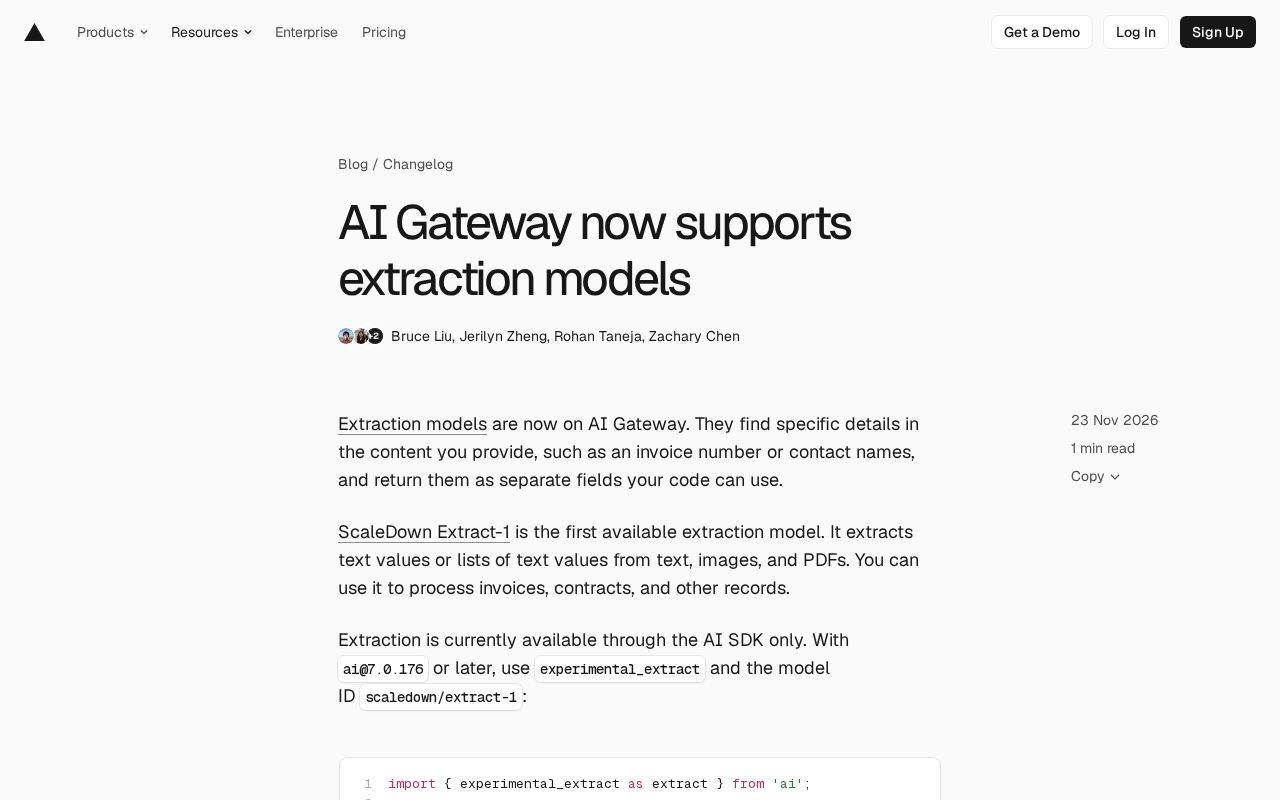
AI Gateway Launches Extraction Models: Precisely Pull Structured Fields from Invoices and Contracts
AI Gateway adds extraction models, debuting with ScaleDown Extract-1, which pulls fields like invoice numbers and contacts from text, images, and PDFs, returning confidence scores and character offsets via AI SDK's experimental_extract.