CrowdVolt: A Deep Dive into the Social-Meets-Ticketing Nightlife Platform

CrowdVolt merges social networking with ticketing to power spontaneous nightlife experiences.
CrowdVolt is a social ticketing platform targeting the electronic music and nightlife scene. It combines event discovery, artist/venue following, name-your-own-price bidding, and instant ticket resale to encourage spontaneous, last-minute going-out decisions. By embedding tickets into a social discovery loop, it aims to become the "operating system for going out," though it faces cold start, localization, and regulatory challenges.
When Ticketing Meets Social: CrowdVolt's Disruptive Approach
In the traditional ticketing market, users often have to buy tickets weeks in advance, pay steep service fees, and accept fixed prices with no room to negotiate. Enter CrowdVolt, a new product that recently launched on Product Hunt, aiming to upend this model. With the tagline "You're coming out tonight," it deeply integrates social features with ticket transactions, targeting young people's desire for spontaneous, spur-of-the-moment nightlife.
The product earned 81 upvotes and 5 comments on Product Hunt, ranking 20th, and is categorized under Electronic Music, Ticketing, and Live Events. In terms of positioning, CrowdVolt isn't content being just another ticketing tool — it aspires to become the "operating system for going out."
Core Features: Discovery, Social, and Flexible Trading
Discovering Scenes Worth Attending
CrowdVolt defines itself as "a social platform for going out." Its core value lies in helping users discover the parties everyone's talking about, connect with like-minded people, and gain access to scenes and circles that were previously hard to break into.
Users can follow their favorite artists and venues, staying up to date on events happening nearby in real time. This feed-centric information architecture essentially grafts social media's content distribution logic onto the offline events space. Compared to the cold, impersonal event listings of traditional ticketing platforms, this design is far more aligned with how Gen Z consumes information.
Reducing Commitment Pressure and Encouraging Spontaneous Decisions
One of CrowdVolt's standout features is its emphasis on "pressure-free last-minute decisions." It repeatedly champions "less commitment, more spontaneity." Users don't need to plan far in advance — instead, they can decide right before heading out based on their current mood and what their friends are up to.
This philosophy directly addresses a real pain point for today's young people: plans never keep up with change. The traditional ticketing model of "buy early, no refunds" is fundamentally at odds with the fluid, unpredictable rhythms of young people's lives. CrowdVolt aims to minimize this friction through thoughtful product design.
A Flexible Ticket Trading Mechanism
On the transaction side, CrowdVolt introduces two noteworthy mechanisms:
- Name your own price: Users can bid on tickets they want, rather than passively accepting a fixed price.
- Instant listing: If plans change, users can immediately list their tickets for resale.
This system essentially creates a secondary ticket market, making ticket circulation far more efficient. It provides flexible solutions both for users who want to attend but are hesitant about the price, and for those who need to offload tickets due to sudden changes in plans. It also helps alleviate the scalping problem to some extent — prices are transparently negotiated between buyers and sellers within the platform, reducing the premium caused by information asymmetry.
The Market Logic Behind the Product
Targeting the Electronic Music and Nightlife Space
CrowdVolt's deliberate choice to focus on electronic music and live events as its entry point is no accident. Electronic music scenes — raves, clubs, warehouse parties — are inherently social, high-frequency, and spontaneous, making them the most fertile ground for "last-minute going out" demand. Users in this space have a strong desire to follow artists and venues, and they're more willing to pay for unique experiences.
The "follow your favorite artists and venues" design reveals CrowdVolt's ambition to build a social graph with artists and venues as its nodes. Once this graph achieves network effects, it will form a competitive moat that's extremely difficult to replicate.
"In the Crowd, Not on the Couch"
The most compelling line in the product's copy is: "more nights spent in the crowd instead of on the couch." This sentence perfectly captures the post-pandemic yearning among young people for authentic social connection.
In an era where algorithmic recommendations and short-form videos consume vast amounts of attention, more and more young people are recognizing the emptiness of online socializing and turning toward real-world encounters. CrowdVolt is positioned right at the intersection of this cultural trend — it's not just selling tickets, but a lifestyle philosophy of "get out there and be part of it."
Potential Challenges and Considerations
Despite its innovative vision, CrowdVolt faces significant challenges in execution:
- The cold start problem: A social ticketing platform's value depends on user density and event supply. In the early stages, how to amass enough users, artists, and venues in specific cities will be the make-or-break factor.
- Geographic constraints of supply-demand matching: Nightlife is an inherently hyper-local industry. The platform needs to conquer one city at a time, making rapid global expansion — the kind pure software products enjoy — much harder to achieve.
- Regulatory risks around secondary ticketing: While name-your-own-price and instant resale offer flexibility, they may also run afoul of ticket resale regulations in different regions, requiring carefully designed operational rules for each market.
Conclusion
CrowdVolt represents a fascinating experiment in the ticketing industry: it no longer treats tickets as isolated transactional commodities but embeds them into a complete loop of "discovery — social — decision — transaction." By reducing commitment pressure and encouraging spontaneous decisions, it aims to reignite young people's enthusiasm for stepping out the door and joining the crowd.
For nightlife enthusiasts tired of planning ahead and accepting fixed prices, CrowdVolt may be a new option worth watching. Whether it can truly build its own social network effects remains to be tested by time and the market, but its product philosophy of "giving the night back to the crowd" undeniably strikes at this generation's longing for authentic human connection.
Related articles

OpenAI Cuts Off Cursor: The Full Story Behind the Feud and China's Push for Open-Source, Affordable AI
OpenAI cuts Cursor's model access over Musk's acquisition; Cursor pivots to Claude. Meanwhile, Chinese AI models like Qwen, GLM, and Hunyuan push open-source affordability, accelerating AI democratization.
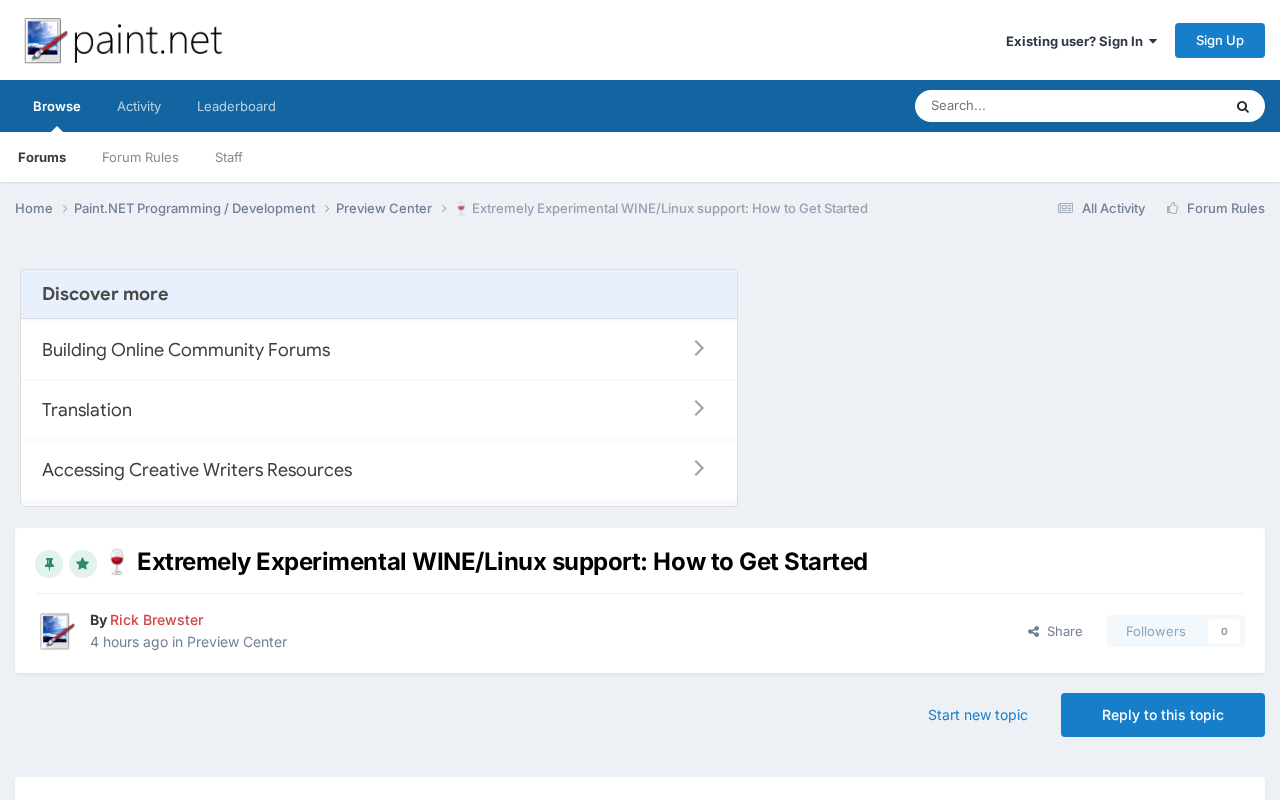
Paint.NET Officially Supports Linux: A Cross-Platform Experiment via the Wine Compatibility Layer
Paint.NET adds experimental Wine/Linux support, bringing the popular Windows image editor to Linux. We analyze its technical approach, limitations, and impact.
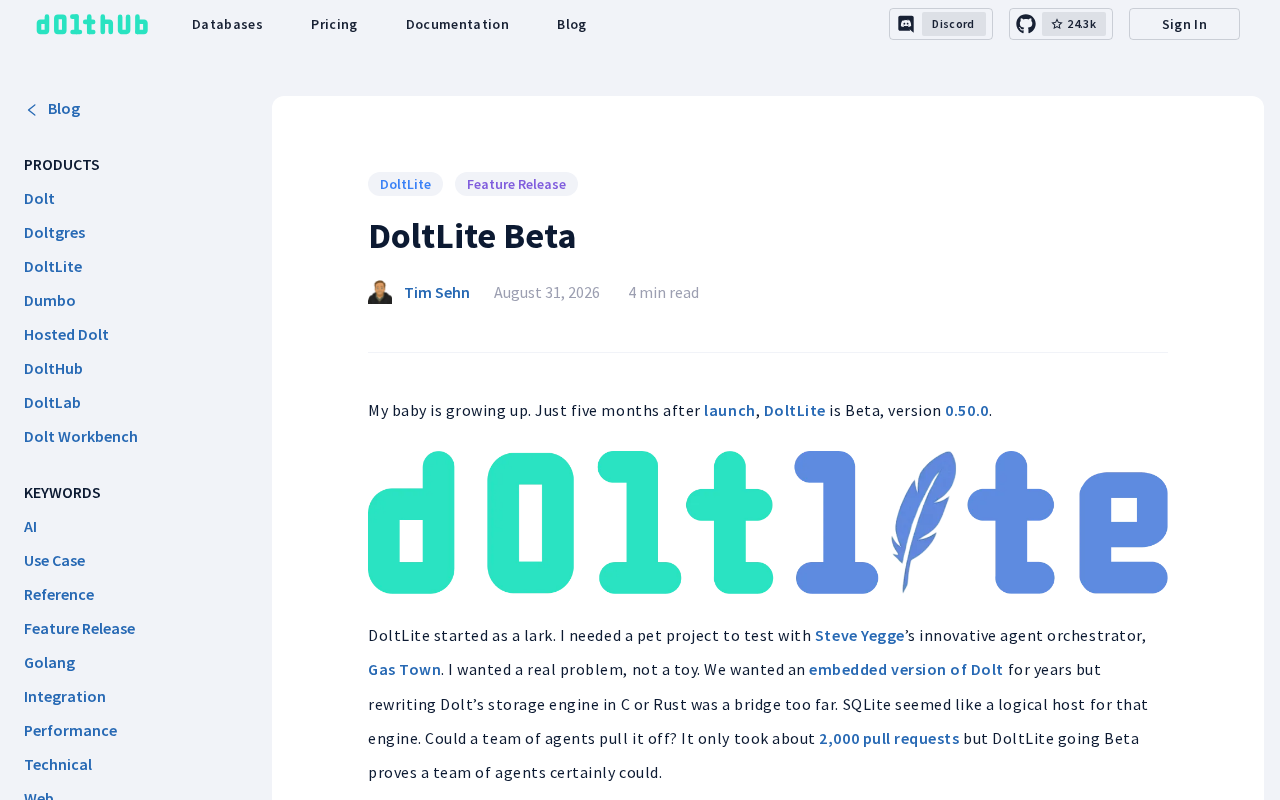
DoltLite: Injecting Git Version Control into SQLite with 2,000 AI Pull Requests
DoltLite is an open-source SQLite fork bringing Git-style data version control with commit, branch, merge, and diff. Built via ~2,000 AI Agent PRs.