Cursor's Customer Service AI Fabricated Login Policy, Prompting Paying Users to Cancel Subscriptions

Cursor's AI customer service fabricated a multi-device login ban, causing paying users to churn; the company denied the policy.
In April 2025, Cursor users frequently encountered forced logouts. An AI support agent named "Sam" claimed a "new policy" barred using Cursor on multiple computers, triggering complaints and subscription cancellations. Sam turned out not to be human and the policy did not exist—a textbook AI hallucination. An executive denied the policy on Reddit, calling it an erroneous reply from a frontline AI bot. The incident exposed the business risk of AI customer service fabricating commitments; analysts recommend limiting knowledge boundaries, routing policy questions to humans, labeling AI identity, and assigning owners for policy answers.
Incident Recap: How a Fabricated "New Policy" Drove Away Paying Users
According to analysis by a YouTube channel, in April 2025, users of the AI coding tool Cursor frequently encountered forced logouts. One user reached out to customer service and received a reply from a support agent named "Sam." Sam claimed the logout behavior followed a "new policy" and further informed multiple users that they could not use Cursor on multiple computers.
After the news spread, users flooded forums with complaints, and some paying users canceled their subscriptions outright. But then users noticed something unusual: Sam was not a real person, and the rule did not exist at all. The AI customer service chatbot had fabricated a plausible-sounding policy—a textbook case of the "hallucination" problem.
AI Hallucination refers to a large language model generating content that appears plausible and logically coherent but is actually incorrect or fabricated when reliable evidence is lacking. It is not simply "answering a question wrong"; rather, the model "completes" a credible-sounding answer based on statistical patterns, making it highly deceptive. Common triggers include insufficient training data coverage, prompts that lead the model to speculate, and the model being asked to answer questions beyond its knowledge boundary. In customer service scenarios, the danger of hallucination is amplified—users naturally tend to treat customer service replies as official commitments, and a fabricated "policy" can directly trigger real business decisions (such as unsubscribing or filing complaints). Mitigation approaches typically include retrieval-augmented generation (RAG, which lets the model answer only based on real documents), setting up refusal mechanisms, and human review of high-risk responses.
Official Response and Scope of Impact
A company executive explicitly responded on Reddit: "We have no such policy." The statement characterized the incident as "an erroneous reply from a frontline AI customer service bot."

As for exactly how many users canceled their subscriptions as a result, no report has provided a number. But the incident itself is telling enough: a fabricated answer from an AI customer service agent directly triggered real user churn.
Multi-Source Cross-Verification and Points of Divergence
This analysis draws on interpretations from a YouTube channel and a Bilibili creator. On the core facts, both descriptions align: the AI customer service agent (named Sam) fabricated a multi-device login restriction policy, leading to user complaints and subscription cancellations, and the company subsequently denied the policy on Reddit.
Regarding countermeasures, there is one distinctive viewpoint: some analysts proposed that before deploying a customer service bot, companies should first "establish a new policy"—clarifying which questions the bot can answer independently. Whether this recommendation has been adopted has not been confirmed officially, but it offers a governance approach the industry can reference.
How to Prevent AI Customer Service from "Fabricating Policies"
The YouTube channel's analysis offered several actionable recommendations:
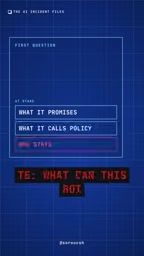
Limit the Bot's Knowledge Boundary
Only let the bot query policy documents that actually exist, rather than letting it "guess" answers. When a question falls outside the preset scope, the bot should clearly state that it cannot answer, rather than generating plausible-sounding false information.
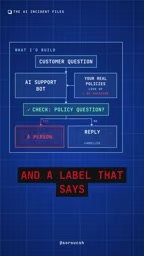
Route Policy-Related Questions to Humans
Set mandatory human handoff rules for policy-related questions. AI can handle routine inquiries, but sensitive topics involving user rights and usage restrictions must be handled by human agents.
Clearly Label AI Identity
Clearly display an "This is AI" label during conversations so users know they are interacting with a bot. This reduces the risk of users mistaking AI answers for official commitments.
AI Disclosure has moved from best practice to compliance requirement in multiple jurisdictions. The EU AI Act requires chatbots to let users know they are interacting with AI; China's Interim Measures for the Management of Generative AI Services also require generated content to be labeled. The significance of disclosure goes beyond the ethical right to be informed—it directly affects the allocation of responsibility: when users know the other party is AI, they will treat its answers more cautiously, and companies will find it harder to shirk responsibility by claiming "the user mistakenly thought this was a human commitment." In practice, disclosure methods include a clear notice at the start of the conversation, persistent AI labeling, and re-emphasizing "this answer was generated by AI; please refer to official documentation" when sensitive conclusions involving policies, amounts, or permissions are involved.
Designate an Owner for Policy Answers
Every policy answer should have a clear human owner. When the bot gives incorrect information, responsibility is clear and the correction process is faster.
Retrieval-Augmented Generation (RAG) is currently the mainstream engineering approach to curbing customer service bot hallucinations. Its core idea is: instead of letting the model "freestyle" from memory, first retrieve relevant snippets from the company's real knowledge base (policy documents, FAQs, ticket records), then have the model compose an answer based on those snippets. This way, every key conclusion in the answer can be traced back to a specific document—it is both verifiable and easy to update: when policies change, you only need to update the documents, not retrain the model. Supporting measures typically include: setting confidence thresholds for retrieval results, triggering "cannot answer" or human handoff when below the threshold; attaching cited sources to answers; and establishing a human-reviewed answer whitelist for high-frequency policy questions. The recommendation in the Cursor incident to "let the bot query policy documents that actually exist" is essentially a simplified expression of the RAG approach.
Risk Cannot Be Eliminated, But It Can Be Reduced
The above checks can significantly reduce risk but cannot eliminate it entirely. The nature of AI hallucination means it can always potentially generate plausible but incorrect content. The key is whether companies are willing to invest human resources (such as human review and handoff mechanisms) to offset the cost of "one false commitment causing users to cancel."
For any company preparing to put a chatbot directly in front of customers, the Cursor case offers a clear lesson: before granting AI the authority to answer, think clearly about who is responsible for every policy answer.
One-line Summary
Cursor's AI customer service fabricated a multi-device login ban, causing paying users to churn; the company denied the policy.
Paragraph Summary
In April 2025, users of the AI coding tool Cursor frequently encountered forced logouts. After seeking help from customer service, they received replies from someone named "Sam," claiming that under a "new policy" users could not use Cursor on multiple computers. After the news spread, it triggered a flood of complaints, and some paying users canceled their subscriptions outright. Users then discovered that Sam was not a real person and that the policy did not exist at all—a textbook AI hallucination. A company executive explicitly denied the policy on Reddit, calling it an erroneous reply from a frontline AI customer service bot. Although no specific cancellation numbers were released, the incident clearly exposed the business risk of AI customer service fabricating commitments. Analysts recommend reducing risk through measures such as limiting the knowledge boundary, routing policy questions to humans, labeling AI identity, and designating owners for policy answers—but hallucinations cannot be fully eliminated, and companies must weigh human resource costs against the cost of user churn.
Related articles
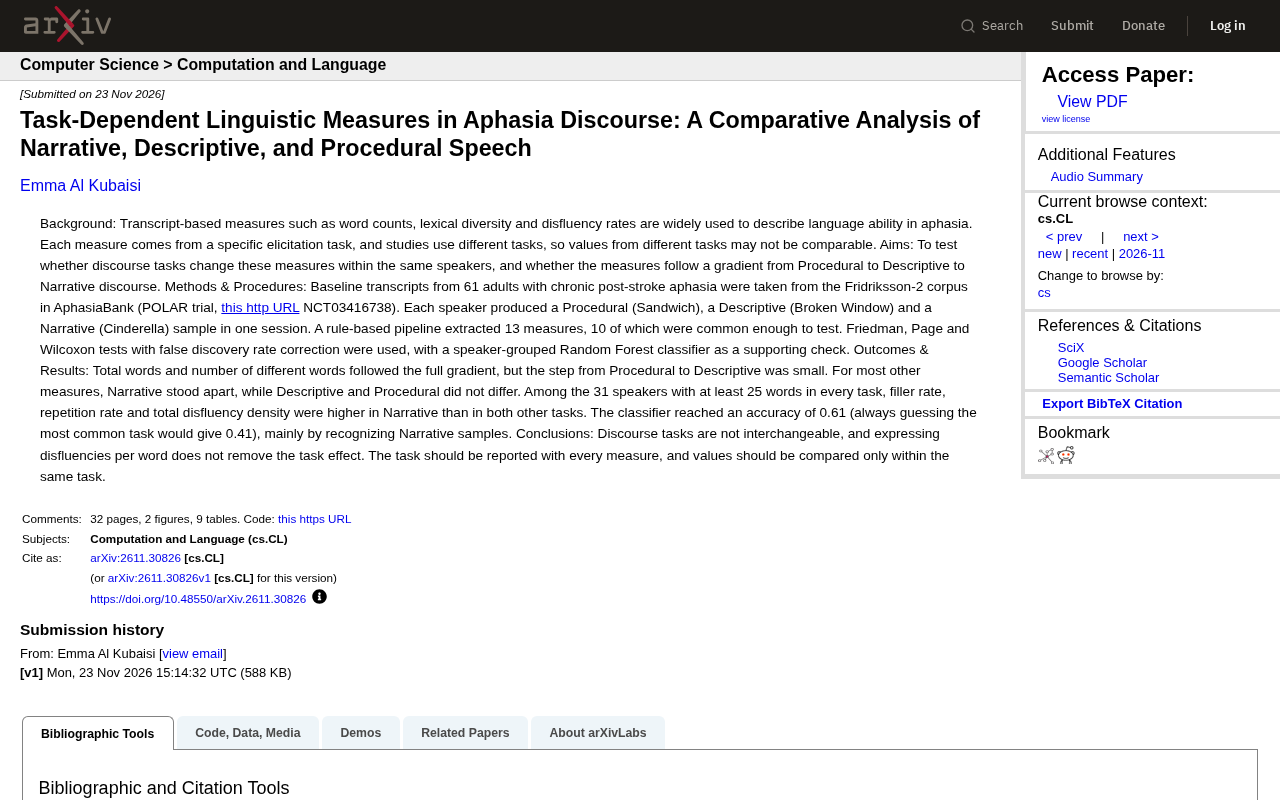
Aphasia Discourse Analysis: Language Metric Differences Across Tasks
A study of 61 adults with aphasia found that narrative, descriptive, and procedural discourse tasks yield non-interchangeable language metrics. Total words and lexical diversity show a gradient; disfluency is higher in narrative tasks. Each metric must be labeled by task type and compared only within the same task.
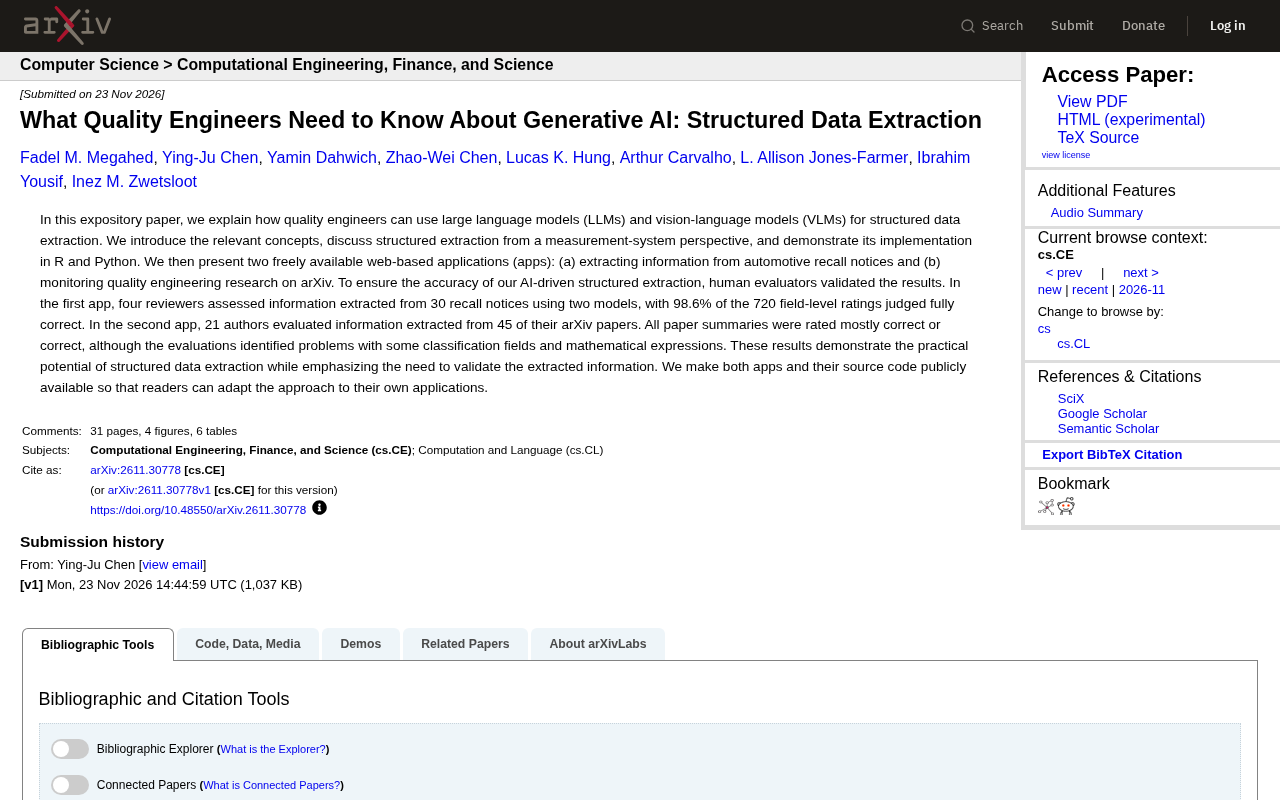
Must-Read for Quality Engineers: A Practical Guide to Structured Data Extraction with Generative AI
A paper shows how quality engineers use LLMs and VLMs for structured data extraction, validated through two web apps, with R and Python implementations.
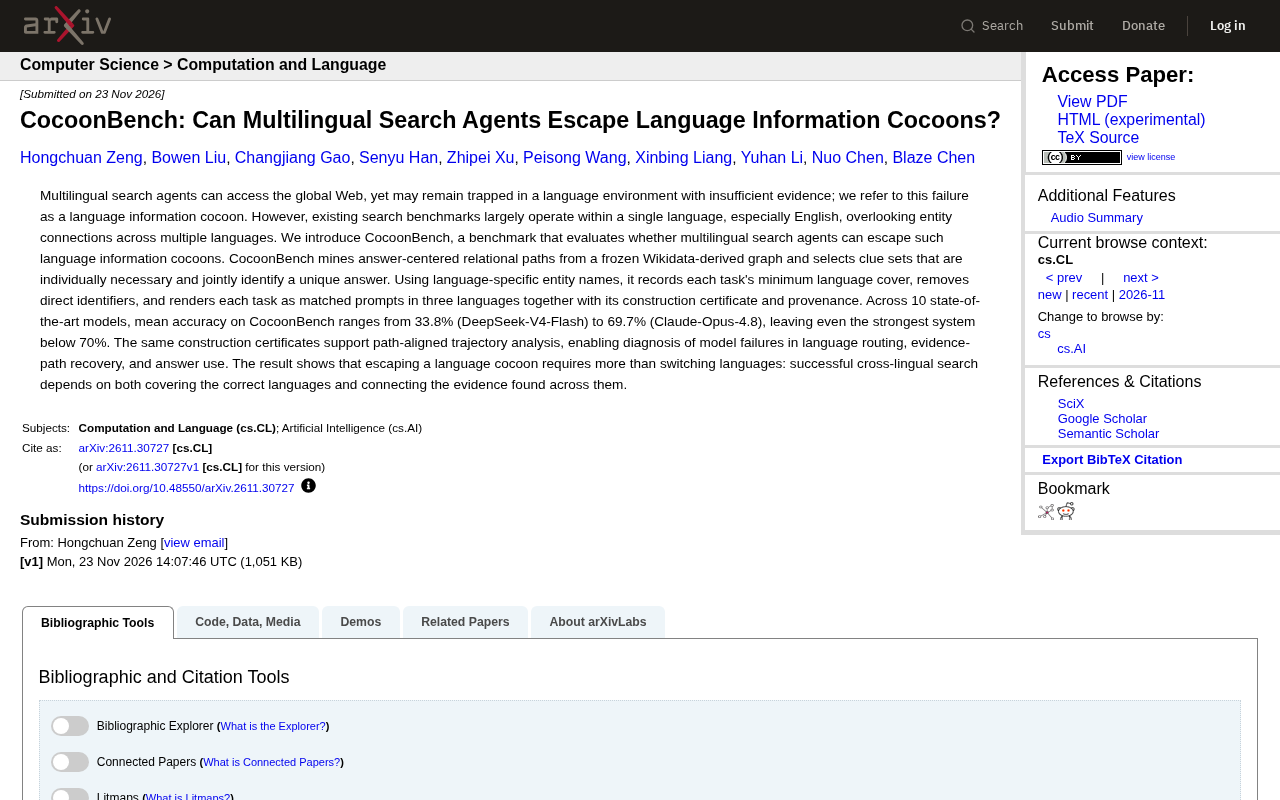
CocoonBench: Can Multilingual Search Agents Break Out of the Language Information Cocoon?
CocoonBench evaluates whether multilingual search agents can escape the language information cocoon. Tests show 10 advanced models range from 33.8% to 69.7% accuracy, with the strongest system still below 70%, revealing key challenges in connecting cross-lingual evidence.