dayGLANCE v5.x Released: Deep Obsidian Integration and the New "Day Dial" Ambient Display
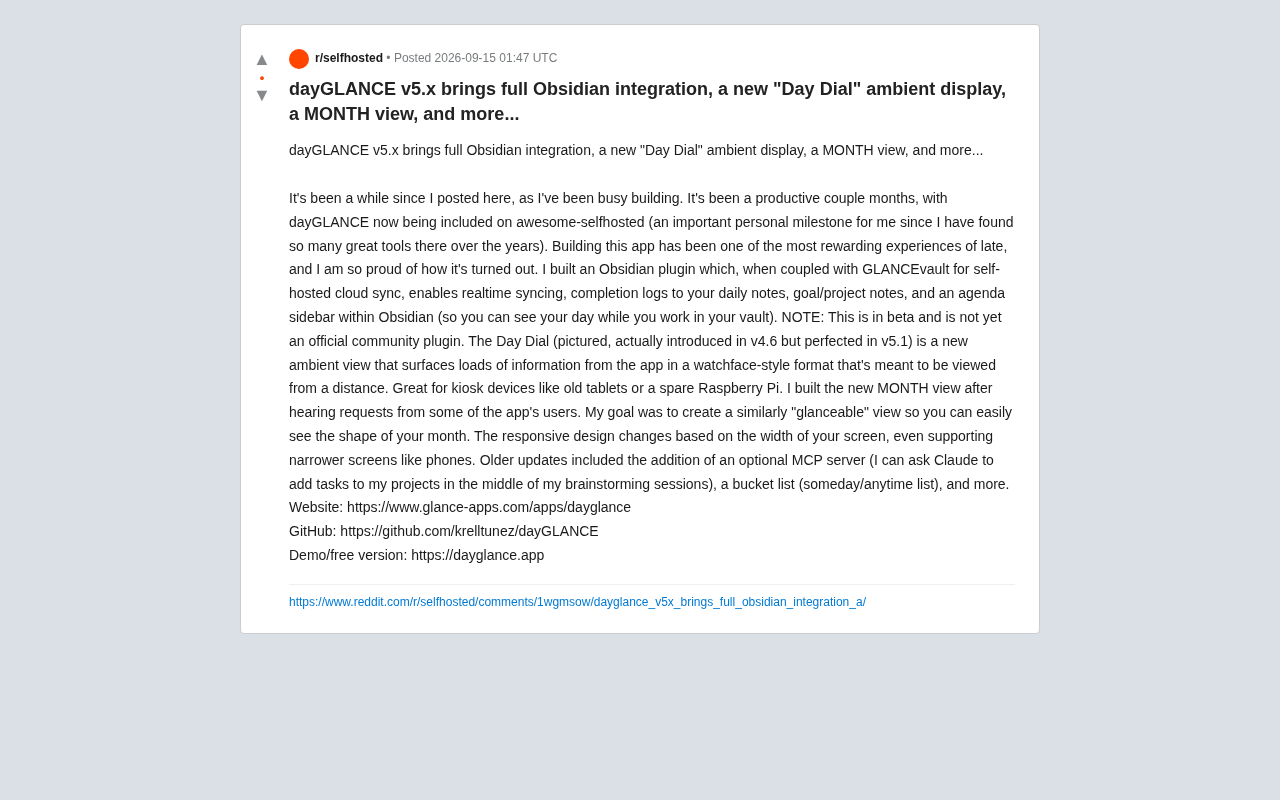
dayGLANCE v5.x adds Obsidian integration, Day Dial ambient view, Month view, and MCP-powered AI task management.
dayGLANCE v5.x delivers Obsidian plugin support with GLANCEvault real-time sync and an agenda sidebar, the ambient "Day Dial" watchface view for kiosk devices, a responsive Month view, and natural-language task management via MCP integration with AI assistants like Claude. The update extends the app's "glanceable" philosophy into note-taking, ambient display, and AI interaction — and its inclusion in the awesome-selfhosted list cements its standing in the self-hosting community.
The self-hosted task management tool dayGLANCE has arrived at its v5.x series update, bringing full Obsidian integration, an ambient display view called "Day Dial," and the long-requested MONTH view. This update not only expands the app's use cases but also solidifies its place in the self-hosting community — the developer notes that dayGLANCE has been added to the well-known awesome-selfhosted list, a meaningful recognition for an independently developed tool.
Deep Two-Way Integration with Obsidian
The most notable highlight of this update is dayGLANCE's dedicated Obsidian plugin. Combined with the self-hosted cloud sync service GLANCEvault, this pairing enables real-time sync and embeds task management directly into your note-taking workflow.
Specifically, the plugin can write task completion records into your daily notes, supports linking to goal notes and project notes, and provides an "agenda" panel in the Obsidian sidebar. This means you can glance at your schedule for the day while organizing your knowledge base or writing notes — no more context-switching between multiple apps.
For users who rely heavily on Obsidian as their "second brain," the idea of merging to-dos with a note-taking system is genuinely appealing. That said, the developer is upfront that the plugin is still in beta and has not yet become an official Obsidian community plugin, so early adopters should weigh the stability tradeoffs accordingly.
What is awesome-selfhosted? It's a community-maintained curated list on GitHub that catalogs software you can self-host — open source or source-available — covering hundreds of categories from file storage and password management to project management. Because the inclusion criteria involve checks on project activity, documentation quality, and licensing, making the list carries real exposure value for indie developers. Many self-hosters use it as their first stop for discovering new tools. dayGLANCE's inclusion means it will continue to receive organic traffic from the self-hosting community, and it serves as a soft endorsement of the project's long-term maintenance commitment.
Day Dial: Built for Ambient Display
Day Dial is an ambient view presented in a "watchface" format. It's not designed to be stared at up close — the idea is that a quick glance from a distance gives you the key information you need. The developer suggests deploying it on an old tablet, an idle Raspberry Pi, or other kiosk devices as a persistent information panel on your desk or wall.
This feature was actually introduced back in v4.6 but was refined and polished in v5.1. It reflects dayGLANCE's consistent product philosophy — "glanceable" — distilling complex schedule data into a clear, readable visual. This ambient computing approach resonates with the growing popularity of home dashboards and smart displays in recent years.
Month View and Responsive Design
The new MONTH view came directly from user feedback. The developer's goal remains true to the "glanceable" experience: letting users quickly grasp the "shape" of an entire month — which days are packed, which stretches are relatively open — all at a glance.
Notably, the month view uses responsive design, automatically adjusting its layout based on screen width, even adapting to narrower screens like phones. This cross-device consistency keeps dayGLANCE usable whether you're on desktop or mobile.
MCP Server and AI Integration
In an earlier version, dayGLANCE also added an optional MCP (Model Context Protocol) server. This feature allows the app to interface with AI assistants — the developer gives an example of asking Claude to add tasks directly to the relevant project during a brainstorming session.
MCP, as an open protocol for connecting AI models with external tools, is being adopted by a growing number of applications. dayGLANCE's integration means users can interact with their task system using natural language, lowering the barrier to capturing ideas the moment they arise and reducing the friction of switching between a conversation and a task list.
This series of updates also includes a "bucket list" feature for managing things you want to do "someday" or "whenever" — further enriching the dimensions of task categorization.
What is MCP? MCP (Model Context Protocol) is an open standard protocol proposed and open-sourced by Anthropic in late 2024, designed to solve the interoperability problem between AI large language models and external tools and data sources. Previously, every app that wanted to connect to different AI models had to implement custom API integrations — costly to maintain and hard to reuse. MCP defines a unified "client–server" communication spec: the AI model acts as a client, and the external application (like dayGLANCE) acts as an MCP server exposing its own functional interfaces, which the model can then invoke through standardized tool calls to perform read and write operations. Claude and several local model clients that support MCP have already implemented the protocol, and its ecosystem is expanding rapidly. For dayGLANCE, having a built-in MCP server means it isn't locked to any single AI vendor — as long as a client supports MCP, users can switch to whichever model they prefer to manage their tasks.
Wrap-Up
dayGLANCE v5.x has a clear direction: built around the core "glanceable" philosophy, extending task management into note-taking systems, ambient displays, and AI interaction. For self-hosting enthusiasts and Obsidian users, it offers a viable path to integrating schedules, notes, and a knowledge base into one cohesive system. Interested users can learn more through the official website or GitHub repository, or try the free demo version first.
- Website: glance-apps.com/apps/dayglance
- GitHub: github.com/krelltunez/dayGLANCE
- Demo / Free version: dayglance.app
Related articles
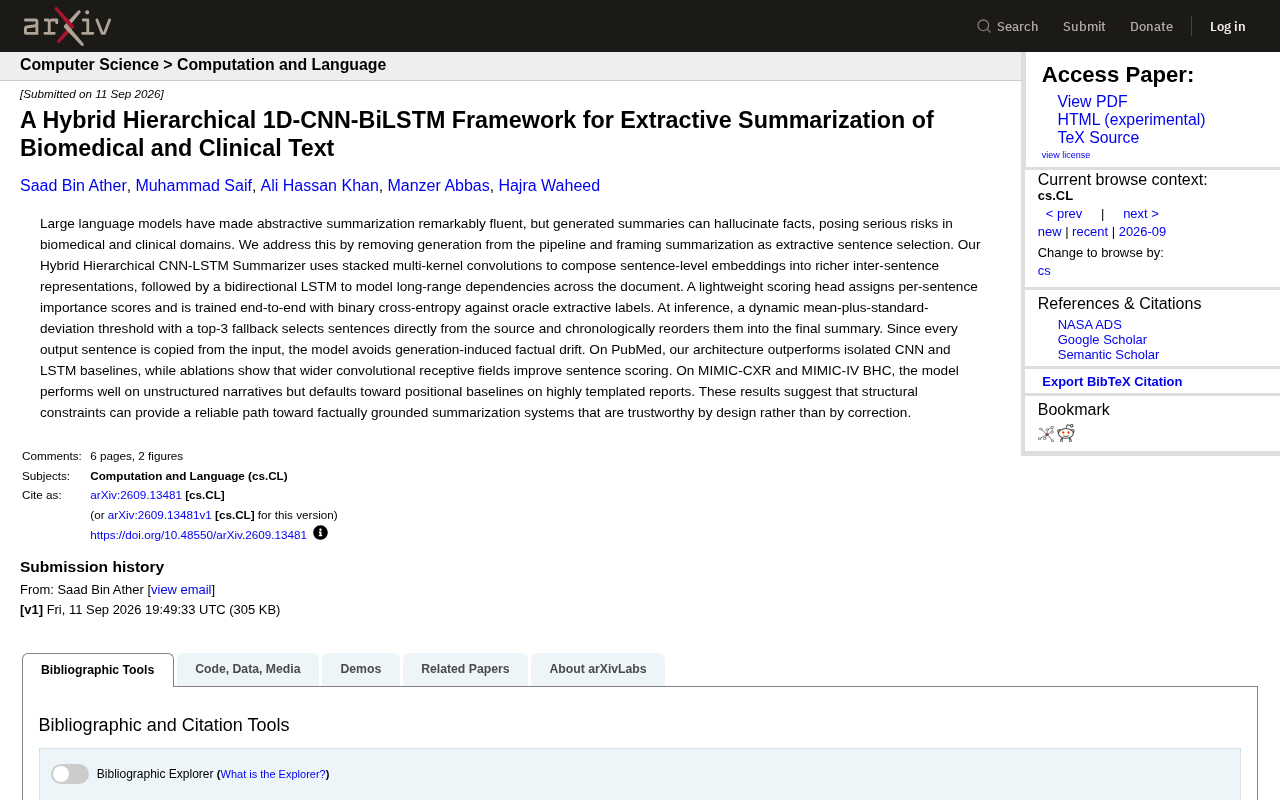
A New Framework for Extractive Summarization: How CNN-BiLSTM Tackles Hallucination in Medical Text
An arXiv paper proposes a Hybrid Hierarchical CNN-BiLSTM extractive summarization framework that eliminates generation to prevent hallucination in biomedical and clinical text, validated on PubMed and MIMIC datasets.
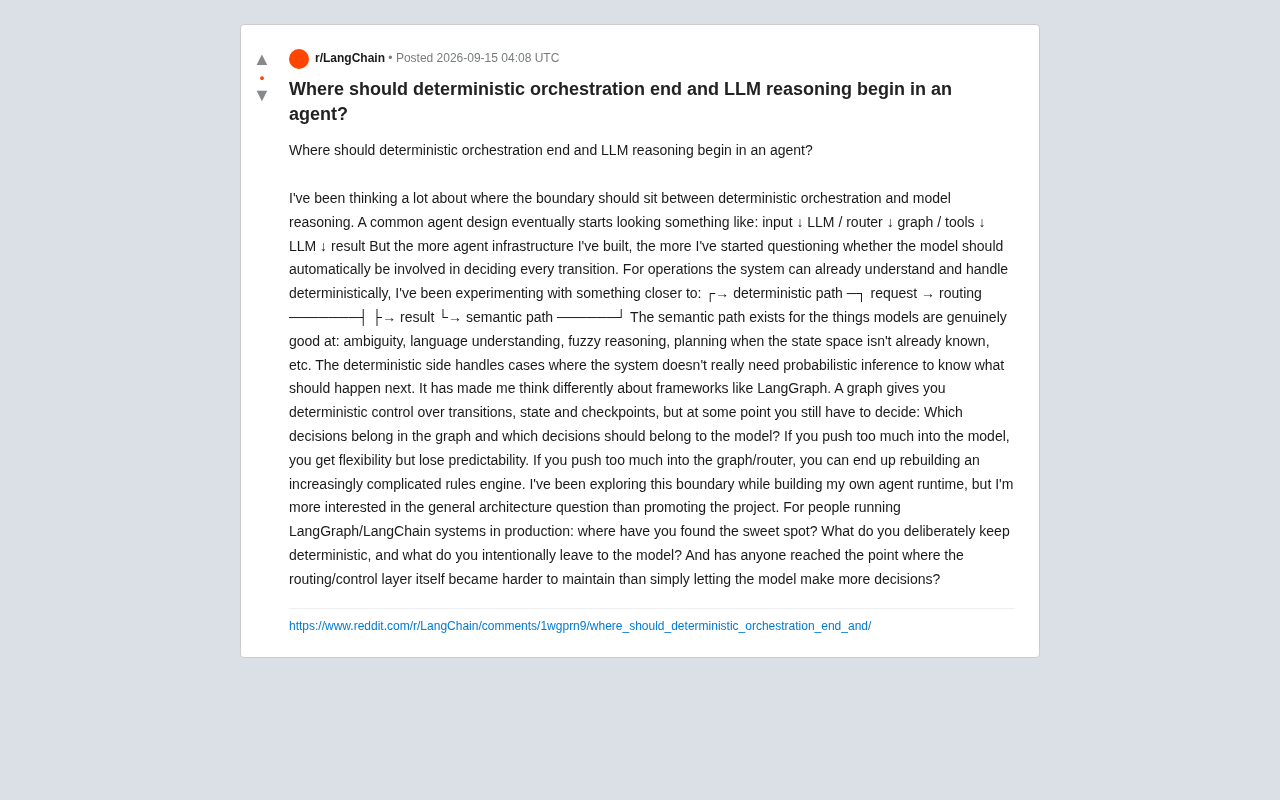
The Core Architecture Decision in AI Agents: Where Should You Draw the Line Between Deterministic Orchestration and LLM Reasoning?
Where should you draw the line between deterministic orchestration and LLM reasoning in AI Agent architecture? This article analyzes linear pipelines vs. forked paths, and what belongs to the graph vs. the model in LangGraph-based systems.
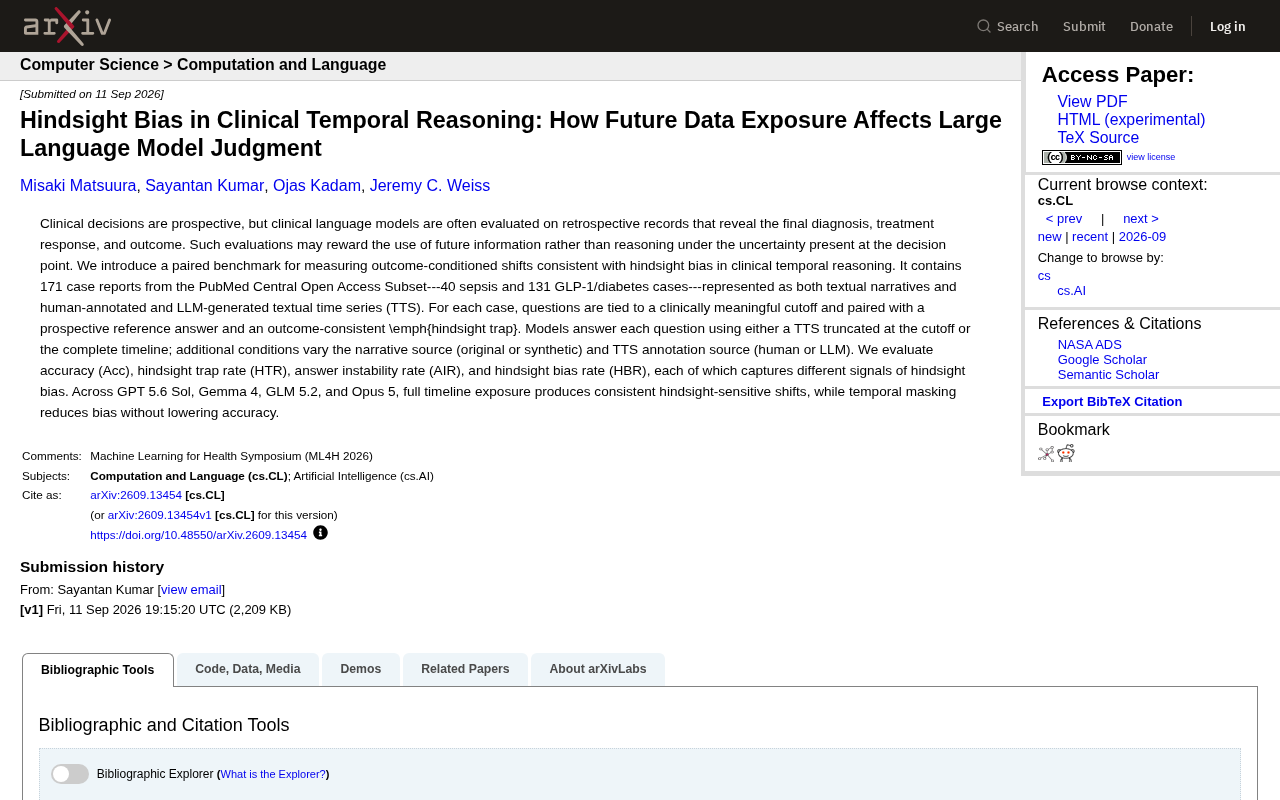
Hindsight Bias in Clinical Temporal Reasoning: How Future Data Skews LLM Judgment
New arXiv research reveals hindsight bias in clinical LLMs: exposure to full outcome timelines causes systematic answer shifts, while temporal masking reduces bias without hurting accuracy.