Developer Open-Sources fleet-monitor-api: A Fleet Monitoring API Finds a New Home
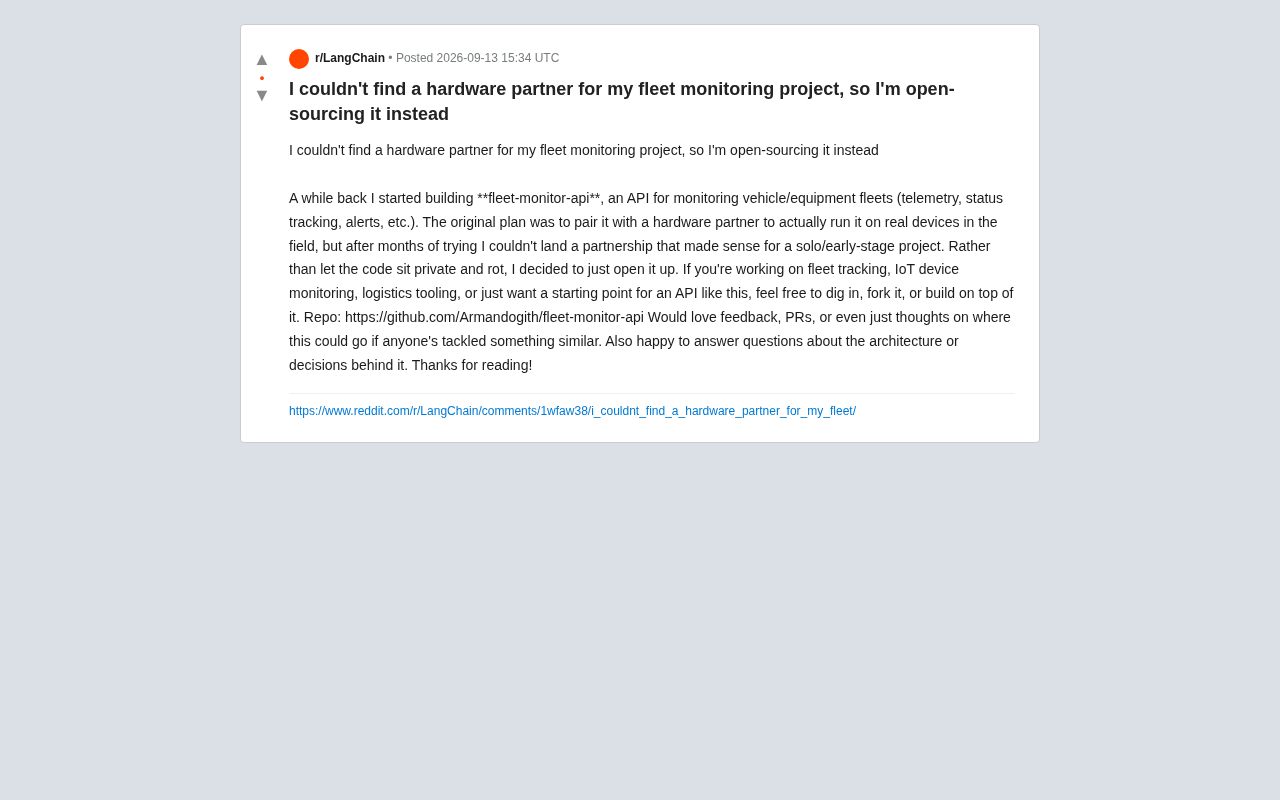
A solo developer open-sources a fleet monitoring API after commercial plans fell through.
An independent developer spent months building fleet-monitor-api — a fleet and IoT device monitoring API with telemetry, status tracking, and alerting. Plans to commercialize it through a hardware partner stalled due to the resource constraints typical of solo projects. Rather than let the code sit idle, the developer chose to open-source it and invite community feedback and PRs. The case highlights a common indie dev dilemma: while software can be built by one person, hardware-adjacent commercialization demands resources beyond any solo team. Open-sourcing offers a pragmatic way to convert sunk costs into community value, and serves as a useful reference for developers in IoT, fleet management, and logistics.
A Commercial Project That Didn't Land — Now Goes Open Source
An independent developer shared their story on Reddit: after spending months building fleet-monitor-api — an API for monitoring vehicle and equipment fleets, covering telemetry data, status tracking, and alerting — they had set out to find a hardware partner to deploy the system on real field devices.
For a solo or early-stage project, finding the right hardware partner turned out to be extraordinarily difficult. After months of attempts without any meaningful partnership materializing, the developer made a pragmatic call: rather than letting the code quietly rot in a private repository, open-source it and let more people benefit.
What This Project Does
Based on the author's description, fleet-monitor-api targets typical fleet and IoT device monitoring scenarios. Its core capabilities include:
- Telemetry data collection: Receives and processes real-time data streams from vehicles or devices
- Status tracking: Continuously records the operational state of each device
- Alerting: Triggers notifications when anomalies occur
The author explicitly notes that if you're building fleet tracking, IoT device monitoring, logistics tooling, or simply want a similar API as a starting point, you're welcome to use it directly, fork it, or build on top of it. The project repository is at github.com/Armandogith/fleet-monitor-api.
Telemetry in fleet and IoT monitoring contexts refers to operational parameters automatically collected by devices and transmitted remotely. Typical data includes GPS location, vehicle speed, fuel consumption, engine RPM, temperature, and battery level. This data is usually pushed periodically to a backend API via MQTT, HTTP, or proprietary protocols. For fleet management, telemetry is the foundation for real-time dispatching, predictive maintenance, and driver behavior analysis. As a backend ingestion layer, fleet-monitor-api must handle high-concurrency writes, device authentication, and persistent storage — precisely what distinguishes this type of API from ordinary business APIs at the architectural level.
From Commercial Setback to Community Collaboration
This case reflects a common dilemma for independent developers. A technically sound product often stalls at a critical point in commercialization — especially for hardware-adjacent projects. A software API can be built by one person, but actually running on physical field devices requires hardware-side cooperation, supply chain support, and potentially significant capital. These are exactly the pieces that a solo team struggles to solve alone.
Open-sourcing the project is a way of converting "sunk costs" into "community value." Instead of sitting idle because no commercial path was found, the code may discover unexpected use cases within the open-source ecosystem. For the developer personally, making the project public is also a way to build technical reputation and attract collaborators.
"Sunk cost" here refers to the development time and effort already invested that cannot be recovered. Open-sourcing a commercial project isn't always a straightforward decision — developers must weigh whether the code contains sensitive business logic, potential competitive risks, and the additional effort required to maintain an open-source community. However, for infrastructure-type projects that failed to commercialize, open-sourcing is often the lowest-cost exit with the greatest potential upside. Historical precedents abound: early HashiCorp products, Parse (later acquired by Facebook and then open-sourced), and others have all traveled the path from commercial exploration to community stewardship. For solo developers, open-sourcing also carries "resume value" — publicly visible code contributions serve as a quantifiable credibility signal in the technical hiring market.
Lessons for Developers in Similar Situations
In the post, the author actively invites the community to provide feedback, submit PRs, or share thoughts on where the project could go from here, while expressing willingness to answer questions about architectural design and the reasoning behind technical decisions. This openness is itself a healthy start for any open-source project.
For developers working in IoT, logistics, or fleet management, a ready-made API skeleton like this has genuine practical value — even if you don't use it directly, its architecture and feature breakdown offer useful reference points. That said, as an early-stage open-source repository transitioned from a commercial project, its documentation completeness, community activity, and long-term maintenance trajectory remain to be seen. Interested developers will need to evaluate these factors on their own.
It's worth reflecting on a broader trend: more and more technically mature projects that lack a commercial landing point are finding a second life through open source. This is both a rational way for independent developers to cut their losses, and something that objectively enriches the diversity of the open-source ecosystem.
Related articles
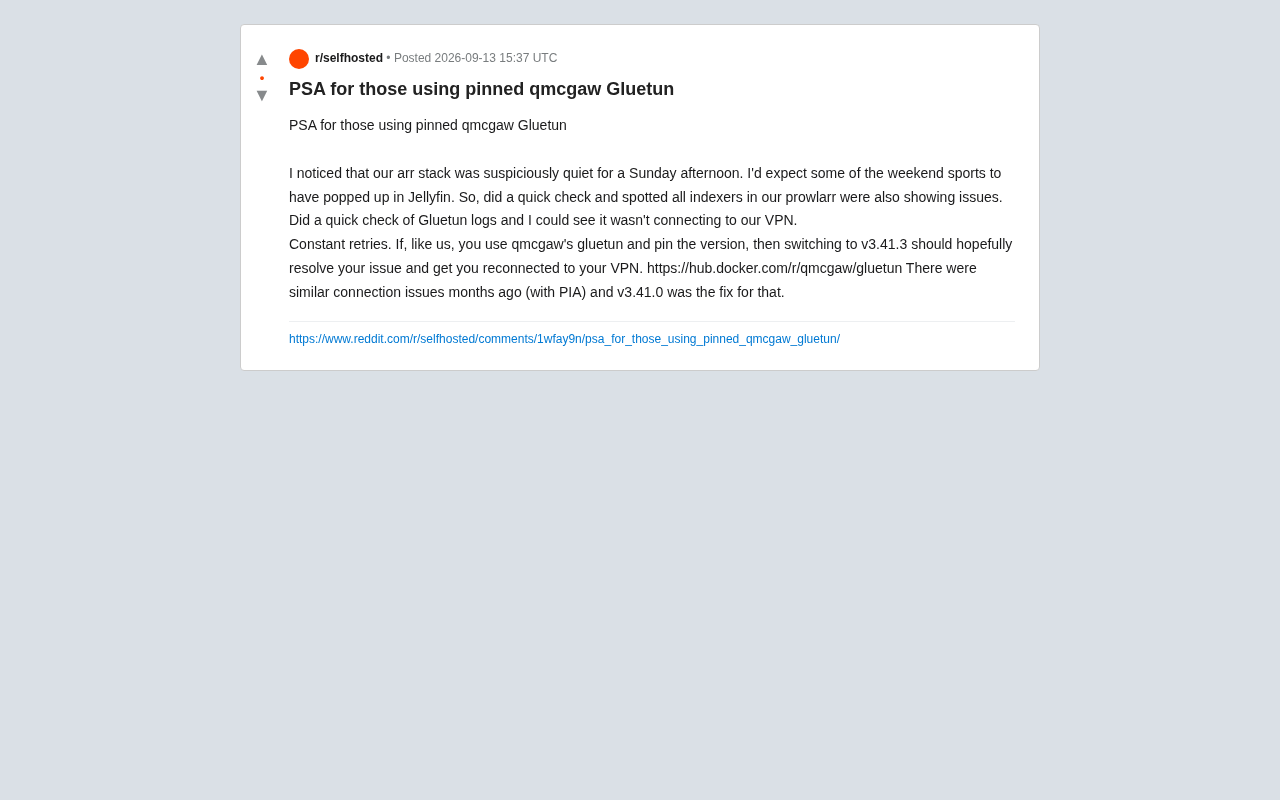
Gluetun VPN Disconnection Troubleshooting: Version-Pinned Users Should Upgrade to v3.41.3
Gluetun version-pinned users may face silent VPN disconnections breaking their arr stack. Learn how upgrading to v3.41.3 fixes the issue and tips to avoid it.
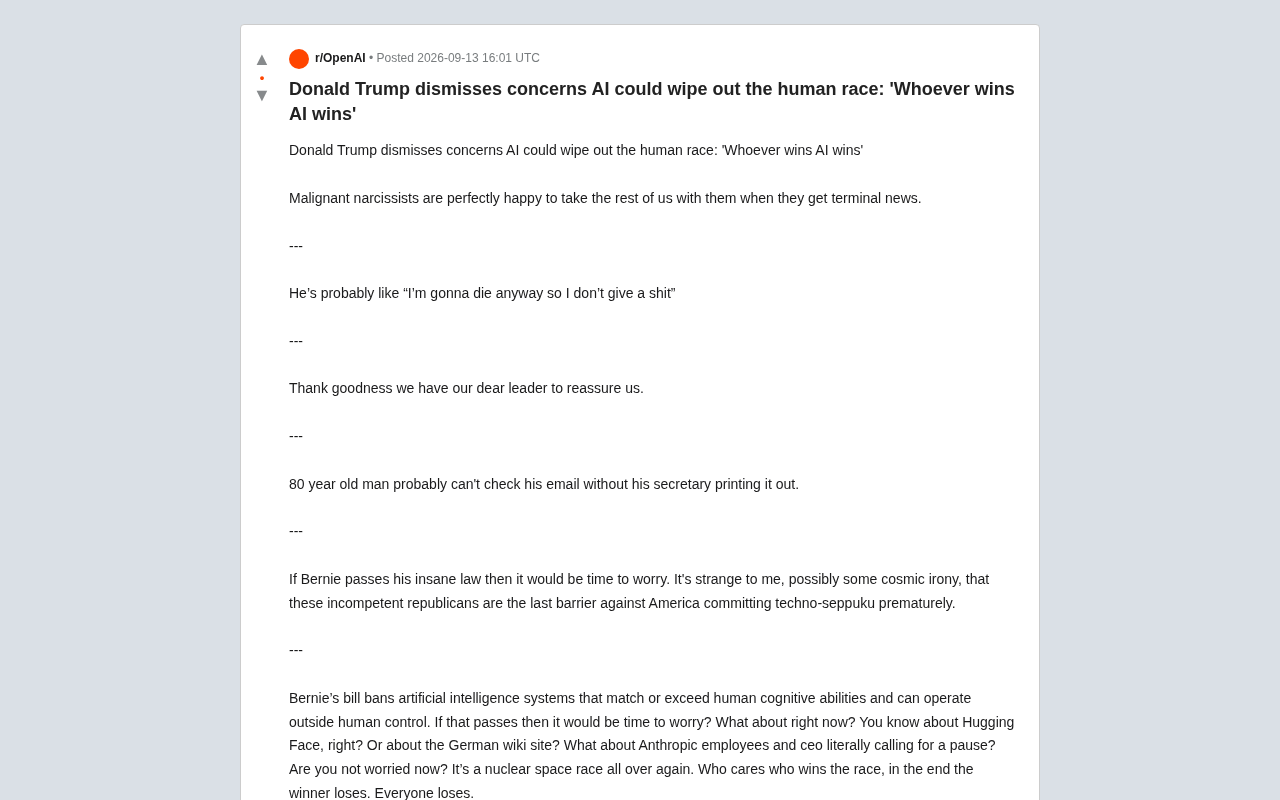
Trump Downplays AI Extinction Risk: 'Whoever Wins AI Wins' Sparks Controversy
Trump downplays AI extinction risks with 'Whoever wins AI wins,' sparking fierce debate over whether AI safety is an urgent reality or a future hypothetical.

David Sacks on AI Regulation: Frontier Models Don't Need Mandatory Legislative Constraints
David Sacks argues OpenAI and Anthropic can self-regulate frontier model development without external legislation. A look at the logic, controversy, and governance dilemmas involved.