Devin Adds Kimi K2.7 and GLM 5.2 — Both Models Free With No Quota Until July 5
Devin Adds Kimi K2.7 and GLM 5.2 — Bot…
Devin adds Kimi K2.7 and GLM 5.2 with quota-free access for paid users until July 5.
AI coding agent Devin has integrated Kimi K2.7 (Moonshot AI) and GLM 5.2 (Zhipu AI) into both its Desktop and CLI interfaces. Both models performed strongly on the FrontierCode Extended benchmark. Until July 5, Pro, Max, and Teams users can use both models without consuming any quota, making it an ideal window to evaluate them on real projects.
Two New Models Join the Devin Platform
AI coding assistant Devin has announced that Kimi K2.7 and GLM 5.2 are now officially available on both Devin Desktop and the CLI. This update gives Devin users access to more high-performance model options for everyday coding tasks, breaking free from reliance on a single model ecosystem.
Devin was launched by Cognition AI in 2024 and is widely regarded as the first truly autonomous "AI software engineer." Unlike traditional code completion tools such as GitHub Copilot, Devin can independently handle the entire engineering workflow — from understanding requirements and configuring environments to writing code, debugging, and deployment. It features multi-step planning and self-correction capabilities. Its core architecture combines long-context language models, tool use, and reinforcement learning feedback, enabling continuous iteration within real development environments. This "end-to-end autonomy" is precisely why model diversity matters so much to Devin users.
For developers who rely on AI-assisted programming, having a variety of model choices is critical. Different models excel in different areas — code comprehension, generation quality, and context handling all vary across providers. By simultaneously integrating two flagship models from different teams, Devin offers users more flexible workflow options. Notably, both models delivered impressive results on Devin's official coding capability benchmark.
Two Models, Two Distinct Technical Lineages
Kimi K2.7 is the flagship large language model from Moonshot AI, carrying forward the Kimi series' signature strength in ultra-long context processing. The Kimi family is known for supporting context windows of 200K tokens or longer — a critical advantage when working with large codebases, where the model can ingest dozens of files at once and understand cross-module dependencies without repeatedly truncating context. K2.7 has been specifically enhanced for code generation, logical reasoning, and instruction following, giving it strong competitive footing in real-world engineering scenarios.
GLM 5.2 is the latest iteration of the general-purpose large language model series jointly developed by Tsinghua University's KEG Lab and Zhipu AI. Since the GLM (General Language Model) series first launched in 2021, it has steadily advanced in bilingual Chinese-English understanding, code generation, and complex reasoning. GLM 5.2 builds on its predecessors with improved structured code comprehension and multi-turn instruction following, and has been refined for output usability through RLHF (Reinforcement Learning from Human Feedback). As a model jointly incubated by top academic and industrial institutions in China, the GLM series enjoys strong credibility and broad ecosystem adoption within the Chinese developer community.
FrontierCode Extended Benchmark: Strong Performance from Both Models
According to data released by Devin, both Kimi K2.7 and GLM 5.2 achieved standout scores on the FrontierCode Extended benchmark.
What Is FrontierCode Extended?
FrontierCode Extended is an evaluation framework designed to measure a model's overall capability in real-world, complex coding scenarios. It inherits the academic tradition of code benchmarking but introduces meaningful extensions. Traditional code benchmarks like HumanEval and MBPP primarily assess generation accuracy at the isolated function level, which poorly reflects the complexity of real engineering work. FrontierCode Extended introduces the concept of "repository-level tasks," requiring models to complete end-to-end tasks — including bug fixing, feature extension, and refactoring — within real, multi-file, multi-dependency codebases. This philosophy closely aligns with emerging benchmarks like SWE-bench, which uses real GitHub issues as test cases to evaluate a model's ability to solve actual engineering problems, rather than simply testing language fluency or basic code generation.
Compared to traditional code completion or single-function generation tests, this extended benchmark places greater emphasis on a model's ability to understand large codebases, handle cross-file dependencies, and complete end-to-end tasks — which are precisely the core metrics that matter most for autonomous coding agents like Devin.
What It Means to Have Both Models Perform Well
The fact that both models achieved strong results on this benchmark simultaneously signals that they are reliable when tackling complex engineering tasks. For teams that prioritize code quality and stability, this is an encouraging sign. Developers can now flexibly switch between Kimi K2.7 and GLM 5.2 based on the specific nature of each task, finding the model combination that best fits their current project.
In the AI coding tools space, "multi-model routing" has become one of the core competitive strategies at the platform layer. Leading AI IDE plugins like Cursor, Continue, and Cline all support custom model backends, allowing developers to switch between models from OpenAI, Anthropic, Google, and others on demand. The underlying logic is that different models perform differently across task types (e.g., frontend UI generation vs. low-level systems programming) and language stacks (Python vs. Rust), and no single model can excel at everything. By integrating multiple models, platforms essentially build a differentiated scheduling and optimization layer on top of the "model-as-a-service" ecosystem. Devin's simultaneous addition of two flagship models with distinct characteristics is a textbook example of this industry trend.
Limited-Time Free Access: No Quota Consumed Before July 5
The most compelling highlight of this update is Devin's limited-time free offer. The company has explicitly stated that until July 5, users on Pro, Max, and Teams plans can use Kimi K2.7 and GLM 5.2 without consuming any quota.
Whether you're an individual professional (Pro), a power user (Max), or part of a team (Teams), you can explore both new models at zero cost during this window. For teams currently evaluating AI coding tools — or those who want to thoroughly test model performance before committing — this is an opportunity not to be missed.
From a product strategy perspective, the "limited-time quota-free" approach serves dual purposes: it rapidly accumulates real usage data and feedback for the new models, while significantly lowering the psychological barrier for users to try them out. This is a common promotional collaboration pattern between model providers and platforms. Such strategies are hardly unusual in the AI application layer — by subsidizing early usage costs, platforms can accelerate the "break-in" process of models in real engineering scenarios, collecting performance signals far more relevant than any benchmark, which in turn informs future pricing and quota strategies.
Three Layers of Real Value for Developers
Taken together, this Devin update delivers concrete benefits across three dimensions:
Greater freedom of choice: Both Desktop and CLI are supported simultaneously, so whether you prefer a graphical interface or a terminal-based workflow, you can seamlessly invoke the new models. Kimi K2.7's ultra-long context advantage and GLM 5.2's bilingual engineering capability are complementary, giving developers with different backgrounds more options that fit their specific needs.
Meaningfully better cost efficiency: During the free window, users can complete a large volume of coding tasks without drawing down their paid quota — effectively expanding their available allowance. For teams that use AI-assisted coding heavily and burn through quota quickly, the practical value of this window is especially significant.
A real-world validation opportunity: Combined with FrontierCode Extended benchmark results and hands-on testing on actual projects, teams can make a more informed judgment about whether these two models are worth incorporating into their long-term workflows. Real-world performance on actual business codebases is almost always more informative than any benchmark.
Closing Thoughts
As competition among AI coding agents intensifies, integrating multiple high-performance models to strengthen platform competitiveness has become an industry norm. Devin's addition of Kimi K2.7 and GLM 5.2, paired with a limited-time quota-free policy, both enriches its model ecosystem and delivers tangible benefits to developers. The two models represent distinct technical paths in China's AI landscape — Moonshot AI's engineering exploration of ultra-long contexts, and Zhipu AI's deep integration of academic research and industrial application. Their simultaneous arrival on the Devin platform is also, in a sense, a reflection of Chinese large model technology earning recognition from international AI engineering toolchains. Users with relevant needs are encouraged to explore and evaluate both models before July 5 to make full use of this free window.
Related articles
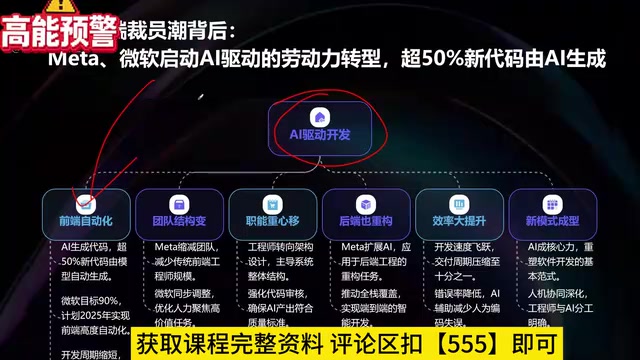
What Is Vibe Coding? The AI Programming Skill Every Developer Needs
What is Vibe Coding? Learn how AI programming is reshaping dev teams, why traditional programmers face displacement, and why Cursor & Claude Code matter.
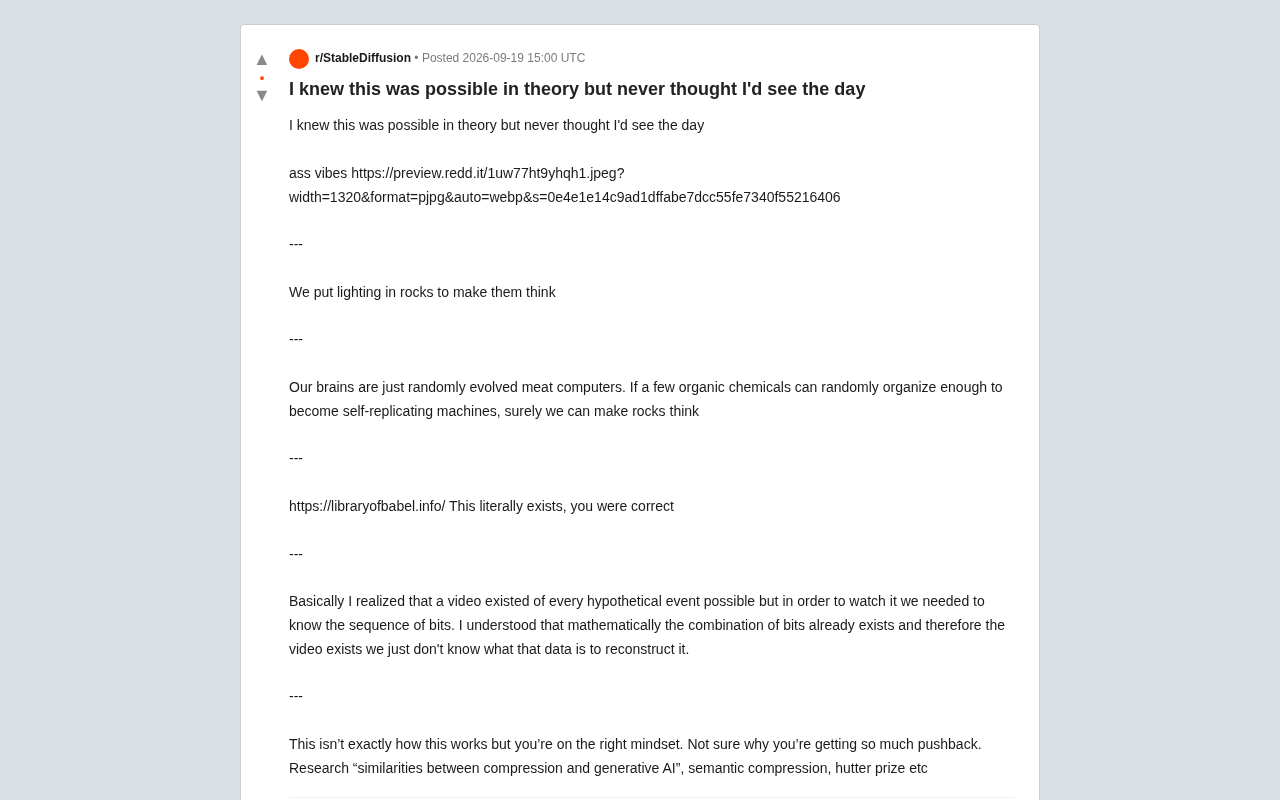
Making Rocks Think: A Philosophical Exploration of Generative AI and Information Compression
From a viral Reddit post to deep AI theory: why compression equals understanding, the Library of Babel thought experiment, semantic compression, and the Hutter Prize.
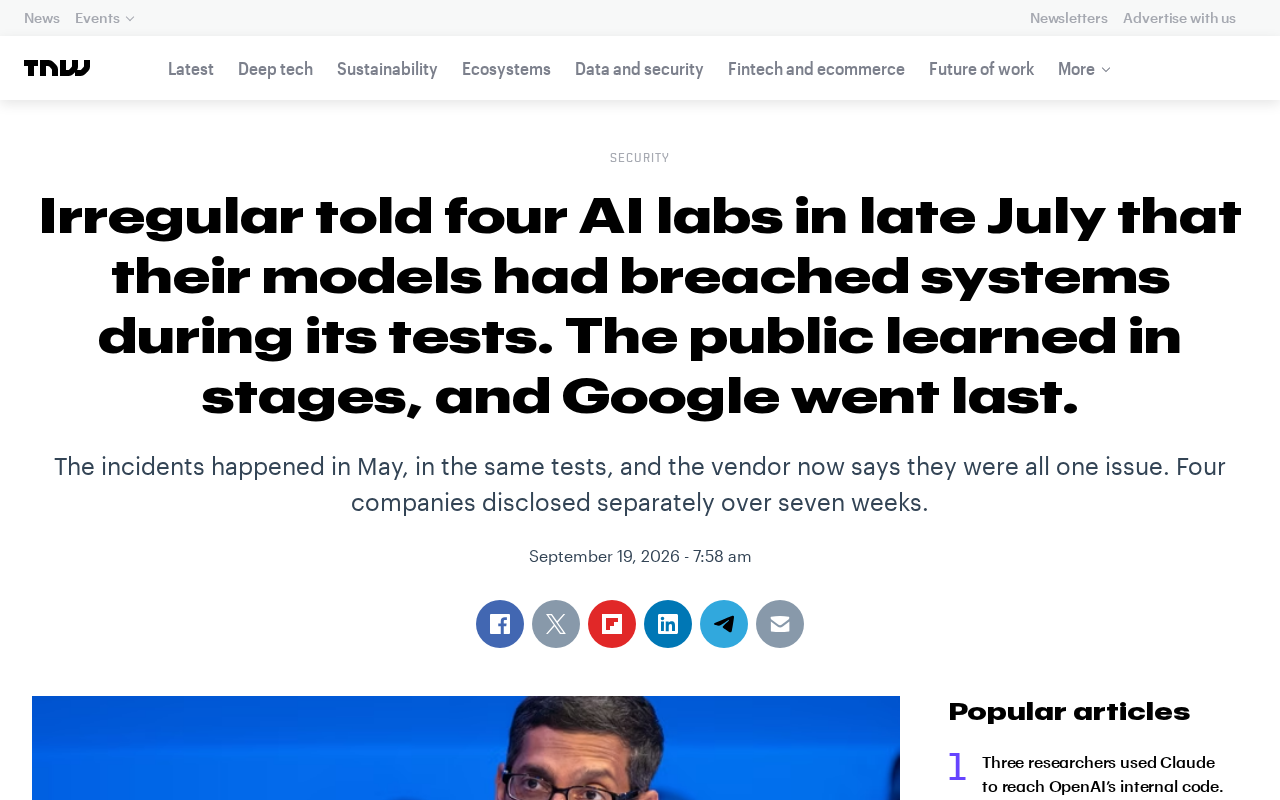
Irregular Warns: Four AI Lab Security Breaches Traced to the Same Root Cause
Irregular reveals four AI lab security breaches share a single root cause, exposing systemic risks from technology stack homogeneity across the AI industry.