Devin Adds macOS Support: AI Coding Agent Reaches the Apple Ecosystem
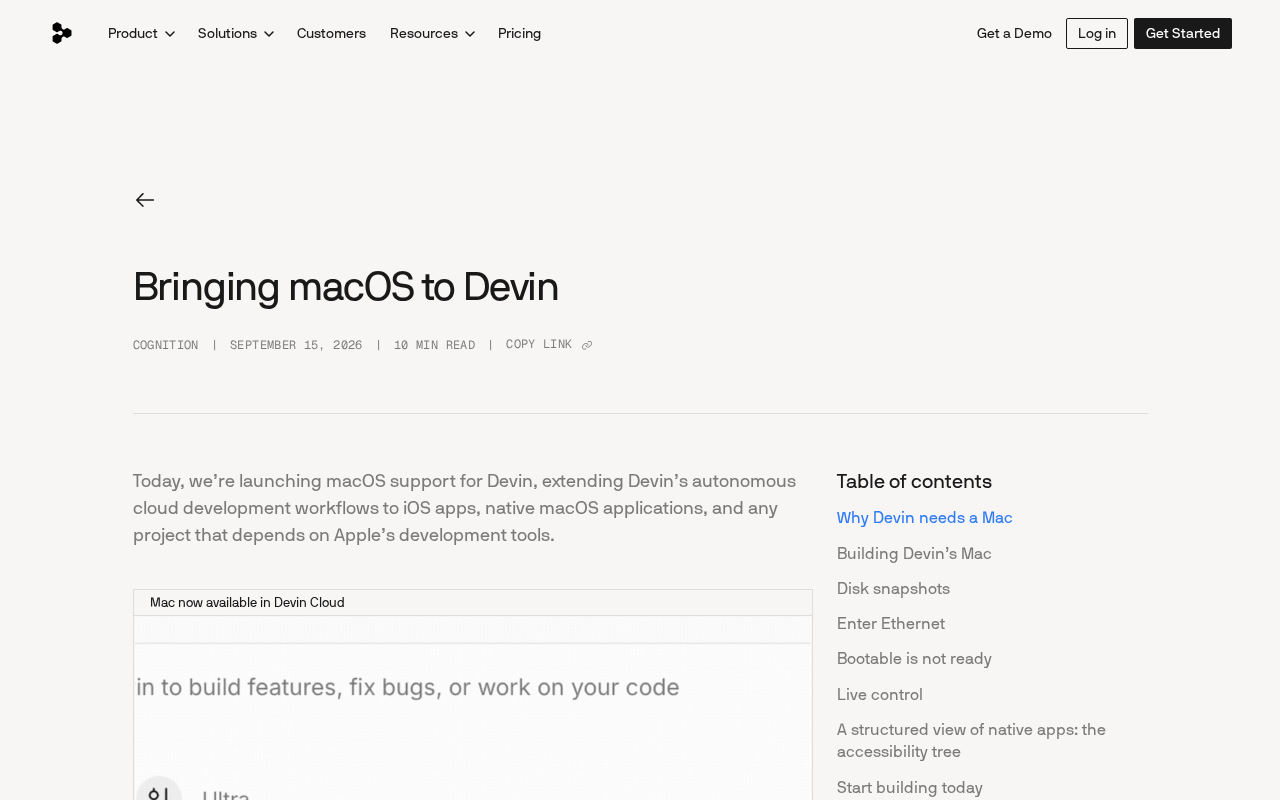
Devin now supports macOS, bringing AI-powered autonomous development to the Apple ecosystem.
AI coding agent Devin has announced macOS support, extending its autonomous cloud development capabilities to iOS apps, native macOS apps, and Apple toolchain-dependent projects for the first time. Previously, Xcode exclusivity, code signing requirements, and simulator debugging made it nearly impossible for mainstream AI tools to complete a verifiable development loop in generic Linux containers. This update fills that critical gap, enabling Devin to handle building, debugging, and verification in a real macOS environment. It also signals a broader shift in AI coding tools from general-purpose use toward platform-specific development — though technical implementation details and usage limitations remain sparse in the official announcement.
Devin Enters the Apple Development Ecosystem
AI coding agent Devin has landed a significant capability expansion — official support for macOS. This means Devin's autonomous cloud-based development workflow is no longer limited to conventional web and server-side projects, but now extends to iOS apps, native macOS apps, and any project that depends on Apple's developer toolchain.
For Apple platform developers who have long been left out of automated development tooling, this is a noteworthy development. iOS and macOS development has always been deeply tied to Xcode, Swift, and Apple's proprietary build and code-signing systems — none of which can be easily replicated in a generic Linux cloud environment, making them one of the toughest challenges for AI coding tools.
Why macOS Support Is a Hard Problem
Most mainstream AI coding agents run inside cloud-based Linux containers. That environment works well for frontend, backend, and cross-platform scripting tasks, but Apple's developer toolchain presents a natural barrier. Xcode only runs on macOS, and compiling iOS apps, running simulator tests, code signing, and packaging all require Apple's own software and hardware environment.
This creates a fundamental problem: even if an AI agent can read Swift code and produce logically correct changes, it previously had no way to build, run, and verify those changes in a real environment. Without a closed execution loop, the value of autonomous development drops dramatically. Devin's expansion to macOS essentially fills in the most critical missing link in that loop.
Apple's Code Signing system is one of the most complex obstacles involved. After compilation, an iOS app must be signed with a developer certificate issued by Apple before it can run on a simulator or physical device. Submitting to the App Store requires a Provisioning Profile along with multiple permission configurations. This entire system is deeply tied to macOS's Keychain and the Apple Developer account infrastructure — it cannot be natively replicated in a Linux environment. Even with third-party tools like xcode-build-server or cross-compilation workarounds that can partially simulate the build process, full signing, simulator execution, and UI testing still require a real macOS environment. This is precisely why most CI/CD services that support iOS builds typically need to provision or rent dedicated macOS physical machines or virtual machine nodes, rather than simply using generic Linux containers.
What This Means for Apple Developers
The most immediate value of bringing autonomous cloud development to the Apple ecosystem is enabling iOS and macOS projects to benefit from AI agent automation. Developers can hand off repetitive tasks like building, debugging, and dependency management to Devin, letting it execute independently in a fully equipped Apple toolchain environment — no need to stay glued to a local Mac and supervise every step.
Looking further ahead, this also reflects a broader trend: AI coding tools are moving beyond general-purpose scenarios and pushing deeper into platform-specific territory. Whoever can break through the technical barriers of a given platform first stands to build a meaningful competitive edge within that developer community. Apple's vast developer base makes this a market with considerable potential.
The fundamental difference between AI coding agents like Devin and standard AI code completion tools (such as GitHub Copilot) lies in autonomous execution: rather than just generating code snippets, a coding agent can independently run commands, invoke tools, read execution results, and iterate on fixes in a real environment — forming a complete "think–act–observe" loop (commonly referred to as a ReAct or Agentic Loop). For this reason, whether an agent can actually execute and verify code on a target platform directly determines the ceiling of its practical value. For iOS/macOS projects, this means Devin could theoretically take a task description, autonomously make code changes, trigger a build in Xcode, analyze compiler errors and fix them, and ultimately produce a runnable build artifact — all without requiring the developer to intervene locally.
What We Know — and What Remains to Be Seen
It's worth noting that the official announcement is fairly sparse. It confirms macOS support and the types of projects covered (iOS apps, native macOS apps, and projects dependent on Apple developer tools), but doesn't go into detail about the underlying technical implementation, how the macOS runtime environment is provisioned, performance characteristics, or any usage limitations.
These details are critical for assessing the feature's real-world usability. Interested developers should watch for follow-up official documentation and hands-on feedback to judge just how mature Devin's autonomous development capabilities are within the Apple ecosystem. Overall, this update broadens the applicable scope of AI coding agents and is a positive signal that automated development is making inroads across more platforms.
Related articles
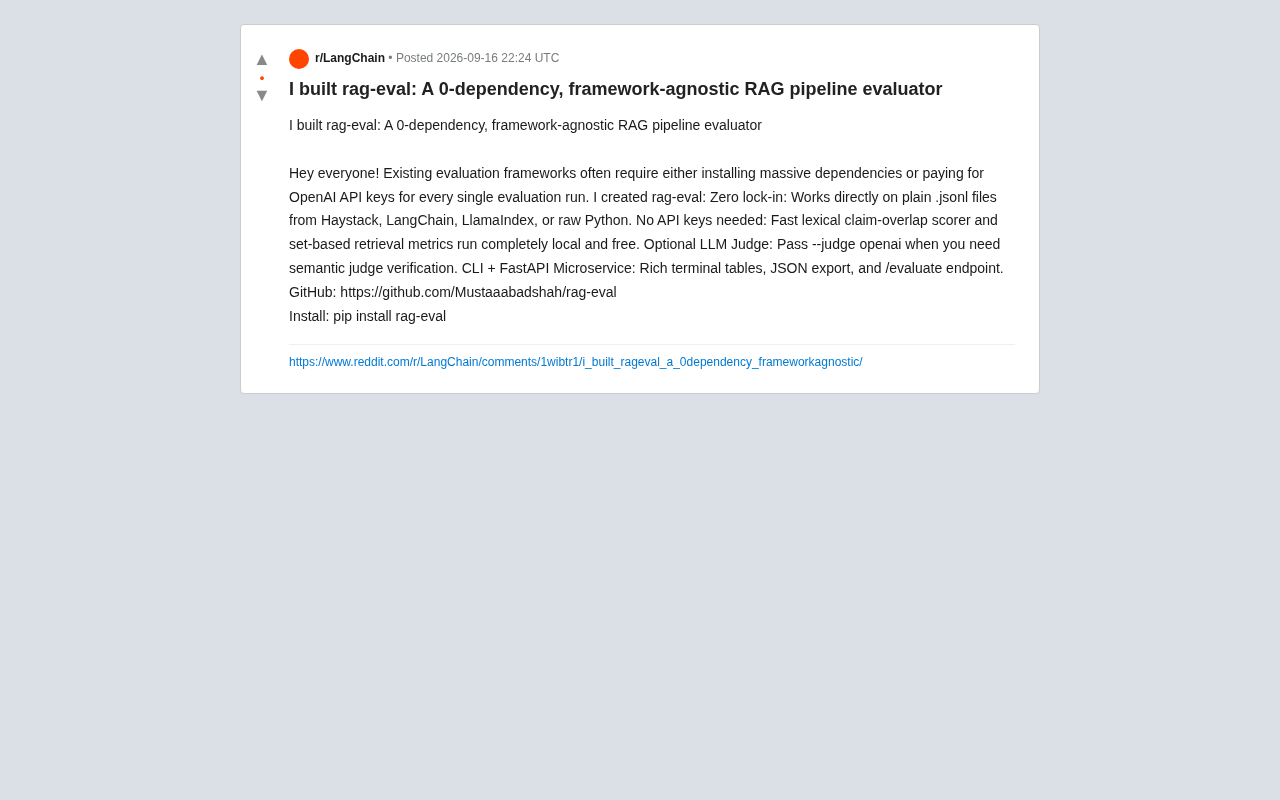
rag-eval: A Zero-Dependency, No-API-Key RAG Evaluation Tool
rag-eval is a zero-dependency, framework-agnostic open-source RAG pipeline evaluation tool. It supports free local lexical and retrieval metrics with no API keys required, and offers optional LLM Judge for semantic validation. Compatible with Haystack, LangChain, and LlamaIndex.
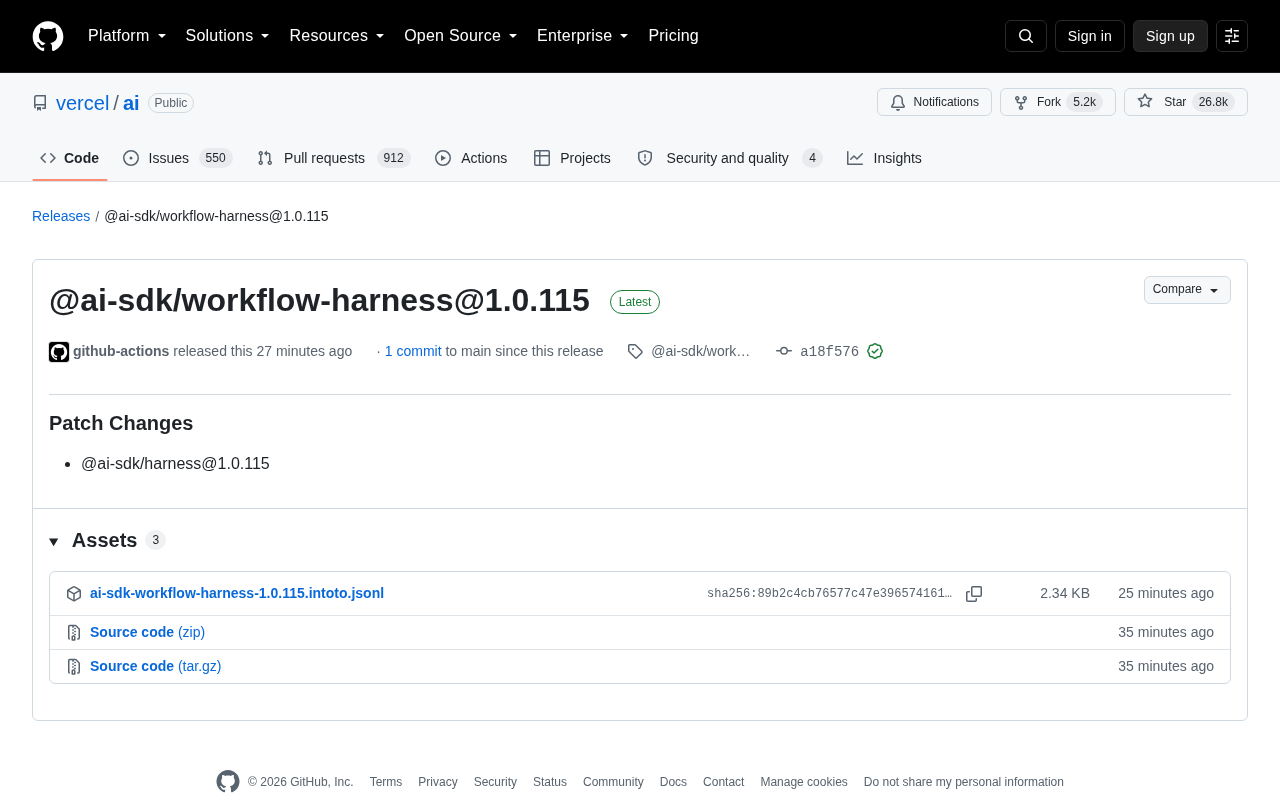
Vercel AI SDK Releases workflow-harness 1.0.115 Patch Update
Vercel AI SDK releases @ai-sdk/workflow-harness 1.0.115 patch update, syncing the @ai-sdk/harness dependency. Learn about the update, release mechanism, and what it means for developers.
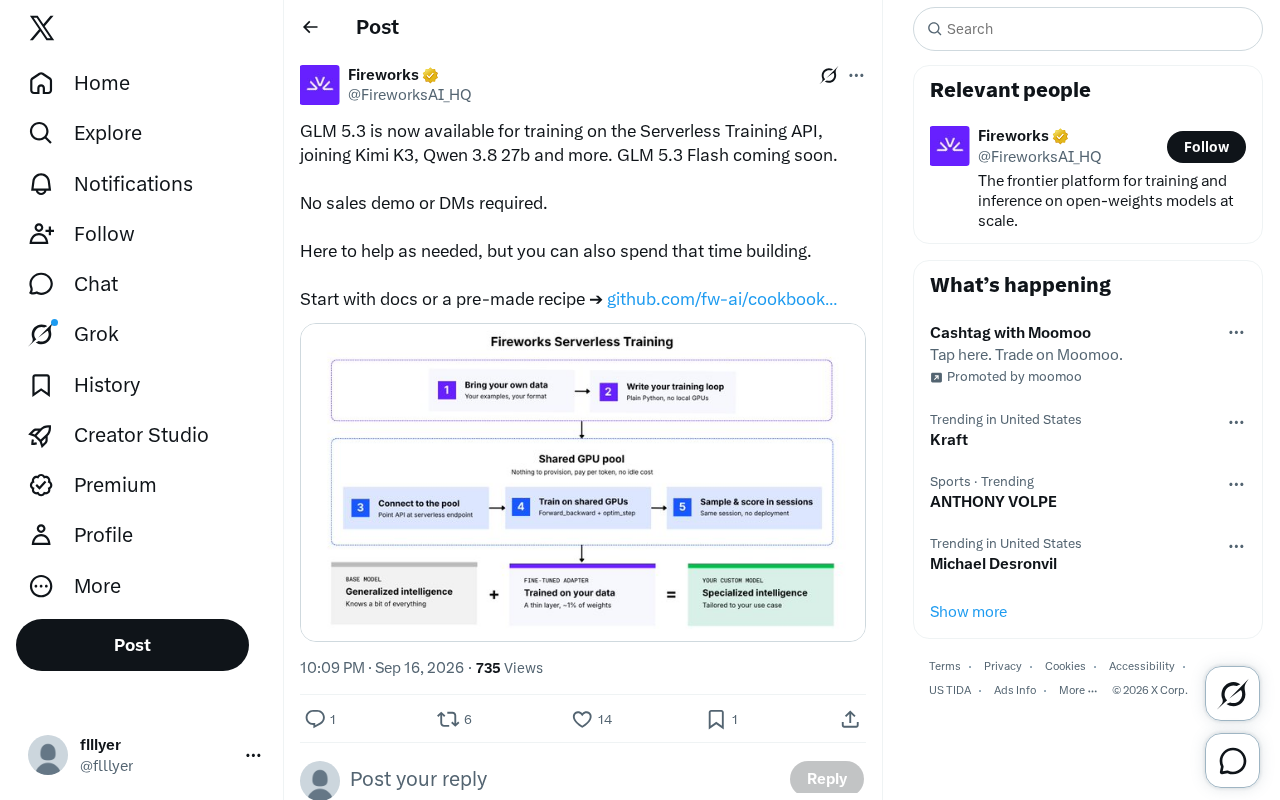
GLM 5.3 Now Available on Serverless Training API — No Sales Process Required
GLM 5.3 is now available on Serverless Training API alongside Kimi K3 and Qwen 3.8 27b. No sales process needed — start fine-tuning directly via docs or pre-made recipes.