Director AI: An Open-Source App That Generates Comic Dramas on Mobile With One Tap
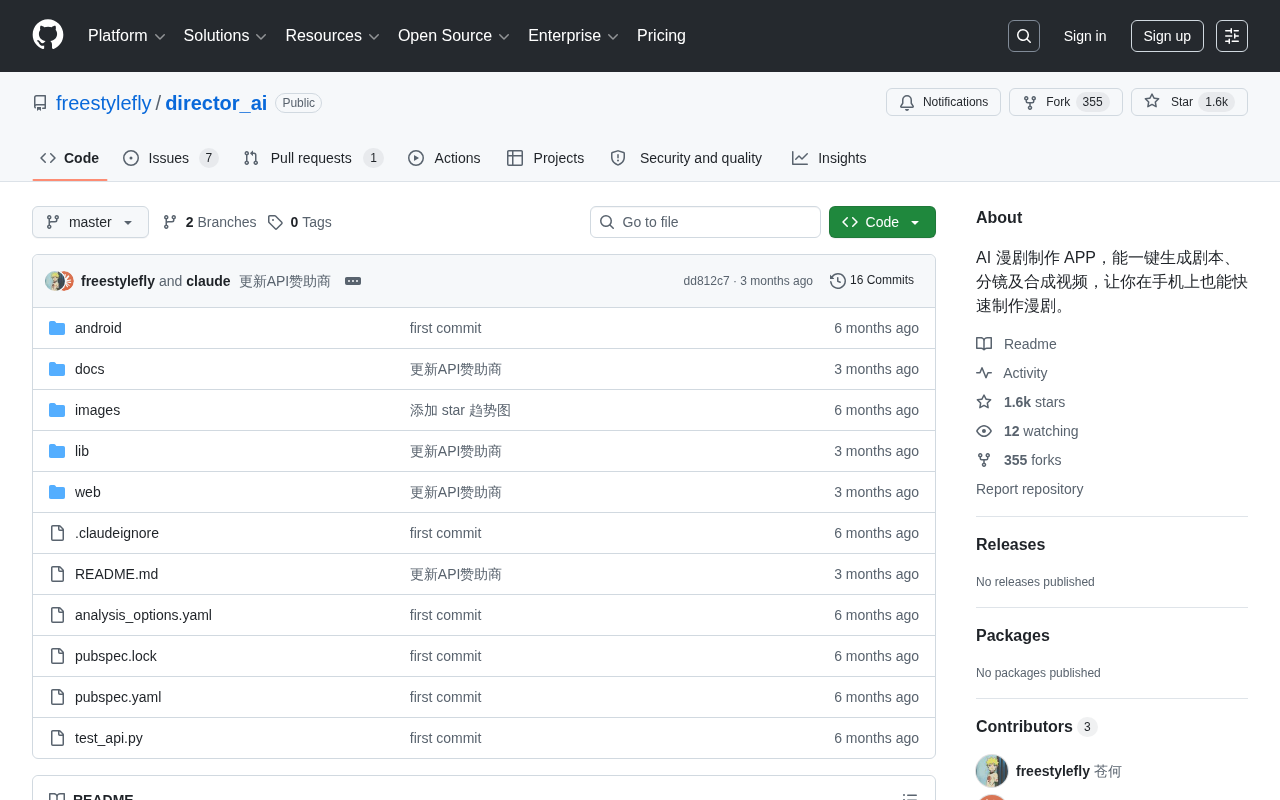
Director AI is an open-source Python app that turns a story idea into a comic drama video on mobile in one tap.
Director AI is an open-source mobile AI tool for comic drama production (1,472 GitHub Stars) built in Python. It integrates three traditionally multi-person production stages — script generation, storyboard design, and video compositing — into a single automated pipeline. Users input a story idea; the app calls an LLM to expand it into a script, breaks the script into shot sequences, and outputs a playable video, completing the full creative loop on a phone. The tool lowers barriers for individual creators but remains constrained by underlying model quality, making it best suited for rapid drafting and idea validation rather than replacing professional production on commercial projects.
What Is Director AI
Director AI (GitHub project: freestylefly/director_ai) is a mobile application focused on AI-powered comic drama production. It compresses three stages that traditionally require a professional team — scriptwriting, storyboarding, and video compositing — into a single phone app. Users simply provide an idea and walk away with a finished comic drama.
By the numbers, the repository has earned 1,472 Stars and 331 Forks, with Python as its primary language. For a niche content-generation tool, that level of attention signals it has hit a real pain point for short-video and comic-drama creators: high production barriers, long turnaround times, and steep costs.
Core Capabilities: A Full Pipeline From Script to Finished Video
The biggest selling point of Director AI is the complete pipeline hidden behind the word "one-tap." Traditional comic drama production typically involves a writer crafting the script, a storyboard artist breaking it into frames, and post-production handling video compositing. This app aims to automate that entire chain with AI.
Script Generation
The user enters a story theme or a brief premise, and the system expands it into a full script complete with plot progression and dialogue. This step relies on a large language model's text-generation capability to transform scattered ideas into structured narrative — the foundational input for every subsequent stage.
Storyboard Design
Once the script is ready, the tool breaks the written story into individual visual shots — the "storyboard" of comic drama production. This stage determines what each frame shows and how cuts are made, directly shaping the pacing and feel of the final video. It's what sets comic dramas apart from ordinary illustrated articles.
Video Compositing
The final step assembles the generated visuals, dialogue, and shot sequence into a playable video. For creators, this means no need to open a professional editing suite — the entire loop from idea to finished product closes on a single phone.
Why It's Worth Watching
Comic dramas (also called short dramas or vertical-scroll videos) have surged on short-video platforms in recent years, becoming one of the hottest formats in content creation. Yet the biggest obstacle for individual creators is exactly the professional expertise each production stage demands. Director AI's value lies in lowering that barrier: it hands a workflow that once required a multi-person team to a single person with a single phone.
As an open-source project, it carries two distinct meanings. For everyday users, it's a ready-to-use comic drama generation tool. For developers, its 1,472 Stars and 331 Forks reflect a community willing to build on top of it — making it a useful reference for studying how LLM-based text generation and video compositing can be chained together into a coherent technical pipeline.
Thoughts on Usage and Secondary Development
The project is built in Python, making it approachable for developers familiar with the AI ecosystem and easy to extend — whether that means plugging in different model services or swapping out individual stages of the pipeline. Users who want to get started can find the source code and deployment instructions in the GitHub repository.
A sober assessment is warranted, though: AI one-tap comic drama generation is currently best suited for rapid drafting, validating ideas, or producing lightweight content. The depth of the script, the artistry of the storyboard, and the visual quality of the video are all constrained by the capabilities of the underlying models. For commercial projects that demand a high degree of polish, AI-generated output works better as a first draft or a productivity aid rather than a complete replacement for human creativity.
Conclusion
Director AI represents one approach to deploying AIGC in a vertical content domain: rather than building a general-purpose large model, it packages mature generative capabilities into a pipeline tailored to a specific use case. For comic drama creators, it opens up the possibility that anyone can produce content; for developers, it serves as an open-source case study in how multimodal content generation can be engineered end-to-end. As the underlying models continue to improve, the practical potential of tools like this — full-stack, end-to-end content generation — still has significant room to grow.
Related articles
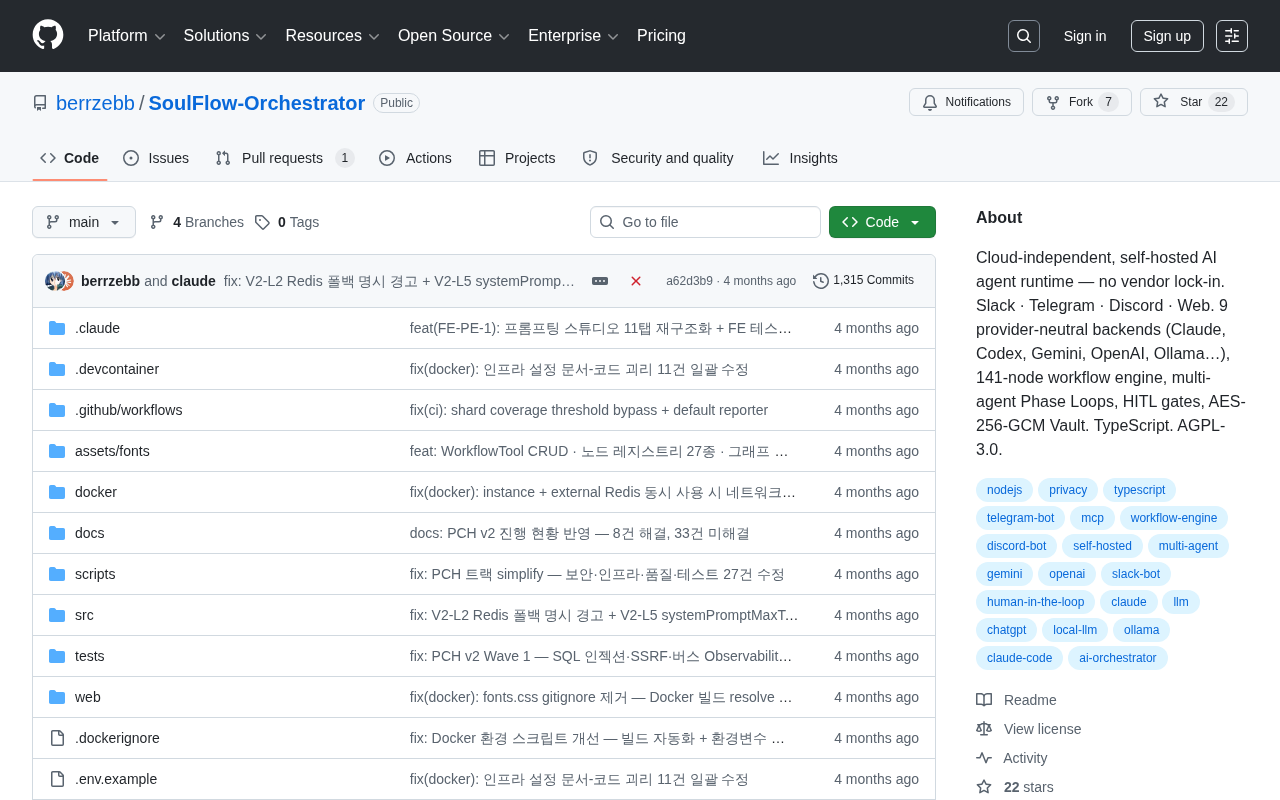
SoulFlow-Orchestrator: A Self-Hosted, Vendor-Lock-In-Free AI Agent Runtime
SoulFlow-Orchestrator is an open-source, self-hosted AI agent runtime with no vendor lock-in. Supports 9 neutral backends (Claude, OpenAI, Ollama), 141-node workflow engine, multi-agent loops, and HITL gates.
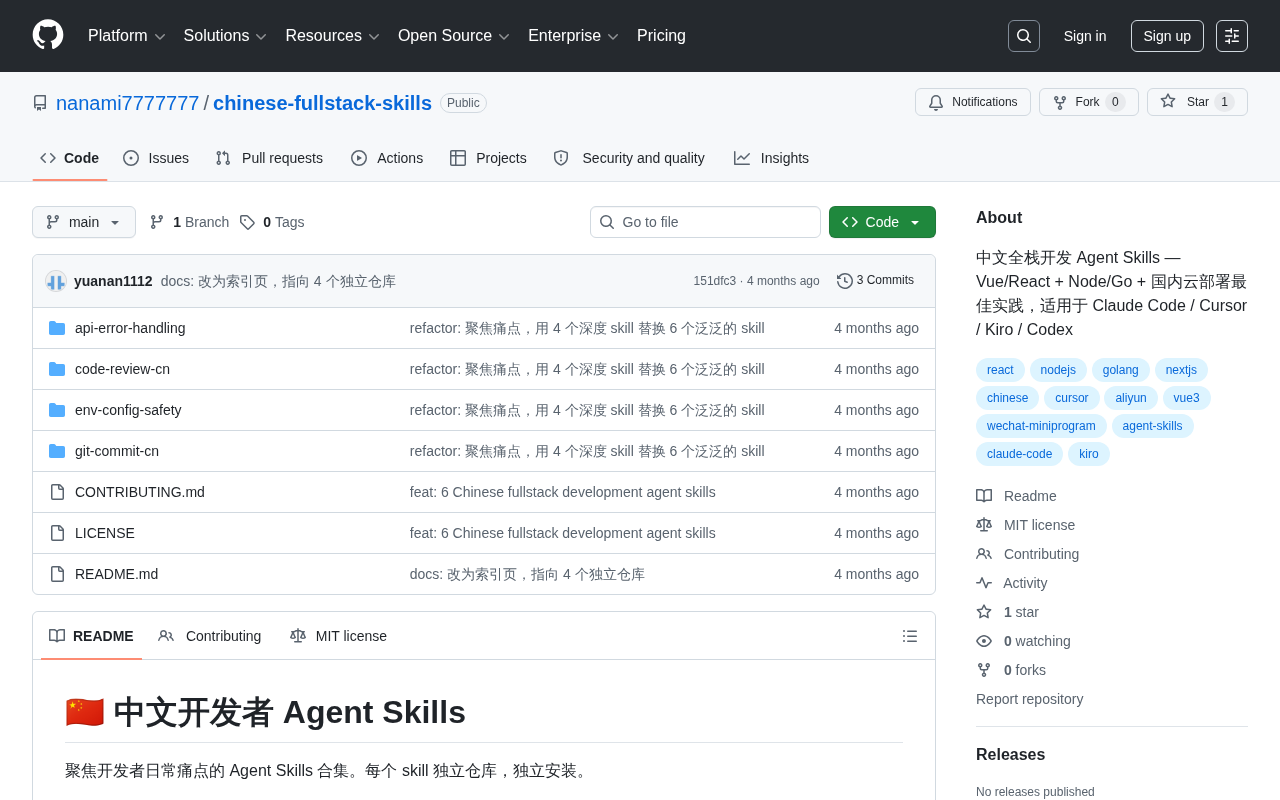
Chinese Full-Stack Agent Skills: A Skill Library Tailored for Domestic AI-Assisted Development
chinese-fullstack-skills is an Agent Skills library for Chinese full-stack development, covering Vue/React, Node/Go, and domestic cloud deployment best practices. Compatible with Claude Code, Cursor, Kiro, and Codex.
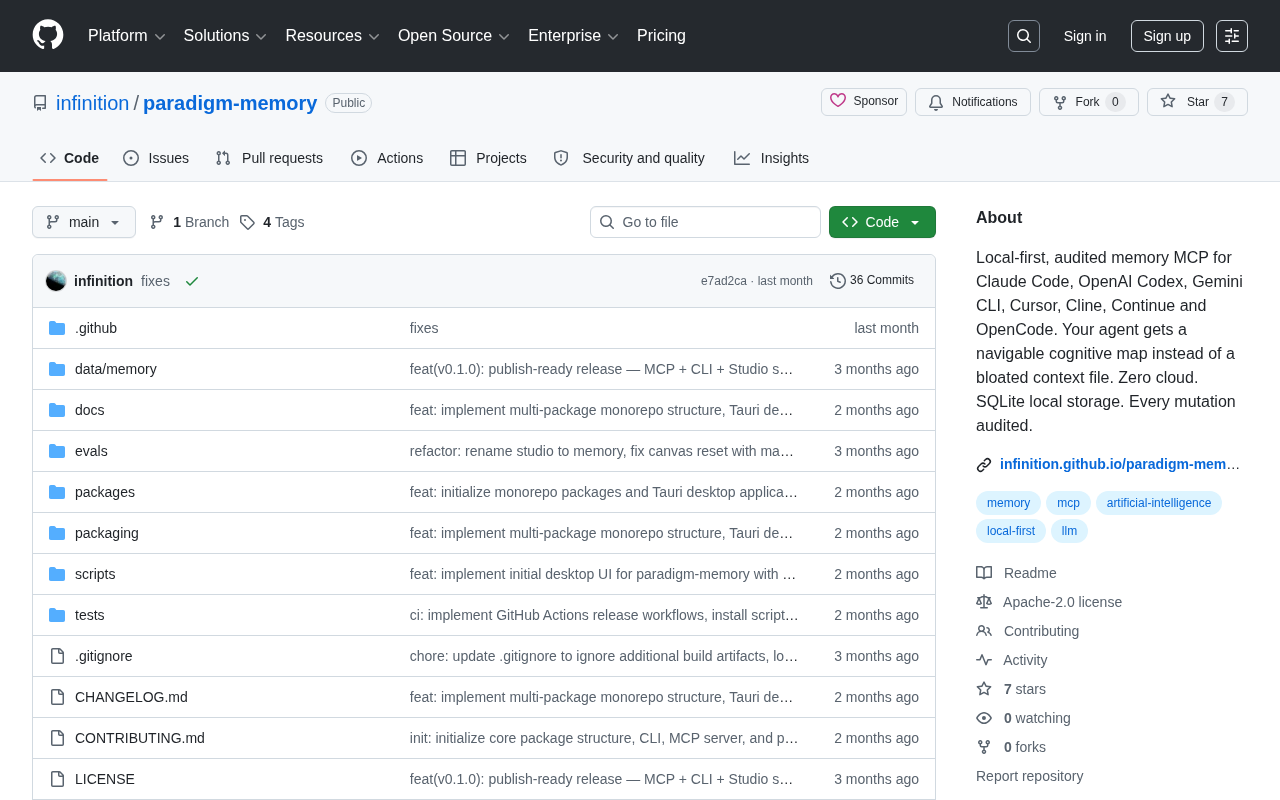
Paradigm Memory: A Local-First Memory System for AI Coding Assistants
paradigm-memory is a local MCP memory tool for Claude Code, Cursor, and Cline. It uses SQLite local storage, zero cloud, full audit trails, and a navigable cognitive map instead of bloated context files.