distribution.dev: One Campaign, Multiple Developer Sites

distribution.dev is a developer ad network jointly launched by daily.dev and DEV that covers multiple developer sites with a single campaign.
distribution.dev is a developer ad network jointly built by daily.dev and DEV (dev.to), designed to solve acquisition challenges caused by developers' sensitivity to ads and limited vertical channels. Advertisers can set up one campaign and run it across multiple developer sites, with ad formats adapted to each site's reading environment, aiming to balance scaled reach with native experience. It topped Product Hunt on launch day with 101 upvotes and 10 comments. However, key details such as effectiveness measurement, targeting granularity, pricing model, and inventory scale have not been disclosed, and long-term coverage depends on whether more developer sites join. For developer tool marketing teams, this is a new option worth watching.
distribution.dev: One Campaign, Multiple Developer Sites
The pain points of developer marketing are shifting. In the past, building a usable product was the barrier; now, anyone can quickly build products with all kinds of tools, and the real difficulty is getting target users to see it. This is especially challenging among developers—a highly fragmented audience that is naturally sensitive to advertising—making efficient reach a hard problem.
distribution.dev topped Product Hunt on its launch day with 101 upvotes and 10 comments, and its positioning is precisely to solve this link in the chain: it is a developer ad network built by publishers themselves.
A Publisher-Led Ad Network
distribution.dev is not a third-party ad platform in the traditional sense. According to its official description, it was jointly launched by daily.dev and DEV (dev.to)—both among the world's leading developer content platforms. This means ad inventory comes from the platforms themselves rather than aggregating external traffic.
For advertisers, the core selling point is straightforward: set up one campaign and run it simultaneously across multiple developer sites, with ad formats adapted to each site to blend into each platform's reading environment. This approach attempts to strike a balance between "scaled reach" and "native experience," avoiding developers' habitual ignoring of banner ads.
Based on the Product Hunt page information, the project is categorized under Marketing, Advertising, and Developer Tools, targeting teams that want to promote products to technical audiences.
daily.dev is a personalized content aggregation platform for developers, existing as a browser new-tab extension—users see tech articles, open-source projects, and community discussions recommended based on their interests when they open a new tab. It has millions of developer users and emphasizes a distraction-free reading experience and community-driven content curation. DEV (dev.to) is one of the world's largest open-source developer communities, using a blog-platform-like model that allows developers to publish technical articles and participate in discussions, covering a wide range of topics including programming languages, frameworks, and career development. Both are content-centric with highly vertical developer audiences, which provides a natural ad inventory foundation for distribution.dev.
Why Developer Advertising Is Hard
The developer community generally has a low tolerance for marketing content. Hard ads are easily perceived as noise, while overly soft content struggles to convey product value. This is why advertising targeting developers is often concentrated in a few vertical communities, with limited choices and little room for negotiation.
distribution.dev's approach is to package inventory from multiple developer sites together, reducing the cost for advertisers to negotiate and configure each platform individually. Running one campaign across sites both simplifies operations and allows budgets to be spread across more touchpoints.
However, cross-site advertising also brings new problems: different sites have different content tones, reader intent, and ad slot specifications. distribution.dev emphasizes that "ads adapt to each site," but the specific adaptation mechanisms, how delivery effectiveness is measured, and the pricing model have not yet been detailed in public information.
Native Advertising refers to ad formats that are highly integrated with the content style, layout, and functionality of the platform they appear on, making ads look like part of the platform's original content and thereby reducing users' ad resistance. In developer communities, native ads typically appear as sponsored technical articles, recommended open-source tool cards, or contextually relevant resource links. Compared with traditional banner ads or pop-up ads, native advertising focuses more on providing valuable information rather than pure promotion, making it more acceptable to technical audiences. The "ads adapt to each site" emphasized by distribution.dev is exactly a reflection of the native advertising approach, but its challenge lies in achieving scaled delivery without undermining the credibility of platform content.
Implications for Developer Tool Marketing
For developer tool products, the choice of customer acquisition channels often determines growth efficiency. Traditional channels such as search engine advertising, technical community sponsorships, and content partnerships each have limitations, while a packaged developer ad network offers a new combination option.
You may not have noticed that this platform was assembled by the publishers themselves rather than brokered by an ad-tech company. This structure may allow ad slots to integrate more closely with the content ecosystem, but it also means inventory scale depends on the traffic volume of these two platforms themselves. Whether more developer sites will join will affect its long-term coverage.
Ad Inventory refers to the total number of ad slots a platform has available for sale, usually measured in impressions or views. In programmatic advertising, inventory scale directly determines the range and frequency of users an ad campaign can reach. For publisher-led ad networks, inventory comes entirely from the traffic of their own platforms, so scale is limited by the platform's own user base and page views. Although daily.dev and DEV have considerable developer traffic, their total inventory remains limited compared with aggregator ad networks. This means advertisers on distribution.dev may face issues such as frequency capping and audience coverage ceilings—especially when multiple advertisers compete for the same inventory, bidding pressure may drive up costs. Inventory scale will also directly affect whether the network can attract brand advertisers with larger budgets.
Open Questions and What to Watch
Currently, public information about distribution.dev is still mainly focused on positioning and basic processes. The delivery data feedback, audience targeting granularity, and comparative advantages over existing developer marketing tools that advertisers care about all require more details to judge.
For teams looking for developer acquisition channels, this platform is worth adding to a watchlist. It represents a direction: returning ad networks to content platforms themselves, exchanging one configuration for multi-point exposure while trying not to disrupt developers' reading experience.
Related articles
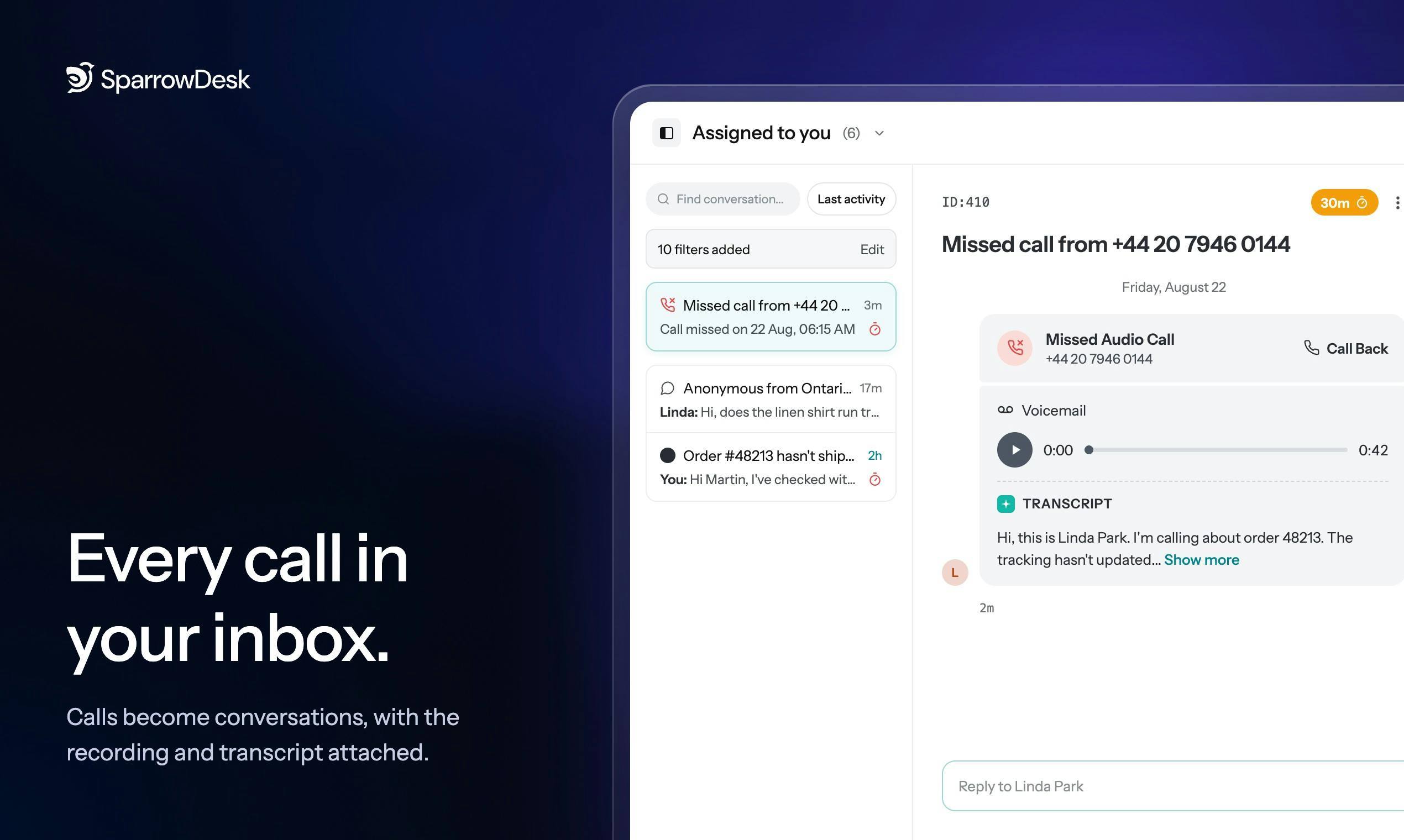
SparrowDesk Puts Phone Support Into an Omnichannel Inbox With Usage-Based Pricing
SparrowDesk launches Phone Calls on Product Hunt, bringing phone support into the same inbox as email, chat, and WhatsApp, with numbers in 51 countries, visual IVR, AI agent routing, call recording and transcription into tickets, and a prepaid Voice Wallet with usage-based pricing that avoids per-seat fees.
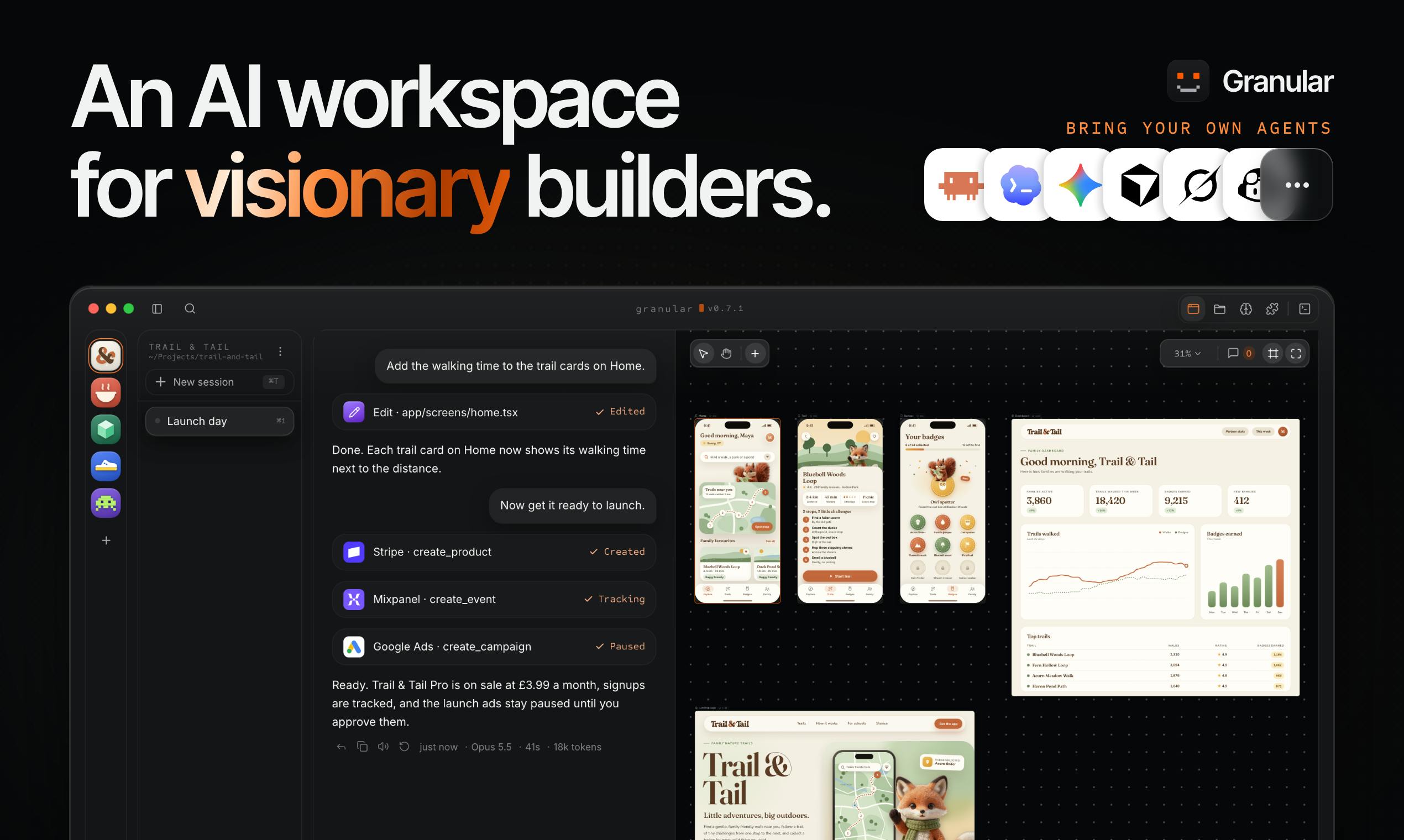
Granular.Build: Putting AI Agents Inside a Visual Workspace
Granular.Build is a visual AI workspace on Product Hunt where boss agents orchestrate specialized agents in parallel, with centralized models, files, and context.
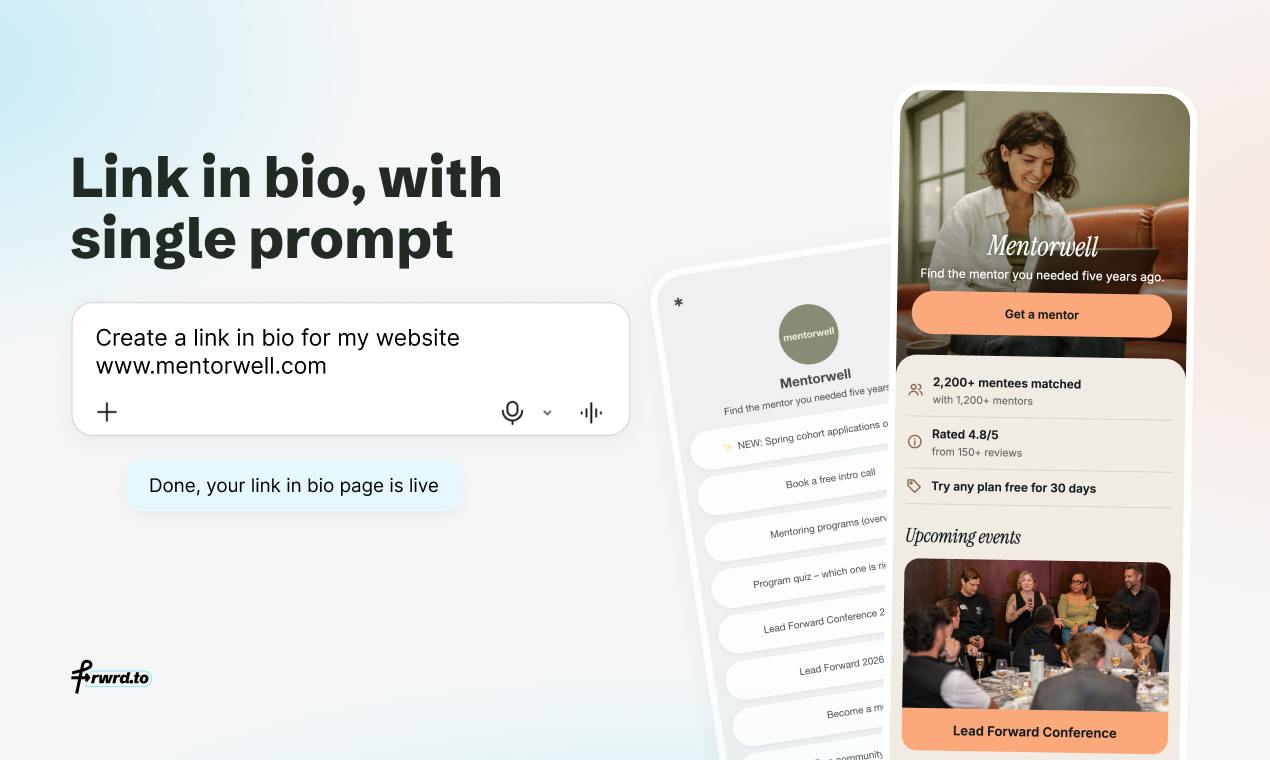
frwrd.to: Get AI to Redo Your Link in Bio with a Single Message
frwrd.to launched on Product Hunt: send your existing link in bio to an AI assistant to preserve key content, match your brand, generate multilingual pages, auto-end expired campaigns, and keep manual editing. This article analyzes its features and use cases.