DJI Osmo Pocket: The Lightweight Shooting Companion for Content Creators
Why the DJI Osmo Pocket is the go-to lightweight camera for short-form video creators.
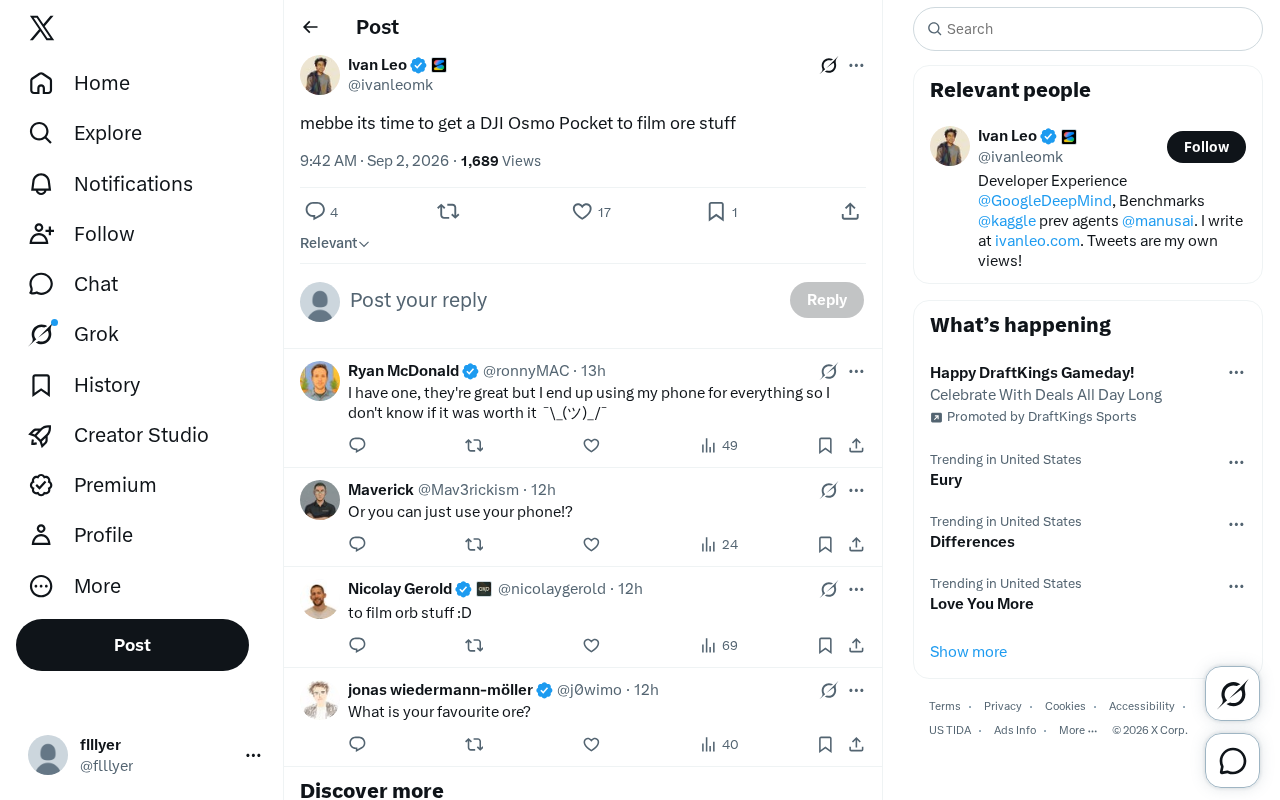
Starting from a creator's tweet about buying the DJI Osmo Pocket, this article explores why pocket gimbal cameras have become a favorite in today's content creation landscape. Key advantages include true pocket-sized portability for always-ready shooting, and a 3-axis mechanical gimbal that delivers smooth footage without extra gear. The piece also addresses the inherent limitations around low-light performance and lens flexibility, and offers practical buying advice tailored to different types of creators.
It Started with a Tweet
Recently, a content creator posted on social media expressing their intention to pick up a DJI Osmo Pocket — "Time to get a DJI Osmo Pocket and shoot more content." This seemingly casual tweet actually reflects a clear trend in the content creation world: more and more creators are seeking lightweight, highly mobile shooting tools to keep up with the growing demand for short-form video and Vlog content.

For individual creators, the key considerations when choosing a camera typically come down to a few dimensions: portability, image stabilization, ease of use, and value for money. The DJI Osmo Pocket series strikes an impressive balance across all of these — which is exactly why it continues to capture the attention of creators.
Why Creators Love Pocket Gimbal Cameras
Ultimate Portability and Mobility
The Osmo Pocket's most compelling selling point is its truly pocket-sized form factor. Compared to traditional DSLRs, mirrorless cameras, or even the combination of an action camera with a handheld gimbal, this all-in-one pocket gimbal camera can genuinely be carried everywhere and pulled out at a moment's notice. For bloggers who frequently document their daily lives, travels, or spontaneous moments, the "always-ready" nature of a device often matters more than specs on paper — a camera you can whip out and start shooting with instantly is far more valuable in practice than a high-end setup that stays buried in your bag.
Superior Stabilization from a Built-in 3-Axis Mechanical Gimbal
The core technology behind pocket gimbal cameras is the mechanical 3-axis gimbal. Unlike electronic image stabilization, which relies on algorithms, a 3-axis mechanical gimbal uses physical dynamic compensation to keep footage smooth and steady even while walking, running, or shooting in bumpy conditions. This means solo creators can achieve near-professional-level camera movement without needing a separate handheld stabilizer, significantly lowering the barrier to producing high-quality video.
Choosing the Right Gear in the Age of Short-Form Video
How the Logic of Shooting Has Shifted
With the explosive growth of short-form video platforms, the pace and format of content creation have fundamentally changed. Creators now need faster output, more flexible shooting angles, and less post-production overhead. The traditional "heavy gear" workflow feels clunky and inefficient in this fast-paced environment, while the "lightweight workflow" that pocket gimbal cameras represent fits right in.
The creator's desire to "shoot more content" in that tweet makes it clear: the motivation behind a gear upgrade is rarely just about chasing better image specs — it's about increasing creative output and flexibility. When shooting becomes simple enough, creators can redirect their energy toward ideation and storytelling.
The Strengths and Limitations of All-in-One Devices
That said, pocket gimbal cameras aren't a universal solution. Due to their compact form factor, their sensor sizes are typically smaller than those found in professional mirrorless cameras, which means low-light performance is inherently limited. Non-interchangeable lenses also restrict creative versatility to some extent. As a result, the Osmo Pocket is best suited as a powerful complement to a primary camera setup, or as the go-to tool for specific use cases like on-the-go shooting and travel documentation — rather than a full replacement for professional imaging equipment.
Buying Advice for Content Creators
If you're considering picking up a pocket gimbal camera, the best approach is to evaluate it against your own creative scenarios:
- Vloggers and travel creators: If your content revolves around on-the-move shooting, everyday Vlogs, and travel documentation — and you value shooting efficiency and portability above all — the DJI Osmo Pocket is an excellent value proposition.
- Creators with higher image quality demands: If your work calls for more advanced control over image quality, depth of field, and lens language, consider pairing the Osmo Pocket with a mirrorless or professional camera setup to get the best of both worlds.
- Beginner creators: For those just starting out with video, the Osmo Pocket's low learning curve and impressive stabilization let you focus on what matters most — the content itself — without getting bogged down in technical details.
At the end of the day, the best camera is the one you're willing to carry with you and actually use consistently. The real value of any tool lies in whether it helps you keep producing great content — and that's perhaps the most honest and practical lesson hidden behind that simple tweet.
Related articles

Open-Source Python SDK: Measuring AI Agent Reliability with SRE Principles
Agent Reliability is an open-source Python SDK that applies SRE's SLO and error budget concepts to AI Agent evaluation, with PASS/FAIL/UNKNOWN states, CI assertions, and zero forced dependencies.
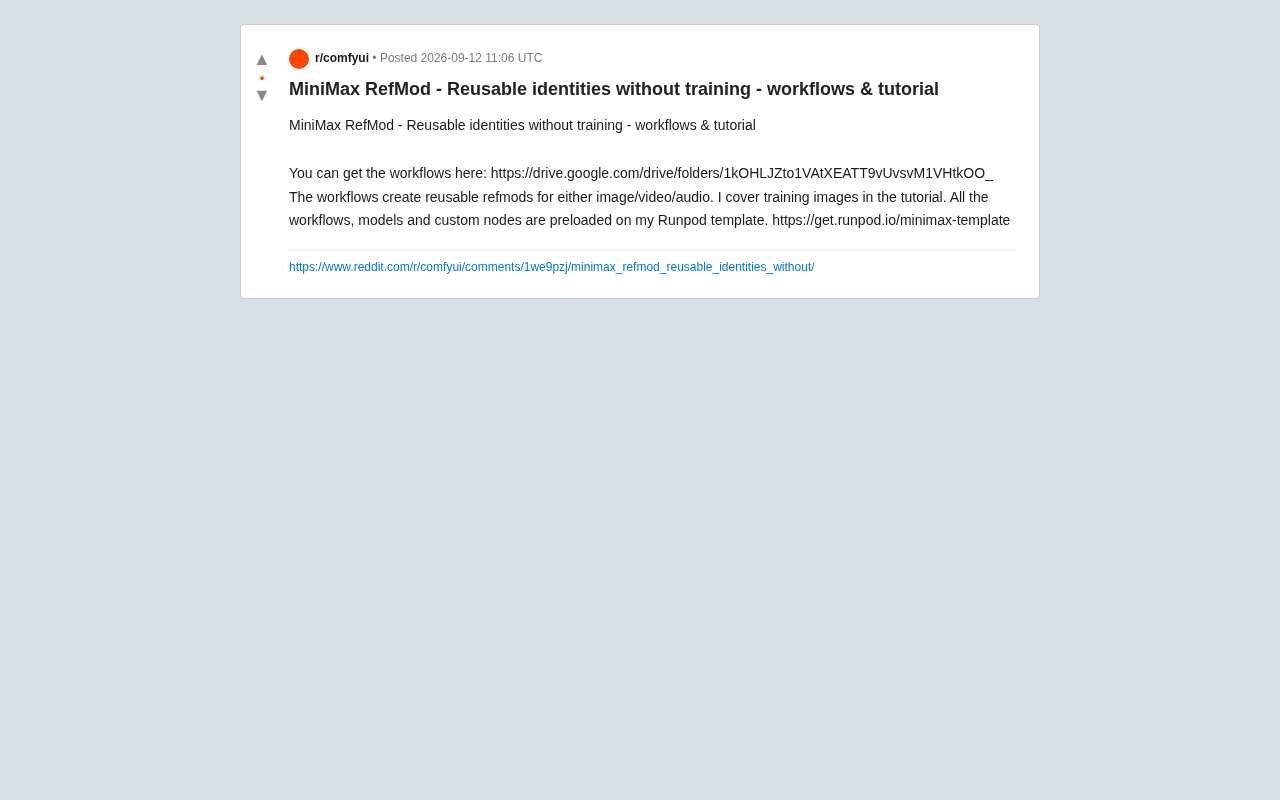
MiniMax RefMod: A Complete Guide to Training-Free Reusable Identity Workflows
MiniMax RefMod offers training-free reusable identity workflows for image, video, and audio generation. Includes Runpod template and tutorial for quick setup.

Invalid Source Material Notice
The source material provided lacks substantive information and is unrelated to AI/tech topics, making it impossible to produce a complete professional article.