Edit-Induced Dependency Mismatch: Propagation Omissions and Evaluation Blind Spots in Coding Agents
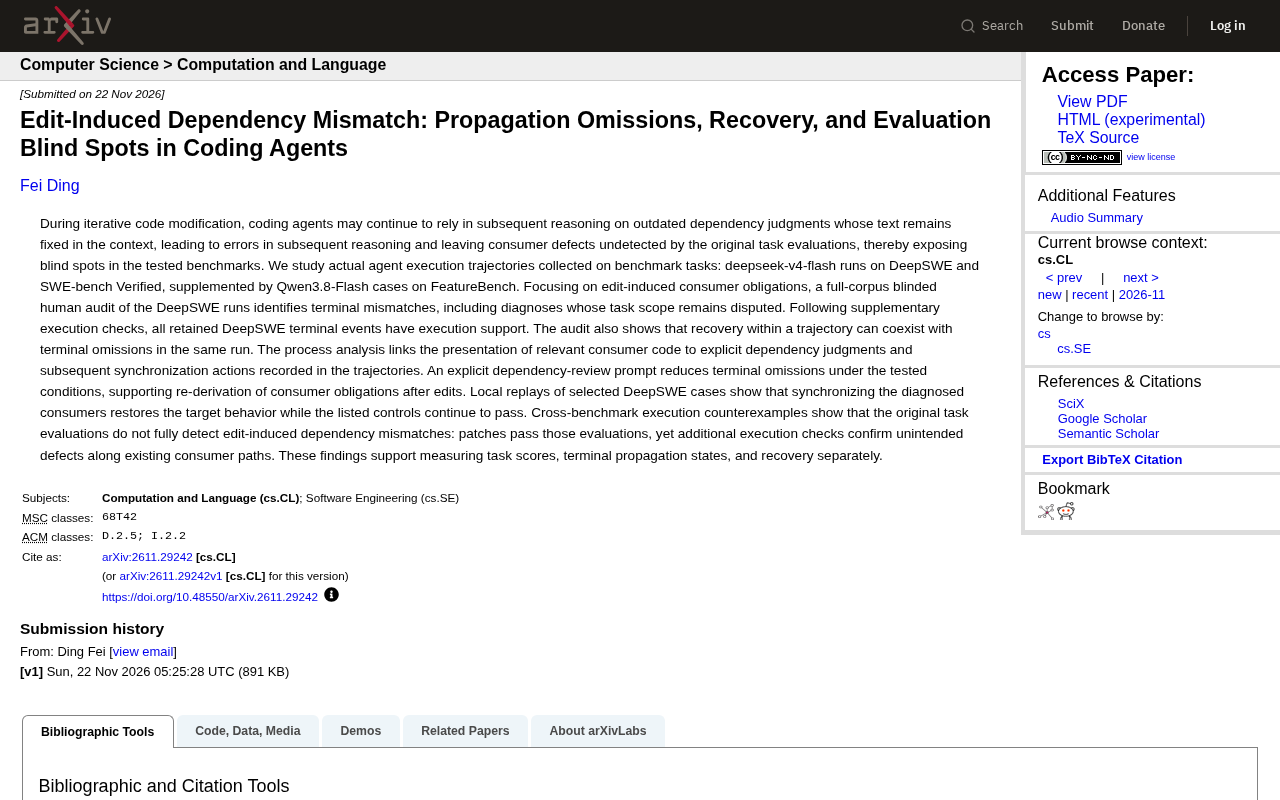
Coding agents carry over outdated dependency judgments, letting consumer defects escape evaluation.
The article introduces research on edit-induced dependency mismatch: coding agents fix explicit dependency judgments in context and may carry them over after edits, missing consumer obligations. Based on deepseek-v4-flash trajectories on DeepSWE and SWE-bench Verified plus Qwen3.8-Flash on FeatureBench, it confirms terminal mismatches via blind review and execution checks. Patches pass original evaluations yet still contain consumer-path defects, so task scores, terminal propagation state, and recovery should be measured separately.
Title
Edit-Induced Dependency Mismatch: Propagation Omissions and Evaluation Blind Spots in Coding Agents
Meta Description
Based on real trajectories of deepseekAd-v4-flash on DeepSWE and SWE-bench Verified and Qwen3.8-Flash on FeatureBench, this study reveals that coding agents carry over stale dependency judgments after edits, causing propagation omissions. Patches pass the original evaluation yet still contain consumer-path defects, and the study proposes measuring task scores, terminal propagation state, and recovery separately.
Article Content
When coding agents iteratively modify code, they may continue to rely on dependency judgments in context that are already outdated, triggering subsequent reasoning errors and letting consumer defects escape detection by the original task evaluation. This phenomenon is called "edit-induced dependency mismatch," and a recent study systematically analyzes it based on real agent execution trajectories.
Problem Definition: When Old Judgments in Context Become Traps
In iterative code modification, agents often first make explicit judgments about dependencies and then modify code accordingly. The problem is that the text of these judgments gets fixed in context, and even if subsequent edits have changed the actual state of dependencies, the agent may still carry over the old judgment in its reasoning.
The study focuses on "edit-induced consumer obligations"—that is, the responsibilities of other callers (consumers) in the codebase that need to be adjusted synchronously after an edit. If the agent fails to re-derive these obligations, propagation omissions occur, causing defects on consumer paths to go undetected in the original task evaluation.
"Consumer obligation" borrows the concept of consumers from programming languages and API design: if module A provides a function or interface, then module B that calls A is a consumer. When A's signature, return type, exception behavior, or side effects change, B needs to be adjusted synchronously; this responsibility that "callers must change accordingly" is the consumer obligation. In the iterative modification scenario of coding agents, the difficulty of consumer obligations lies in their implicitness—the agent must actively search for call sites and understand call semantics to derive which consumers are affected. If dependency judgments are fixed in context and not updated with edits, the agent may modify only the definer and miss the callers, leaving defects lurking on consumer paths that often do not trigger the original task's test cases.
Multi-Source Trajectory Analysis: From DeepSWE to FeatureBench
The study is based on real agent execution trajectories collected on benchmark tasks. The main dataset consists of run records of deepseek-v4-flash on DeepSWE and SWE-bench Verified, supplemented by cases of Qwen3.8-Flash on FeatureBench. This cross-model, cross-benchmark design makes the conclusions applicable beyond a single configuration.
A full-text blind manual audit of DeepSWE runs identified terminal mismatch events, including diagnoses where the task scope itself remains disputed. After supplementary execution checks, all retained DeepSWE terminal events received execution-level support. The audit also revealed an important phenomenon: within the same run, in-trajectory recovery behavior can coexist with terminal omissions—the agent discovered and fixed some issues during the process, but some consumer obligations were still missed.
DeepSWE, SWE-bench Verified, and FeatureBench are all benchmarks for evaluating coding agent capabilities, but with different emphases. SWE-bench Verified consists of verifiable fix tasks filtered from real GitHub issues, emphasizing whether a patch can make existing tests pass; DeepSWE is an extended benchmark for more complex, multi-step software engineering tasks; FeatureBench focuses on feature implementation tasks. The common evaluation method of these benchmarks is to run the repository's test suite and determine whether the patch turns failing tests into passing ones without breaking existing tests. Because evaluation relies on existing tests, consumer-path defects not covered by tests can slip through, which is why this study collects trajectories across benchmarks and adds supplementary execution checks.
Process Mechanism: Dependency Judgment, Code Presentation, and Synchronization Actions
The process analysis links the presentation of relevant consumer code with the explicit dependency judgments and subsequent synchronization actions recorded in trajectories. In other words, whether the agent sees the consumer code, whether it explicitly judges dependencies, and whether it performs synchronization actions—these three together determine whether omissions occur.
A practically valuable finding is that, under test conditions, explicit dependency review prompts can reduce terminal omissions. This supports the practice of "re-deriving consumer obligations after edits"—merely putting consumer code into context is not enough; the agent needs to be prompted to actively re-examine dependency relationships.
"Explicit dependency judgment" means the agent explicitly writes statements in its reasoning text such as "function X is called by Y and Z, and they need to be updated synchronously after the signature change," rather than modifying implicitly by intuition. Once such judgments are written into context, they become "facts" that subsequent reasoning can cite, but the text itself does not automatically become invalid as code changes. Explicit dependency review prompts add an instruction to the agent workflow requiring it to re-retrieve call sites and re-check dependency relationships after each edit, effectively forcing a refresh of old judgments in context. The study shows that this practice can reduce terminal omissions under test conditions, indicating that the problem partly stems from the agent's lack of a trigger mechanism for active re-checking, rather than a complete lack of the corresponding capability.
Evaluation Blind Spots: Passing a Patch Does Not Mean No Defects
The study verified the accuracy of the diagnosis through local replay: after synchronizing the diagnosed consumers, the target behavior was restored, while the listed control items continued to pass. This shows that the omissions indeed correspond to real consumer defects.
Even more striking are cross-benchmark execution counterexamples: the original task evaluations failed to fully detect edit-induced dependency mismatches—patches passed these evaluations, but additional execution checks confirmed unexpected defects along existing consumer paths. This means benchmark scores may overestimate the actual reliability of agents.
Implications: Measure Task Scores, Terminal Propagation State, and Recovery Separately
These findings point to an adjustment in the evaluation framework: task scores, terminal propagation state, and recovery should be measured separately. A single task pass rate cannot distinguish three fundamentally different situations: "never went wrong," "recovered after going wrong," and "passed evaluation with omissions." For teams building coding agent systems, this means adding extra execution checks targeting consumer paths to the evaluation pipeline and introducing explicit dependency review steps into the agent workflow.
The study's limitations are also worth noting: the task scope of some diagnoses remains disputed, samples mainly come from specific model-benchmark combinations, and generalization of the conclusions to broader scenarios requires more validation. But the counterexample itself—"a patch passes evaluation yet still contains defects"—is enough to show that existing evaluation methods have blind spots that need to be addressed.
One-line Summary
Coding agents carry over outdated dependency judgments in context, causing consumer defects to escape evaluation detection.
Paragraph Summary
The article systematically introduces a study on "edit-induced dependency mismatch": when coding agents iteratively modify code, they fix explicit dependency judgments in context, and even if subsequent edits change the actual state of dependencies, the agent may still carry over the old judgment, thereby missing consumer obligations and leaving defects lurking on other callers' paths. The study is based on real execution trajectories of deepseek-v4-flash on DeepSWE and SWE-bench Verified, supplemented by cases of Qwen3.8-Flash on FeatureBench, and confirms terminal mismatch events through blind review and supplementary execution checks. Process analysis shows that code presentation, explicit dependency judgment, and synchronization actions together determine whether omissions occur, and explicit dependency review prompts can reduce omissions. More critically, after patches pass the original evaluation, additional execution checks still find unexpected defects on consumer paths, indicating that benchmark scores may overestimate agent reliability. The study recommends measuring task scores, terminal propagation state, and recovery separately, and adding checks targeting consumer paths to the evaluation pipeline.
Related articles

Astrophysicist Pokes Fun at Supermoons: The Difference Between a 16-Inch and a 15-Inch Pizza
Astrophysicist Neil deGrasse Tyson criticizes the terms supermoon and micromoon, using a 16-inch vs. 15-inch pizza analogy to show the visual difference is negligible, and calls out exaggerated labels in science communication.
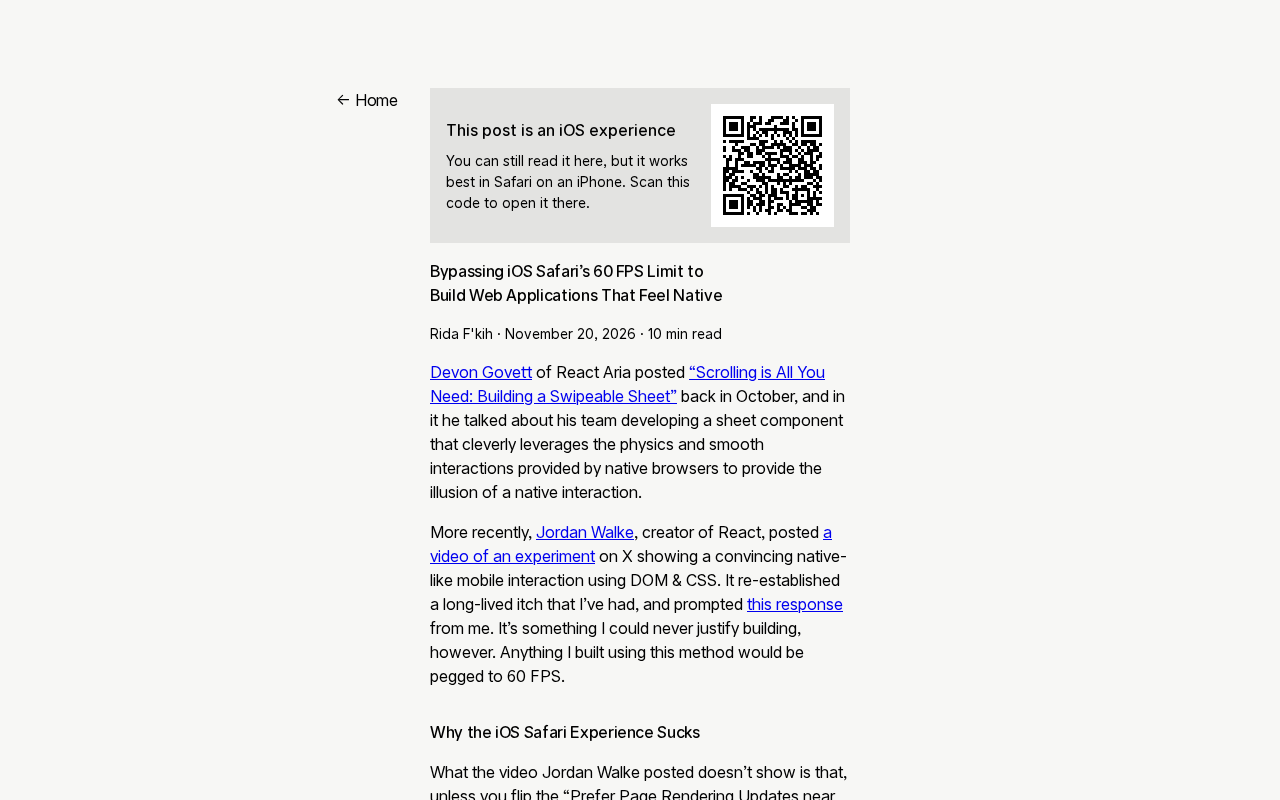
Bypassing the iOS Safari 60fps Limit: Building a Native-Like Web App Experience
A deep dive into bypassing iOS Safari's 60fps limit through compositor animations, frame rate decoupling, and interaction detail optimization to give web apps a near-native feel on iPhone.
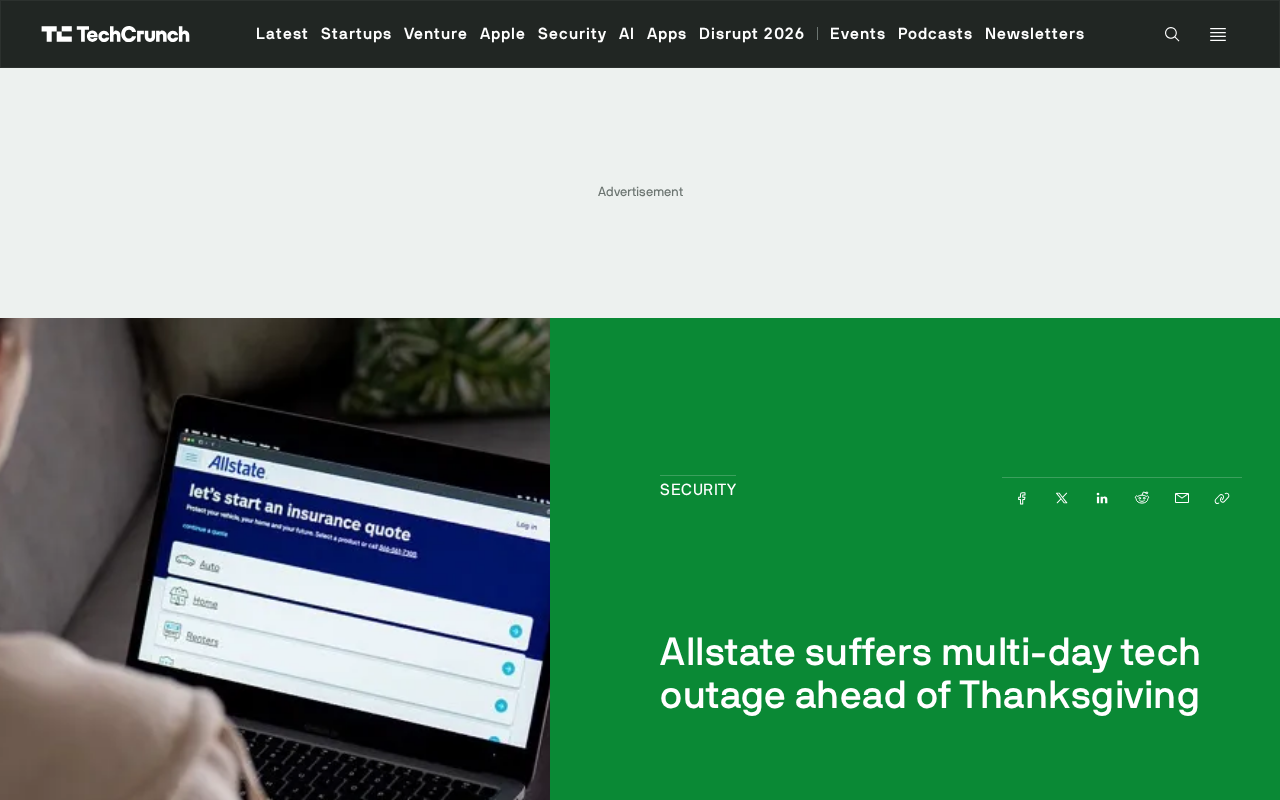
Allstate's Multi-Day Technical Outage Before Thanksgiving
Insurance giant Allstate suffered a multi-day technical outage before the Thanksgiving travel peak. This article analyzes the impact of the timing, implications for insurtech, and the importance of system stability for financial institutions.