EU Directly Messages Users via X Platform, Marking a New Phase in Digital Regulation

EU directly DMs users on X platform, signaling a digital turning point in regulatory communication.
The EU recently sent direct messages to users via the X platform, an event occurring against the backdrop of the EU's formal DSA investigation into X. This represents a new pathway for regulators shifting from traditional gazettes to digitally reaching users directly — both a "reverse utilization" of platform infrastructure and a trigger for legal boundary discussions about public authorities contacting citizens through private platforms under the GDPR framework.
Event Overview
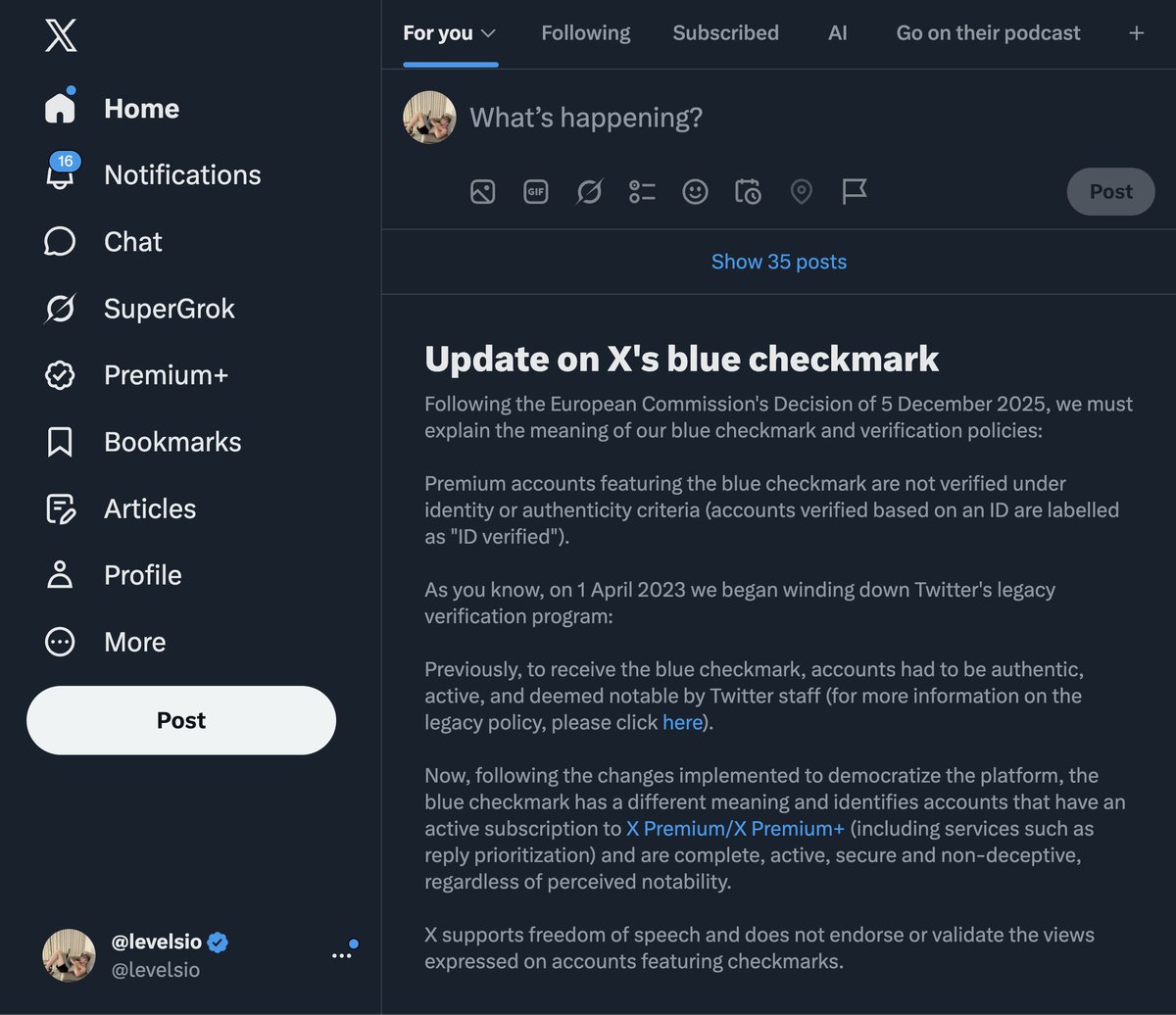
Recently, a user shared an unusual experience on social media — they received a direct message from the European Union (EU) on the X (formerly Twitter) platform. The incident quickly sparked heated discussion in tech circles and is seen as a landmark event in the evolution of EU digital regulatory strategy.
The EU's New Regulatory Approach: From Legislation to Directly Reaching Users
Communication Innovation Within a Policy Framework
The EU has been continuously ramping up its digital regulation efforts in recent years. From the Digital Services Act (DSA) to the Digital Markets Act (DMA), Brussels has consistently been at the forefront of global tech regulation.
Legislative Background of the DSA and DMA
The Digital Services Act (DSA), which officially came into force in 2022, is considered one of the most milestone legislations in EU digital regulatory history. It requires very large online platforms with more than 45 million monthly active EU users to assume stricter content moderation obligations, algorithmic transparency disclosure responsibilities, and to open data interfaces to regulators and researchers — with non-compliant platforms facing fines of up to 6% of global annual revenue. The Digital Markets Act (DMA) specifically targets tech giants designated as "gatekeepers," aiming to prevent them from abusing their dominant market positions by requiring platform interoperability and prohibiting self-preferencing practices. Together, the two laws form the core pillars of the EU's "Digital Single Market" strategy and serve as important tools for Brussels to export regulatory standards globally — the so-called "Brussels Effect."
Directly messaging users through social platforms represents an entirely new regulatory communication pathway. This approach sends a clear signal: the EU is no longer content with merely pressuring tech platforms at the policy level — it is now attempting to bypass platform intermediaries and establish direct connections with end users. In the evolution of digital governance, this is a turning point worthy of close attention.
The Ongoing Standoff Between the EU and X
Since Elon Musk acquired Twitter and rebranded it as X, tensions between the platform and EU regulators have continued to escalate.
The Deeper Roots of the Conflict
In October 2022, Elon Musk completed the $44 billion acquisition of Twitter and immediately made drastic cuts to the content moderation team — reportedly reducing global content safety positions by over 80%. This directly conflicted with the DSA's requirement for platforms to strengthen content governance. The European Commission subsequently launched a formal DSA investigation into X in December 2023, making it one of the first formal investigations against a very large platform since the DSA took effect — a move of significant precedential importance. Notably, X also voluntarily withdrew from the EU's voluntary Code of Practice on Disinformation, further intensifying the adversarial dynamic between the two parties and lending an even more dramatic quality to the EU's decision to send messages on the platform itself.
The European Commission has launched a formal investigation into X under the Digital Services Act, with core disputes including:
- The platform's efficiency in handling illegal content and the transparency of its mechanisms
- Severely insufficient advertising transparency
- Excessive restrictions on data access for independent researchers
- The paid blue checkmark verification system potentially misleading users about identity
In this context, the EU's choice to deliver regulatory messages through X itself is both pragmatic and strategically significant — staking out a position on the opponent's own turf.
Deeper Implications for the Tech Industry
Regulators Embracing Digital Communication
Traditionally, regulators have relied on official gazettes, press conferences, and formal correspondence to convey information. The EU's direct use of a social platform's messaging function indicates a fundamental shift in regulatory thinking — they are beginning to speak to the public in the language of digital natives.
The Technical Logic Behind Regulatory Digital Transformation
This shift is supported by deep communications theory and technical logic. Traditional regulatory information dissemination has a clear "last mile" problem — information often stops at the media level and struggles to penetrate through to ordinary users. In contrast, social platforms' push mechanisms, algorithmic distribution, and direct messaging functions can theoretically achieve precise targeting. From a technical standpoint, the EU's use of X's DM function may have leveraged the platform's API capabilities for sending notifications to specific user groups, or involved initiating conversations through officially verified accounts. In a sense, this represents a "reverse utilization" of the platform's own infrastructure — regulators using the tools of the regulated entity to convey regulatory intent, with symbolic significance no less important than the practical effect. When billions of users' daily lives are deeply embedded in social platforms, regulatory information that remains confined to PDF files and official websites will inevitably suffer greatly reduced reach.
A Bellwether for Global Regulatory Trends
The EU's approach will very likely serve as a template for regulators in other regions. As AI technology deeply permeates the social media ecosystem, governments worldwide are exploring more efficient regulatory communication methods. Direct interaction with users through digital channels may well become standard practice in future regulatory operations.
The Boundary Discussion Around User Privacy and the Right to Information
This incident also raises important questions about the boundaries of regulatory communication. Is there a risk of overreach when regulators contact users directly through social platforms? How should the applicable scenarios and frequency limits for this type of communication be defined?
The Legal Paradox Under the GDPR Framework
EU regulators contacting users directly through social platforms creates a rather delicate legal paradox: the EU itself is the creator of the world's strictest privacy protection regulation, the General Data Protection Regulation (GDPR), yet sending messages to users through a third-party platform involves the platform's processing and transmission of user data — which under the GDPR framework requires a clear legal basis and user consent mechanisms. Furthermore, whether regulatory bodies as public authorities are subject to different rules than private entities in their communications currently lacks clear EU-level legislative definition. This gray area may catalyze new rule discussions: will dedicated legislation be needed in the future to regulate the boundaries, frequency, and data processing methods of public institutions interacting with citizens through private digital platforms?
On the positive side, direct communication helps raise public awareness of their digital rights, allowing ordinary users to understand platform compliance status. On the other hand, clear rule frameworks need to be established to prevent such communications from being misused or causing unnecessary disturbance to users.
Conclusion
The EU's decision to directly message users via X reflects the increasingly complex power dynamics between regulators and platforms in the digital age. The message itself may be a small event, but it marks an experimental step forward in how regulators communicate — future tech regulation will be closer to users, more digitized, and harder for platforms to ignore.
Key Takeaways
- The EU sent direct messages to users via X, demonstrating a new approach to regulatory communication
- This event occurred against the backdrop of ongoing tensions between the EU and X, involving multiple regulations including the DSA and DMA
- The DSA requires very large platforms to fulfill content moderation and algorithmic transparency obligations, with maximum fines of up to 6% of global annual revenue
- Regulators are adapting to digital communication methods, leveraging platforms' own infrastructure to convey regulatory intent — a practice likely to become a global trend
- The event has triggered deeper discussions about regulatory boundaries, user privacy (particularly GDPR compliance), and the right to information
Related articles
Meta Muse Hits 900K Downloads in Six D…
Meta Muse Hits 900K Downloads in Six Days: The AI Agent Era Has Officially Arrived
Meta's AI agent Muse hit 902K downloads in 6 days, topping US App Store and Google Play charts above ChatGPT and Claude. A deep dive into Muse's capabilities and the AI Agent race.
 Industry Insights
IRS Fully Embraces Claude AI, Accelerating Federal Government's AI Adoption
The IRS is recruiting staff with 24/7 Claude AI access, marking Anthropic's breakthrough into the federal government. Explore the strategic implications and tax use cases.
 Industry Insights
The IRS Mobile App Debate: A Trust Crisis in Government Digital Transformation
The IRS's proposed mobile app has sparked heated debate. This article analyzes the core arguments, exploring data security, privacy, and the trust crisis in government digital transformation.