Expanding Your Social Circle: Friend-Making Apps Worth Trying

Friend-making apps split into friend-discovery and activity-oriented types; choose what fits your social habits.
Addressing the common struggle of a fixed social circle, this article reviews two approaches to friendship apps: BFF-style friend discovery via profiles and interest matching, and Timeleft-style activity apps organizing offline dinners where relationships grow naturally. It covers who each suits, safety and expectation management tips, and suggests combining apps with offline channels for more natural results.
Social circles becoming fixed is a common struggle many people face after entering the workforce. As work and life pace accelerates, opportunities to meet new friends actually shrink. Friend-making apps have thus become a viable path to expanding one's social network. This article reviews several friendship-oriented apps with different positioning to help those in need choose according to their own needs.

From "Finding Friends" to "Doing Things Together": Two Approaches to Friend-Making Apps
Looking at existing products, friend-making apps roughly fall into two categories. One aims directly at building friendships—friend-discovery platforms like BFF, where users fill out profiles and browse recommendations to find like-minded people. The other focuses on shared activities; Timeleft is a typical example, organizing strangers to meet around offline gatherings or specific events, letting relationships grow naturally in concrete settings.
Each approach suits different people. Those who prefer online communication and want to know someone before meeting are better served by the former; those who value real interaction and are willing to jump straight into offline activities often have a smoother experience with the latter.
BFF is a sub-app under Bumble designed specifically for finding friendships. Bumble started with dating features and gradually expanded into two branches: BFF (friends) and Bizz (professional networking). BFF operates similarly to dating apps: users create profiles, fill in interest tags and self-introductions, and the system recommends potential matches based on location and preferences; both parties must "like" each other before a conversation can begin. Since Bumble's product DNA emphasizes women leading conversations, BFF's mechanics also tend to make post-match communication feel safer. Understanding this background helps explain why the "friend-discovery platform" described here centers on profile browsing and match recommendations.
Choosing by Need: App Positioning in Different Scenarios
The core value of friend-discovery platforms lies in matching efficiency. Users can filter potential friends by interest tags, location, and other criteria, reducing the confusion of "not knowing who to look for." The challenge for such products is that breaking the ice and maintaining relationships after matching still falls to users themselves.
Activity-oriented apps put "what to do together" first. Products like Timeleft organize offline activities such as dinners and interest groups, letting participants meet with a clear theme and reducing the awkwardness of initial conversation. For people who aren't good at online small talk, this approach makes it easier to take the first step.
Timeleft is an activity-based social product built around "dining with strangers." Its basic model: after users register and select their city, the system randomly matches several strangers to a table based on age, interests, and other criteria, with an agreed time and restaurant for an offline dinner. The key to this design is putting "meeting" first and embedding "chatting" into a concrete setting—participants need no prior online pleasantries and don't have to organize activities themselves. For people new to a city or with narrow social circles, this low-threshold offline gathering significantly lowers the psychological cost of initiating social contact.
Practical Considerations for Using Friend-Making Apps
Whichever type of app you choose, safety and expectation management deserve attention. Offline meetings should take place in public venues, and excessive personal information should not be disclosed on first contact. At the same time, maintain reasonable expectations about app effectiveness—tools can only create opportunities for encounters; whether a relationship develops into true friendship still depends on mutual investment and compatibility.
Moreover, friend-making apps are just one way to expand your social circle. Offline channels such as interest communities, volunteer activities, and professional networking are equally effective; combining online tools with offline settings often yields more natural results.
Expectation management is often overlooked when using social products. Research shows a clear gap between match success rates on friend-making apps and the proportion of matches that actually develop into long-term relationships, and users easily form overly high expectations based on short-term match counts. Viewing app effectiveness rationally means treating a match as "gaining a chance for a conversation" rather than "gaining a friend," and seeing relationship maintenance as an ongoing process requiring sustained investment. Clarifying this can reduce frustration when expectations fall short and help focus energy on the few truly compatible relationships.
Conclusion
The value of friend-making apps lies in lowering the threshold for meeting new friends. Platforms like BFF suit users who want precise matching by interest, while activity-based products like Timeleft suit those who prefer real-world interaction. When choosing, don't chase the most features—look at which approach better fits your own social habits.
One-line Summary
Friend-making apps fall into friend-discovery and activity-oriented types; choose the one that fits your social habits.
Paragraph Summary
Addressing the common struggle of a fixed social circle, this article reviews two main approaches to friendship apps. One, represented by BFF, finds friends directly through profiles and interest matching; the other, represented by Timeleft, organizes strangers to meet around offline dinners and other activities, letting relationships grow naturally in concrete settings. Each suits different people: the former for those who prefer online communication and want to know someone before meeting; the latter for those who value real interaction and are willing to join offline activities directly. The article also reminds users to prioritize safety and expectation management—choose public venues for offline meetings and keep reasonable expectations about app effectiveness. Finally, it notes that friend-making apps are just one channel for expanding social circles; combining them with offline approaches like interest communities and volunteer activities often yields more natural results.
Related articles
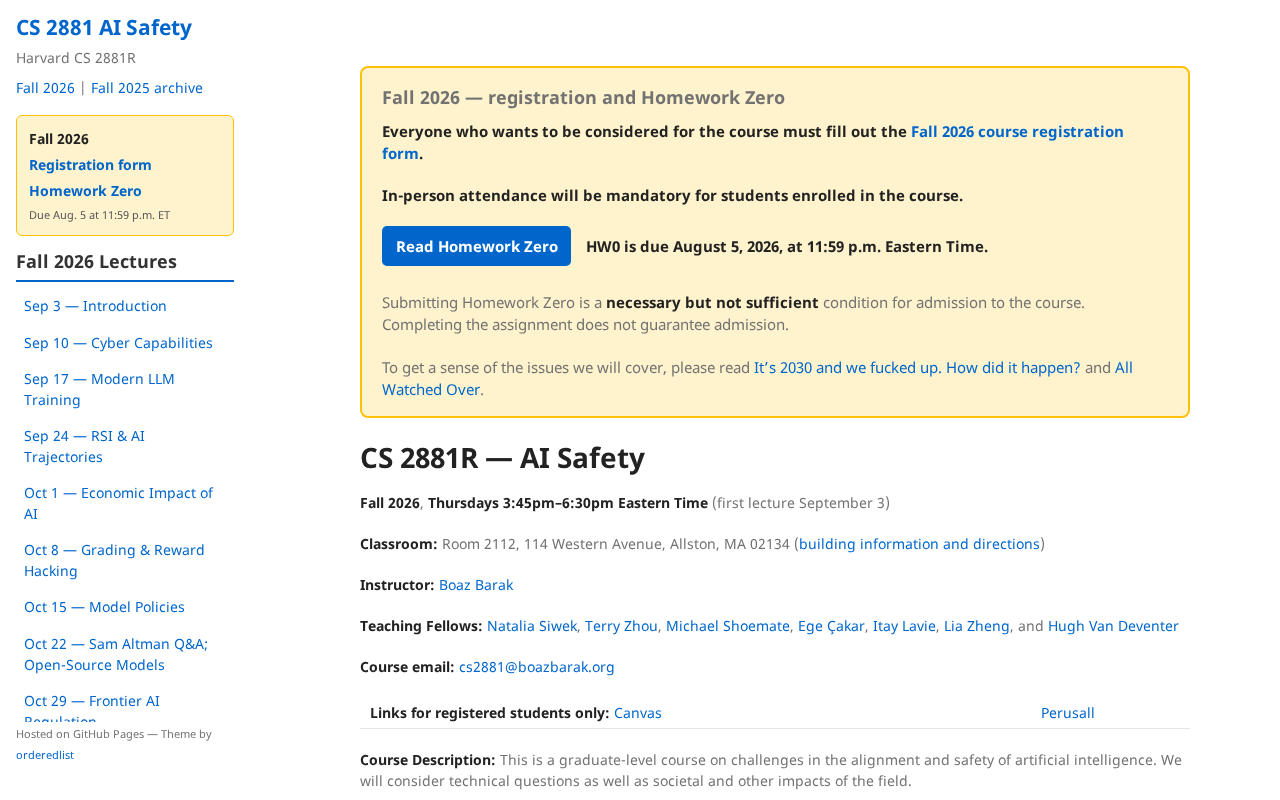
Harvard AI Safety Course CS 2881R Sparks Discussion
Harvard's CS 2881R AI Safety course was mentioned on Hacker News. This article covers the course background, core AI safety topics, and takeaways for learners, helping readers understand how top universities cultivate AI safety talent.

Why You Shouldn't Run the Hermes Agent on Your Personal Computer
Why shouldn't you run autonomous AI agents like Hermes on your personal computer? This article analyzes why agents should be deployed to a dedicated VPS instead of your primary device, from four angles: security risks, resource consumption, credential leakage, and autonomy requirements—plus the practical logic of isolated deployment.

Ignite Keynote: Building a Frontier Ecosystem to Bring AI to Life
Microsoft CEO Nadella's Ignite keynote proposes a frontier ecosystem to turn AI advances into real-world impact. This article unpacks the strategy's ecosystem layers and deployment signals.