Facing 'Perv Glasses' Controversy, Meta May Launch Camera-Free Smart Glasses
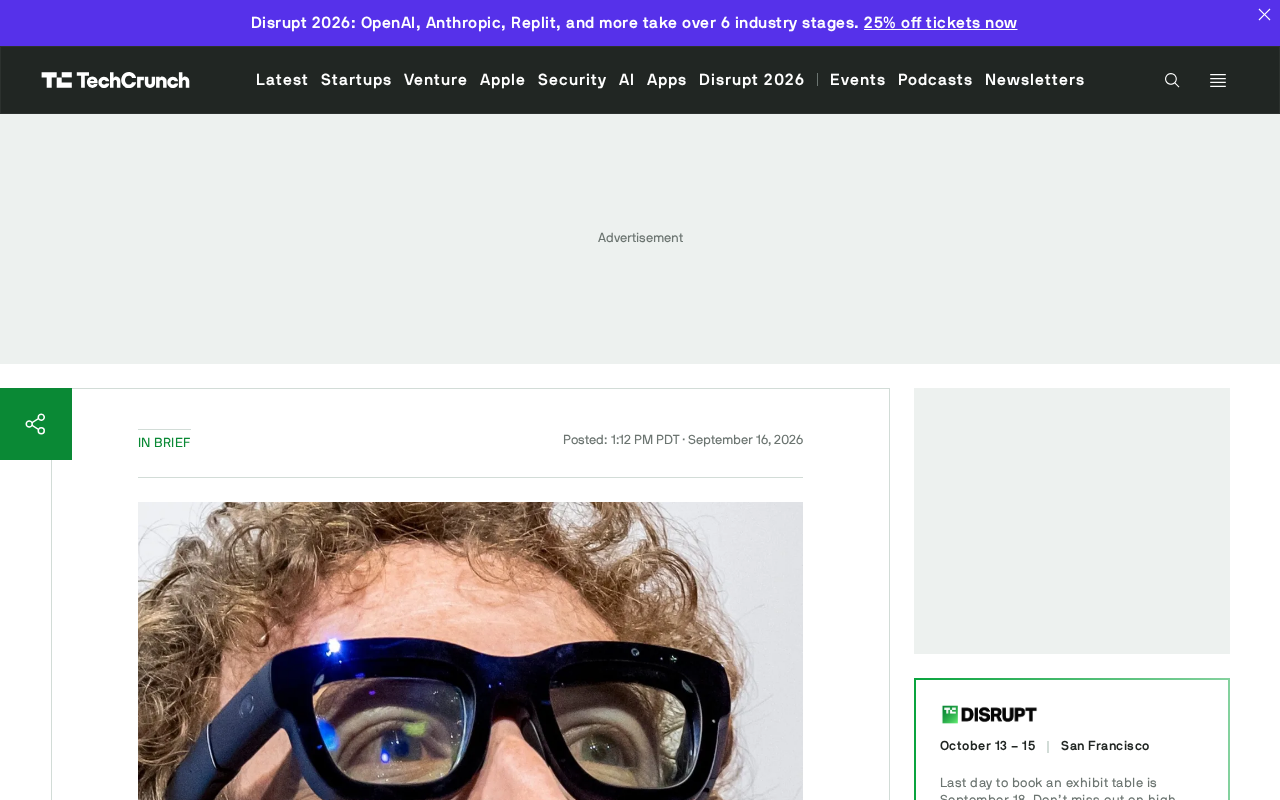
Meta may launch camera-free smart glasses to address 'perv glasses' privacy controversy.
Meta's Ray-Ban smart glasses have triggered a 'perv glasses' backlash over their built-in camera's potential for covert recording. In response, Meta is reportedly developing a camera-free version focused on audio, AI assistants, and non-imaging features. The move could ease privacy concerns and open the product to new users and camera-sensitive environments, but also means abandoning the original core selling point. The privacy dilemma Meta faces is an industry-wide challenge, reflecting a deeper gap between advancing technology and the social norms and regulations meant to govern it.
A Privacy Firestorm
Meta's smart glasses product line is squarely in the crosshairs of public criticism. Its camera-equipped smart glasses have sparked widespread controversy over privacy concerns, with critics going so far as to label them "perv glasses." Behind that loaded term lies a growing public unease about wearable camera devices — when a pair of glasses that looks completely ordinary can record anyone, anywhere, questions arise about the rights of bystanders and where the boundaries of privacy should lie.
According to initial reports, Meta is preparing to launch a camera-free version of its smart glasses, apparently in an effort to address the mounting criticism. While details remain sparse, the move signals a subtle but meaningful shift in the tech giant's product strategy.
The Camera: Both Selling Point and Liability
One of the key selling points of the smart glasses Meta developed in partnership with Ray-Ban is the built-in camera, which lets users capture photos and videos from a first-person perspective. That feature is genuinely appealing for content creation and life-logging — but it's also the product's biggest ethical flashpoint.
The crux of the issue is concealment. When someone films with a traditional camera or smartphone, the subject can usually tell. Smart glasses, by contrast, record with almost no visible cue — the indicator light is easy to miss — making it nearly impossible for bystanders to know whether they're being captured. The "perv glasses" label that critics have adopted is a direct indictment of that potential for misuse.
For Meta, the camera is simultaneously a technical differentiator and an ongoing PR liability. Finding the right balance between functional innovation and social acceptability is a challenge the company can no longer avoid.
The Ray-Ban Meta smart glasses, developed in partnership with Ray-Ban, officially went on sale in 2023 starting at around $299. They feature a 5-megapixel camera capable of shooting photos and videos up to 60 seconds long, with content synced via a dedicated app. To address privacy concerns, Meta added an LED indicator on the frame that glows white while recording. Critics, however, point out that the light is dim, tucked away in an inconspicuous spot, and easily overlooked in bright outdoor settings or noisy crowds — calling its effectiveness as a warning signal into question. In 2024, two Harvard University students made matters worse by demonstrating an extreme use case: pairing facial recognition AI with Ray-Ban Meta glasses to look up strangers' names and home addresses in real time from footage captured on the street. The demonstration went viral and dramatically amplified public concern about the product's privacy risks.
A Camera-Free Version: Strategic Compromise
Launching camera-free smart glasses can be read as Meta's strategic response to market and public pressure. Stripped of their most controversial feature, the glasses would likely pivot toward audio, voice assistants, AI interaction, and notification capabilities — none of which involve image capture.
There's a reasonable case for this kind of product:
- Reduced privacy concerns: No camera means no possibility of covert recording, which could go a long way toward repairing the brand's image.
- Broader audience appeal: Users who have no interest in recording but are drawn to smart audio or AI assistants could become a new target demographic.
- Compliance and context-friendliness: In settings like offices, hospitals, and schools — where cameras are sensitive — a camera-free version may be far more welcome.
That said, it also means abandoning the product's original core selling point. Whether a camera-free version can establish a compelling value proposition on its own, or whether it simply comes across as a stripped-down alternative, will largely determine how it performs in the market.
The Privacy Dilemma Facing Smart Glasses
Meta's predicament isn't unique — it reflects a broader challenge facing the entire smart glasses and wearable camera industry. Even in the Google Glass era, wearers faced public backlash over privacy, spawning the derisive term "Glasshole." Years later, the technology has advanced considerably, but society's anxiety about being recorded at any moment has not faded.
At its core, this controversy is about a mismatch between technological capability and social norms. Hardware manufacturers can keep enhancing a device's perceptual abilities, but public expectations around privacy — and the pace at which laws and regulations evolve — often can't keep up with the speed of technological iteration. When a pair of glasses can silently capture, identify, and analyze the surrounding environment, designing something that's genuinely useful without overstepping becomes a challenge the entire industry must grapple with.
The cautionary tale of Google Glass offers a useful frame for understanding today's controversy. Google Glass opened to developers in 2013 and went on sale to the general public in 2014, hailed at the time as a revolutionary product for its heads-up display, photography, and navigation capabilities. The term "Glasshole" quickly spread online, referring to wearers who used Glass to record others in public without regard for consent. Restaurants, casinos, and movie theaters began banning the device; some wearers had their glasses physically removed in confrontations. Google ultimately stopped selling Glass to consumers in 2015, pivoting it to a professional tool for industrial and enterprise use. That history makes clear that even the most forward-looking technology can fail in the market if it clashes too sharply with mainstream social norms. Meta clearly learned some lessons when designing the Ray-Ban glasses — but the fundamental tensions around privacy remain unresolved.
Final Thoughts
Meta's reported plans to launch a camera-free smart glasses product are a direct response to the "perv glasses" controversy, and reflect the broader effort by tech companies to balance product innovation with social responsibility. Whether this product can genuinely put public concerns to rest and carve out a new market will ultimately depend on how it performs after its official launch.
What's worth noting is that regardless of whether a camera is present, the potential for smart glasses to serve as the next computing platform remains very much alive. The privacy debate may actually push the industry toward better design principles, greater transparency mechanisms, and clearer usage norms — and for the long-term health of the wearable ecosystem as a whole, that may not be a bad thing at all.
Note: This article is based on limited initial reporting. Specific details about the camera-free Meta smart glasses — including specs, pricing, and release timeline — have not yet been confirmed. Please refer to official announcements for the latest information.
Related articles
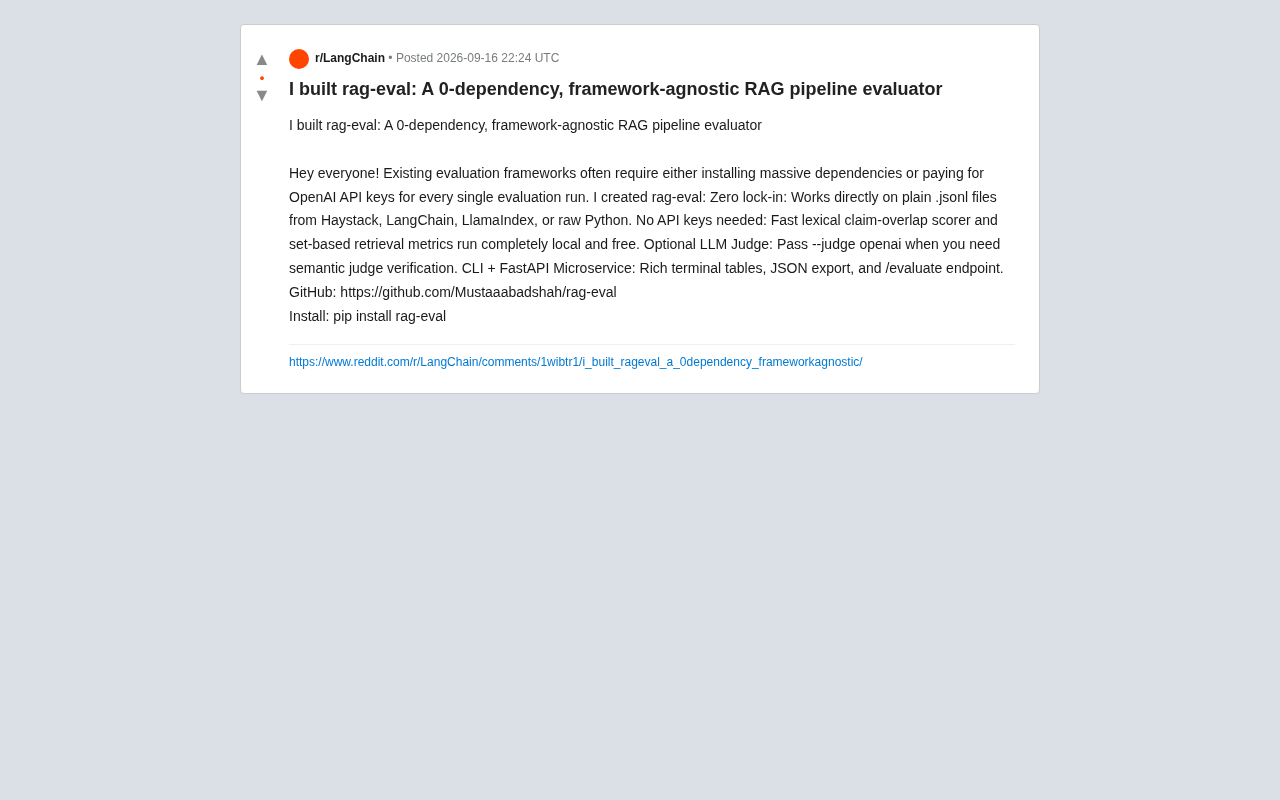
rag-eval: A Zero-Dependency, No-API-Key RAG Evaluation Tool
rag-eval is a zero-dependency, framework-agnostic open-source RAG pipeline evaluation tool. It supports free local lexical and retrieval metrics with no API keys required, and offers optional LLM Judge for semantic validation. Compatible with Haystack, LangChain, and LlamaIndex.

Vercel AI SDK Releases workflow-harness 1.0.115 Patch Update
Vercel AI SDK releases @ai-sdk/workflow-harness 1.0.115 patch update, syncing the @ai-sdk/harness dependency. Learn about the update, release mechanism, and what it means for developers.
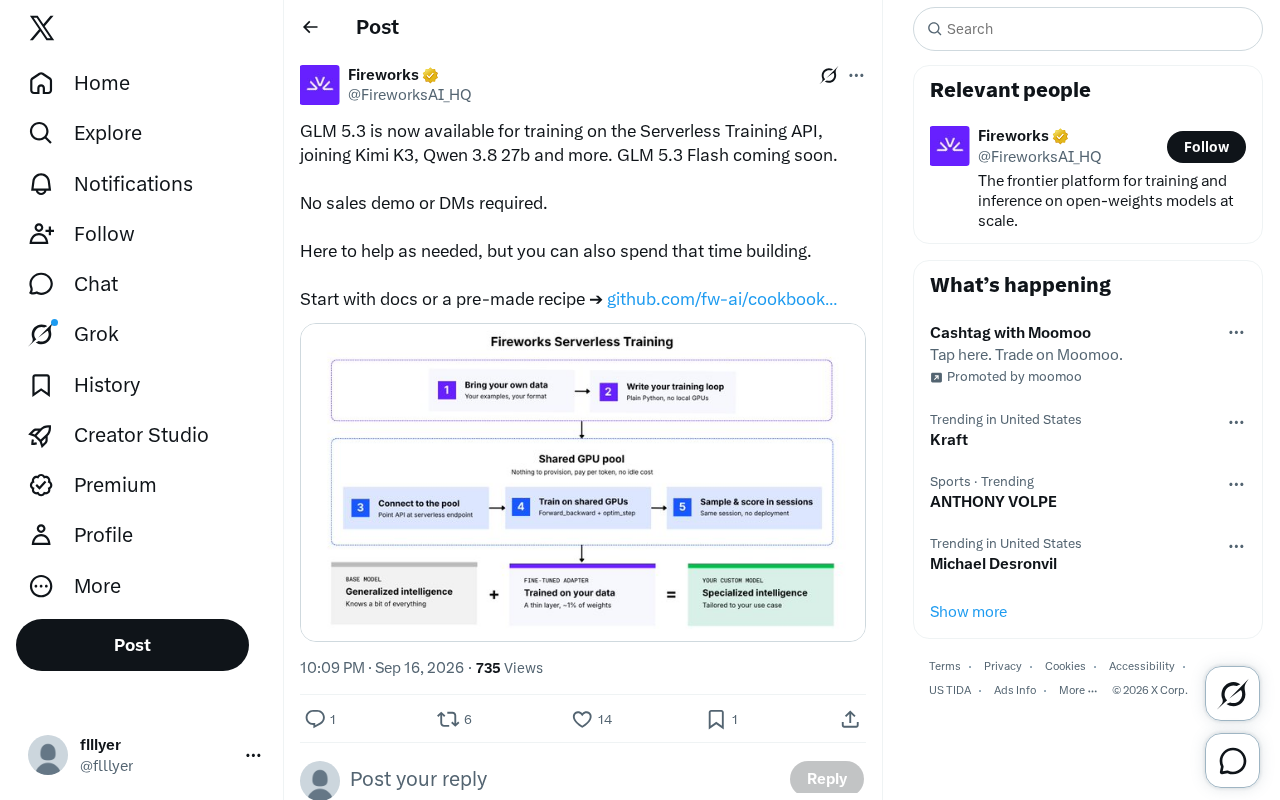
GLM 5.3 Now Available on Serverless Training API — No Sales Process Required
GLM 5.3 is now available on Serverless Training API alongside Kimi K3 and Qwen 3.8 27b. No sales process needed — start fine-tuning directly via docs or pre-made recipes.