FastMCP: The Open-Source Tool for Building MCP Servers Fast with Python

FastMCP is a Pythonic open-source framework for building MCP servers locally with minimal code.
FastMCP is an open-source project with nearly 28,000 GitHub stars that simplifies building MCP (Model Context Protocol) servers and clients. MCP, introduced by Anthropic, standardizes how LLMs connect to external tools and data sources. FastMCP wraps the low-level protocol details behind a FastAPI-style decorator API, letting developers stand up a working service with minimal code. It runs locally, emphasizing privacy and zero tracking, and fits naturally into the Python AI/data science ecosystem. While its promotional claims lack hard benchmark data, it remains a compelling option for teams wanting to prototype MCP integrations quickly without cloud vendor lock-in.
What Is FastMCP
FastMCP is an open-source project that has rapidly gained traction on GitHub. Its core purpose is to let developers build MCP (Model Context Protocol) servers and clients in a Pythonic way. According to the video overview, the project has already accumulated over 27,960 stars, with developer adoption continuing to grow.
For those unfamiliar with MCP, it's a protocol for connecting large language models to external tools and data sources. Building an MCP server typically involves handling tedious low-level details like protocol handshakes, message routing, and tool registration. FastMCP's value lies in abstracting away that complexity, letting developers spin up a working service with just a few lines of Python.

MCP (Model Context Protocol) is a standardized protocol proposed and open-sourced by Anthropic in late 2024, designed to solve the interoperability problem between large language models and external tools, databases, and APIs. The design philosophy is similar to the USB standard: as long as a tool implements the MCP interface — whether it's a file system, code execution environment, or third-party service — a model can call it in a consistent way, without needing a custom adapter for each tool. This protocol-layer abstraction makes tool ecosystems reusable across different models, fundamentally reducing the integration complexity of AI Agent applications. Products like Claude and Cursor already natively support MCP, the developer community is rapidly following suit, and the number of MCP servers is growing exponentially.
Why It's Worth Paying Attention To
A recurring theme in the video is saving money — the claim being that this tool can replace certain paid software that costs around $50 per month. While that framing carries the marketing tone typical of short-form video content, the underlying trend it points to is real: an increasing number of cloud-based subscription tools are being challenged by mature open-source alternatives.

For developers, the most immediate appeal of an open-source solution comes down to three things: no recurring fees, auditable and customizable code, and full control over your own workflow without being locked into any vendor. FastMCP hits all three of these pain points squarely, which is a key reason it was able to accumulate tens of thousands of stars in a short time.
Local Execution and Privacy Advantages
Another selling point for FastMCP is local execution. The video highlights that all logic can run directly on your own machine, emphasizing "complete privacy," "zero tracking," and instant performance in offline scenarios.

This "local-first" architectural philosophy is especially meaningful for teams handling sensitive data. When an MCP service runs locally rather than on a third-party cloud, data never has to leave your own environment — reducing compliance risk and eliminating the latency of waiting for network round-trips. For use cases that require a clean local architecture and full data ownership, this delivers an experience that cloud services simply can't match.
That said, it's worth keeping things in perspective: "local execution" also means that operations, scaling, and availability all become the user's own responsibility. For enterprise-grade high-availability requirements, a purely local solution isn't always the optimal choice — it depends heavily on the specific business scale and team capabilities.
The Python-Based Engineering Experience
FastMCP is built entirely in Python, which the video describes as delivering "lightning-fast speed" and complete control over your workflows.

Choosing Python as the implementation language means it fits naturally into the mainstream AI and data science ecosystem. A huge amount of model inference and data processing code already runs in Python, and FastMCP brings server/client capabilities in the same language — significantly lowering the learning curve and integration overhead. For engineers already familiar with Python, there's virtually no language-switching burden.
FastMCP's design philosophy clearly draws inspiration from FastAPI — using decorators and type hints to declare tools and resources, with the framework automatically handling protocol-level serialization and routing, so developers can focus purely on business logic. For example, simply adding an @mcp.tool() decorator to a regular Python function automatically registers it as an MCP tool available for model calls. This "convention over configuration" API design can reduce boilerplate code by several times compared to working directly with the low-level MCP SDK, making it especially well-suited for rapid prototyping. FastAPI itself is well known in the Python web framework world for its high star count and active ecosystem, and FastMCP's continuation of that development paradigm helps lower the barrier for developers who already have FastAPI experience.
How to Think About This Kind of "GitHub Sensation"
A word of caution: the source material for this article is a short promotional video, and the content carries an obvious marketing slant. Phrases like "replaces a $50/month tool" and "lightning-fast speed" are closer to marketing copy than substantiated claims backed by benchmark data. Star counts reflect community enthusiasm, but they don't equate to project maturity or long-term reliability.
Developers who are interested are encouraged to visit the GitHub repository directly, review the documentation, update frequency, issue handling, and actual source code, then make a judgment based on their specific MCP use case. For teams exploring the MCP protocol and looking to quickly build prototypes in Python, FastMCP is at minimum an open-source option worth adding to your evaluation list.
Related articles
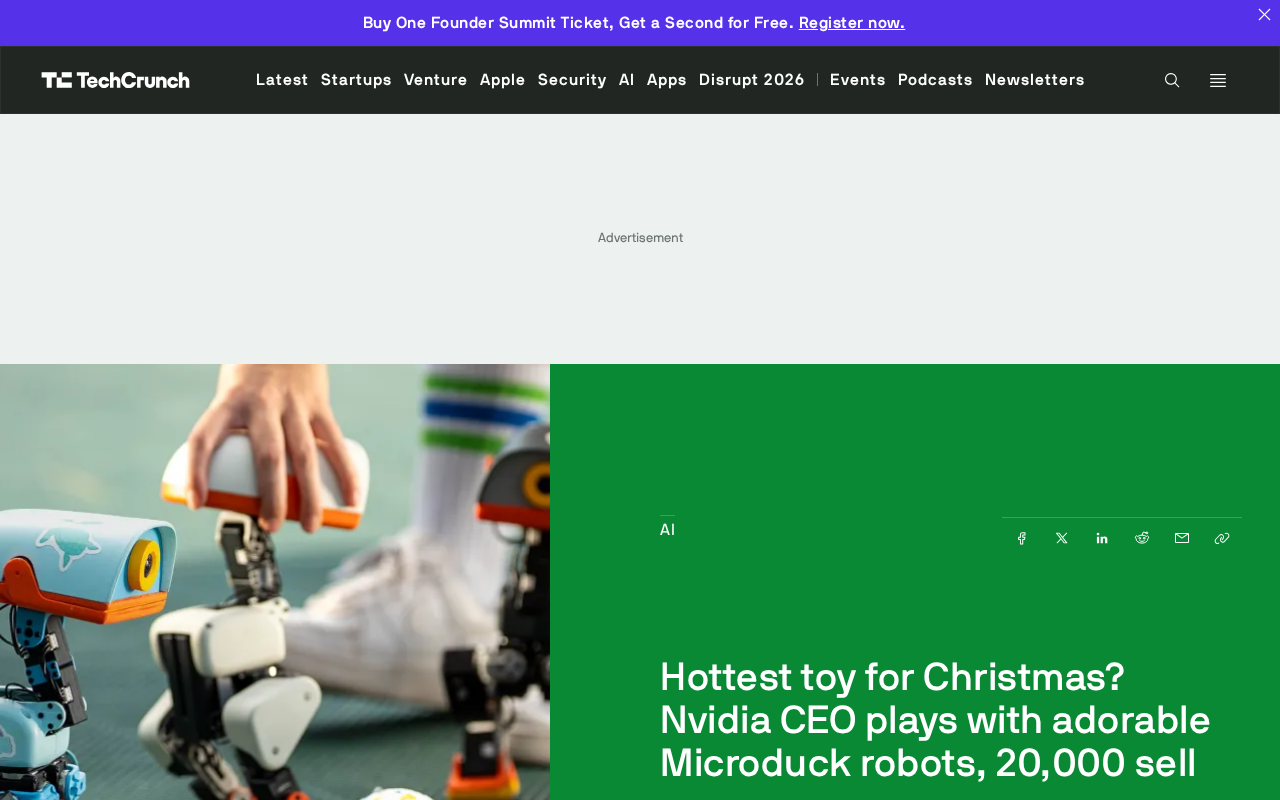
The Microduck Robot That Jensen Huang Made Famous: 20,000 Units Sold Out
NVIDIA CEO Jensen Huang's interaction with Microduck robots went viral, driving 20,000 sales of these voice-command robots that sit, play dead, and somersault. This article analyzes product design, celebrity effect, and lessons for the consumer robotics market.
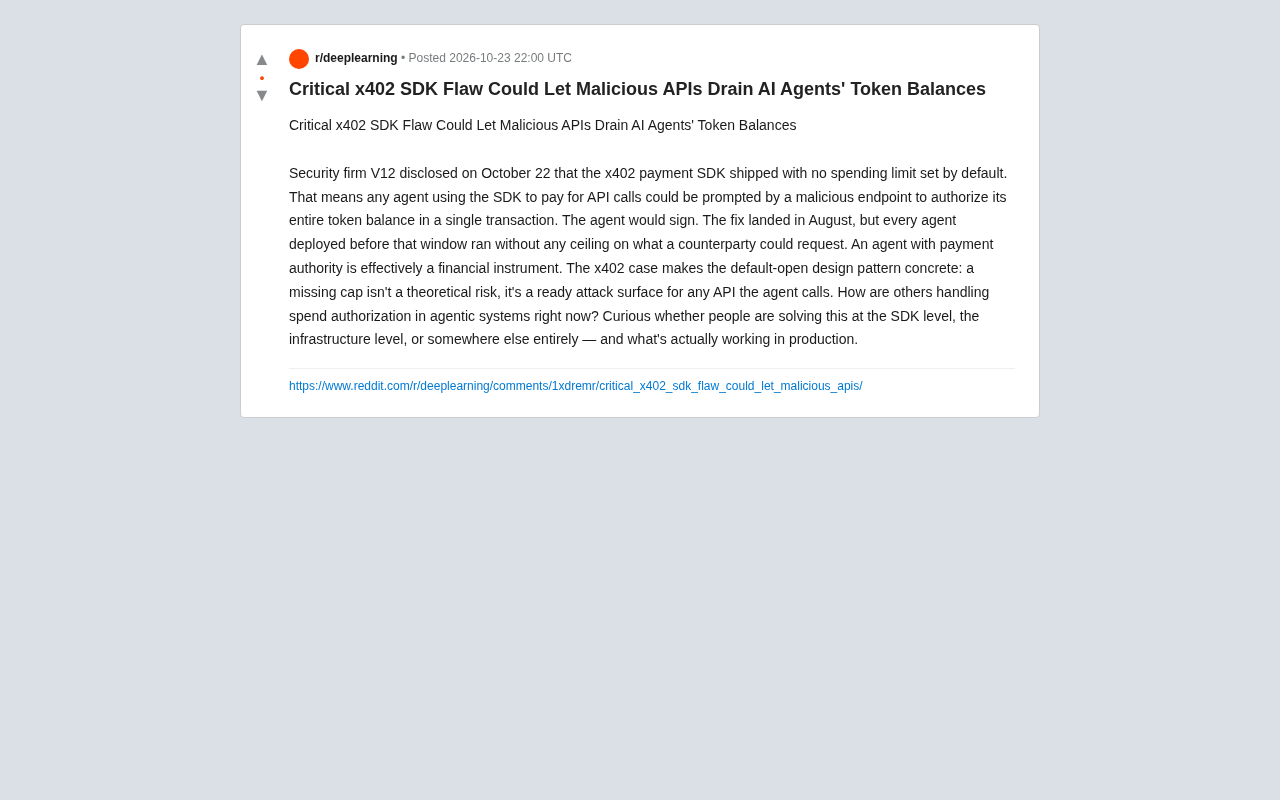
x402 SDK Has No Default Spending Cap: Malicious APIs Can Drain AI Agent Token Balances
V12 discloses that the x402 payment SDK shipped with no default spending cap, letting malicious APIs trick AI agents into authorizing their full token balance.

Frontend to AI Agent Development: A Frontline Architect Explains Career Paths and Opportunities
A frontline AI architect explains the industry changes and practical paths for frontend developers transitioning to AI Agent development: why pure frontend jobs are disappearing, why Agent + full-stack has become mainstream in hiring, and three transformation routes—Agent development engineer, FDE, and remote contracting—along with corresponding learning strategies.