Foldable Widescreens: Will They Disrupt Vertical Micro-Dramas?

Micro-dramas rise on gacha-style microtransactions and low-cost production; foldable widescreens won't shake vertical foundations short-term.
Vertical micro-dramas are expected to surpass $1 billion in annual US revenue, with a business model closer to gacha mobile games: watch a few episodes free, then unlock more with tokens or coins—a freemium plus microtransaction combination. Production costs are far lower than traditional TV thanks to narrow framing and tight shots, while the compact composition creates face-to-face immersion. Former Miramax CEO Bill Block joining GammaTime signals Hollywood is taking the format seriously. The article further discusses whether foldable phones unfolding to near-tablet proportions could shake vertical content; practitioners argue immersion comes from filming language, not screen ratio, and widescreen means higher production costs—contradicting the low-cost model. The core conclusion: the deciding factor for micro-dramas is unit economics, and hardware form is just a variable to watch in the short term.
Vertical video used to be a "dirty word," but now it's the hottest thing Hollywood and tech giants are racing to get into. Annual revenue for micro-dramas in the US market is expected to surpass one billion dollars, and their business model looks more like gacha mobile games than traditional television. But a hardware trend is emerging: foldable phones unfold to nearly tablet proportions—could this shake the foundations of vertical content?
Why Micro-Dramas Suddenly Took Off
According to analysis from a YouTube channel, the economic model of micro-dramas is fundamentally different from traditional streaming. Users don't pay a one-time subscription; instead, they watch a few episodes for free, then unlock subsequent plot developments with tokens or coins—the same in-app purchase logic as mobile games. This combination of freemium plus microtransactions lets platforms rapidly validate content at extremely low customer acquisition costs.
The production side has advantages too. According to the same source, vertical short dramas cost far less to shoot than traditional TV series. The camera is pressed right up against the actor's face, because viewers receive emotion "face-to-face" through their phone screens, dramatically reducing the need for production design.
"We shoot very close to people, because you're essentially talking to the audience through their phone. You want to pull them in—it's an immersive experience."
This quote comes from Bill Block and Amy Sullivan, who run the new vertical platform GammaTime. Bill Block is the former CEO of Miramax, and his involvement is seen as a signal that Hollywood is taking this format seriously.

Freemium and microtransactions are the two key terms for understanding the micro-drama economic model. Freemium refers to a business model where basic content is free and core experiences are unlocked through payment—first popularized by mobile games and SaaS software. Microtransactions refer to payments of very small amounts, usually mediated through virtual currency (like tokens or coins), lowering users' psychological payment threshold. Combined, platforms can first acquire users with zero-cost content, then set up paywalls at key plot points, converting viewers' binge impulses directly into revenue. Compared to subscriptions that require long-term retention, this model relies more on per-episode completion rates and payment conversion rates, and is better suited to customer acquisition through social media feeds.
Low Cost, High Immersion: The Natural Advantages of Vertical
Vertical content is often criticized for being "unpolished," but practitioners argue this is a feature, not a bug. Because the frame is narrow and shots are tight, viewers' attention is forced onto characters' expressions and dialogue, creating a sense of intimacy.

This production logic means vertical short dramas don't need big scenes or complex sets—low upfront investment, fast turnaround. According to data cited by the YouTube channel, the low-cost structure of micro-dramas makes them "the most powerful low-cost customer acquisition vehicle." For content platforms wanting to scale quickly, this is far more cost-effective than the traditional path of burning money on user acquisition.
Will Foldable Widescreens Become a Variable?
The core question raised in the video is: when foldable phones unfold to provide wider aspect ratios, will the vertical industry's high growth be interrupted?
Looking at hardware trends, the unfolded state of foldables is indeed closer to square or tablet proportions, theoretically better suited for horizontal consumption. But feedback from short drama practitioners isn't pessimistic—according to several micro-drama insiders in the video, vertical immersion comes from the "close-up dialogue" filming language, not simply screen proportions. Even if devices get wider, users' short drama browsing scenarios remain fragmented and one-handed, and vertical interaction habits are hard to reverse through hardware form factors.
Another underestimated factor is cost. Widescreen content means larger sets and more visual information, driving up production costs. The entire micro-drama business model is built on extremely low production costs—hardware getting wider won't automatically push content upgrades, and may instead lead platforms to continue choosing vertical to maintain profit margins.
Aspect ratio refers to the ratio of image width to height, a fundamental parameter of content format. Traditional TV dramas are mostly 16:9 horizontal, while a phone held vertically has a screen of roughly 9:16—the natural canvas for vertical short dramas. When foldable phones unfold, the inner screen ratio is usually close to square or tablet ratios like 4:3 or 3:2, theoretically accommodating both horizontal and vertical content. But content consumption depends not just on screen shape, but also on grip posture, one- or two-handed operation, and viewing duration. In fragmented scenarios, users often hold phones vertically with one hand—even if screens get wider, app interfaces and interaction logic remain primarily vertical scrolling, which is one reason practitioners believe vertical habits are hard to reverse through hardware.
Consensus and Divergence Across Multiple Perspectives
Synthesizing discussions from the YouTube channel and industry insiders, several points of consensus emerge: micro-drama growth is driven by both the microtransaction model and low-cost production; the entry of Hollywood veterans boosts the credibility of this track; and vertical immersion stems from filming language, not the screen itself.
Divergence centers on the impact of foldables. One side believes widescreen foldable form factors will spawn new content consumption habits, while the other (including practitioners interviewed in the video) tends to believe vertical interaction scenarios are stable enough that hardware changes won't disrupt the industry. There's no definitive answer yet, but what's certain is that the deciding factor for micro-dramas is unit economics, not screen ratio.
Unit economics refers to the analytical framework of calculating revenue and costs per individual user or per order, with core metrics including customer acquisition cost (CAC), lifetime value (LTV), and payback period. Micro-dramas are seen as a good business precisely because production costs are low and ad creative is the content itself, keeping CAC very low, while ARPU (average revenue per user) from microtransactions is enough to cover costs in a short period. The key to judging whether a vertical platform can sustain isn't screen ratio, but whether LTV consistently exceeds CAC and whether payment conversion points are designed densely enough.
Implications for Creators and Platforms
If your business involves vertical content, two signals are worth watching: first, the actual usage time distribution of foldable devices—what users are actually watching after unfolding their screens; second, whether micro-drama platforms start trying a "shot vertical, adapted for multiple aspect ratios" distribution strategy. The former determines the magnitude of the hardware variable, the latter determines whether content providers can hedge risk.
At least based on current information, the driving force behind vertical micro-dramas is the business model, not screen form factor. Foldables are, in the short term, more of a variable to watch than a disruptor.
Related articles
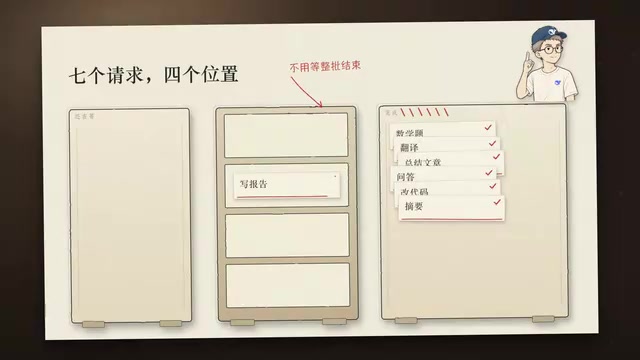
DeepSeek Open-Sources DeepInfer: What Is an Inference Framework Actually For?
DeepSeek open-sources its inference framework DeepInfer under Apache 2.0, supporting DeepSeek V4.1 Flash offline inference. This article explains its request scheduling, FlashMLA/DeepGEMM compute optimization, DSPark speculative verification acceleration, and what it means for developers and ordinary users.
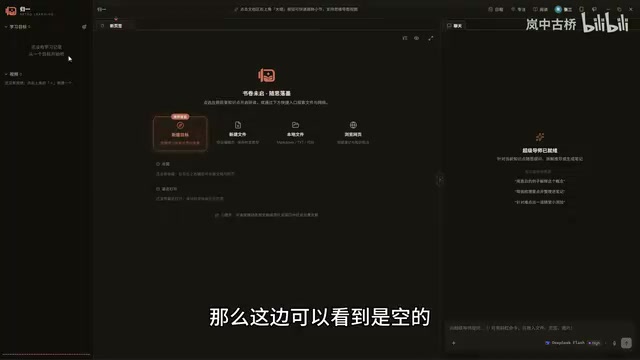
Open-Source AI Learning Agent: A Full Workflow Experience from Topology Graphs to Exam Generation
Explore an open-source AI learning agent: built on DeepSeek API, it constructs knowledge systems via topology graphs, with automatic document generation, notes, super documents, and exams. Learn about its Agent workflow and design highlights.

DeepSeek Whale Girl Open-Source MV Meme: AI Industry Coded Slang About Pivoting to Closed Source
Bilibili's DeepSeek Whale Girl rap MV uses fictional memes to tease the AI open-source vs. closed-source debate, with lyrics full of industry slang. This article explains the meme culture, the Whale Girl symbol, and the open/closed tension.