Former Infosys Executive's AI Startup Raises $53 Million in New Funding
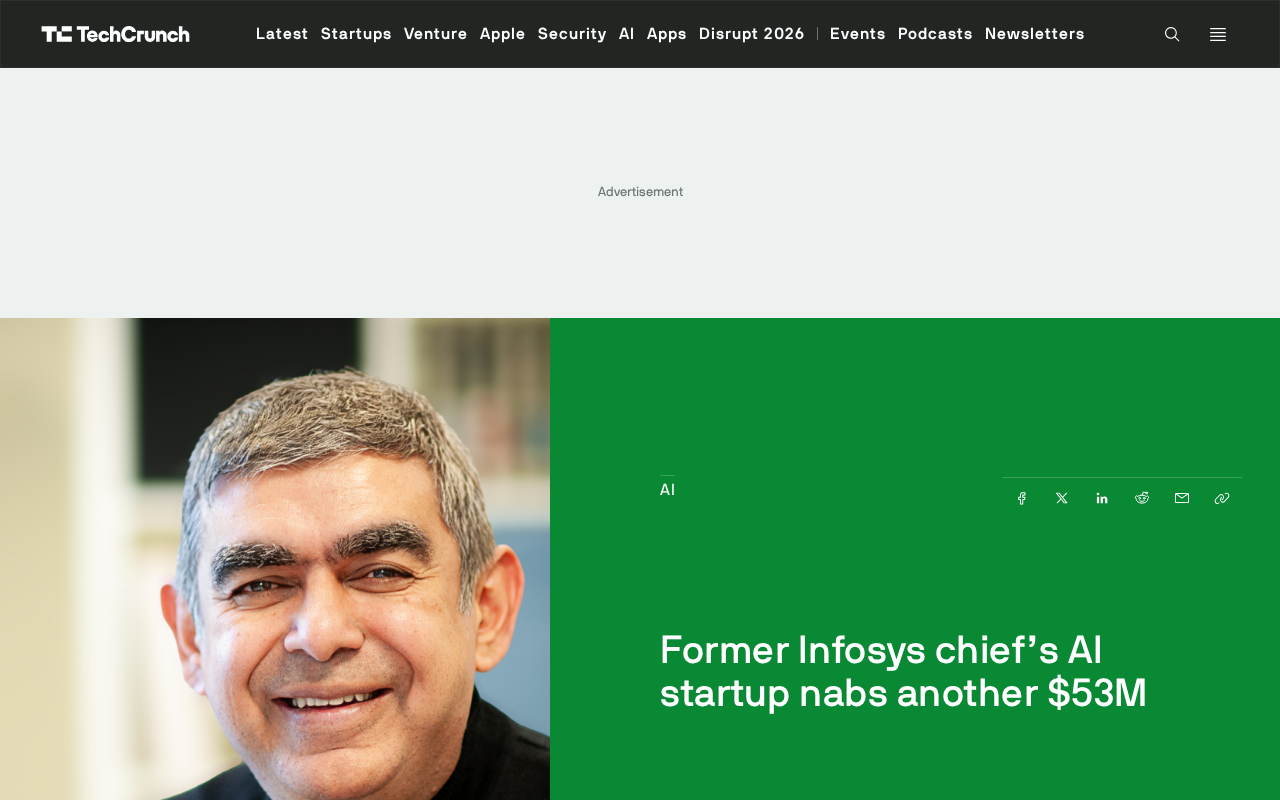
Former Infosys executive's Palo Alto AI startup raises $53M and lands multiple million-dollar enterprise contracts within months.
A Palo Alto-based enterprise AI startup founded by a former senior Infosys executive has announced a new $53 million funding round. Leveraging the founder's deep network and credibility in global enterprise IT services, the company signed multiple seven-figure enterprise contracts within just a few months of launch — an unusually fast commercialization pace for an early-stage AI startup. The new capital will fund product development, team growth, and market expansion. This case highlights a defining trend in today's AI startup ecosystem: industry veterans who combine technology foresight with large-enterprise delivery experience are becoming prime targets for venture capital, given their ability to convert AI capabilities into predictable enterprise revenue more efficiently than most.
Former Infosys Executive Enters the AI Startup Arena
A Palo Alto-based AI startup recently announced it has secured an additional $53 million in funding. Founded by a former top executive at Infosys, the company attracted significant investor attention from the outset, thanks to its founder's deep background in enterprise IT services.
For an executive who once led Infosys — one of the world's premier IT services giants — the pivot from traditional IT outsourcing and consulting to AI entrepreneurship signals a seasoned industry veteran's bet on the next generation of enterprise technology. Enterprise AI has become a central focus of tech investment, and founders with established large-enterprise client relationships and delivery expertise naturally hold a structural advantage in this space.
Infosys is India's second-largest IT services company, headquartered in Bangalore, with operations spanning more than 50 countries and annual revenue exceeding $18 billion. Its core business lines include IT outsourcing, enterprise software implementation (particularly ERP systems such as SAP and Oracle), digital transformation consulting, and business process outsourcing (BPO). Infosys primarily serves Fortune 500 companies across industries including financial services, manufacturing, retail, and healthcare. This long track record of deeply serving large multinational enterprises gives Infosys alumni an unusually precise understanding of enterprise IT decision-making chains, budget cycles, and procurement culture — advantages that translate directly into sales efficiency and customer trust when entering the enterprise AI market.
Multiple Seven-Figure Enterprise Contracts Signed Within Months of Launch
According to the company's disclosures, it signed multiple seven-figure enterprise contracts within just a few months of its official launch. This pace of commercialization is uncommon among early-stage AI startups, which typically require much longer to build a meaningful base of paying customers.
Closing large enterprise deals quickly generally signals two things: first, that the product addresses a genuine pain point; and second, that the founding team's industry relationships and credibility are playing a decisive role in the sales process. The founder's background as a senior Infosys executive makes it considerably easier to establish trust with large-enterprise procurement decision-makers — a rare and valuable asset in enterprise software sales.
In enterprise software, a "seven-figure deal" typically refers to a single contract valued at $1 million or more. For an early-stage AI startup, deals of this size carry significant weight: they not only represent a meaningful revenue base, but also serve as a powerful signal to attract follow-on investment, since institutional investors often treat large enterprise contracts as strong evidence of product-market fit. Enterprise software deals can carry average sales cycles of six to eighteen months, requiring sign-off from procurement, legal, and information security teams across multiple departments. Closing several such deals within months of founding typically relies on the founder's existing network to compress this timeline — rather than purely organic product-led growth.
Why Venture Capital Is Betting on Enterprise AI Startups
Enterprise AI applications have become a priority focus for venture investors in recent years. Compared to consumer-facing AI products, enterprise solutions typically feature clearer monetization models, higher contract values, and more predictable revenue — which helps explain why a relatively young company has been able to raise successive funding rounds.
The new $53 million round gives the company ample resources to invest in product development, team expansion, and go-to-market efforts. For AI companies targeting large enterprises, a strong cash position is essential to sustaining longer sales cycles and meeting the demands of customized delivery.
Observations and Takeaways
This news reflects a broader trend in today's AI startup ecosystem: seasoned executives with enterprise service backgrounds are increasingly becoming targets of venture capital. They understand both the technology landscape and the procurement logic and delivery requirements of large organizations, allowing them to convert AI capabilities into real revenue more efficiently.
That said, publicly available information on the company remains limited — specific product details, technical approach, and target verticals have not been fully disclosed. Rapid fundraising and deal-signing are positive signals, but the enterprise AI market is intensely competitive, and whether the company can deliver on its long-term growth expectations remains to be seen. For practitioners tracking AI commercialization, startup ventures led by seasoned industry veterans like this one are worth following closely.
Related articles
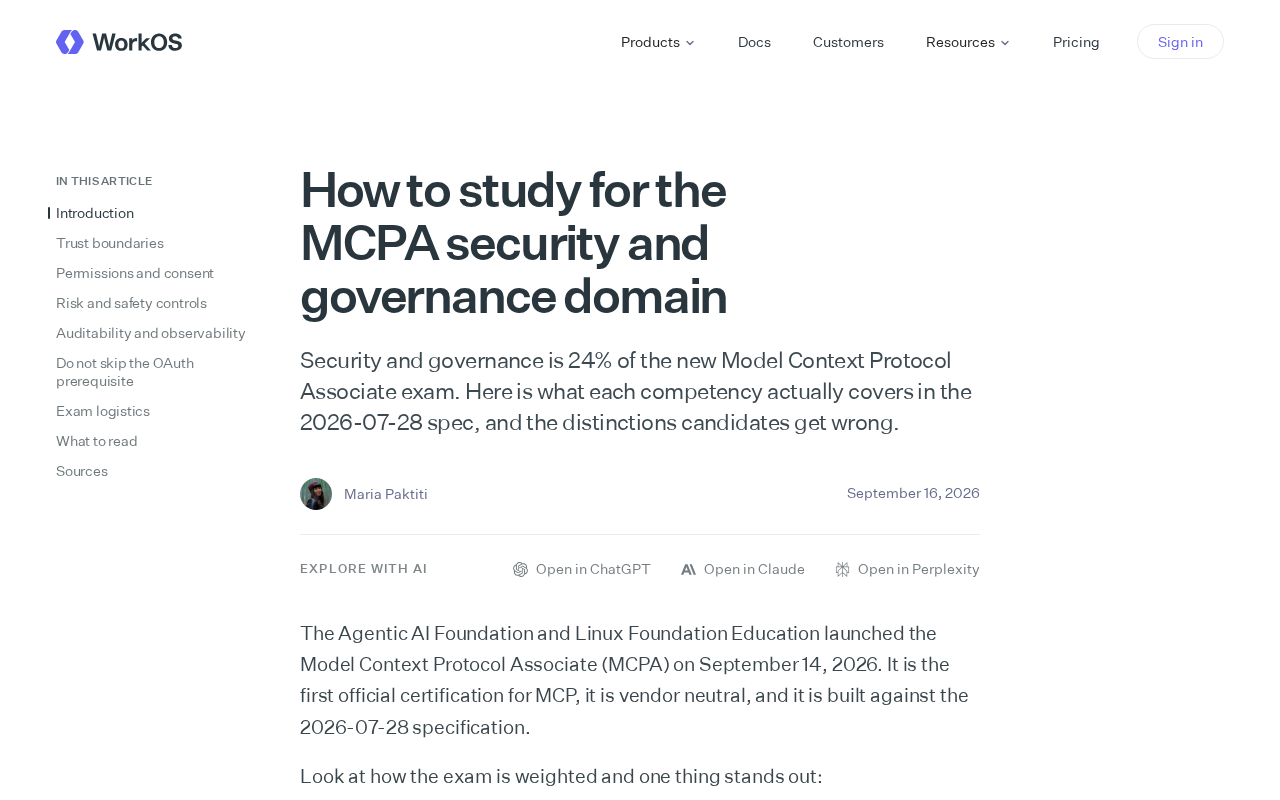
MCPA Certification Study Guide: Mastering the Security and Governance Domain
Security & Governance makes up 24% of the MCPA exam. Learn what each competency tests — authentication, data protection, governance — and clear up the concepts candidates most often confuse.

Beware of 'Model Welfare': The Debate Over Whether AI Deserves Moral Consideration
"Model Welfare" sparks fierce AI ethics debate. We examine both sides of whether AI systems deserve moral consideration, and the tension between anthropomorphism and scientific rigor.
PS5 Linux Maintainer Quits: Are LLMs Eroding the Foundation of Open Source Collaboration?
The PS5 Linux port's core maintainer quit over a flood of LLM-generated, low-quality contributions. We examine how AI-assisted coding is straining open source trust and collaboration.