Former Inmate Reveals Psychopath Ratio in Prison: About 200 Out of Every 880

Former inmate Lawton estimates about 23% of life-sentence prisoners are psychopaths and reflects on the blurred line between good and evil.
On a podcast, former inmate Larry Lawton estimated that about 200 of 880 life-sentence inmates at an Atlanta prison are psychopaths—roughly 23%, far above the ~1% in the general population. He noted these individuals aren't all violent; some actively litigate, work, find partners, and even hold weddings, showing social and emotional needs persist in extreme environments. Lawton repeatedly said he doesn't judge others because he doesn't know their pasts, citing his contact with Mafia boss Scarfo to illustrate the blurred line between good and evil. He believes those who have survived darkness possess the most wisdom and that practical experience is more valuable than book knowledge. Though his estimate lacks scientific basis, it offers an insider's perspective.
Psychopaths in Prison: Observations from a Former Inmate
On Lex Fridman's podcast, former inmate Larry Lawton shared his estimate of the proportion of psychopaths in prison. He mentioned that out of 880 inmates serving life sentences at an Atlanta prison, approximately 200 were psychopaths. That ratio is about 23%, far higher than the commonly estimated 1% in the general population. Lawton emphasized that not all of these psychopaths exhibited violent behavior—some were even able to form intimate relationships in prison.
Defining and Manifesting Psychopathy
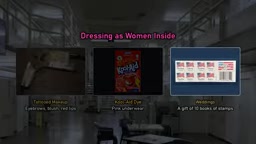
The "psychopaths" Lawton describes are not a clinical diagnosis but based on his long-term observations in prison. He pointed out that these individuals actively fought their cases in the law library, worked, and even sought partners. He gave examples of people dyeing pink underwear with Kool-Aid, tattooing eyebrows and lip lines, and holding weddings in prison. These behaviors show that even in extreme environments, the human need for social connection and emotion persists.

Psychopathy in clinical psychology typically refers to a personality disorder characterized by emotional coldness, lack of empathy, manipulativeness, and impulsive antisocial behavior. The most commonly used assessment tool is the PCL-R (Hare Psychopathy Checklist-Revised), which contains 20 items—the higher the score, the closer one is to the "psychopath" prototype. It is distinct from the diagnostic label of antisocial personality disorder (ASPD): ASPD focuses more on behavioral violations and impulsivity, while psychopathy emphasizes core emotional and interpersonal deficits. The estimated prevalence of psychopathy in the general population is about 1%, but in prison populations it can reach 15%–25%, which aligns with the general direction of Lawton's rough observation. It should be emphasized that psychopathy is not an all-or-nothing category but a continuum, and not all individuals with high PCL-R scores commit violent crimes.
The Blurred Line Between Good and Evil
Lawton repeatedly emphasized in the conversation that he does not judge anyone because "I don't know their past." He mentioned that he had once walked and chatted with Philadelphia Mafia boss Nicky Scarfo, who was described as "vicious," but Lawton found that these people also had a kind side. This view echoes his comments when watching the GTA trailer: there are no absolute good or bad people.
The Value of Dark Experiences
Lawton believes that those who have experienced darkness and survived often possess the most wisdom. He mentioned that he would rather listen to someone who has personally experienced prison than a professor who has only read about it in books. This emphasis on practical experience stems from his own profound experiences in prison.

Reflections on the Psychopath Ratio
Although Lawton's estimate (about 200 out of 880) lacks scientific basis, it provides an observation from an insider's perspective. This ratio is far higher than in the general population and may reflect the accumulation of more individuals with antisocial personality disorder in the prison environment. However, it should be noted that psychopathy is a clinical concept requiring professional assessment and cannot be judged solely by behavior.
Social Interaction and Emotion in Prison
Lawton's description reveals the complex social structure within prison: people still seek partners, build relationships, and even hold weddings. These behaviors indicate that even in highly controlled environments, basic human social needs remain strong. At the same time, he also mentioned that "romance still exists in prison," which may be a testament to human resilience.
Life imprisonment varies significantly in meaning across jurisdictions. In some U.S. states, "life imprisonment" may mean without parole (LWOP), or it may allow parole after serving a certain number of years. In Georgia, where Atlanta is located, life imprisonment typically allows parole, but serious crimes such as murder may result in life without parole. This sentencing structure affects the composition of the prison population: long-term inmates accumulate more individuals with serious violent crimes and antisocial personality disorder, thereby inflating the "apparent ratio" of psychopathy. Additionally, the prison environment itself may reinforce strategic behaviors such as coldness and manipulation, creating discrepancies between behavioral observations and clinical diagnoses.
Conclusion
Larry Lawton's account provides an informal estimate of the psychopath ratio in prison and prompts reflection on the boundaries between good and evil. His perspective emphasizes that understanding others' pasts is key to avoiding simplistic judgments. Although his observations lack scientific rigor, as a firsthand narrative they hold unique value.
Related articles

Gemini 4 Neon Hands-On: Can It Challenge Opus 5.5?
Google released 4 Gemini 4 models in 49 days. We test whether Neon can challenge Opus 5.5 across benchmarks, real video tasks, and subscription costs.

Getting Started with Local AI: A Practical Guide to Inkling, Qwen, and Unsloth
A beginner's guide to local AI, explaining the roles of Inkling, Qwen, and Unsloth in local LLM deployment and fine-tuning, covering model selection, quantized inference, lightweight fine-tuning workflows, and trade-offs between local and cloud solutions.

Open Social Web Alliance Launched: A New Starting Point for Decentralized Social
The Open Social Web Alliance has emerged, sparking heated discussion on Hacker News. This article outlines its positioning, the core disagreements in community discussion, and the real-world challenges facing the open social web in interoperability, content governance, and identity migration.