French Supermarket Fridges Hit by Cyberattack: IoТ Security Sounds Another Alarm
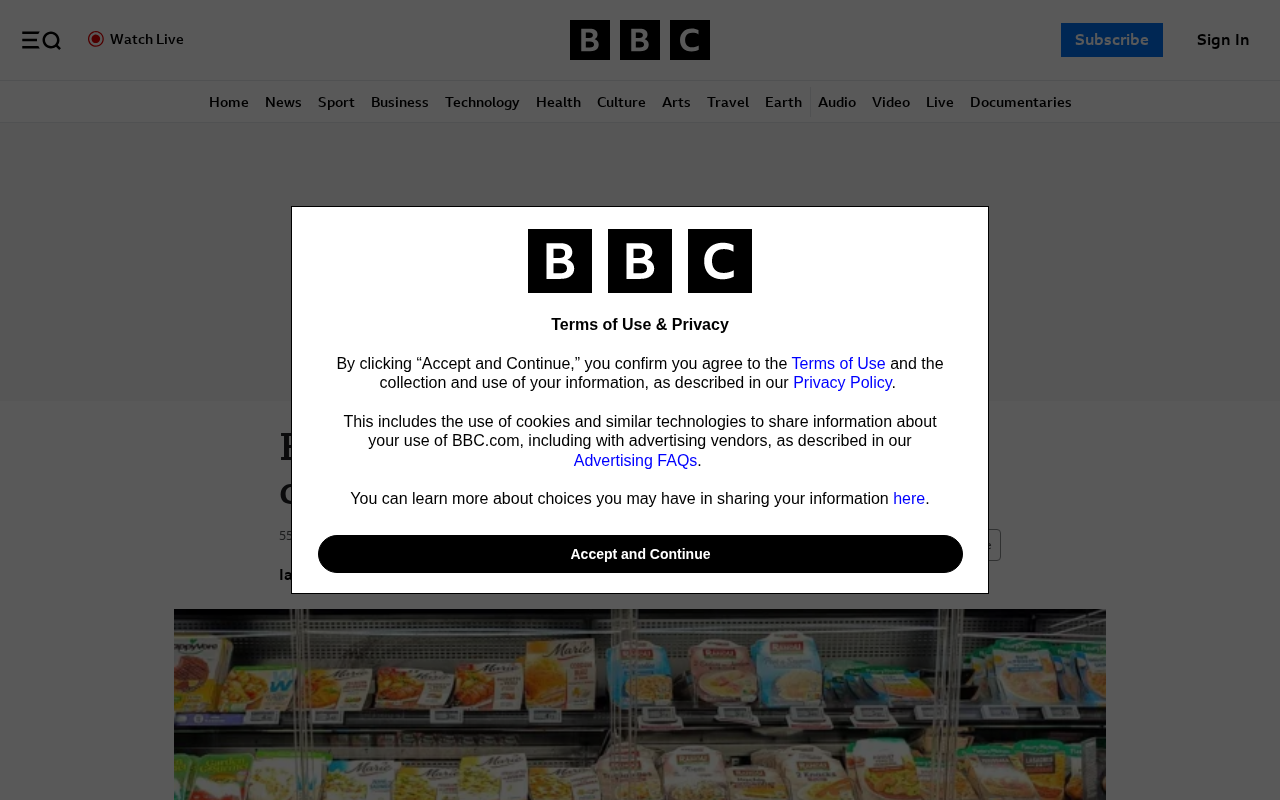
Smart fridges at French supermarkets were cyberattacked, exposing IoT devices as the weakest link in enterprise security.
Internet-connected refrigerators at several French supermarkets were cyberattacked, raising widespread concern about IoT security. Due to default passwords, outdated firmware, and unencrypted communications, these devices are highly vulnerable. Attackers may penetrate laterally from a single fridge into a supermarket's internal network, threatening inventory, logistics, and even payment systems. The article analyzes motives such as ransom, botnet recruitment, and data theft, and proposes defenses across asset inventory, network isolation, procurement assessment, and continuous monitoring, highlighting lagging IoT security governance.
When Fridges Become Attack Targets
Smart refrigerators at several French supermarkets were hit by cyberattacks, causing devices to malfunction. The incident was shared by a user in the Hacker News community and sparked widespread discussion. Why a seemingly ordinary cold-chain device would become a target for attackers is worth examining in depth.
In traditional understanding, cyberattacks usually target servers, databases, or personal endpoints. But this incident shows that any internet-connected device can become an entry point. Supermarket refrigerators are not simple cooling units; they often come equipped with temperature monitoring, inventory management, and remote maintenance functions, and are connected to supply chain systems and cloud platforms.
The Systemic Fragility of IoT Devices
The Overlooked Attack Surface
For devices like supermarket refrigerators, security is often not a priority from the outset of design. Manufacturers focus more on cooling efficiency, energy consumption control, and cost reduction. Default passwords, unencrypted communication protocols, and firmware that is not updated for long periods—problems common in consumer IoT products—also exist in commercial devices.
According to feedback in the Hacker News discussion thread, similar incidents are not isolated cases. Networked devices in multiple industries have previously been exposed for security vulnerabilities, from smart door locks to industrial sensors. The attack methods are strikingly similar—exploiting management interfaces exposed on the public internet or weak credentials to intrude.
Default passwords and weak credentials are the most common path to compromise for IoT devices. Many commercial devices ship with uniform credentials such as admin/admin or root/12345. If these are not forcibly changed after deployment, attackers can locate and log in within minutes using scanning tools such as Shodan and Masscan. More dangerously, some device management interfaces are directly exposed to the public internet and can be accessed without any authentication.
Long-term failure to update firmware means known vulnerabilities cannot be patched. The lifecycle of IoT devices is typically 5–10 years, while vendors' security support often lasts only 1–2 years. Once maintenance stops, the device remains permanently in a vulnerable state.
Unencrypted communication allows attackers to sniff sensitive data within the same network, or even conduct man-in-the-middle attacks. IoT protocols such as MQTT and CoAP generally lacked mandatory encryption mechanisms in their early designs, further amplifying the risk.
The Chain Risk of the Supply Chain
A single compromised refrigerator may have limited impact, but if attackers can move laterally into a supermarket's internal network, the consequences go far beyond loss of temperature control. Inventory data, logistics information, and even payment systems may all be exposed to risk. The exact scope of impact in this French incident is not yet clear, but it reveals a key problem: IoT devices are becoming the weakest link in enterprise cybersecurity chains.
Lateral movement refers to the process in which attackers, after compromising an initial node, use that node as a springboard to gradually penetrate other systems in the network. In a supermarket scenario, an internet-connected refrigerator may be connected through the same local area network to inventory management systems, POS checkout terminals, or even financial servers. Once attackers enter the internal network, they can exploit shared credentials, unpatched service vulnerabilities, or trust relationships to jump from low-value devices to high-value targets.
This attack path is dangerous because IoT devices typically lack endpoint detection and response (EDR) tools, making it difficult for security teams to detect anomalies. Attackers can lurk on a refrigerator for weeks, gradually scanning the intranet and stealing credentials, eventually reaching payment or customer data.
What Are the Attackers' Motives?
There is currently no official conclusion regarding the identity and purpose of the attackers, but inferences can be made from several angles:
- Ransom: Demanding payment after taking control of devices, which has precedents in the IoT field
- Botnet recruitment: Incorporating compromised devices into a larger attack network
- Protest or prank: Retaliatory acts against a specific brand or industry
- Data theft: Obtaining business intelligence through device backdoors
One detail worth noting is that supermarket cold chains involve food safety. If temperature control systems are maliciously manipulated, it could cause product spoilage and even public health risks. This is also why such attacks are more alarming than ordinary intrusions into IT systems.
How Should Enterprises Respond?
Asset Inventory and Network Isolation
Enterprises first need to figure out how many internet-connected devices they have and which systems they are connected to. Isolating IoT devices from core business networks is a basic means of reducing risk. Even if one refrigerator is compromised, attackers should not be able to easily reach financial or customer data.
Security Considerations in Device Procurement
Security should be included in evaluation criteria during the procurement stage. Whether firmware updates are supported, whether there is a mechanism to force changes to default passwords, and whether communications are encrypted—these questions need to be asked clearly before signing contracts. The cost saved by low-priced devices may be far less than the losses caused by a single security incident.
Firmware update mechanisms are one of the core indicators for evaluating the security of IoT devices. Ideally, devices should support automatic or semi-automatic firmware upgrades and have signature verification to prevent attackers from implanting malicious firmware. During procurement, it should be confirmed whether the vendor provides a clear security support period (usually at least 5 years), and whether the vulnerability disclosure and remediation process is transparent.
Forced modification of default passwords is also crucial. When a device is first started, it should force users to set a unique password rather than allowing continued use of factory credentials. In addition, communication encryption should be enabled by default, supporting standard protocols such as TLS/SSL, to prevent data from being stolen or tampered with during transmission. Devices lacking these basic security designs may, even if cheap, bring repair and compliance costs far higher than the purchase price in the long run.
Continuous Monitoring and Response
Abnormal behavior of IoT devices is often difficult to notice. Slowly drifting temperature data and frequent device communications outside working hours may go undetected for weeks if no one is watching. Establishing monitoring rules for IoT traffic and incorporating them into the enterprise's overall security operations process is a necessary investment.
The Bigger Picture
Viewed against a broader backdrop, the attack on French supermarket refrigerators is a microcosm of lagging IoT security governance. At the regulatory level, countries are still improving security standards for IoT devices; at the industry level, the division of security responsibilities among device manufacturers, integrators, and end users is not clear.
For ordinary consumers, the lesson is this: the connected devices around you may be more fragile than you think. For enterprises, no internet-connected device should be assumed to be "secure" by default. Security boundaries are blurring, and attackers always start from the weakest link.
The news热度 around such incidents may fade quickly, but the problems they expose will persist. The real solution is not post-incident remediation, but embedding security thinking into every stage of device design, procurement, and deployment.
IoT security governance remains fragmented globally. The European Union's Cyber Resilience Act requires all connected devices to meet basic security requirements before being placed on the market and mandates that manufacturers provide vulnerability fixes. The United States, through the IoT Cybersecurity Improvement Act, sets minimum security standards for federally procured devices, but its coverage is limited.
At the industry level, the boundaries of security responsibility among device manufacturers, system integrators, and end users are blurred. Manufacturers believe post-deployment security is the user's responsibility, users rely on integrators for protection, and integrators often lack security capabilities. This responsibility vacuum leaves many devices in an "unattended" state after deployment.
The lag in regulation and the dispersal of industry responsibility make IoT security incidents frequent yet difficult to hold accountable. The French refrigerator attack is a typical manifestation of this governance dilemma.
One-line Summary
Smart refrigerators at French supermarkets were cyberattacked, exposing IoT devices as the weakest link in enterprise security.
Paragraph Summary
Internet-connected refrigerators at several French supermarkets were hit by cyberattacks, drawing widespread attention to IoT security. Due to issues such as default passwords, outdated firmware, and unencrypted communications, these devices are highly vulnerable to compromise. Attackers may use a single refrigerator to penetrate laterally into a supermarket's internal network, threatening inventory, logistics, and even payment systems. The article analyzes attackers' potential motives, including ransom, botnet recruitment, and data theft, and proposes that enterprises build defenses in four areas: asset inventory, network isolation, procurement security assessment, and continuous monitoring. The incident reflects delays in IoT security governance regarding regulation and the division of industry responsibility, warning that no connected device should be assumed secure by default.
Related articles

AI Gains Confined to Tech? Non-Tech Industries See Little Payoff
Apollo analysis finds AI's economic returns remain highly concentrated in tech, with no quantifiable payoff yet in non-tech sectors. We break down the key arguments, Hacker News debate, and practical implications for enterprise AI investment and measurement.
FreeDNS: A Classic Choice for Free Dynamic DNS Services
FreeDNS is a platform offering free dynamic DNS hosting, supporting a shared domain pool and HTTP updates. This article covers its core features, community reviews, use cases, and comparisons with other DNS solutions.

AI Agents on Your Phone: Where's the Line Between Convenience and Privacy?
A developer finds people accept AI agents operating laptops but feel uneasy about phones. This article analyzes the trust gap behind data density, permission models, and observability, exploring the specific task boundaries users are willing to hand to mobile AI agents.