From Vocational School to AI Powerhouse: How Lauren Tan Made It

Lauren Tan went from vocational school to big tech and eventually joined Cursor.
Lauren Tan started in vocational school with poor grades, learned design software, studied finance in Australia, and after a failed startup landed a job through self-taught programming. She wrote and shared her work, gained speaking invitations, joined Netflix despite self-doubt, returned to engineering after management, and joined Cursor in 2026. Her story shows skills matter more than labels, and articulating goals clearly is key to working with AI.
In the AI world, Lauren Tan (known online as Potato) has recently gone viral. A seemingly gentle and soft-spoken woman, she has become a technical powerhouse. What's even more surprising is that she had poor grades in middle school, started out in vocational school, switched majors, and her startup didn't pan out either. Yet from such an unimpressive starting point, she has now not only had a public interaction with Elon Musk but also joined Cursor. Her journey is worth a close look for anyone interested in personal growth in the AI era.
From Design Software CDs to Vocational School: A Turning Point
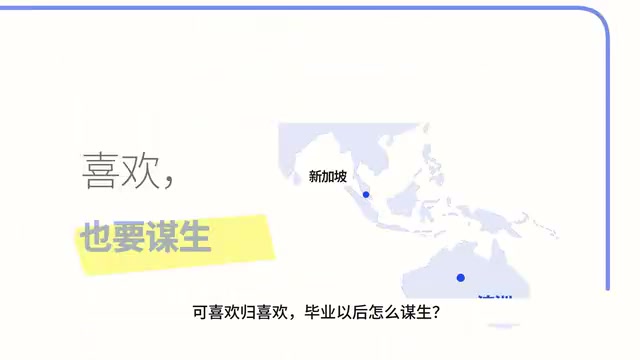
Lauren Tan grew up in Singapore. As a teenager, her stepfather gave her an image design software CD that introduced her to the world of graphics and web design. She dove in headfirst, and her school grades suffered as a result. But liking something is one thing—how do you make a living after graduation? With employment in mind, she went to Australia to study finance and graduated with excellent grades. After graduation, she and a friend tried to start a business, and to build the product, she picked up programming skills on the fly. In the end, the project didn't last.
Imagine this: poor grades in middle school, started in vocational school, switched majors, and a failed startup. Those who only recognize the standard elite path might already be ready to write her off. But by this point, she had already learned enough programming skills to land a job. The project ended, but the skills stayed.
Writing and Speaking: Sharing What You've Done
After starting work, she wrote articles about problems she had solved. Originally just a record of her learning, they were spotted by people in the tech community, and speaking invitations followed. But she used to tremble with nervousness even during classroom presentations—how could she face hundreds of developers? Riya, who invited her, kept encouraging her and offered to help. She finally submitted her application, was selected, and spent three months preparing. She was still nervous in the first few minutes on stage. Gradually, as the things she had practiced repeatedly fell into place, she grew more confident.

Later, a Netflix interview made her want to back out again. Not having a computer science degree, she felt sure she wouldn't pass. Others urged her to give it a try, and she went—and got the job. Where's the logic in that? You don't need a CS degree to get into a big company. The hands-on skills honed through startups and projects weren't wasted.
There are no watered-down universities, no watered-down skills—only watered-down people. What a person has actually learned and can do must be judged by what they've built, not by a label.
From Netflix to Meta, and Then to Cursor
After joining Netflix and then becoming a manager, shouldn't the next step be a steady climb up? Instead, she chose to return to an engineering role because she realized she still wanted to build an idea into something with her own hands. Later, on Meta's React team, she experienced burnout. During her month off, she started tinkering with small projects again, thinking about how to make AI help more effectively. In March 2026, she joined Cursor, and after the company was acquired by SpaceX, that's how today's connection with Elon Musk came about.

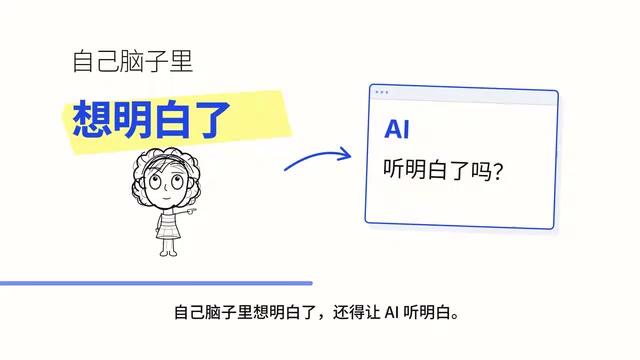
The new team's software was a bit laggy, and her past technical experience came in handy. But investigating issues and checking results always required repeated manual work, which was tedious. So could she equip AI with tools that let it run programs, investigate and fix things on its own? At first she thought the personal projects she'd tinkered with during her break had little to do with her new job—only then did she realize the methods she'd learned there were actually useful. Getting it clear in your own head is one thing; you also have to make AI understand it. She believes this step is the key.
Cursor is an AI code editor built as a fork of VS Code, whose core capability is embedding large language models directly into the coding workflow, supporting natural language generation, modification, and explanation of code. Launched in 2023, it quickly went viral in the developer community and is regarded as one of the flagship products in the "AI coding assistant" category. The article's mention of "equipping AI with tools that let it run programs, investigate and fix things on its own" corresponds precisely to the Agent mode of tools like Cursor: the model can not only complete code but also call the terminal, read and write files, run tests, and iterate based on error messages. This also explains why Lauren Tan's past experience troubleshooting performance issues and manually verifying results became, in the AI era, the foundation for designing tool-invocation workflows.
React is a JavaScript front-end UI library open-sourced by Meta (then called Facebook) in 2013, and is now one of the most widely used front-end technologies in the world, with a vast ecosystem and community built around it. The React team is responsible for the library's core development, version evolution, and community governance, and team members typically need to combine engineering implementation, API design, and open-source collaboration skills. Lauren Tan's time on the React team means she worked on infrastructure relied upon by millions of developers—work that demands a meticulous understanding of developer experience. This later carried over into her approach to designing AI coding tools: whether a tool is good ultimately depends on whether it feels smooth for the person writing code.
Making AI Understand: The Ability to Articulate
Here's a word worth remembering: articulate—to express ideas clearly. You have to be able to do it yourself, and you also have to clearly convey the goal, context, and requirements so that AI has what it needs to do the job well.
By the way, she loves to eat and loves to cook—she can even turn a conversation about AI into one about the kitchen. A head chef has to arrange tools, processes, and checks, and the dishes served must be worthy of the guests. When building products with AI, people must likewise be accountable for the results. Even her management experience comes into play: lay out goals and context clearly so the team has what it needs to make its own judgments. She applied this same thinking to collaborating with AI.
So don't be too quick to judge someone's future by an unimpressive starting point. She had her own dedication, received help from others, and encountered new technological opportunities. What she did gradually grew into the skills she has today. If you're interested, go learn; once you've learned, build something and share it—that's often how opportunities come knocking.
In the context of AI collaboration, articulate isn't just about being "well-spoken"; it's closer to the core competency of prompt engineering: breaking vague intentions into clear goals, constraints, background information, and acceptance criteria. Large language models can't read minds—missing context in the input will be filled in with guesswork, and the results often deviate from expectations. That's why practice often emphasizes a few things: explain "why" and not just "what," provide success criteria that can be judged right or wrong, supply necessary domain background, and when results don't meet expectations, add information rather than retrying repeatedly. This is highly analogous to leading a team—clear goals and sufficient context give the executor room for independent judgment.
One-line Summary
Starting from vocational school, Lauren Tan leveraged hands-on skills to enter big tech and eventually joined Cursor.
Paragraph Summary
The article recounts the growth journey of Lauren Tan (known online as Potato): she had poor grades in middle school, got her start with design software, went to Australia to study finance, and after a failed startup, landed a job through self-taught programming. She wrote about problems she'd solved and shared them, unexpectedly receiving speaking invitations and overcoming her nerves to take the stage; despite self-doubt about not having a CS degree, she got an offer from Netflix, later became a manager, then returned to an engineering role; after burnout on Meta's React team, she started anew and joined Cursor in 2026, later crossing paths with Elon Musk when the company was acquired by SpaceX. The article emphasizes that an unimpressive starting point doesn't limit where you end up—skills actually built matter more than labels; in the era of AI collaboration, articulate (clearly expressing goals and context) is key to getting AI to do things well, and management experience also transfers to working with AI.
Related articles

5 Practical Ways Real Estate Agents Can Use AI to Boost Efficiency (2026 Edition)
How can real estate agents use AI to boost efficiency? Based on a YouTube walkthrough, this breaks down five methods — ChatGPT for listing descriptions, Canva for marketing materials, forms for open house leads, Zapier for automated follow-up, and seller meeting prep — and flags risk boundaries like fair housing laws, photo authenticity, and price verification.

Grok Bot vs ChatGPT Agent: Which AI Agent Is More Powerful?
How does Grok Bot differ from ChatGPT Agent? This comparison examines how they work: Grok Bot has a cloud computer and runs persistently inside tools to execute multi-step tasks automatically; ChatGPT Agent operates web pages in a browser and is more mature at general tasks. Includes selection advice.

Walmart Agent Gateway: AI Shops for You Automatically—Why Is Amazon Going the Opposite Way?
Walmart's Agent Gateway lets ChatGPT, Gemini and other AI assistants access its product catalog to search, compare and add to cart, with spending limits and per-purchase approval. Amazon blocks external AI agents—two retail giants, opposite paths. Currently US-only, India may follow.