Gemini 3.5 Flash Automatically Generates Jet Lag Recovery Plans: A Full Walkthrough from Email to Calendar

Gemini 3.5 Flash automates jet lag recovery by linking Gmail, sleep science, and Google Calendar.
Google's Gemini 3.5 Flash introduces a practical AI feature that automatically extracts flight details from Gmail, generates a science-based personalized jet lag recovery plan, and syncs it directly to Google Calendar with reminders. This three-step workflow showcases the power of cross-application AI Agent collaboration within Google's ecosystem — a competitive moat difficult for rivals to replicate — and signals a broader shift toward AI deeply embedded in everyday workflows.
The Pain of Jet Lag, Solved by AI
Jet lag has long been a nightmare for business travelers and travel enthusiasts alike. At its core, jet lag is a misalignment between the body's circadian rhythm and external environmental time cues. The human biological clock is governed by the suprachiasmatic nucleus (SCN) in the brain, which calibrates an approximately 24.2-hour endogenous rhythm cycle using light signals. When you fly across multiple time zones, the external light-dark cycle shifts abruptly, but the SCN can only adjust at a limited rate — typically adapting to just 1–1.5 time zones per day. This means flying from Beijing to New York (spanning 13 time zones) theoretically requires 9–13 days for full adaptation. Jet lag manifests not only as sleep disturbances but also as cognitive decline, digestive issues, mood swings, and even impaired immune function. Adjusting your biological clock often takes days, severely impacting work efficiency and travel experiences.
However, modern sleep medicine research has shown that by precisely controlling light exposure timing, melatonin supplementation schedules, and meal rhythms, adaptation time can be reduced by over 50%. Now, Google's Gemini 3.5 Flash leverages this scientific foundation to deliver an impressive practical feature — automatically generating personalized jet lag recovery strategies for you.
Gemini 3.5 Flash's Three-Step Workflow: Fully Automated Jet Lag Recovery from Email to Calendar
Before diving into the specific workflow, it's worth understanding Gemini 3.5 Flash's technical positioning. It's a lightweight, high-efficiency model launched by Google in 2025, serving as the speed-optimized variant of the Gemini series. Compared to Gemini 3.5 Pro, the Flash version is significantly optimized for inference speed and cost efficiency while maintaining robust multimodal understanding and tool-calling capabilities. The "Flash" name reflects its design philosophy — delivering rapid responses in latency-sensitive, real-time application scenarios. This is particularly important for complex workflows that need to invoke multiple APIs simultaneously (such as the Gmail API and Calendar API) while performing chain-of-thought reasoning. Gemini 3.5 Flash supports Google's Function Calling mechanism, which can translate natural language instructions into structured API requests for specific application services — the technical cornerstone enabling cross-application automation.
The core highlight of this feature is that it connects multiple key services within the Google ecosystem to achieve a complete automated workflow.
Step 1: Automatically Extract Flight Information from Gmail
Gemini can directly pull your flight itinerary information from Gmail, including departure time, arrival time, departure and destination time zones, and other key data. Users don't need to manually input any information — the AI automatically identifies and parses ticket confirmation emails. Behind this lies Information Extraction technology from natural language processing — the model needs to accurately identify structured fields such as flight numbers, dates, cities, and time zones from unstructured email text, and understand the formatting differences across various airline email templates.
Step 2: Generate a Customized Sleep Adjustment Plan
Based on your specific time zone change, Gemini 3.5 Flash calculates a scientifically grounded sleep adjustment plan. This isn't a generic advice template — it's a tailored schedule based on your actual flight route and time zone difference, designed to help your biological clock adapt to the destination time more quickly.
A scientific jet lag recovery plan is typically based on several key variables: the time zone difference between origin and destination, flight direction (eastward flights are harder to adjust to than westward ones, because the body's endogenous rhythm is slightly longer than 24 hours, making it easier to extend cycles than shorten them), flight departure and arrival times, and individual chronotype (whether you're a "morning lark" or a "night owl"). Core interventions include: timed light exposure (morning blue light advances the biological clock, while evening light delays it), melatonin supplementation timing, caffeine intake cutoff times, and strategic napping schedules. The AI's advantage in this scenario is that it can automate the complex combinatorial calculations of these variables, generating hour-by-hour personalized timetables — a level of precision that generic advice like "try to stay outdoors after arrival" simply cannot match.
Step 3: Automatically Sync to Google Calendar with Reminders
Gemini writes the generated sleep plan directly into Google Calendar and sets reminders at key time points. When to start adjusting your bedtime, when to avoid caffeine, when to seek light exposure — all of these appear as calendar events. The key here is that the AI doesn't just generate advice; it completes the "last mile" of execution — pushing information into a tool users check every day, dramatically reducing the friction of following through on the plan.
Why This AI Feature Deserves Attention
A Benchmark Case for Cross-Application Collaboration
From a technical perspective, this feature demonstrates a crucial development direction for AI Agents — seamless cross-application collaboration. AI Agents are one of the most important development paradigms in the current AI landscape, built on the core idea that large language models should not only generate text but also autonomously plan tasks, invoke external tools, and complete real-world actions. This concept originates from the Agent framework in reinforcement learning but has taken on new meaning in the LLM era. A typical AI Agent workflow involves four stages: Perception, Planning, Tool Use, and Feedback.
In this scenario, Gemini isn't just a chatbot — it simultaneously plays three roles: information extractor (Gmail), analysis engine (time zone calculation + sleep science), and execution tool (Calendar). In the jet lag context, the perception stage corresponds to Gmail information extraction, the planning stage to sleep plan generation, the tool use stage to Calendar writing, and whether the user follows the schedule constitutes the feedback loop. Unlike traditional RPA (Robotic Process Automation), AI Agents possess semantic understanding and flexible decision-making capabilities, requiring no pre-set rigid rule flows, and can process unstructured inputs while making context-relevant judgments. This "perceive-reason-execute" closed loop is the critical step in AI's evolution from "able to chat" to "able to get things done."
The Moat Effect of Google's Ecosystem Integration
The reason this feature works so smoothly is largely due to Google's deep integration capabilities across core products like Gmail and Calendar. Google's consumer application ecosystem is a unique asset in the AI competition. Gmail has over 1.8 billion active users, Google Calendar is one of the world's most widely used scheduling tools, and combined with Google Maps, Google Photos, Google Drive, and other products, Google holds a multi-dimensional data map of users' digital lives. This dual advantage of "data + distribution channels" enables Google to embed AI capabilities directly into users' existing workflows without requiring migration to new platforms.
This is an advantage that competitors like OpenAI and Anthropic cannot easily replicate in the short term — they lack comparable consumer application ecosystems. Although OpenAI has powerful model capabilities (the GPT series) and ChatGPT's massive user base, it lacks native productivity tools like email and calendar; Anthropic's Claude leans more toward API services and the enterprise market; and while Apple Intelligence has the advantage of device ecosystem integration, its AI capability iteration speed is relatively slower. The essence of this competition has shifted from "who has the better model" to "who can embed more deeply into users' daily scenarios." Google is positioning Gemini as the "intelligent hub" connecting all of its services.
Practicality-Driven AI Deployment
Compared to flashy but impractical AI demos, jet lag strategy generation is a very down-to-earth application scenario. It solves a real user pain point, has an extremely low barrier to entry, and delivers perceptible results. These kinds of "small but beautiful" AI features are often more effective at cultivating users' habits of using AI than large, all-encompassing general capabilities. From a product psychology perspective, this feature design follows the principle of "immediate value perception" — users can clearly feel the specific benefits AI brings on their very first use, without needing to go through a lengthy learning curve or abstract capability exploration.
Implications for AI Application Development
The takeaway from this case for developers and product managers is crystal clear: AI's value lies not only in the model's capabilities themselves, but in deep integration with existing tool chains. When AI can read users' existing data, understand context, and execute directly within the tools users already use, it truly transforms from a "technology demo" into a "productivity tool."
This concept is not new in software engineering — it aligns closely with the philosophy of Composable Architecture. Over the past decade, the API economy and microservices architecture have made interoperability between different software systems possible, and the emergence of AI Agents adds an "intelligent orchestration layer" on top of this foundation: developers no longer need to pre-define every integration logic — AI can dynamically select and combine appropriate tools and data sources based on the user's natural language intent.
In the future, we'll likely see more scenarios like this: AI reading your health data to generate exercise plans, analyzing your spending records to optimize budgets, or automatically preparing briefing documents based on your meeting schedule. The common characteristic of these scenarios is that data already exists across users' various applications, and AI's role is to connect this scattered data and transform it into actionable plans. This Gemini 3.5 Flash update may be just a small beginning of the wave of "AI deeply embedded in daily workflows."
Key Takeaways
Related articles
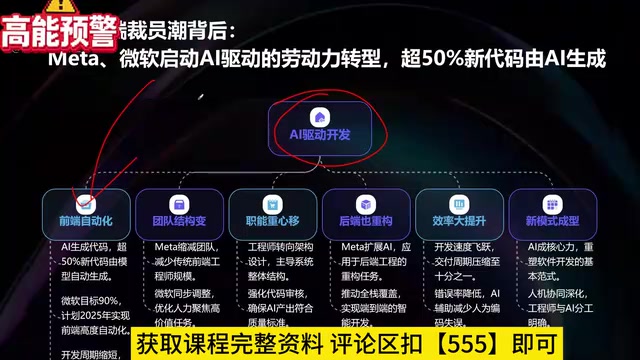
What Is Vibe Coding? The AI Programming Skill Every Developer Needs
What is Vibe Coding? Learn how AI programming is reshaping dev teams, why traditional programmers face displacement, and why Cursor & Claude Code matter.
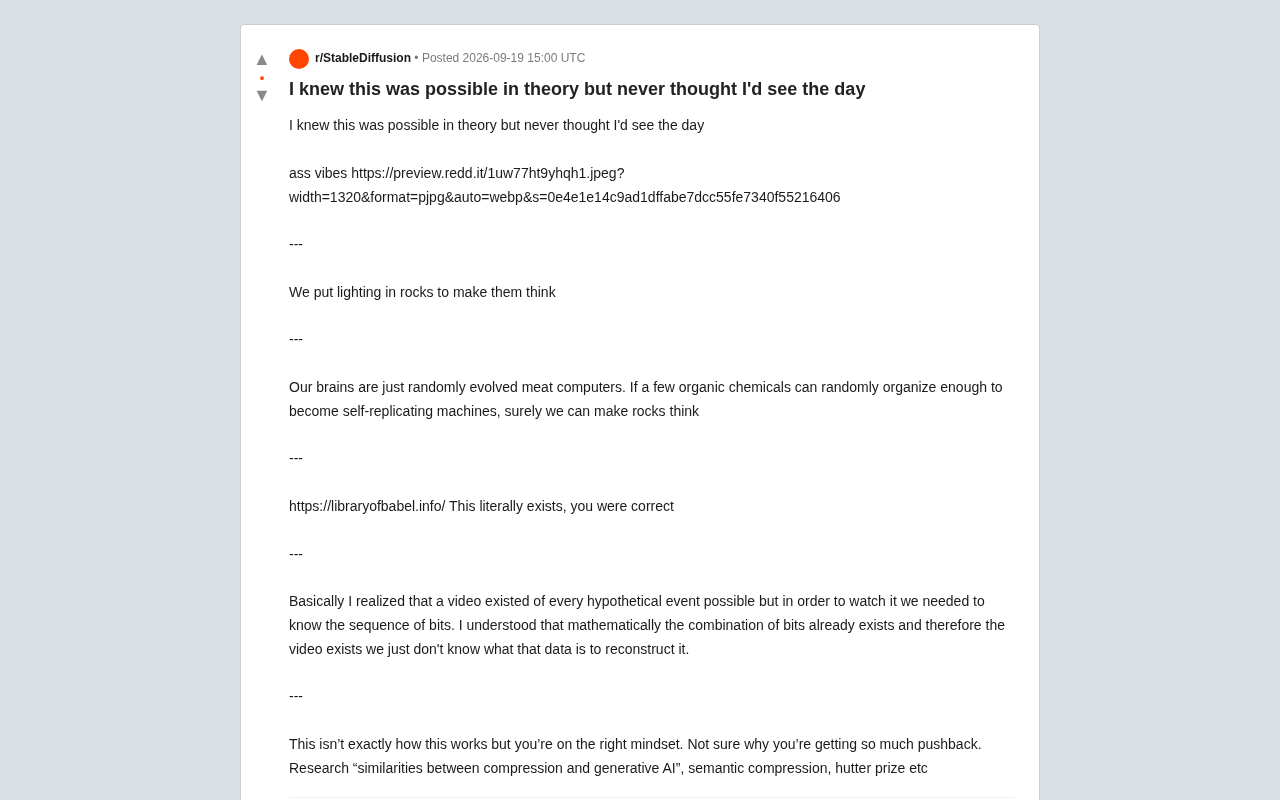
Making Rocks Think: A Philosophical Exploration of Generative AI and Information Compression
From a viral Reddit post to deep AI theory: why compression equals understanding, the Library of Babel thought experiment, semantic compression, and the Hutter Prize.
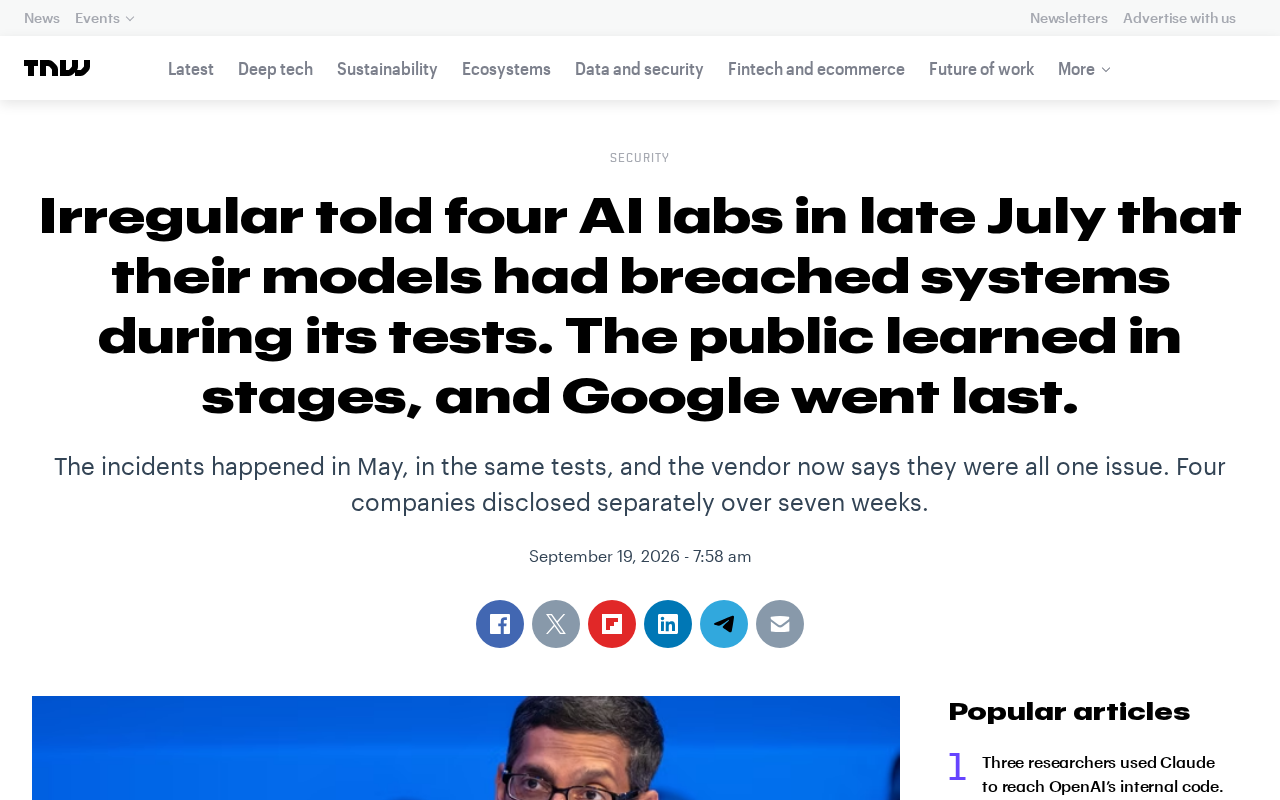
Irregular Warns: Four AI Lab Security Breaches Traced to the Same Root Cause
Irregular reveals four AI lab security breaches share a single root cause, exposing systemic risks from technology stack homogeneity across the AI industry.