Gemini Tasks Opens Free in Six Countries as Google's AI Assistant Evolves

Gemini Tasks opens free in six countries and deepens Workspace integration, pushing AI from chat to task execution.
Google announced that Gemini's Tasks feature is free in six countries, with U.S. users getting new features first and deeper Google Workspace integration. Tasks lets Gemini manage to-dos, set reminders, and track progress, shifting from passive Q&A to active execution. The move reflects AI assistants competing on task completion rather than conversation quality.
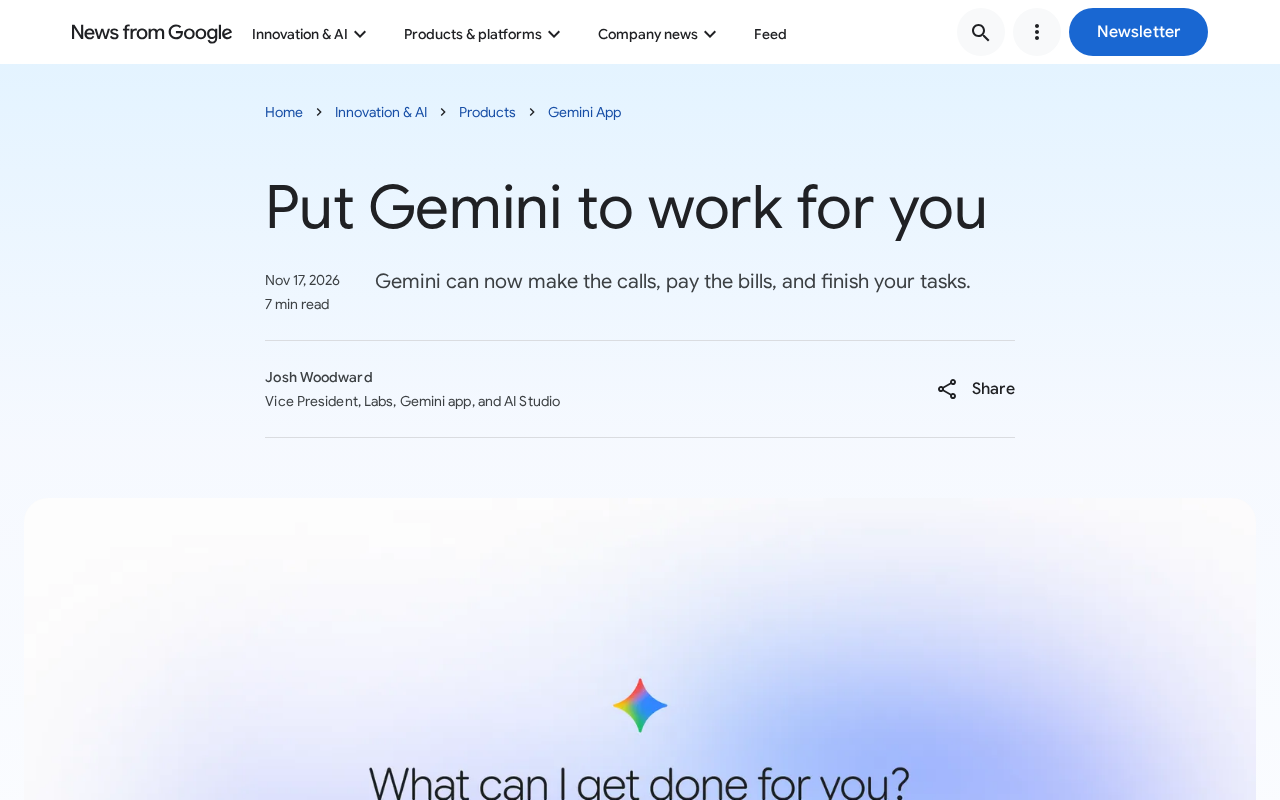
Google is turning Gemini from a "chatbot" into a "task executor." According to Google's official blog, the Tasks feature in Gemini is now available for free in six countries, while U.S. users will get new features and deeper integration with Google Workspace, letting AI actually get work done for users.
Tasks Goes Free: Lowering the Barrier to Entry
The core of Tasks is to let Gemini not only answer questions but also help users manage to-dos, set reminders, and track task progress. Previously, the feature may have been available only to some paid users; now that it's free in six countries, more ordinary users can directly experience the AI assistant's "execution power."
Behind this move is Google's rethinking of what an AI assistant should be: pure knowledge Q&A can no longer create differentiation, and only an AI that can actually "do things" for users has long-term value. Opening six markets for free is a way to scout the path for broader rollout later.
U.S. Market First: New Features and Deep Workspace Integration
According to official information, the new features will launch first in the U.S., and Gemini's integration with Google Workspace will deepen further. This means Gemini is expected to more smoothly access data from tools like Gmail, Calendar, and Docs, and, within the scope of user authorization, directly create tasks, schedule appointments, or organize information.
For teams that rely heavily on Workspace, this deeper integration is more meaningful than simply adding another chat entry point—AI is no longer a standalone app but an "invisible assistant" embedded in existing workflows.
Google Workspace is Google's cloud office suite for enterprise users, including core apps such as Gmail, Google Calendar, Google Docs, Drive, and Meet. So-called "deep integration with Workspace" usually means Gemini can, through APIs or authorization mechanisms, read contextual data from these apps (such as email content, schedules, and document lists) and, with user permission, perform write operations, such as creating calendar events, generating to-dos, or organizing meeting notes. This integration relies on OAuth authorization and permission isolation, and enterprise administrators can also limit the scope of data access through the admin console. Compared with a standalone chat entry point, deep integration allows AI to perceive the user's real work context and thus offer more scenario-appropriate task suggestions, but it also imposes higher requirements on data privacy and compliance.
From Q&A to Execution: The Competitive Focus of AI Assistants Is Shifting
This update to Gemini Tasks reflects an industry trend: mainstream AI assistants are shifting from competing on "conversation quality" to competing on "task completion capability." Users are no longer satisfied with getting an explanation; they want AI to directly deliver executable results.
By choosing Tasks as the entry point and pairing it with the Workspace ecosystem, Google is taking a "scenario-binding" route. Compared with standalone to-do apps, task management embedded in email and calendars is more likely to build usage habits, and this is also Google's unique advantage over other AI vendors.
"Task completion capability" in the AI field is often measured by Agent capabilities—that is, the model can not only generate text but also plan multi-step operations, call external tools, and adjust strategies based on execution results. Compared with single-turn Q&A, an Agent needs mechanisms such as function calling, state tracking, and error recovery. Gemini Tasks is essentially an Agent in a constrained scenario: it converts natural language instructions into structured to-dos and reminders and syncs them to a calendar or task list. Directions such as OpenAI's Operator and Anthropic's Computer Use point to the same trend—the value of AI assistants is shifting from "answering well" to "getting things done," and scenario binding and the richness of the tool ecosystem have become key factors determining success.
Considerations Behind the Free Strategy
The strategy of making it free in six countries deserves attention. Features like Tasks are used frequently and create strong stickiness; making them free can quickly accumulate user behavior data to feed back into model optimization. At the same time, once users are accustomed to managing tasks with Gemini, the path to converting to a paid version becomes more natural.
At present, the official details of the specific country list, the specifics of the new features, and the full capability boundaries of the Workspace integration have not all been disclosed. But in terms of direction, Google is pushing Gemini toward a "work assistant" positioning rather than a simple chat tool.
For ordinary users, it is worth checking whether the feature is already available in their region; for enterprise users, the deepening of Workspace integration may be more worth evaluating than Tasks itself.
Here, "behavior data" mainly refers to interaction records such as users creating tasks, setting reminders, and completing tasks. Such data can reflect how users describe to-dos, what reminder times they prefer, and in which scenarios they invoke AI, and can be used to improve intent recognition and task decomposition models. However, under its privacy policy framework, Google usually de-identifies or aggregates data, and data from enterprise Workspace users is generally not used to train general models. Another layer of logic behind the free strategy is network effects: the value of task management tools increases with frequency of use and cross-device synchronization, and early free access helps cultivate habits, creating switching costs before guiding users toward paid subscriptions such as Google One AI.
One-line Summary
Google's Gemini Tasks opens free in six countries and deepens integration with Workspace, pushing AI from chat toward task execution.
Paragraph Summary
Google announced that the Tasks feature in Gemini is free in six countries, with U.S. users getting new features first and Gemini's integration with Google Workspace deepening further. Tasks lets Gemini manage to-dos, set reminders, and track progress, shifting from passive Q&A to active execution. The article argues that this reflects the competitive focus of AI assistants shifting from conversation quality to task completion capability. Google is taking a "scenario-binding" route with Tasks plus the Workspace ecosystem, using high-frequency scenarios such as email and calendars to build usage habits—a unique advantage over other vendors. The free strategy helps quickly accumulate user behavior data, feed back into model optimization, and pave the way for later paid conversion. The specific country list and integration capability boundaries have not yet been fully disclosed, but the direction is clear: Gemini is being positioned as a "work assistant."
Related articles
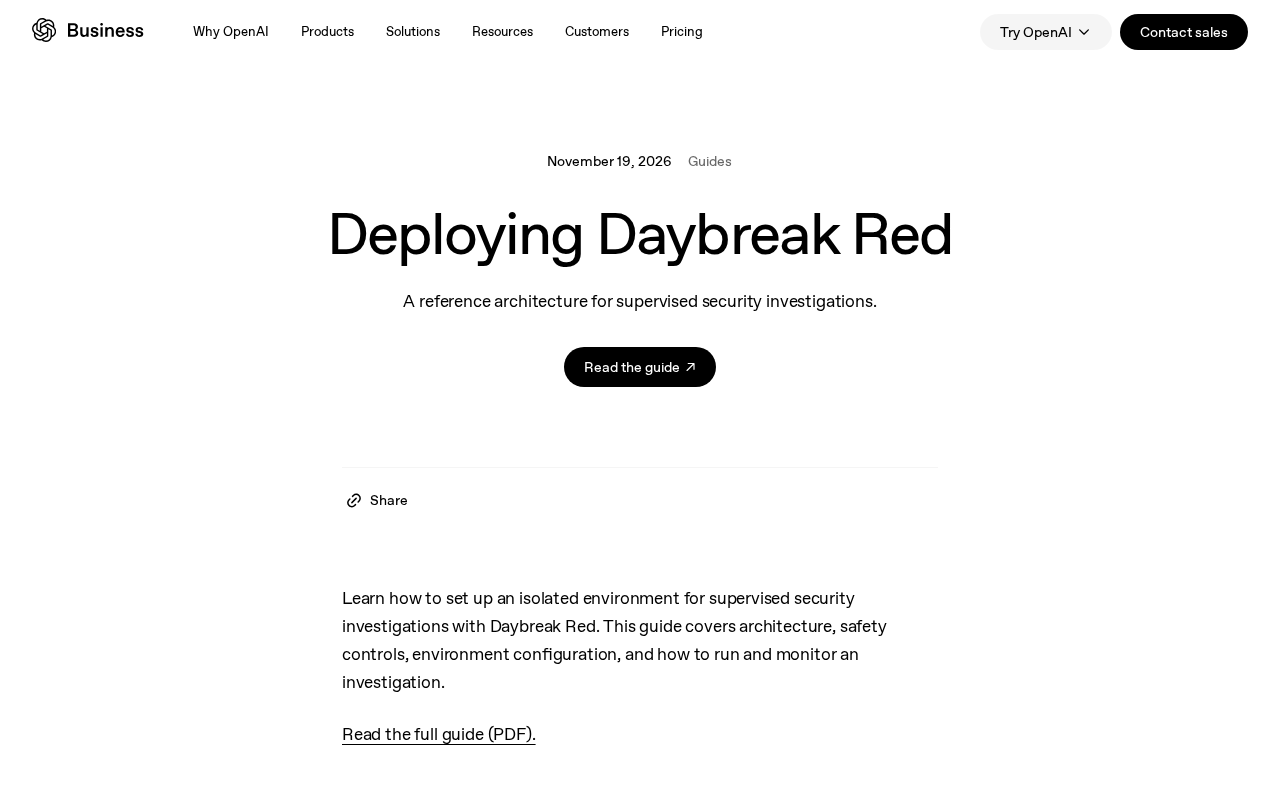
Daybreak Red Deployment Guide: A Reference Architecture for Supervised Security Investigation
A breakdown of the Daybreak Red reference architecture: security control design, deployment configuration process, and runtime monitoring for supervised security investigation.
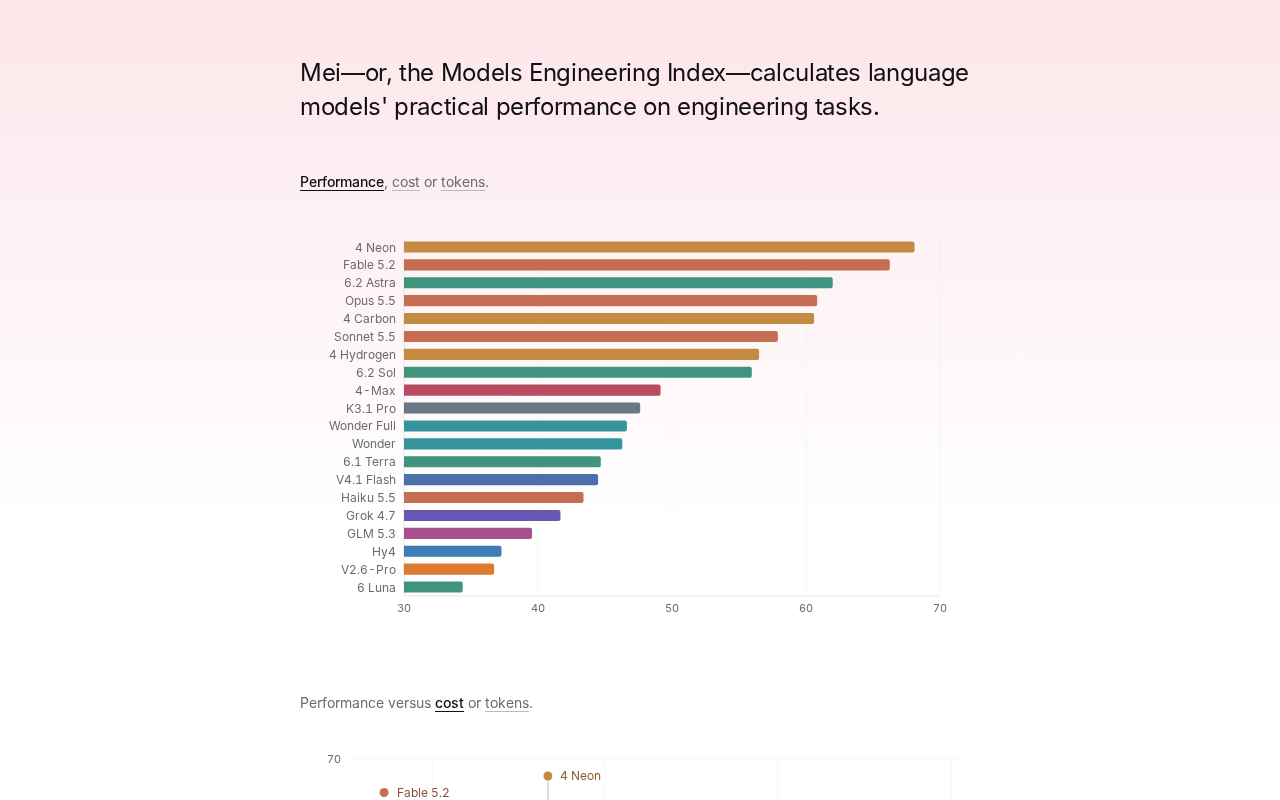
Gemini 4 Neon Tops the Models Engineering Index
Gemini 4 Neon tops the Models Engineering Index, sparking Hacker News debate over ranking credibility and evaluation methods. Here's what it means for developers.

Apple's Self-Developed AI Agent: An Agent That Can Operate Your Mac Is Coming
Apple is reportedly developing an AI agent that can operate a Mac, targeting Meta Muse, Claude, OpenAI Dots, and others. This article analyzes Apple's system-level advantages, the competitive landscape, and likely rollout paths in the agent race.