GitHub Daily · Sep 3: AI Text De-flavoring Goes Viral, Time Series Foundation Models Rise
AI de-flavoring tool humanizer goes viral while Google's TimesFM and local inference server magnitude rise.
humanizer surged 370+ stars in a single day, specializing in removing AI traces from text and reflecting the emerging demand for AI de-flavoring. Google open-sourced TimesFM, a time series foundation model extending the pre-training paradigm to time series forecasting. Local inference server magnitude rose rapidly, offering seamless integration with mainstream Agent tools like Claude Code and Codex.
GitHub Daily · Sep 3: AI Text De-flavoring Goes Viral, Time Series Foundation Models Rise
Today's Trending list has a fascinating mix. On one hand, the veteran C++ library fmt holds the top spot, proving that infrastructure projects have enduring staying power. On the other, a project called humanizer surges to a high position — its purpose is delightfully ironic: it specifically helps rewrite AI-generated text so it doesn't sound like AI. Add in Google's time series foundation model TimesFM and an emerging local inference server called magnitude, and the theme of the day is crystal clear: AI has infiltrated every layer of the toolchain, and even hiding AI's fingerprints has become a genuine need. Let's break them down one by one.
fmtlib/fmt: The C++ Programmer's Old Friend
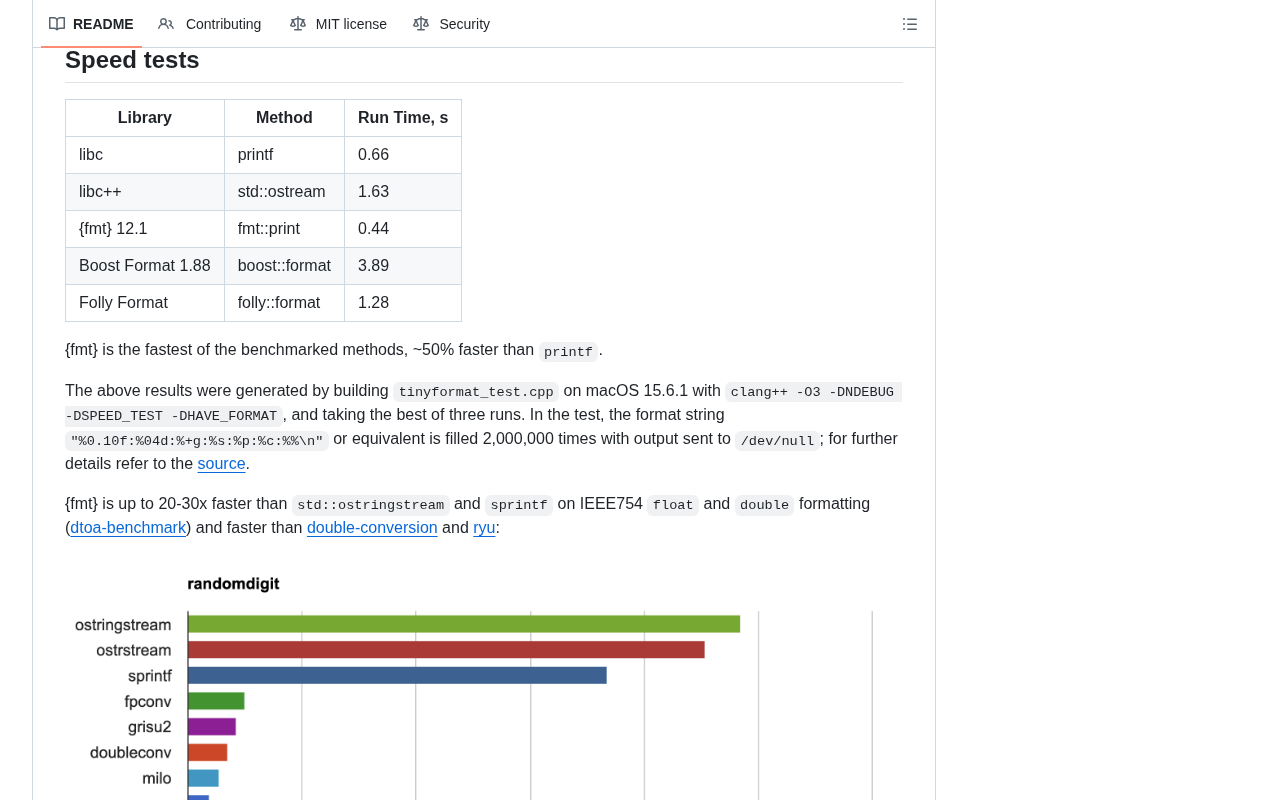
This modern C++ formatting library sits at number one today. If you've ever written C++, you've probably suffered through old-school printf and iostream. printf is unsafe — mismatched types and it crashes; iostream is painfully verbose. fmt was built to solve exactly this pain point.
It provides a clean, type-safe, and blazingly fast string formatting solution. Most notably, fmt's design was later adopted directly into the C++20 standard as std::format. In other words, the formatting functionality you use in the standard library today traces its origins back to this very project.
Who uses it? C++ developers building high-performance services, game engines, or embedded systems — scenarios where you need both speed and safety, and fmt is nearly the default choice. It has over 24,000 stars and gained 14 today — a steady pace. For a project mature enough to be incorporated into the standard, this kind of sustained attention speaks for itself.
blader/humanizer: The Quirky Trick for De-flavoring AI Text
This project gained over 370 stars today, making it one of the fastest-growing projects of the day, with a total exceeding 40,000 stars. Its positioning is particularly interesting: an Agent skill specifically designed to remove traces of AI generation from text.
Why does this need exist? Think about it — AI-written content is everywhere now. That instantly recognizable AI tone: the formulaic sentence structures, the piled-up fancy vocabulary, the perfectly balanced parallelisms. More and more people want their text to read like a human wrote it. And so tools like this were born.
Written in Python, the core approach is to identify and rewrite typical AI writing patterns. The use cases are very real: content creators, marketers, and students who want their AI-assisted output to feel more natural.
But let me add a thought here. The explosive popularity of this project actually reflects a contradiction. We're desperately using AI to boost efficiency on one hand, while spending effort erasing AI's fingerprints on the other. It's an arms race — AI detectors and AI de-flavoring tools chasing each other in circles. The ethical questions behind this are worth pondering, but from a tech trend perspective, it has undeniably tapped into a real pain point of the moment.
google-research/timesfm: Time Series Gets Its Own Foundation Model
TimesFM from Google Research gained over 340 stars today, bringing its total to 30,000. This is a pre-trained time series foundation model purpose-built for time series forecasting.
What is time series forecasting? It's predicting future trends based on historical data points — things like forecasting sales, power grid loads, or stock price movements. Traditionally, you had to train a separate model for each scenario, which was time-consuming and labor-intensive.
TimesFM borrows the approach from large language models. It pre-trains on massive amounts of time series data, and then you can use it directly or fine-tune it slightly for your specific task. This is the so-called foundation model paradigm: pre-train once, deploy everywhere.
This project is especially appealing to data scientists and quantitative analysts. It means you no longer need to train from scratch — you can invoke forecasting capabilities the same way you'd call a large language model. From a broader perspective, this signals that the foundation model approach is expanding beyond text and images into structured data like time series. This is a direction well worth watching.
bannedbook/fanqiang: An Evergreen Utility Project
I won't go into too much detail on this one — it has long had stable demand within the Chinese developer community. It gained over 530 stars today, pushing its total past 50,000. Written in Kotlin, it focuses on mobile platforms. The sustained popularity of projects like this reflects genuine user needs more than any technical novelty.
ByteByteGoHq/system-design-101: A Lifeline for Interview Prep
This repository has accumulated over 88,000 stars, making it one of the highest-starred projects on today's list. Its mission is clear: explain complex system design concepts using diagrams and plain language to help you prepare for system design interviews.
The pain point it addresses is very real. System design interviews are a major focus at big tech companies, but the knowledge is scattered and the concepts abstract. Load balancing, message queues, caching strategies — these are hard to grasp from text alone. This project uses extensive visual diagrams to make everything crystal clear.
Who uses it? Engineers preparing for job interviews, and developers looking to systematically fill gaps in their architecture knowledge. It gained over 150 stars today at a steady pace. High-quality learning resources like this, as long as the content is solid, will always be in demand.
magnitudedev/magnitude: A New Option for Running Models Locally
This is today's most noteworthy rising star. It currently has only about 1,700 stars, which isn't a lot, but it gained 130 today — a remarkable growth rate for a small project.
It's an open-source inference server whose core selling point is automatically running the most suitable local model based on your hardware, then integrating with the Agent tools you're already using. Its compatibility list is impressive, including Codex, Claude Code, Cline, and other mainstream coding assistants.
What problem does it solve? Many developers use AI coding assistants today but rely on cloud APIs, which are both expensive and raise privacy concerns. magnitude aims to let you run models locally while seamlessly connecting to your familiar tools. Written in TypeScript, the barrier to entry isn't too high either.
For developers who care about data privacy or want to save on API costs, this project has enormous potential. It represents a trend: local inference is becoming increasingly practical and closer to everyday workflows.
f/prompts.chat: The Community Treasury of Prompts
This project was formerly known as Awesome ChatGPT Prompts and has since been renamed prompts.chat. With over 160,000 stars, it's a bona fide superstar project. It's positioned as a prompt-sharing community where you can share, discover, and collect all kinds of prompts — completely free, open-source, and self-hostable.
It taps into the essential need for prompt engineering. How do you talk to a large model to get great results? That's a skill in itself. This project aggregates the community's best prompts so you can use them directly. It gained over 190 stars today, maintaining strong momentum.
Trend Observations of the Day
Looking at these projects together, one thread stands out clearly: AI is everywhere, and the tooling ecosystem around AI is maturing rapidly.
humanizer helps you hide AI's traces, prompts.chat helps you use AI more effectively, magnitude helps you run AI locally, and TimesFM extends AI's approach to time series. From content to tools to infrastructure, AI's tentacles reach into every layer.
At the same time, the steady presence of fmt and system-design-101 on the charts reminds us that no matter how hot AI gets, solid engineering fundamentals and system knowledge will always hold value.
Today's Must-Watch TOP 3
First, magnitude. Local inference plugging into mainstream Agents — this direction has enormous potential and is worth paying attention to early.
Second, TimesFM. The foundation model paradigm expanding to time series, made by Google — a major win for data science practitioners.
Third, humanizer. Whether or not you agree with its philosophy, its viral popularity alone demonstrates a real market demand worth reflecting on.
That's it for today's GitHub Daily. See you tomorrow.
Related articles
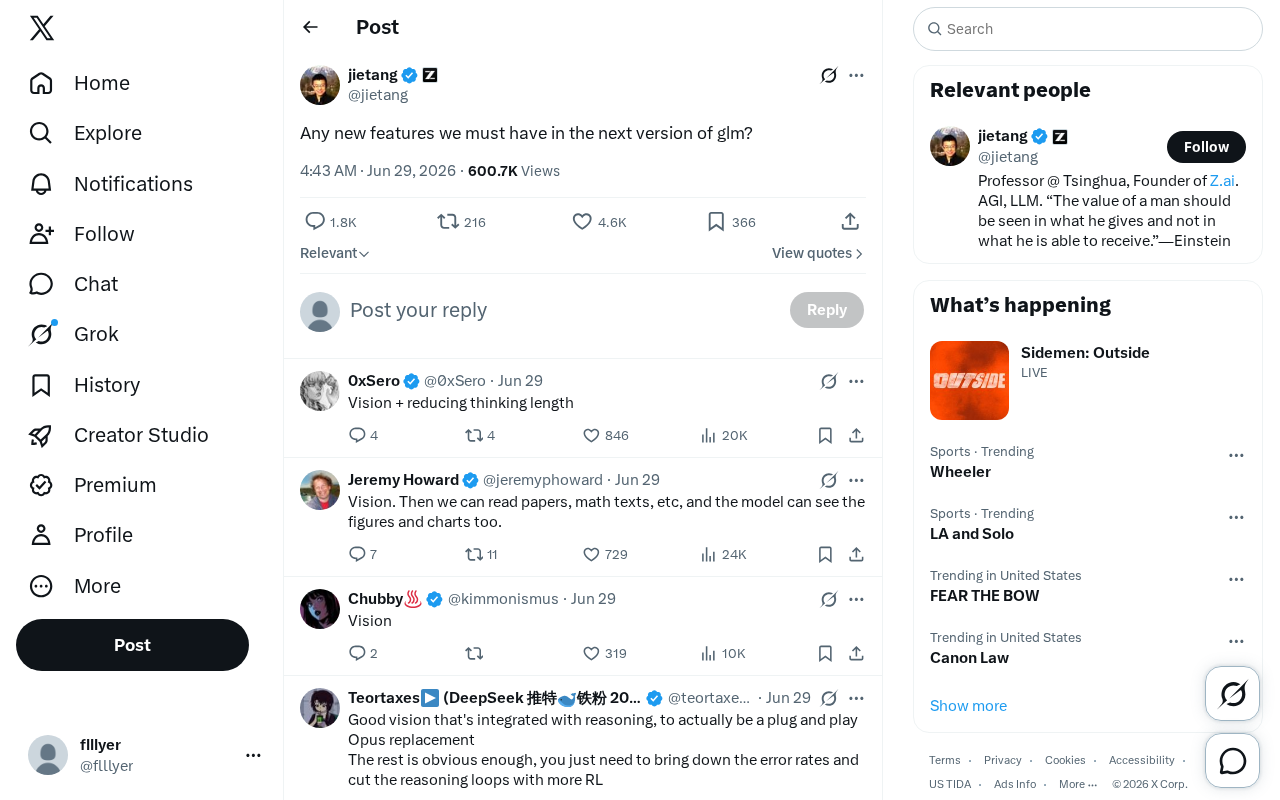
What Key Capabilities Should GLM's Next Version Address? Analyzing Community Demands and Iteration Direction
Zhipu's GLM team publicly solicited feature requests for their next version, sparking community discussion. This article analyzes GLM's iteration trends across long-context memory, Agent tool calling, and multimodal fusion.
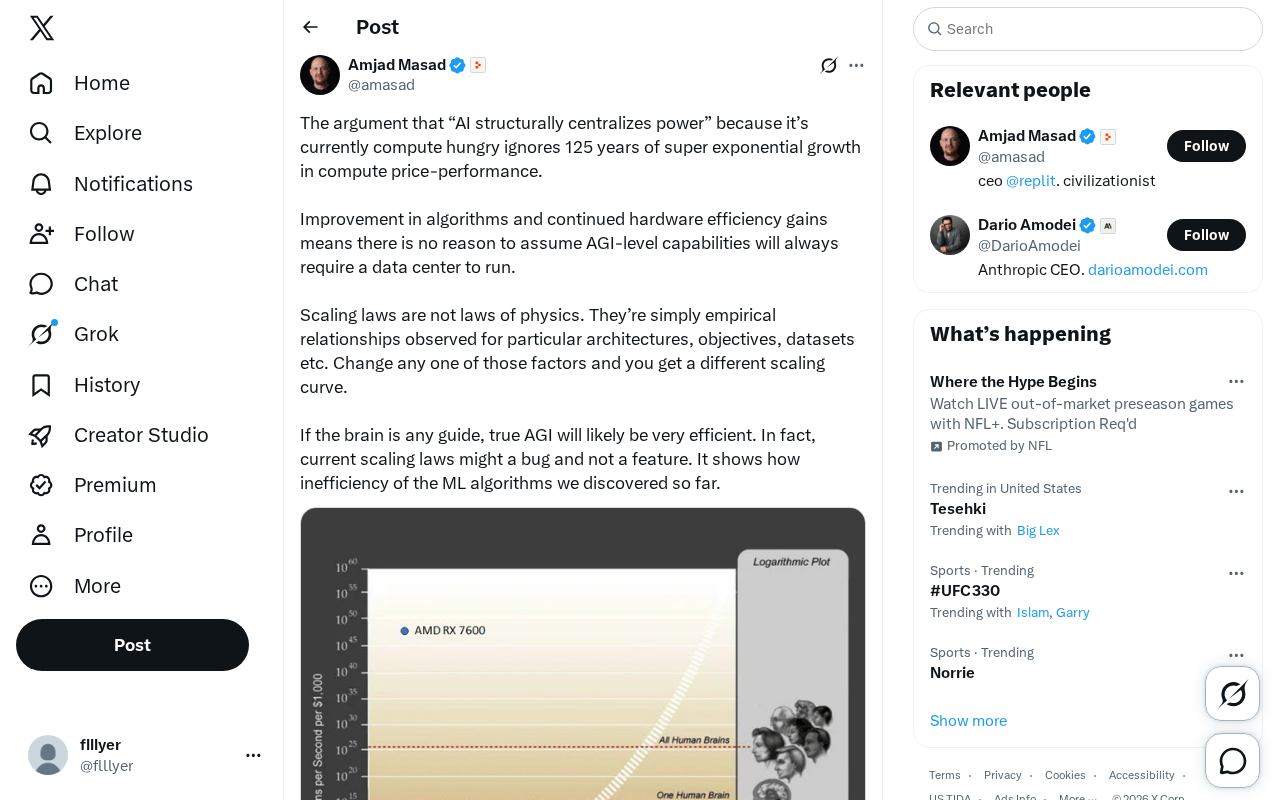
Does AI Inevitably Lead to Power Concentration? 125 Years of Computing Efficiency History Offers a Powerful Counterargument
Does AI's massive compute demand inevitably centralize power? Drawing on 125 years of computing efficiency, Scaling Law limitations, and the brain's 20-watt intelligence, this article reveals why AI centralization arguments rest on flawed assumptions.

A Guide to the Best AI/ML Engineering Communities and How to Choose One
Top AI/ML communities on Discord, Reddit, and Slack—including Hugging Face, EleutherAI, r/MachineLearning—plus practical tips for evaluating community quality.