Google AI Search Summaries Deal a Blow: Search Traffic Plummets 40%
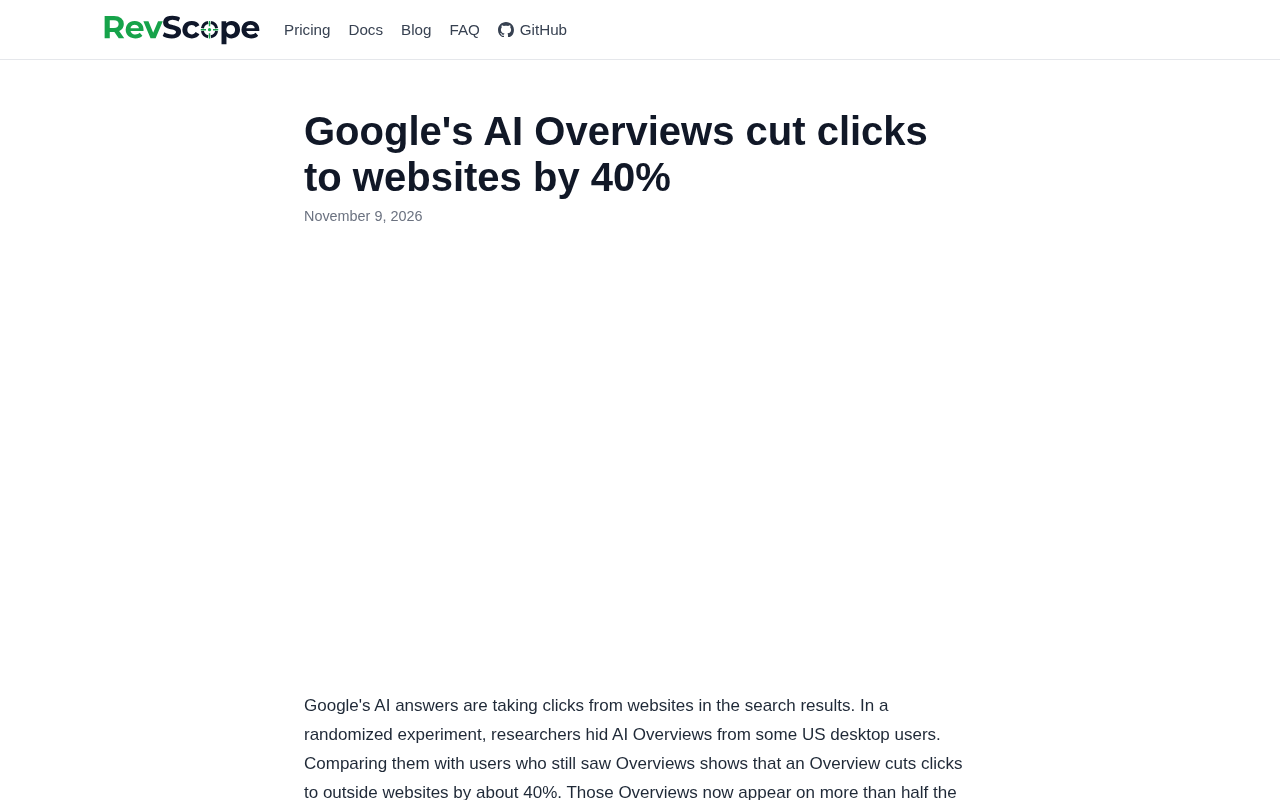
Google AI summaries cut search traffic by 40%, intensifying conflicts over benefit distribution in the content ecosystem
The article centers on a Hacker News discussion, noting that Google's AI Overviews are causing search traffic to drop by as much as 40%. AI summaries generate consolidated answers directly at the top of results pages, enabling a "zero-click" experience that improves user efficiency but cuts off content websites' traffic sources. A sharp traffic decline will directly hit advertising revenue and subscription conversions and may create a negative cycle of "less content—less AI training material—lower answer quality." The article further analyzes the asymmetric cost and benefit distribution between search engines and content producers, pointing out that platforms shift costs onto content websites, making the conflict increasingly prominent. For practitioners, this means re-examining traffic structures, advancing channel diversification, and exploring a new value measurement system from "being clicked" to "being cited by AI."
Event Overview
A discussion on Hacker News has drawn widespread attention: Google's AI search summaries are causing search traffic to drop by as much as 40%. The post received 17 points and 7 comments. Although the discussion wasn't particularly heated, it touched on the most sensitive nerve in the current AI and search ecosystem—when AI gives answers directly, will users still click on links?
How AI Summaries Are Changing Search Behavior
The traditional search model is "query—list of links—click through," requiring users to filter and read web content themselves. Google's AI Overviews, by contrast, generate consolidated answers directly at the top of search results, letting users get information without navigating away. While this "zero-click" experience improves efficiency, it fundamentally cuts off the traffic source for content websites.
According to data cited in the Hacker News community discussion, the drop in search traffic reached 40%. If this figure is accurate, it means websites that rely on search engine referrals will face severe pressure to survive.
The Chain Reaction of Traffic Decline
A 40% drop in traffic is more than just a change in numbers. For content creators and media sites, search traffic is often a core revenue source. A sharp decline in traffic directly leads to lower advertising revenue and reduced subscription conversions, which in turn affects the sustainability of content production. In the long run, this could create a negative cycle: "less content—less AI training material—lower AI answer quality."
You may not have noticed, but although the discussion in the Hacker News comment section was brief, participants focused on the distribution of benefits between platforms and content producers.
AI Overviews is a generative summary feature that Google has rolled out at the top of search results pages since 2024. It uses large models such as Gemini to synthesize answers based on content from multiple web pages and presents them in a collapsible panel. Unlike the traditional "Featured Snippet," AI Overviews does not excerpt the original text of a single web page but instead reorganizes information across sources, so users often can satisfy their query intent without clicking any links. This model is known in the industry as "zero-click search," and its impact is not new—earlier knowledge graph cards and direct answer boxes had already gradually raised the zero-click rate, but generative summaries have pushed this trend to the extreme because they cover a broader range of query types and provide more complete answers, thereby significantly squeezing the space for outbound clicks.
The negative cycle of "less content—less training material—lower answer quality" can be understood as a "data flywheel reversal." The training of large models and retrieval-augmented generation (RAG) depend on high-quality, diverse public web corpora; when content producers cut investment or even shut down sites due to declining traffic and revenue, the new content available for models to crawl and cite decreases accordingly. The timeliness and coverage of model answers then decline, and once user experience suffers, the platform's attractiveness is further weakened. This mechanism is often referred to in academic and regulatory discussions as a "tragedy of the commons"-style information ecosystem risk, and it is also one of the core issues addressed by the EU Digital Markets Act and news media bargaining legislation in many countries.
The Battle Over the Content Ecosystem
Google is not the only search platform to launch AI summaries. This trend reflects a common direction across the search engine industry: using generative AI to improve user experience while keeping users on their own platforms. However, this strategy is in tension with the original spirit of the open web.
Who Bears the Cost
The cost of AI summaries is shifted onto content websites. Search engines gain longer user dwell time and more advertising exposure opportunities, while content websites lose clicks and revenue. This asymmetric distribution mechanism is sparking increasing controversy.
The essence of the asymmetric distribution mechanism is that platforms internalize the benefits of content production while externalizing the costs onto websites. Search engines use AI summaries to lengthen session duration and increase ad slot exposure, while content websites bear the costs of original collection, verification, and writing but lose referral returns. Around this contradiction, the industry has seen various compensation or bargaining approaches: first, content licensing payment agreements between news media and platforms (such as news bargaining laws in some countries); second, websites restricting AI crawlers through robots.txt or technical means; third, content providers shifting to direct subscriptions, email lists, and community operations to reduce reliance on search referrals. The effectiveness and legality of these approaches remain under ongoing debate.
Implications for Practitioners
For practitioners who rely on search traffic, this trend means they need to re-examine their traffic structure. Over-reliance on a single search engine for referrals carries risks, and building diversified channels has become more urgent. At the same time, the standard for evaluating content value may shift from "being clicked" to "being cited by AI," which requires an entirely new measurement system.
Although the information in this Hacker News discussion is limited, the questions it raises deserve sustained attention from the entire content ecosystem: improving the efficiency of AI search should not come at the expense of the vitality of the open web.
Conclusion
A 40% drop in traffic is a warning signal. The triangular relationship among search engines, content producers, and users is being reshaped by AI technology, and finding a balance between efficiency and fairness will be a core topic of industry discussion for some time to come.
Related articles
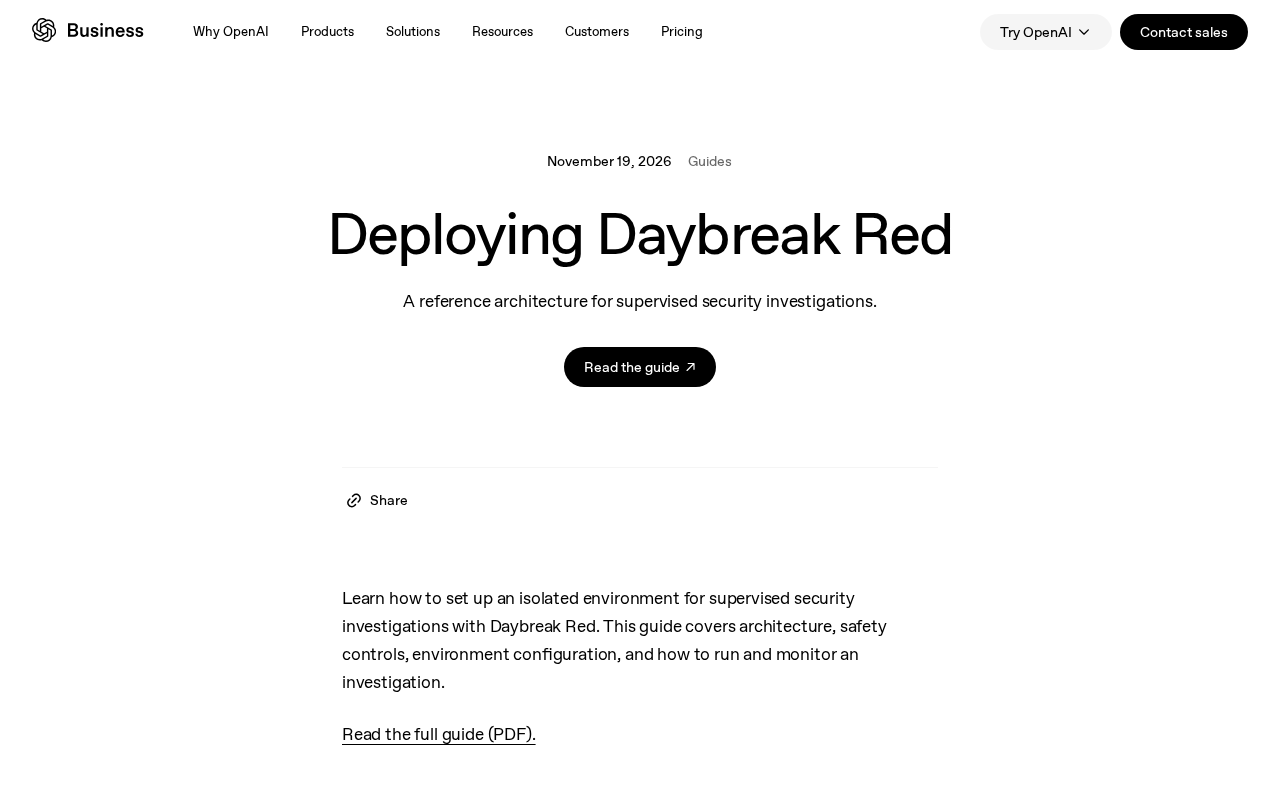
Daybreak Red Deployment Guide: A Reference Architecture for Supervised Security Investigation
A breakdown of the Daybreak Red reference architecture: security control design, deployment configuration process, and runtime monitoring for supervised security investigation.
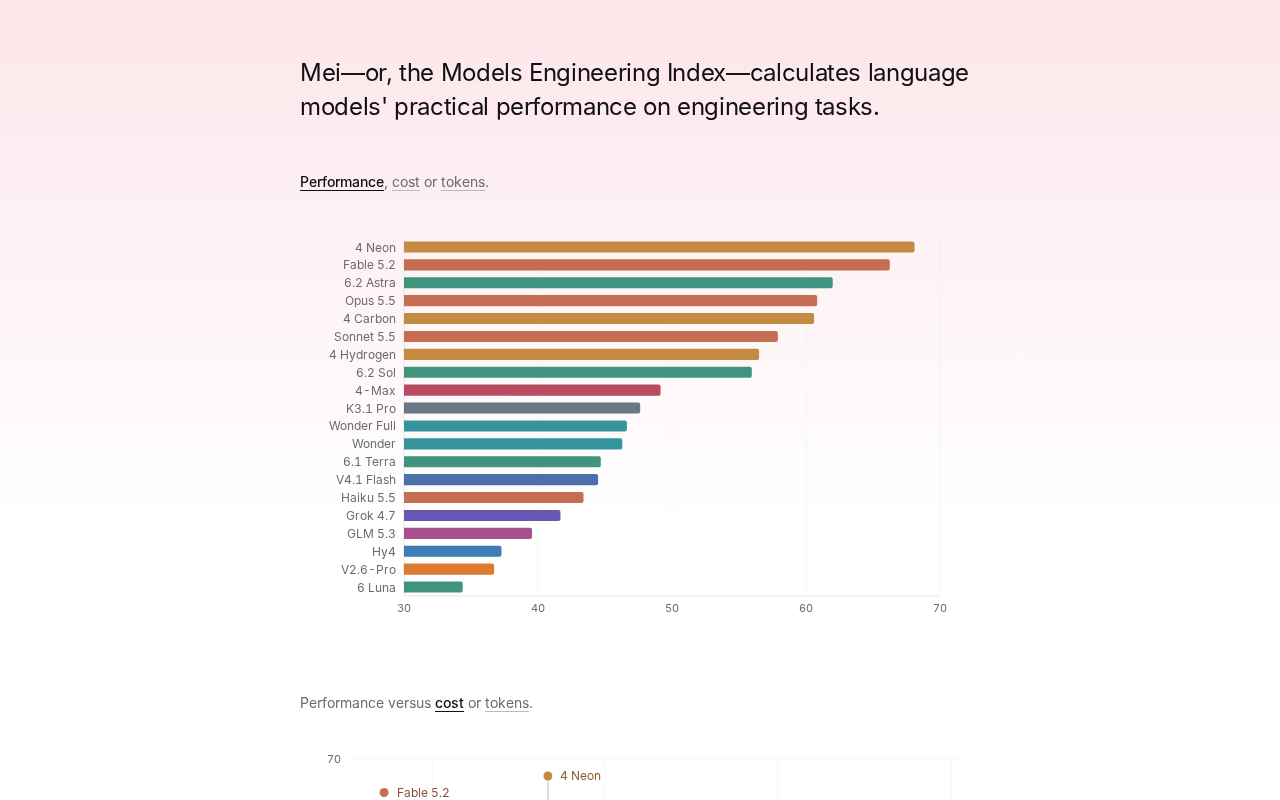
Gemini 4 Neon Tops the Models Engineering Index
Gemini 4 Neon tops the Models Engineering Index, sparking Hacker News debate over ranking credibility and evaluation methods. Here's what it means for developers.

Apple's Self-Developed AI Agent: An Agent That Can Operate Your Mac Is Coming
Apple is reportedly developing an AI agent that can operate a Mac, targeting Meta Muse, Claude, OpenAI Dots, and others. This article analyzes Apple's system-level advantages, the competitive landscape, and likely rollout paths in the agent race.