Google Confirms Some Pixel Phones Targeted in Zero-Day Attacks — Baseband Vulnerability Is the Entry Point
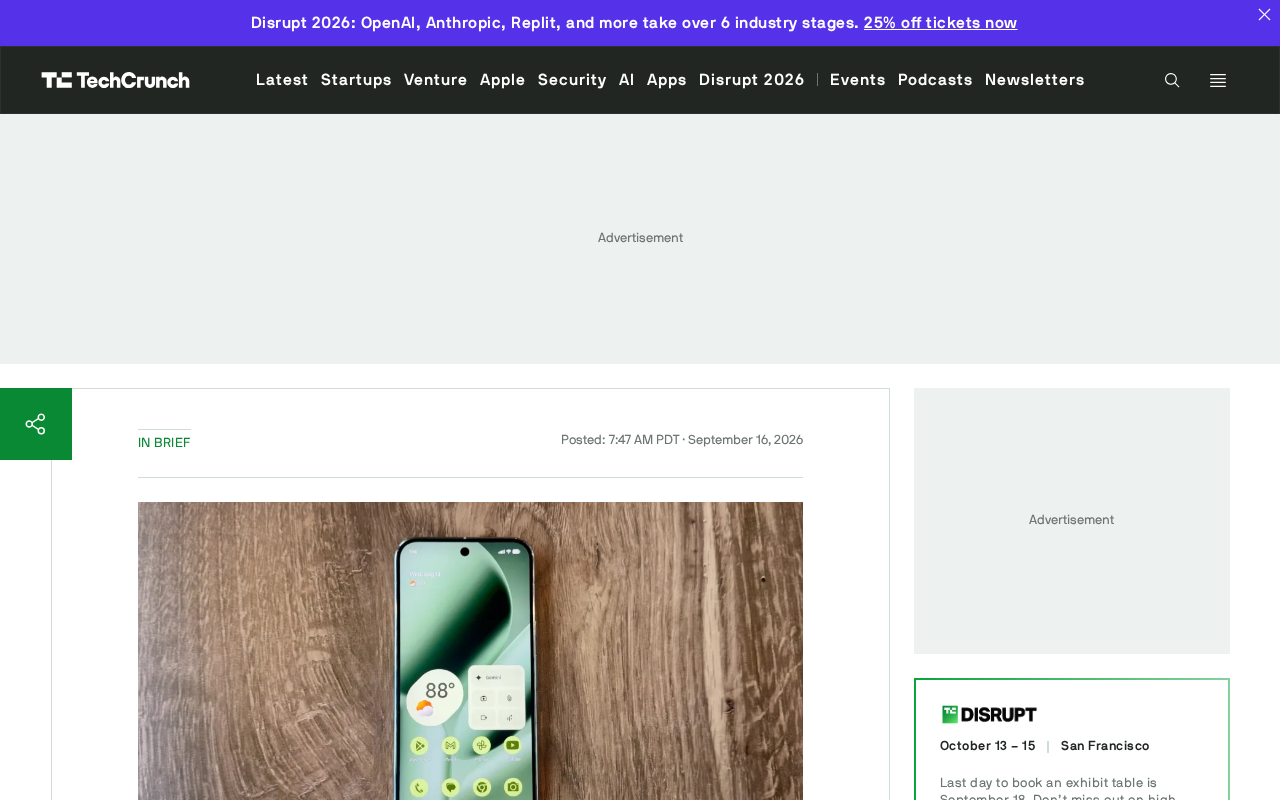
Google confirms a Pixel baseband zero-day is under limited targeted exploitation — update your device now.
Google has warned that some Pixel users have been compromised in zero-day attacks through a vulnerability in the baseband chip firmware, currently under "limited, targeted" exploitation. Baseband flaws are especially dangerous as they operate independently of the main OS, enabling potential zero-click remote attacks — a method favored by commercial spyware vendors targeting journalists and activists. While targeted attacks mean lower risk for average users, exposure grows once vulnerability details become public. The most effective defense is installing Google's security patches immediately; high-risk users should also consider enabling Android's Lockdown Mode.
Pixel Phones Hit by Zero-Day Vulnerability in Targeted Attacks
Google has issued a security warning acknowledging that some Pixel phone users have been compromised in zero-day attacks. The Pixel manufacturer stated there are signs that a vulnerability in the phone's baseband (modem) "may be under limited, targeted exploitation."
A zero-day vulnerability refers to a security flaw that attackers discover and exploit before the vendor has released a patch. Because defenders have no time to prepare, these vulnerabilities are extremely dangerous and are among the most favored weapons of advanced threat actors — such as nation-state hacker groups and commercial spyware vendors.
Why Baseband Vulnerabilities Are Especially Dangerous
The fact that this issue lies in the phone's baseband chip is particularly alarming. The baseband is the core component responsible for the phone's communication with mobile networks, running firmware that operates independently from the main operating system. Compared to application-layer vulnerabilities, baseband-level flaws can often bypass multiple layers of OS-level protections. In theory, attackers could even achieve zero-click remote compromise — no user interaction required.
In recent years, attacks targeting mobile device basebands have been on the rise. Commercial spyware vendors are especially keen on exploiting such vulnerabilities to conduct targeted surveillance of journalists, activists, and political figures. Google's specific use of the phrase "limited, targeted" typically suggests the attacks are not broad, indiscriminate campaigns, but rather precision strikes against specific high-value targets — a pattern closely matching the modus operandi of commercial spyware.
Baseband chips are typically supplied by third-party vendors such as Qualcomm, MediaTek, or Samsung. Their firmware is massive in scope and carries deep historical baggage, making security auditing far more difficult than auditing a mainstream OS. Baseband firmware runs on a dedicated real-time operating system (RTOS) with direct, privileged access to radio frequency hardware, and some implementations can even access device memory. Critically, the baseband processor inherently needs to receive wireless signals from external base stations — meaning its attack surface is always exposed to the outside world. In theory, an attacker only needs to be within signal range of the target device to attempt sending crafted protocol packets that trigger the vulnerability, with no physical contact and no need to trick the user into clicking anything.
What This Means for Everyday Users
For the vast majority of Pixel users, "targeted attacks" means the probability of being caught in the crossfire during normal use is relatively low — attackers typically have specific individuals in mind. But that doesn't mean complacency is warranted. Once the details of a baseband vulnerability become public, the bar for copycat attacks drops significantly.
In the face of this type of risk, the first priority for users is to install Google's security updates promptly. One of the key advantages of the Pixel lineup is receiving official security patches first. Once a fix is released, upgrading your system as quickly as possible is the most effective defense. Additionally, users who belong to higher-risk groups — such as journalists or human rights activists — should consider enabling advanced security features like Android's Lockdown Mode to reduce their attack surface.
Google's Response and Broader Industry Implications
Google's public acknowledgment that the vulnerability "may be under exploitation" is, in itself, a relatively transparent approach. When vendors proactively disclose upon confirming or strongly suspecting in-the-wild exploitation, it helps users take precautions earlier and aligns with the responsible disclosure principles currently championed by the security industry.
This incident once again highlights the complexity of modern smartphone security. Phones are no longer a single operating system — they are complex systems composed of a main processor, baseband, and various co-processors, where a firmware flaw in any single component can become the entry point for compromising the entire device. For the broader mobile ecosystem, strengthening security audits of low-level components like the baseband and shrinking the window between vulnerability discovery and patching will be critical to defending against advanced threats.
For users, the most practical advice remains simple and timeless: keep your system updated to the latest version, follow official security advisories, and never ignore a security patch notification.
"In-the-wild exploitation" refers to a vulnerability being actively used in real-world attacks, as opposed to one merely discovered in a security research environment. Confirming this status typically comes from security vendors reverse-engineering malicious samples, threat intelligence sharing, or forensic investigations of victim devices. Google's use of the phrasing "may be under exploitation" in this announcement leaves some room for uncertainty, but the industry generally treats such language as a substantive warning backed by credible evidence. The CVE vulnerability database and Google's monthly security bulletins are public channels for tracking this kind of information — users can check them regularly to stay informed about the risk status of their devices.
Related articles

AI Agent Developer Job Hunt Guide: Four Hard Standards to Clear Before You Apply
A practical guide for landing AI Agent developer roles: four measurable standards — project runs, problems debuggable, solution explainable, interviews survivable.
Multi-Agent Development Guide: From Monolithic AI to Team Collaboration in Practice
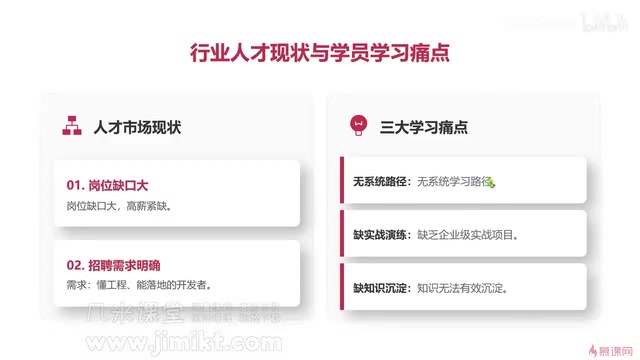
A beginner's guide to multi-agent development covering core advantages, common learning pain points, enterprise tech stacks, and engineering methodology for AI developers.
Agent Skill Routing: Retrieval vs. LLM vs. Two-Stage Architecture Compared
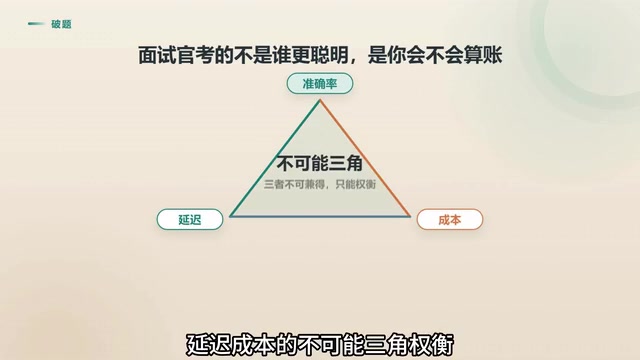
Retrieval or LLM for Agent skill routing? Compare coarse-filter vs. fine-select architectures on latency, accuracy, and cost — with 4 key production considerations.