GPT-5.6 Sol Price Drop: Stack Devin's 70% Discount on Top of New Lower Rates
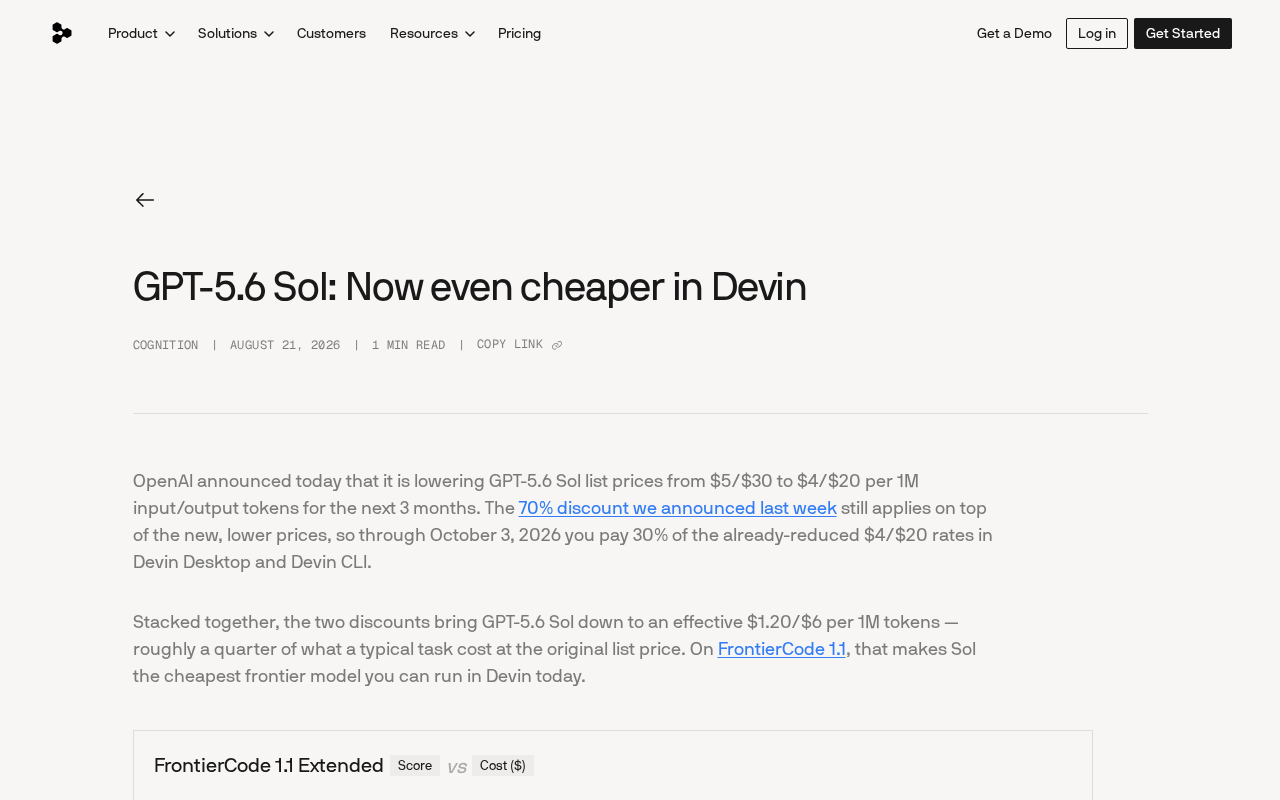
GPT-5.6 Sol drops to $4/$20 per 1M tokens, with Devin's 70% discount stackable through October 2026.
OpenAI has reduced GPT-5.6 Sol pricing to $4/$20 per million tokens, and AI coding platform Devin has confirmed its existing 70% discount can be stacked on the new list price through October 3, 2026. Since autonomous coding agents like Devin require multiple rounds of reasoning and code iteration per task — consuming far more tokens than typical chat — the per-token price cut has an outsized impact on overall costs. The article highlights how this "vendor price cut + platform subsidy" combination is becoming a key driver of AI coding agent adoption at scale, and recommends that teams planning long-term use fully evaluate the model within their workflows before the discount window closes.
GPT-5.6 Sol Gets a Price Cut
OpenAI has officially lowered the list price for its GPT-5.6 Sol model to $4 per million input tokens and $20 per million output tokens ($4/$20 per 1M tokens). For developers who rely on large language models for intensive coding and automation tasks, this adjustment directly reduces the marginal cost of sustained usage.
For users of Devin, the AI coding tool, the practical benefit is even more tangible. Devin's previously announced 70% discount remains in effect and can be stacked on top of the new lower list price — a promotion running through October 3, 2026. That means the effective cost during the discount window drops to roughly 30% of the already-reduced list price.
What This Price Drop Means for Developers
Model API pricing has long been one of the key factors determining whether AI coding tools can scale in practice. Autonomous coding agents like Devin typically require multiple rounds of reasoning, code generation, and self-verification within a single task — consuming far more tokens than a typical chat interaction. As a result, reductions in per-token input and output costs translate almost linearly into lower overall operational expenses.
With the adjusted $4/$20 pricing as the baseline, stacking Devin's 70% discount brings the effective rate down to a highly competitive level. For teams running long-duration agentic tasks or frequent iterative workflows, this kind of cost structure improvement can meaningfully improve the economics of individual tasks — and make high-frequency, large-scale automated coding scenarios far more viable.
An autonomous coding agent refers to an AI system capable of receiving high-level task descriptions, independently planning execution steps, invoking tools, and iterating continuously until the goal is achieved. This is fundamentally different from traditional code completion tools like GitHub Copilot, which only provide one-off suggestions when explicitly triggered by the developer. An autonomous agent automatically cycles through "analyze requirements → generate code → run tests → fix errors → re-verify" within a single task. Each cycle consumes large amounts of input (context, error logs) and output (code, explanations) tokens. A moderately complex real-world coding task can easily consume hundreds of thousands to millions of tokens — which is precisely why per-token pricing has such a significant impact on the economics of these tools.
A Time-Limited Window to Stack the Discount
It's worth noting that the 70% additional discount has a clear expiration date: October 3, 2026. This type of time-limited stacking promotion is typically designed by platforms to drive usage, encourage developer migration, or deepen model adoption. For teams planning long-term reliance on this model, using the discount window to thoroughly evaluate the model's performance in their own workflows is a sensible approach.
From a broader industry perspective, leading model providers continue to compete for developer ecosystems through price cuts, while AI coding tools leverage API price reductions and platform subsidies to further lower the barrier to adoption. This upstream-downstream pricing linkage is becoming a key driver of AI coding agent adoption at scale.
Summary
The GPT-5.6 Sol list price reduction, combined with Devin's stackable 70% discount, opens up a lower-cost window for developers to leverage the model. The key details: new list price of $4/$20 per million tokens, with the stacked discount valid through October 3, 2026. For teams currently evaluating or already using Devin, this is a meaningful cost optimization moment worth paying attention to.
Related articles
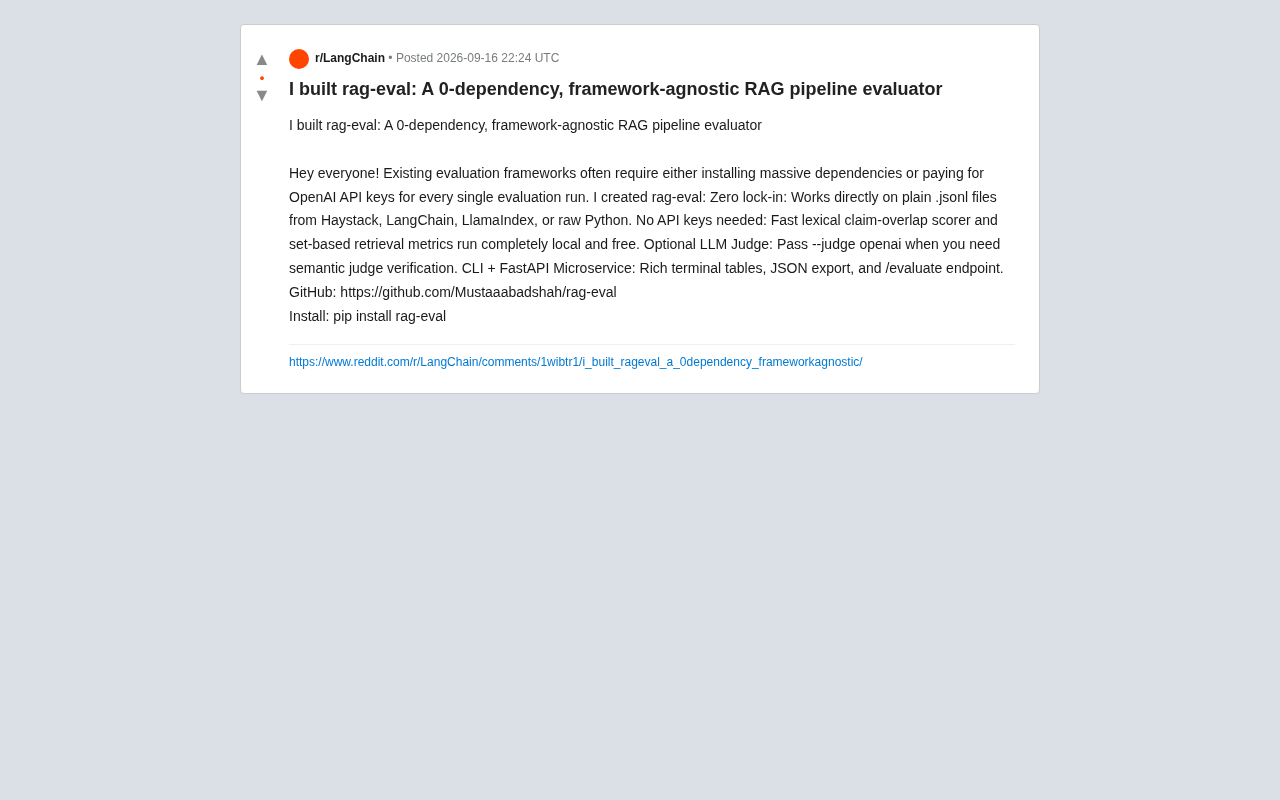
rag-eval: A Zero-Dependency, No-API-Key RAG Evaluation Tool
rag-eval is a zero-dependency, framework-agnostic open-source RAG pipeline evaluation tool. It supports free local lexical and retrieval metrics with no API keys required, and offers optional LLM Judge for semantic validation. Compatible with Haystack, LangChain, and LlamaIndex.
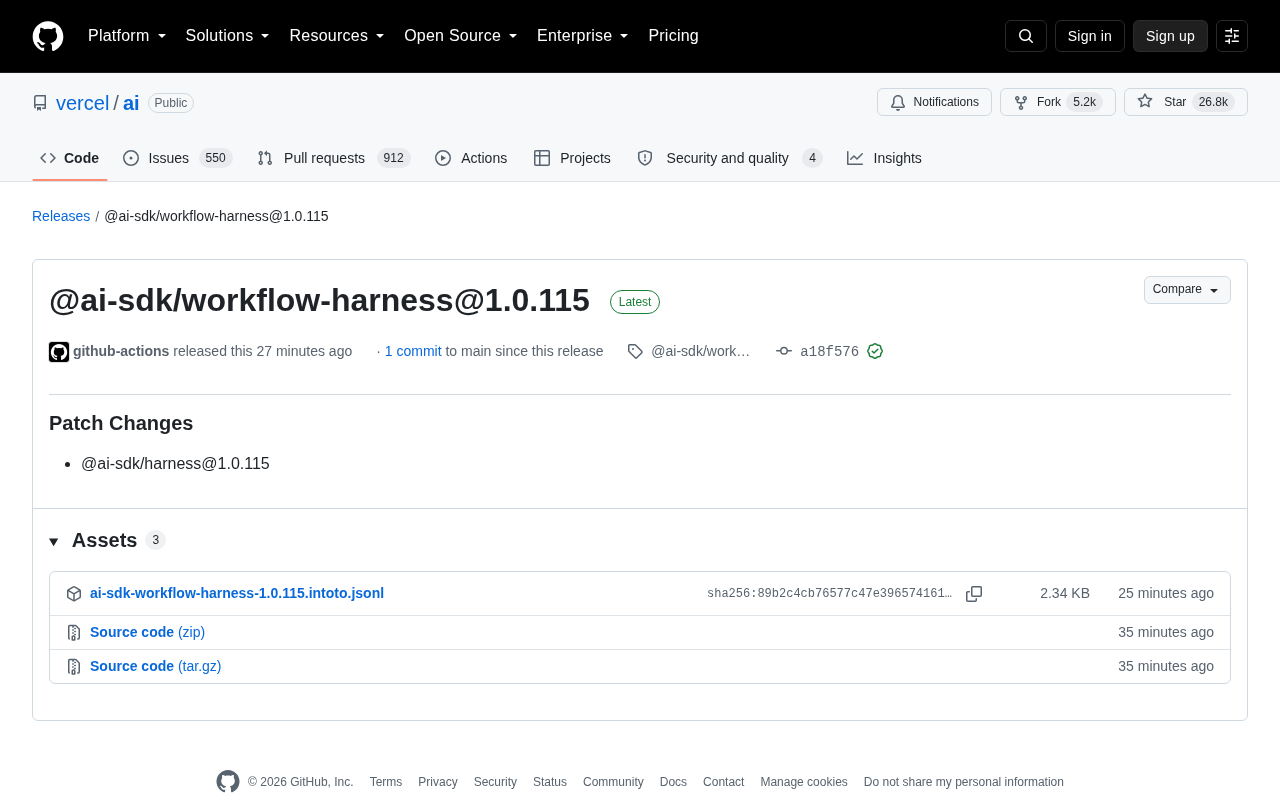
Vercel AI SDK Releases workflow-harness 1.0.115 Patch Update
Vercel AI SDK releases @ai-sdk/workflow-harness 1.0.115 patch update, syncing the @ai-sdk/harness dependency. Learn about the update, release mechanism, and what it means for developers.
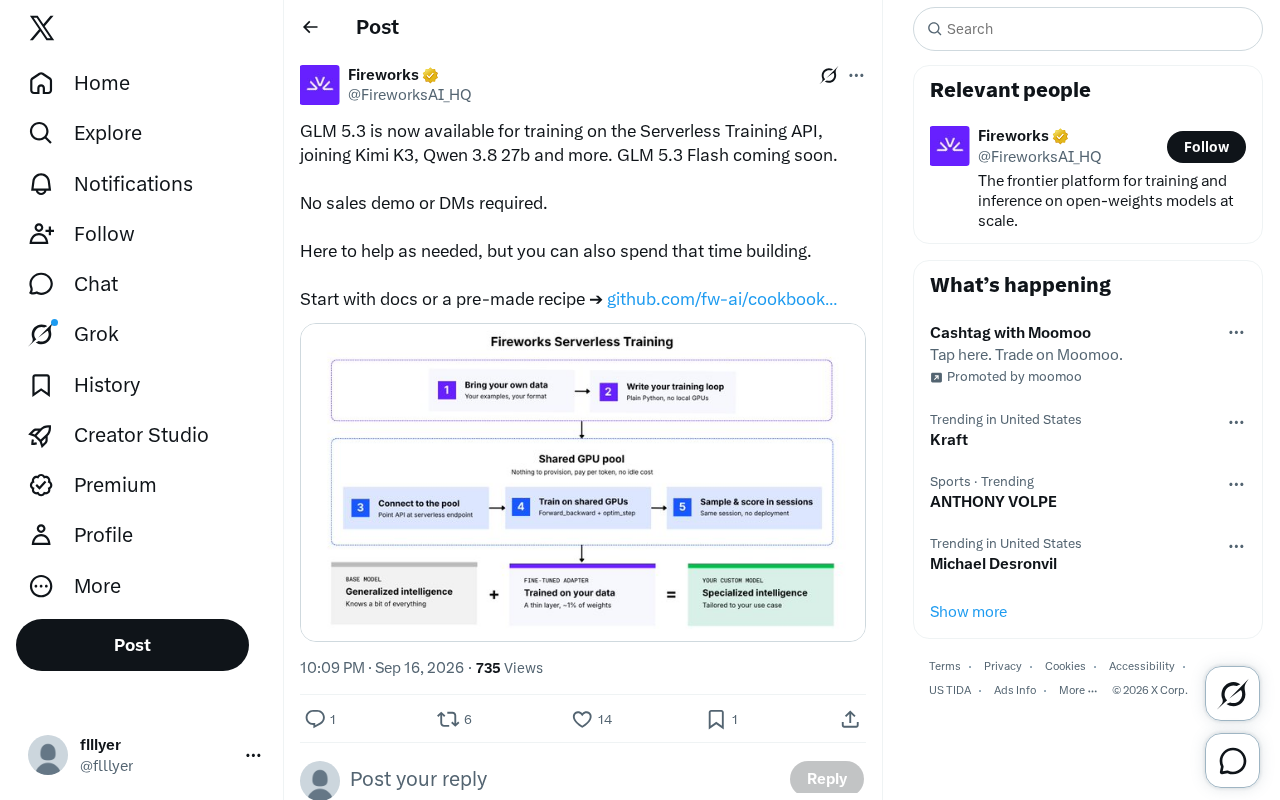
GLM 5.3 Now Available on Serverless Training API — No Sales Process Required
GLM 5.3 is now available on Serverless Training API alongside Kimi K3 and Qwen 3.8 27b. No sales process needed — start fine-tuning directly via docs or pre-made recipes.