GPT-6 Astra Early Test: One Prompt Turns Historical London into a Playable 3D Game

GPT-6 Astra turns a text prompt into a playable cross-era 3D voxel London, proactively adding a mini map unprompted.
An early tester shared his GPT-6 Astra experience: using only a handful of prompts, he had Astra generate a voxel-style 3D London spanning medieval, Tudor, and modern eras, with a single controllable character moving seamlessly between time periods. Even more notably, when he asked for a top-down view, Astra not only switched the camera but proactively generated a mini map he had never requested. This "proactive intent completion" ability — what the tester called "creative delight" — signals a shift from AI as a passive instruction-follower to an active creative collaborator. The author notes the content comes from a single early demo, and real-world generalization still needs broader validation.
Astra in Action: From Historical London to a Playable Game
One tester shared his early experience with GPT-6 Astra, and the results were striking. He built a voxel-style 3D historical London spanning multiple eras — medieval London, Tudor-era London — all within a single map, with smooth transitions from one period to the next.
More importantly, the result wasn't just a static visualization. It was something you could actually play. The tester could control a single character and travel continuously from historical eras all the way into the modern city, with the entire experience feeling seamless and coherent.
From Visualization to Playable Game
The tester mentioned he only provided "a few extra prompts" — for instance, asking to switch to a top-down perspective to make it feel more like the classic game GTA 2. Astra not only executed the camera switch, but also proactively generated a mini map — a feature he had never explicitly requested.

This ability to "proactively fill in sensible features without being explicitly told to" was what struck the tester most. He described the experience as shifting from "having to put in enormous effort just to get anything" to "already having a genuinely functional simulation/game."
GTA 2 (Grand Theft Auto 2) is an open-world game released by Rockstar Games in 1999, known for its iconic 90-degree overhead camera angle and grid-based city map. When the tester referenced it, he was essentially asking Astra to switch from a perspective 3D view to an isometric or orthographic projection — which involves not just adjusting camera parameters, but also modifying map rendering logic, character movement controls, and other system components. Astra's ability to interpret the cultural reference of "like GTA 2" and translate it into a concrete technical implementation is a prime example of its "intent understanding" capability.
A voxel (short for volumetric pixel) is a fixed-size cubic unit in three-dimensional space — the 3D equivalent of a pixel in a 2D image. Voxel-style 3D worlds are built from densely packed small cubes, with Minecraft being the most widely recognized example. This style has a natural advantage in AI-generated scenes: the regular geometric structure reduces generation complexity while preserving enough visual clarity to maintain stylistic consistency across different historical eras. Building historical London in voxels rather than polygon meshes also means Astra must define the structural differences between period architectures procedurally, rather than relying on pre-made 3D model assets.
Proactive Creativity: Astra's Defining Strength
Throughout his experience, the tester repeatedly emphasized one key phrase: creative delight. He noted that what Astra demonstrated wasn't random output, but something that "genuinely put in the effort to do things I never explicitly asked for — but that made perfect sense once done."

This is worth unpacking. Traditional AI-assisted tools typically require highly detailed instructions to produce results anywhere close to what the user had in mind. What Astra demonstrated here is a form of "intent understanding" — the ability to infer what a user would most likely need in a given context (like a mini map for a game) and proactively supply it.
From "Tool" to "Collaborator"
If this demonstration is representative, it reflects a potential direction for AI products: moving away from tools that passively respond to instructions, toward creative collaborators that can actively understand goals and fill in the details.

The tester's core takeaway — "far less effort required, but far greater completeness in the output" — is the direct value this shift delivers. For creative professionals and non-specialist developers, it means a significantly lower barrier between "having an idea" and "having a working prototype."
How to Interpret This Demo
It's worth keeping a level head: this content comes from a single source sharing an early hands-on experience. It lacks reproducible technical details, and its stability across different tasks cannot be verified. Demo results are often carefully selected best-case examples, and real-world generalization ability still requires far more testing.
That said, even with those caveats, the product vision this experience reveals is worth paying attention to. AI's capabilities in generative content are extending from "producing static assets" to "generating interactive systems." Turning a vague idea like "historical London" into a playable 3D game — with a controllable character, era transitions, and a mini map — represents an end-to-end creative pipeline that, if it matures, could have a meaningful impact on game prototyping, educational visualization, and creative experimentation.
For developers and creators, what's truly worth anticipating isn't any single dazzling demo — it's whether this "proactive intent completion" capability can serve everyday workflows in a stable, reliable way.
Related articles
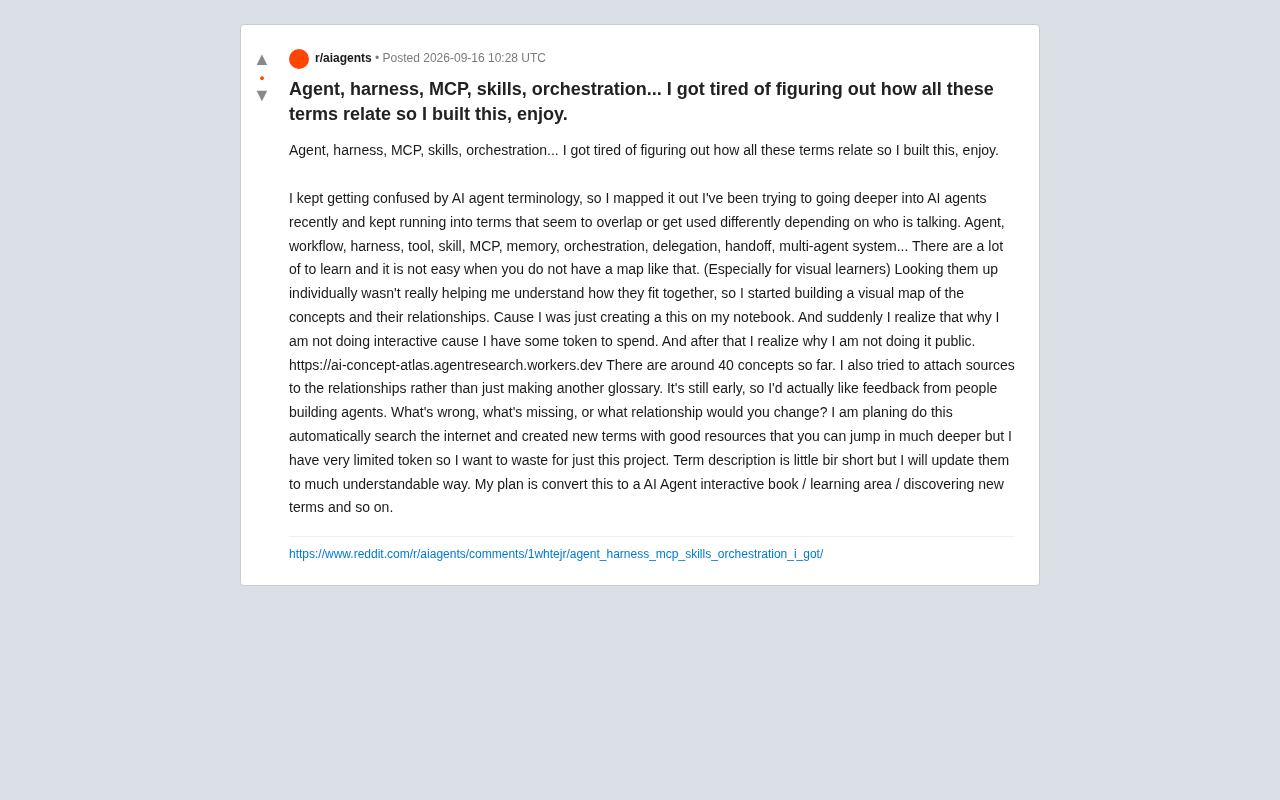
AI Agent Terminology Too Confusing? One Interactive Concept Map to Untangle 40+ Core Terms
Confused by AI Agent terms like MCP, harness, orchestration, and skills? AI Concept Atlas is an interactive map visualizing 40+ concepts and their relationships, with cited sources.
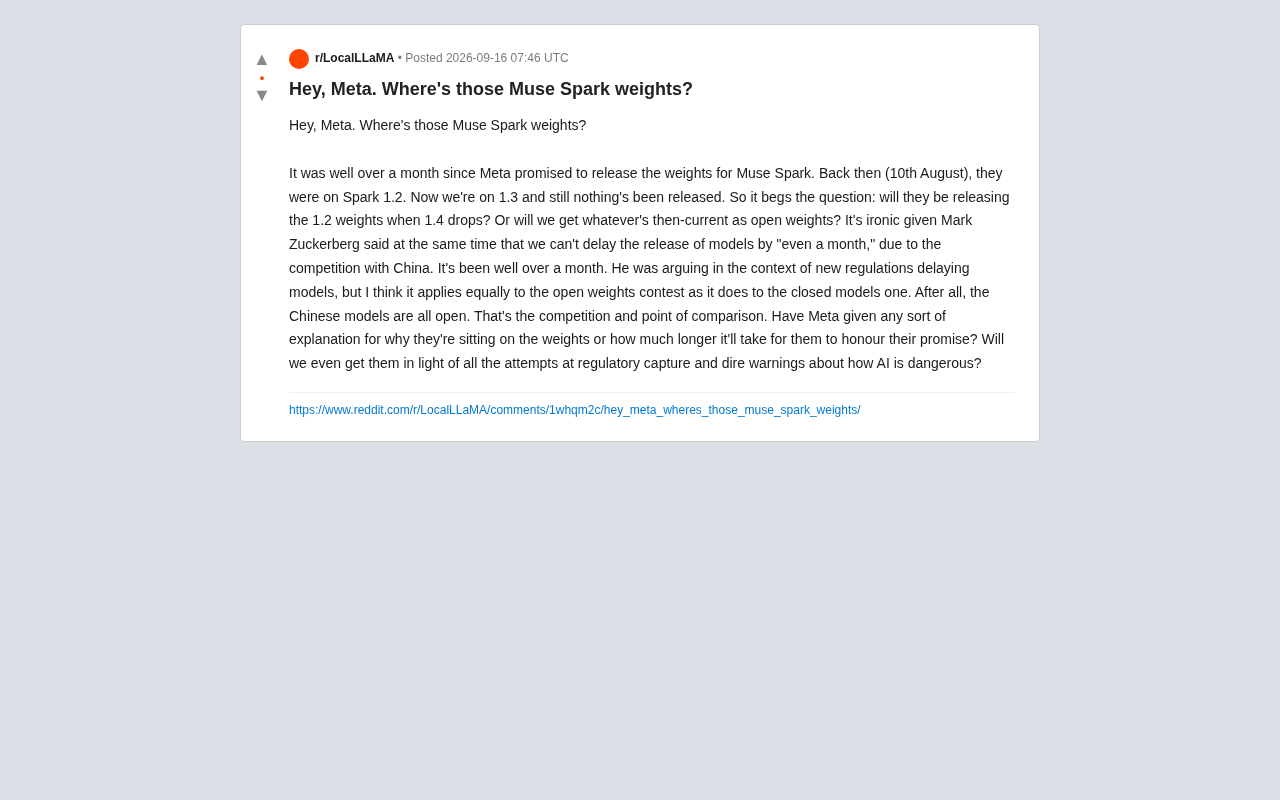
Meta's Broken Promise: Community Demands to Know Where the Muse Spark Weights Are
Meta promised to open-source Muse Spark model weights over a month ago, but still hasn't delivered. The community questions how this squares with Zuckerberg's "can't delay even a month" stance.
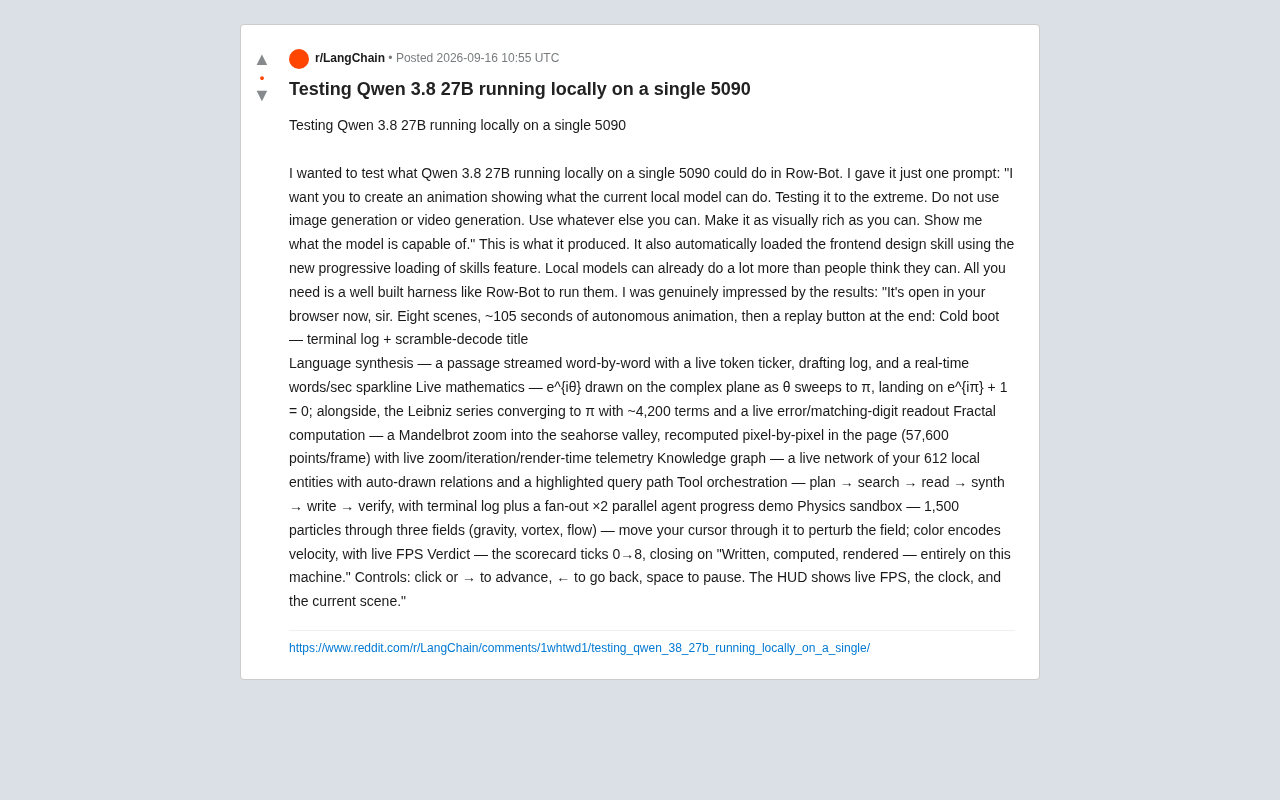
Running Qwen3 27B Locally on a Single RTX 5090: What Can It Actually Do?
A developer runs Qwen3 27B locally on a single RTX 5090 via the Row-Bot Agent framework, generating an 8-scene, 105-second interactive animation from one prompt — including real-time math, fractals, and physics.