Great at the Work, Bad at the Hustle: A Realistic Look at Monthly Income for Independent Professionals
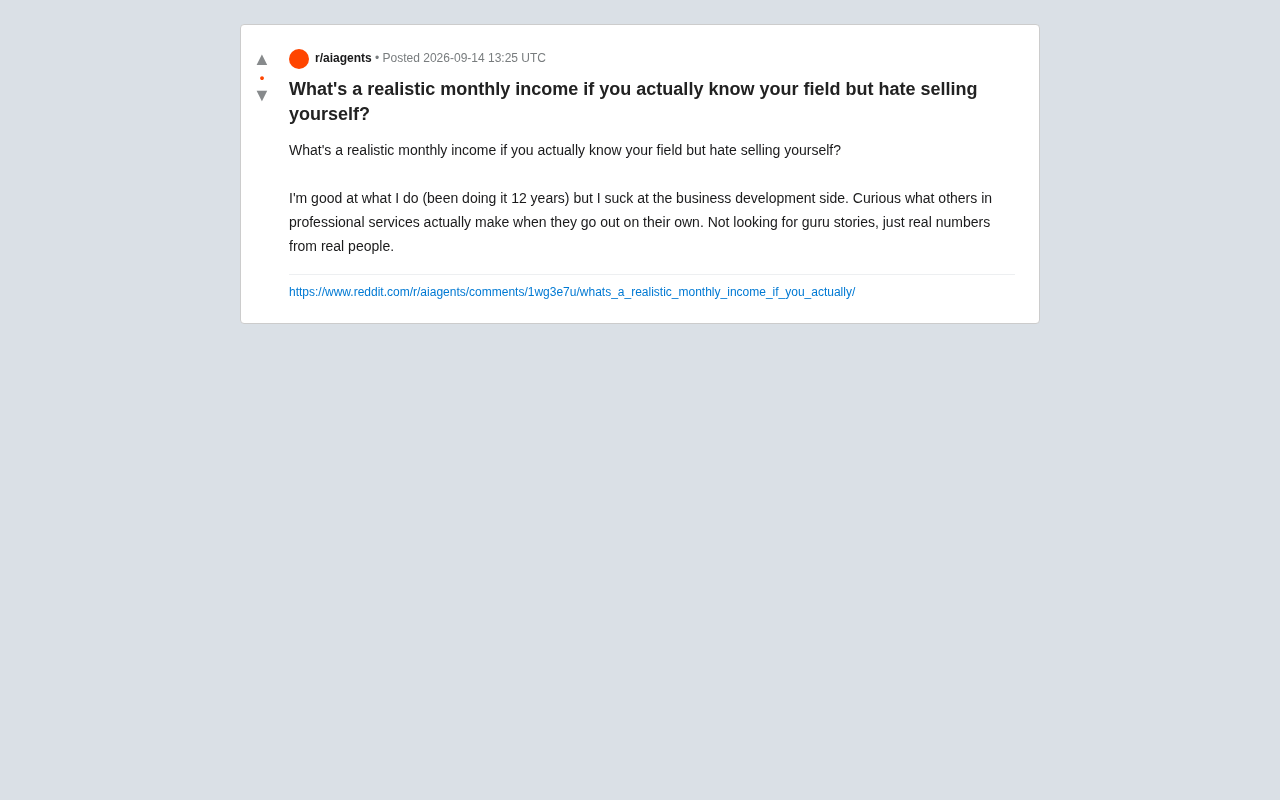
Technical skill alone doesn't determine income — a systematic client acquisition approach does.
Sparked by a viral Reddit thread, this article tackles a question many independent professionals face: if you're highly skilled but hate selling, how much can you realistically earn on your own? It argues that technical ability and commercial monetization are two separate skill sets, and that visibility often outweighs capability in determining income. But disliking sales doesn't doom your earnings — referrals, platform intermediaries, and content-based passive marketing offer viable alternatives. The real income ceiling isn't set by your sales enthusiasm, but by whether you've built a system that acquires clients without relying on personal hustle.
A Dilemma That Keeps Coming Up
In a widely-shared Reddit thread, a professional with 12 years of experience raised a question that resonates with many independent workers: if you're genuinely skilled in your field but absolutely hate "selling yourself," what kind of monthly income can you realistically expect going solo?
The poster was refreshingly blunt — "I'm good at what I do, but terrible at business development." What they wanted wasn't motivational success stories from "gurus," but real numbers from real practitioners.
The reason this struck a chord is that it exposes a tension long overlooked in professional services: technical skill and the ability to monetize that skill are two entirely different competencies.
Technical Ability ≠ Earning Ability
People who've spent a decade or more mastering a craft tend to believe that if they're good enough, clients will simply find them. But in reality, visibility often determines your income ceiling more than capability does.
The poster's 12 years of experience likely means delivery quality isn't the issue. What's actually blocking them is the transition from "employed" to "self-employed" — a shift that requires building an entirely new system for acquiring clients, negotiating rates, and managing relationships. For introverted or purely technical people, that system is almost instinctively uncomfortable.
This is precisely why the post emphasized "no guru stories" — those cases of people pulling in tens of thousands of dollars a month typically hide enormous upfront sales effort, network-building, or plain luck. They offer limited practical guidance for the average technically-oriented professional.
Does Hating Sales Mean Lower Income?
Not necessarily. People who dislike self-promotion generally have several viable alternative paths to building a respectable income:
Rely on Word-of-Mouth and Referrals
For those who deliver excellent work, referrals from existing clients are the lowest-cost, highest-conversion acquisition channel available. It doesn't require you to "sell" — your work and results do the talking. The downside is slow growth and poor predictability, which means significant income volatility early on.
There's a structural reason why referrals are so effective in professional services: when buying intangible services, clients face a high "trust cost" — unlike buying a physical product, they can't verify quality before purchase. A recommendation from a trusted source transfers that verification burden to the referrer, which is why conversion rates from referrals far outpace cold outreach. Research on consulting professionals suggests referred clients close at 3–5x the rate of cold prospects, and at higher price points, because the referral itself has already established a value anchor.
Actively maintaining a referral network doesn't require a sales personality. A brief follow-up after a project wraps, occasionally sharing an insight relevant to a client's business, or simply letting someone know "I have capacity for new projects right now" — these are all low-friction relationship-maintenance actions that anyone can do.
Use Platforms or Agencies as Intermediaries
Outsourcing the client acquisition function to platforms, recruiters, or agencies means trading a portion of your margin for a steady stream of work. You get to focus on what you're good at — delivery — while skipping the part you find most painful. Per-project rates will be lower due to commissions, but you eliminate the hardest piece.
Build Reusable Content Assets
Writing articles, publishing case studies, and maintaining a professional portfolio lets potential clients come to you rather than the other way around. This is "passive marketing" — turning one-time expressions of expertise into long-term acquisition assets. It's especially well-suited to people who struggle with real-time social interaction.
For technically-minded professionals, this approach often takes the form of what's called "expert positioning": consistently publishing content in a specific vertical so that search engines, professional communities, or industry media handle your visibility for you. Unlike social media's demand for constant engagement, articles, case studies, and technical documentation have long-tail effects — a deep-dive analysis you wrote two years ago might still be generating inbound inquiries today.
For those who find face-to-face selling genuinely distressing, this asynchronous, one-directional form of communication involves far less psychological friction. The tradeoff is that content assets typically take 6–18 months to pay off, making them better suited as long-term infrastructure than as a short-term fix for an empty pipeline.
A Realistic Income Expectation Framework
While the original post didn't cite specific numbers, the general patterns in professional services support the following framework:
- Purely passive acquisition, zero marketing effort: Income tends to be unstable — feast-or-famine cycles are common, and the income ceiling stays relatively low.
- Steady referral network + occasional platform work: Capable of sustaining a solid above-average income, potentially matching or exceeding previous employment-level earnings.
- Strong skills + a lightweight client acquisition system: Even if you hate selling, once you systematize and "productize" the acquisition process, income can reach genuinely high territory.
The core conclusion: What determines your income isn't whether you enjoy selling — it's whether you've built an acquisition mechanism that doesn't depend on you feeling motivated to promote yourself.
Advice for Technically-Oriented Independent Professionals
If you're like the person who posted — highly skilled but allergic to self-promotion — the answer isn't to force yourself into the mold of an extroverted salesperson. Instead, direct whatever limited marketing energy you have toward things that scale and compound:
First, turn every satisfied client into a referral node. Second, let your professional work accumulate in forms that are searchable and citable. Third, when necessary, accept a platform's cut or a partner's commission — pay with money to buy back your time and psychological comfort.
There's no universal answer for what monthly income looks like; it depends on your field, location, client tier, and acquisition efficiency. But one thing is clear: hating sales is not a sentence. Lacking a system is.
Related articles
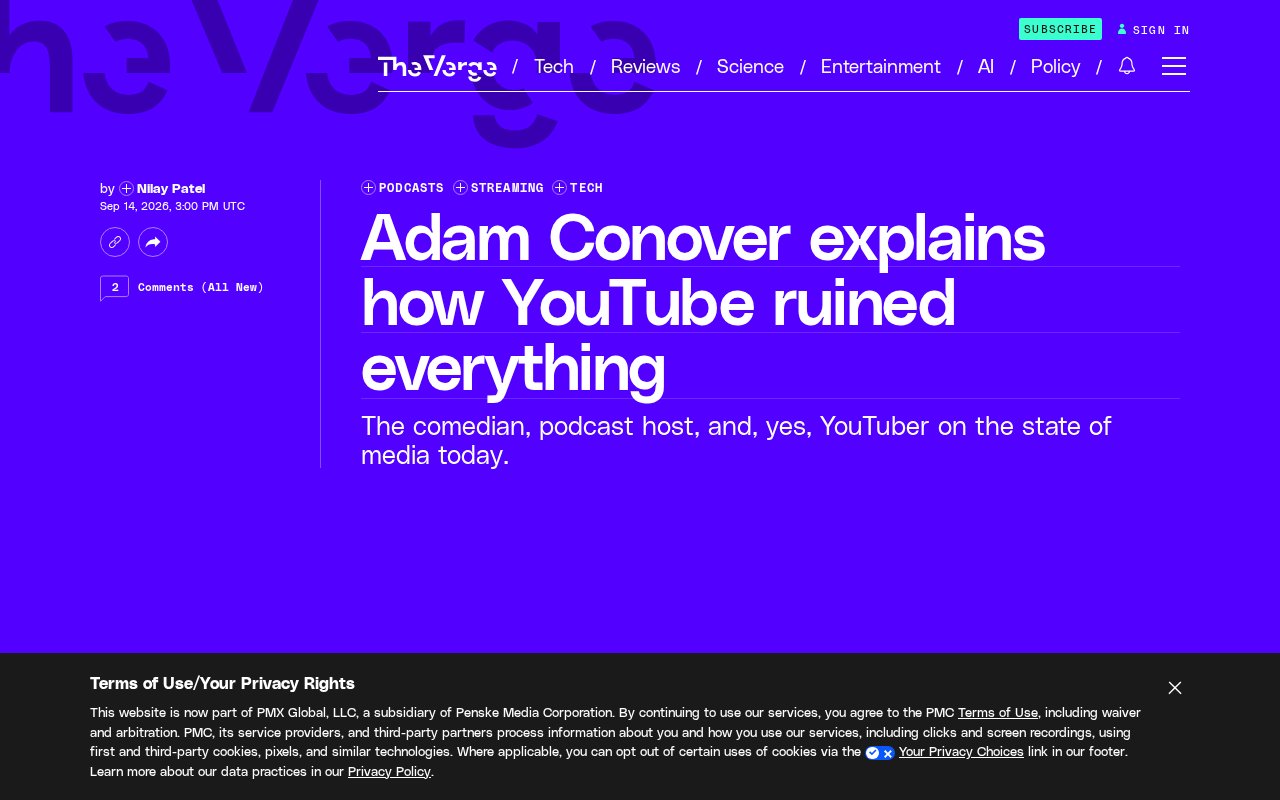
Adam Conover: How YouTube Reshaped the Content Creation Ecosystem
Comedian and YouTuber Adam Conover's journey from CollegeHumor to Netflix to YouTube reveals how algorithmic platforms are reshaping the creator economy.
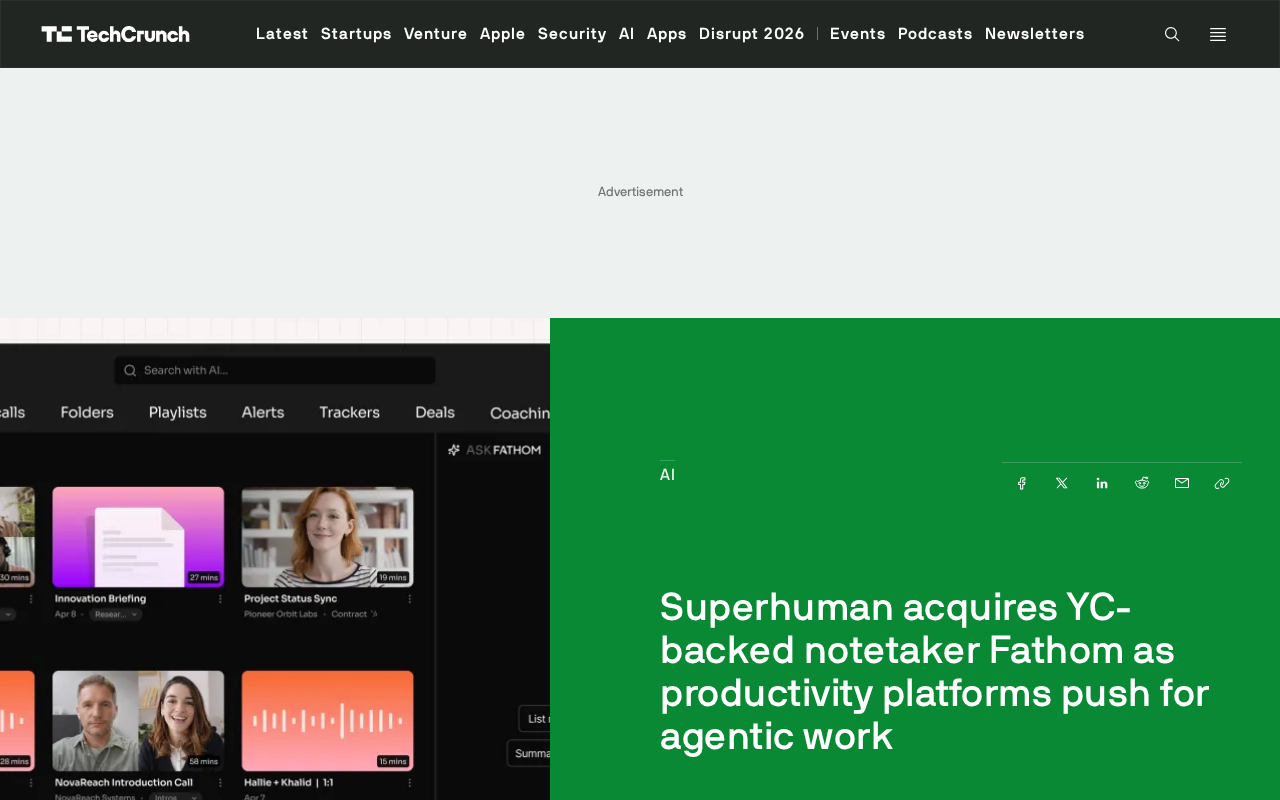
Superhuman Acquires YC-Backed Meeting Notes Tool Fathom to Double Down on Agentic Work
Superhuman acquires YC-backed AI meeting notes tool Fathom (400K+ MAU), signaling a push toward agentic work platforms that unify email and meetings.

AI Reviving Extinct Species: TechCrunch Disrupt 2026 Explores Biotech's New Frontier
AI, gene editing, and computational biology are making de-extinction a reality. TechCrunch Disrupt 2026 examines the tech breakthroughs and ethical dilemmas driving this frontier.