Superhuman Acquires YC-Backed Meeting Notes Tool Fathom to Double Down on Agentic Work
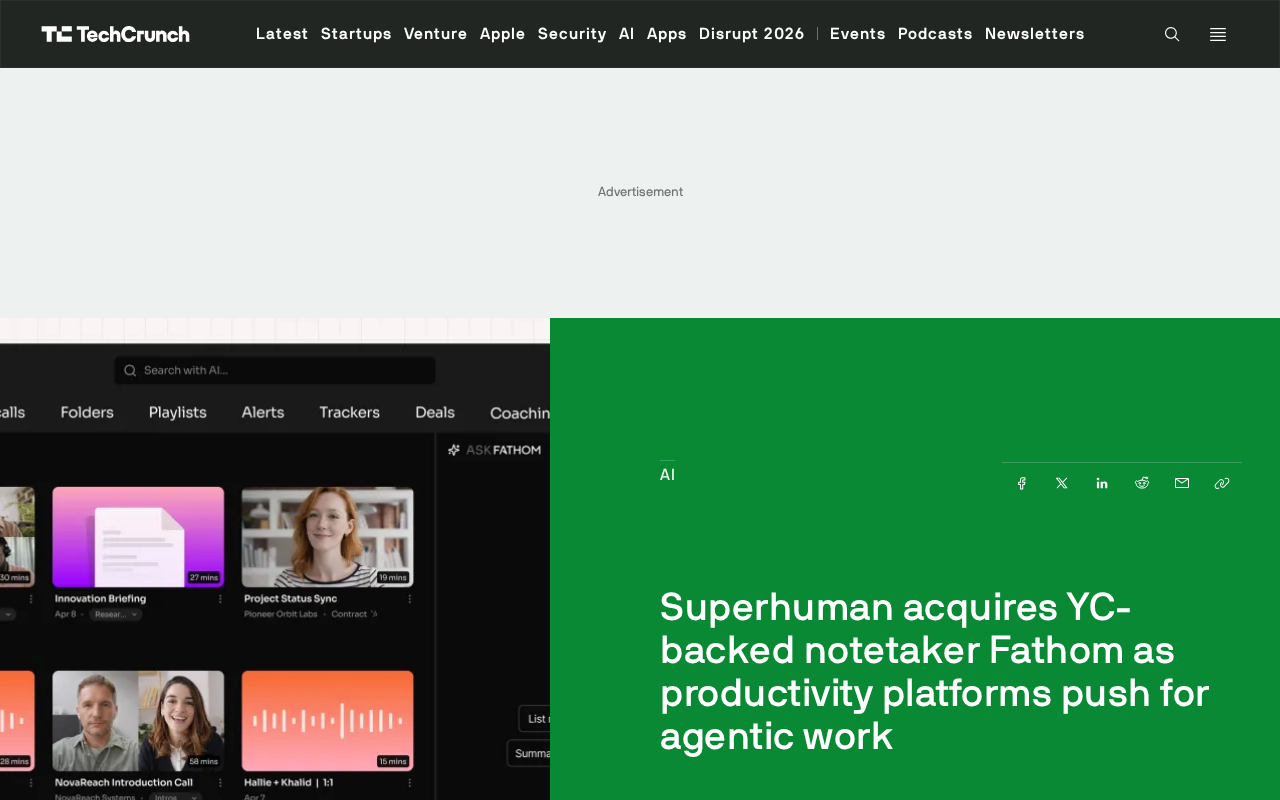
Superhuman acquires YC-backed Fathom to build a unified agentic work platform spanning email and meetings.
Email client Superhuman has acquired Fathom, a YC-backed AI meeting notes tool with over 400,000 monthly active users known for automatic transcription, meeting summaries, and action item extraction. The core logic: email and meetings are the two biggest time sinks for knowledge workers, and connecting them is essential to building a unified agentic office platform. Under the "agentic work" narrative, Fathom's structured meeting data will serve as the perceptual foundation for AI to auto-draft follow-up emails, schedule meetings, and update task lists. The deal also reflects an accelerating shakeout in the AI meeting notes space, as commoditized transcription features and native integrations from Zoom, Microsoft, and Google push standalone tools toward acquisition or irrelevance.
The consolidation wave in productivity tools is accelerating. Email client Superhuman has announced its acquisition of Fathom, a Y Combinator-backed AI meeting notes tool. The deal is widely seen as another signal of productivity platforms evolving toward "agentic work."
Deal Overview: An Integration Aimed at the Workflow
Fathom's core capability is AI-powered meeting notes — automatically transcribing, summarizing meetings, and extracting action items. According to its public data, Fathom currently has over 400,000 monthly active users, a substantial number among AI note-taking tools. As a YC-backed startup, Fathom's acquisition by Superhuman signals that the buyer is attempting to extend its service boundary beyond "faster email" to a more complete knowledge work pipeline.
Superhuman has long sold itself on the "high-efficiency email experience," emphasizing keyboard shortcuts, fast search, and fluid inbox management. Acquiring a mature meeting notes product means it wants to cover another high-frequency scenario beyond email — meetings. Email and meetings are the two biggest time sinks for knowledge workers, and connecting them is a natural path toward building a unified productivity platform.
Why "Agentic Work"
The narrative around productivity software has been shifting from "tools" to "agents." Agentic work refers to software that no longer passively waits for user input, but instead acts as an AI assistant that proactively understands context and executes tasks across applications.
In this framework, meeting notes are just the starting point. Once the system knows what was discussed, what decisions were made, and what follow-ups are needed, it can automatically draft follow-up emails, schedule subsequent meetings, and update task lists — all scenarios where Superhuman's email and calendar capabilities shine. Acquiring Fathom is fundamentally about completing a critical piece of the agent's "perceptual input": letting AI truly hear and remember what happened in a meeting.
In other words, what Fathom offers isn't just a standalone product — it's a continuously generated source of structured work data. For a platform looking to build an end-to-end office assistant, the value of that data far exceeds any single-point feature.
The concept of an "Agent" originates from AI research, referring to software systems that can perceive their environment, plan autonomously, and execute multi-step tasks. Unlike traditional command-response tools, the defining characteristics of an AI agent are proactivity and cross-system coordination: it can break down goals, invoke different tools, and adjust strategies based on feedback during execution — all without step-by-step human instruction. In an office context, this means a system can extract action items from meeting notes, automatically jump to the calendar to schedule appointments, then switch to an email client to draft follow-up messages — the entire chain requiring no manual app-switching from the user. OpenAI, Anthropic, Google, and other major AI players have all listed "Agentic" capabilities as a core product direction for 2024–2025. This is precisely why productivity software companies are using "richer contextual data" as a rationale for M&A: the more complete the data, the higher the quality of the agent's autonomous decision-making.
Impact on the Competitive Landscape
This type of consolidation also reflects a reshuffling underway in the AI meeting notes space. Players like Otter, Fireflies, and Zoom's built-in AI Companion are locked in intense competition, transcription and summarization features are increasingly commoditized, and standalone tools face mounting pressure to be absorbed by larger platforms or risk marginalization. Fathom's choice to join Superhuman is, in many ways, a microcosm of the broader trend of "platform consolidation."
For users, the near-term outlook includes deeper integration of email and meeting experiences — though they should also watch for potential feature changes or pricing adjustments during the integration process. The 400,000 monthly active users are the asset Superhuman is betting on; how smoothly it migrates and retains them will be the key measure of this deal's success.
The competitive dynamics of the AI meeting notes space deserve further context. Otter.ai was one of the earliest tools to scale as a standalone transcription solution, focusing on real-time transcription and team sharing. Fireflies.ai differentiates through CRM integrations (Salesforce, HubSpot, etc.), targeting sales use cases. Meanwhile, Zoom AI Companion, Microsoft Copilot for Teams, and Google Meet's Gemini summary features represent the "natively embedded" route of video conferencing platforms. The rise of native integrations poses the most direct threat to standalone tools — users don't need to install anything extra, and data stays within the existing platform ecosystem. Fathom's competitive edge previously lay in cross-platform support and higher-quality summaries, but as major platforms continue to iterate, the window for pure feature advantages is shrinking — a structural backdrop that ultimately drove its decision to join a larger platform.
Takeaway
Superhuman's acquisition of Fathom is another footnote in productivity software's journey from single-point efficiency tools to agentic platforms. The email-plus-meetings combination lays the groundwork for an AI assistant capable of proactively completing tasks across scenarios. As more platforms bet on agentic work, the survival space for independent AI tools — and the pace of consolidation — is well worth watching.
(Note: This article is based on publicly available reporting. The specific deal amount and terms were not disclosed in the source material.)
Related articles
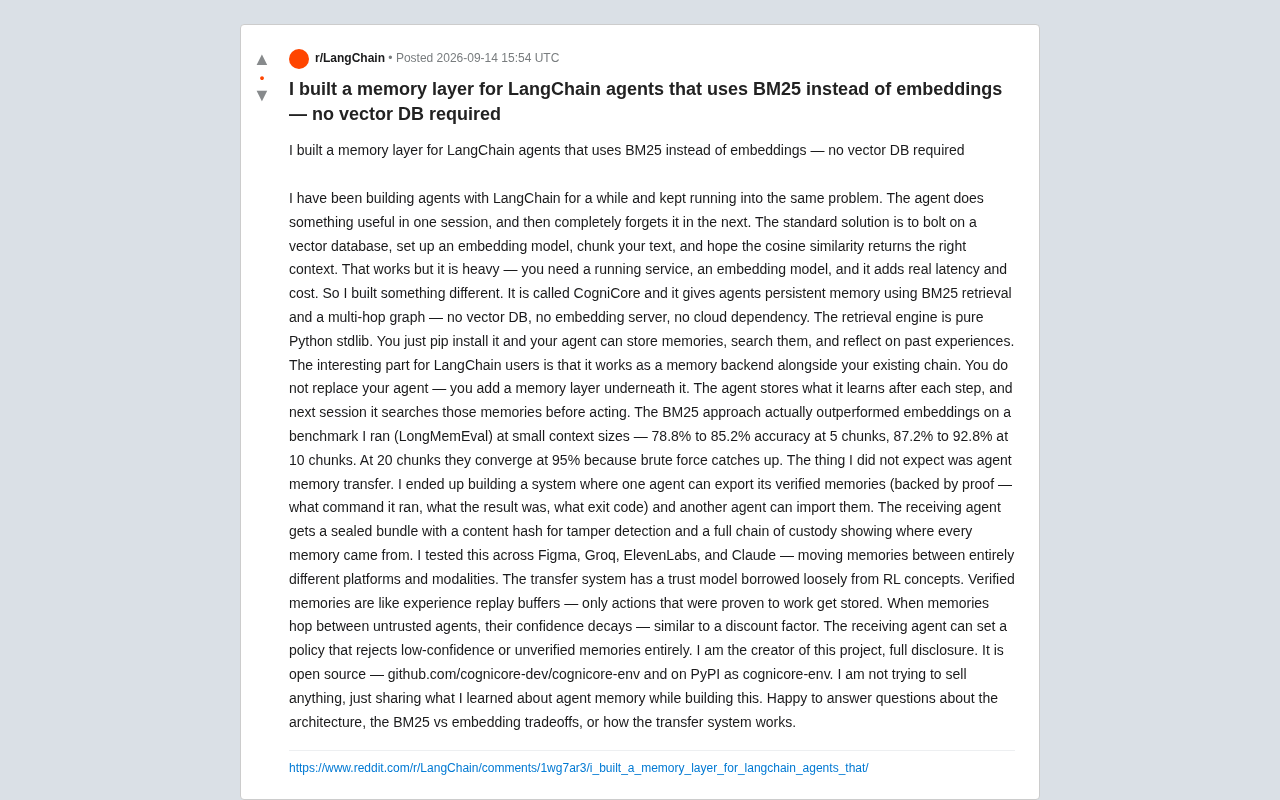
Ditch the Vector Database: Building a Memory Layer for LangChain Agents with BM25
CogniCore replaces vector databases with BM25 retrieval for LangChain agent memory, outperforming embeddings in small-context benchmarks with zero external dependencies.
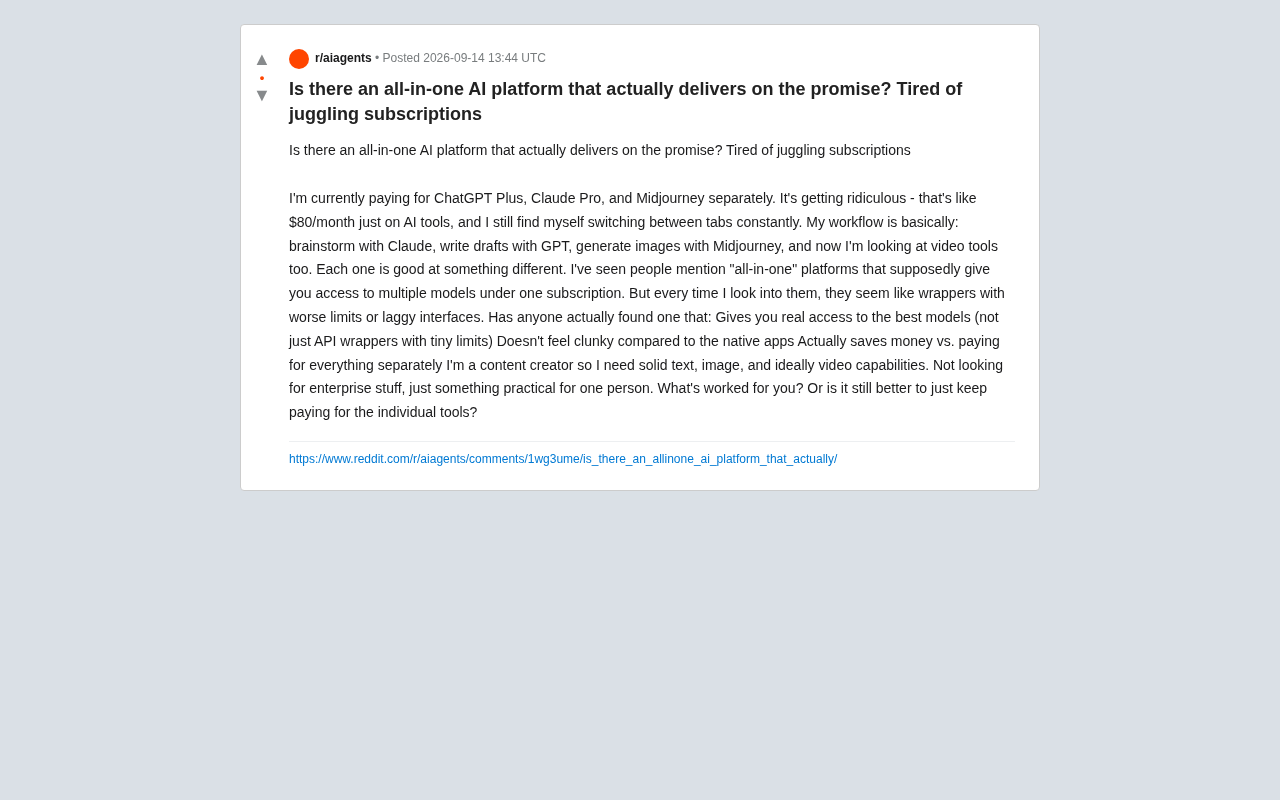
Are All-in-One AI Platforms Actually Worth It? A Practical Guide to Escaping Subscription Overload
Tired of paying for ChatGPT, Claude, and Midjourney separately? We break down whether all-in-one AI platforms are actually worth it — and what a smarter subscription stack looks like.
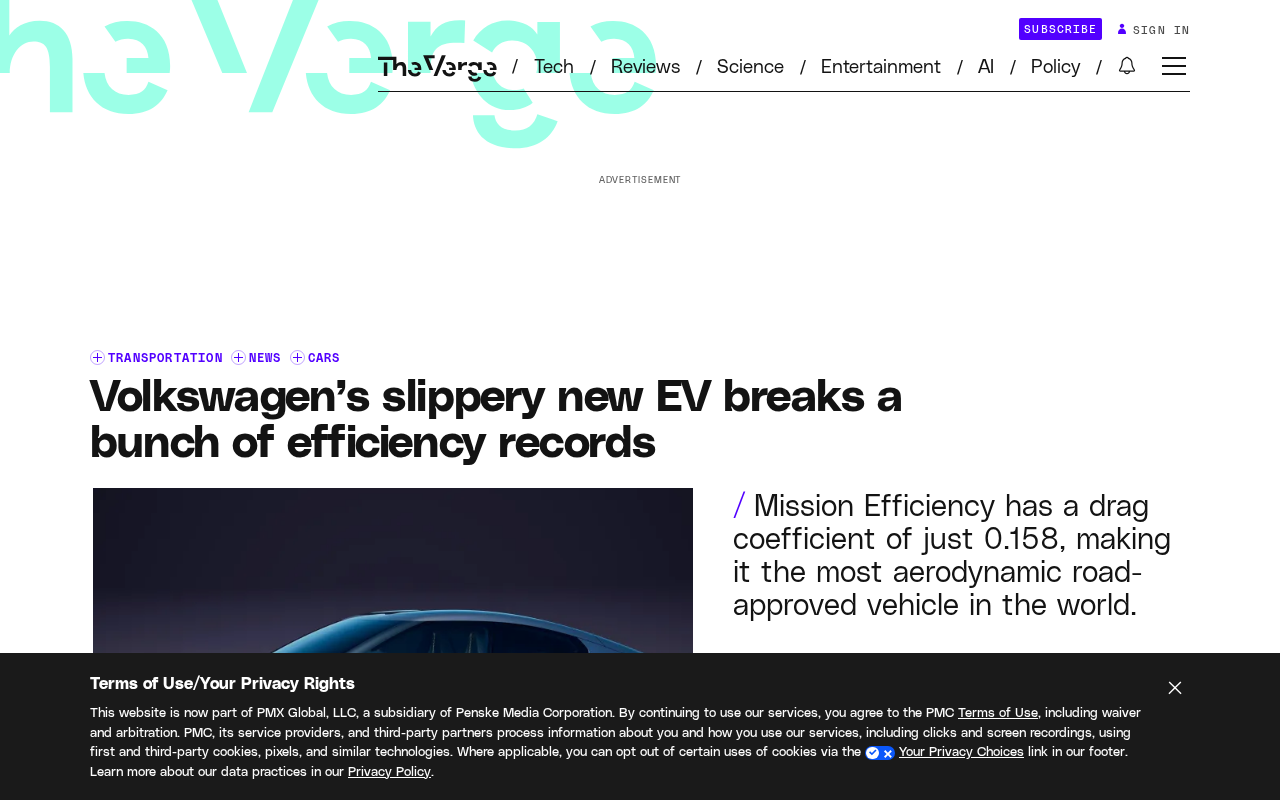
Volkswagen Mission Efficiency: The World's Lowest-Drag EV Breaks Multiple Efficiency Records
Volkswagen's Mission Efficiency prototype claims the world's lowest drag coefficient, built on MEB+ platform with ID. Polo and ID. Cross components. Here's what it means for EV efficiency.