How DNA Genealogy Cracked a 31-Year Cold Case: Restoring the Identity of an Unknown Young Woman
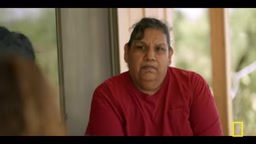
Forensic genetic genealogy identified Arizona's 31-year Jane Doe as Melody Harrison — and reunited two elderly brothers.
In the early 1990s, unidentified remains of a young woman were found in the Arizona desert, accompanied only by a bus token and a gold ring. The case went unsolved for 31 years until the DNA Doe Project uploaded her DNA to public genealogy databases and reconstructed family networks through kinship matching. The investigation was complicated by her mixed Hispanic and African-German ancestry, a paternal lineage severed by the postwar "brown babies" adoption history, and database matches below 1% shared DNA. A near-first-cousin match, combined with yearbooks and custody documents, ultimately confirmed her identity as Melody Harrison. The case also reunited her father with the brother he never knew, and cast a spotlight on law enforcement's failure to adequately search for missing persons of color.
In the Arizona desert, the remains of an unidentified young woman lay undisturbed for nearly 31 years. When discovered, she appeared to be just sixteen or seventeen years old. Beyond a single bus token and a gold ring, nothing could tell investigators who she was. The case, known as the "Apache Junction Jane Doe," was ultimately solved through forensic genetic genealogy — and it's not just a crime story. It's a real-world lesson in how DNA databases, public records, and algorithmic reasoning can rewrite the definition of "unsolvable."
Remains Left Unidentified for Nearly 31 Years
In the early 1990s, a dog walker discovered human remains in the desert near Apache Junction, about 30 miles east of Phoenix. The scene was remote and desolate — as investigators later put it, "you could dump a body out here and just drive away, and nobody would know." The victim was a young girl. The only items found with her were a student transit token from the Phoenix bus system and a gold ring with a small gold nugget design.
When Detective Stephanie Virgo took over the case in 2008, the remains had already gone unidentified for nearly 17 years. Conventional methods had all but failed: the body had been exhumed for DNA, which was entered into missing persons databases — no matches. A facial reconstruction had been placed on billboards around Phoenix — still nothing. She was reburied, her headstone reading simply "Unknown."
DNA Doe Project: How the Last Resort Works
The breakthrough came from a magazine article about the DNA Doe Project. This nonprofit specializes in the hardest cases, operating on the belief that "everyone deserves to be buried with their own name and the dignity of an identity." Its core method: extract DNA from unidentified remains and upload it to genealogy databases — the same platforms ordinary people use to trace their ancestry — then use partial DNA matches to work backward toward an identification.
The initial DNA results revealed just how difficult this case would be. The unknown woman's maternal lineage was Hispanic; her paternal lineage was a mix of German and African American ancestry. Volunteers described it as "a very unusual and extremely challenging combination." The real lead came through a man named Patrick — an African American whose shared DNA with the remains was significant enough, and whose age was compatible, to suggest he might be the deceased's uncle, specifically her father's brother.
But adoption history threw up a massive barrier. Patrick himself had been adopted and knew nothing of his biological family. As one volunteer put it: "Adoption is a genealogist's nightmare. Once you hit that wall, finding answers becomes extraordinarily difficult."
How Forensic Genetic Genealogy Works
The technical foundation of forensic genetic genealogy relies on statistical patterns in "shared DNA segments." The closer the biological relationship, the more identical segments (measured in centimorgans, or cM) two people share: full siblings typically share about 50%, first cousins around 12.5%, and third or fourth cousins may share less than 1%. Platforms like GEDmatch and FamilyTreeDNA were originally designed for genealogy enthusiasts, with users voluntarily uploading their genetic test results to find lost relatives. Forensic genetic genealogy uploads DNA extracted from crime scenes or unidentified remains to the same platforms, searching for the "closest relatives" in a vast genetic database. Even a distant match can serve as an anchor point — combined with public records of births, marriages, and deaths, investigators can reconstruct family trees and progressively narrow down the field of candidates. This method famously broke the Golden State Killer case in 2018 and has since been used increasingly to identify unknown remains. Its key advantage: it doesn't require the suspect or missing person themselves to have submitted DNA — any relative appearing in the database can create a lead.
A Forgotten History: The "Brown Babies"
As the investigation progressed, a heavy historical chapter surfaced. Patrick located his 1956 adoption records from Darmstadt, Germany — he was one of the so-called "brown babies." After World War II, children born to German women and African American soldiers faced severe hardship due to racial prejudice in Germany. Around 7,000 such children were sent to the United States between the 1950s and 1960s to be adopted by Black American families.
This history turned out to be a crucial investigative clue. The deceased's father had very likely also been adopted from Darmstadt as an African American child, later fathering a daughter with a Black woman in the Phoenix area. This gave the team a "very specific combination" to search for.
The "Brown Babies" Phenomenon
The "brown babies" were a product of the intersection between postwar occupation history and American racial segregation. After 1945, large numbers of African American soldiers were stationed in West Germany, where some fathered mixed-race children with German women. West German society held strong racial prejudices toward these children, and many mothers gave them up under social pressure or economic hardship. Meanwhile, the U.S. military bore no legal responsibility for children fathered by soldiers abroad, and cross-border paternity claims were nearly impossible to pursue. American activist Mabel A. Grammer and others spearheaded an informal transnational adoption movement that brought approximately 7,000 children to the United States, primarily to African American families — because racial segregation laws at the time prohibited white families from adopting Black children. This history was largely forgotten in the mainstream narratives of both countries for decades after the war, only resurfacing through academic research and documentaries in the 2010s. In this case, the specific city of Darmstadt gave investigators a concrete geographic anchor to dramatically narrow their search through vast adoption records, transforming an otherwise untraceable paternal lineage into a searchable historical archive.
Database Matching: From 1% Distant Relatives to First Cousins
Beyond the Patrick lead, everyone else in the database who matched the remains shared less than 1% DNA — extraordinarily distant relatives. Volunteers Karen and Harmony had to build family trees for each match, tracing births, marriages, and death records generation by generation. As they described it: "You might put in a hundred hours and not be one step closer to the answer."

The real breakthrough still depended on new DNA uploads. A match named Anastasia appeared on the maternal side with 1.4% shared DNA, pointing toward a family in Tucson. Then, a new tester who uploaded their DNA at 4 in the morning matched the remains at nearly first-cousin level — meaning this person's aunt was very likely the deceased's mother. The team traced this lead to a woman named Rachel, who had married a man named Benjamin — an African American born in Darmstadt. When investigators pulled up Benjamin's photo, everyone was stunned: he and Patrick "looked like twins, right down to the beard."
The Mechanics of Distant vs. Close Matches
In forensic genetic genealogy practice, shared DNA below 1% indicates that the most recent common ancestor may be four or more generations back — reconstructing the connecting family tree often requires tracing lineage to the 19th century, and the workload grows exponentially. Volunteers must individually verify birth certificates, marriage certificates, death records, and census records for each match, cross-referencing geographic migration patterns to determine whether a family line could plausibly connect to the deceased. A "first cousin" level match (roughly 12.5% shared DNA) means the two individuals share grandparents, and at that level it becomes feasible to identify a specific family within a few generations. Platforms like GEDmatch automatically estimate relationship levels, but building the actual family tree remains a manual task, highly dependent on the completeness of public records and researchers' knowledge of historical migration patterns.
From Two Names to One Identity
Benjamin and Rachel had two daughters and two sons. The daughters were Michelle, born in 1974, and Melody, born in 1977 — whose age aligned perfectly with the estimated 16 to 18 years of the deceased. The team cross-checked public records: a 1993 custody document explicitly arranged care for three of the children, but the 16-year-old Melody was nowhere to be found. She appeared in no yearbook at Carl Hayden High School, though her sister Michelle appeared in the 1992 and 1993 editions. In the database, every sibling had an address and driver's license on record — except Melody.
All the evidence pointed to the same conclusion: the unknown young woman was Melody.
A Name Restored: A Family's Grief and Reunion
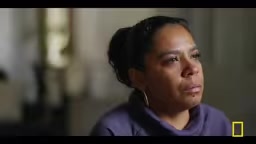
When investigators showed Melody's sister a photo of the gold ring, the family recognized it immediately — it was a ring their mother had given her. The truth emerged: Melody had left home after an argument with a boyfriend, stepping out for a walk and never coming back. Her family had reported her missing, but felt the police never took it seriously. "She was just a person of color." "Just an angry teenager." "She probably ran away." The family searched the streets for years, never giving up hope that she was still alive.
Now, Melody finally has her name back. Local news confirmed that the identity of the desert Jane Doe who had gone unknown for 31 years had been established: she was Melody Harrison. Detective Stephanie said being able to speak her name was something she "couldn't put into words."
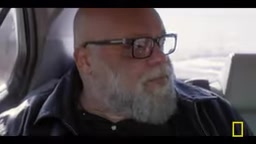
Amid the grief, there was a single ray of light: through this investigation, Melody's father Benjamin met his long-lost brother Patrick for the first time. The two elderly men embraced and wept. "All my life I've been alone," Patrick said, "but as my daughter told me, DNA doesn't lie." And then, in words that stopped everyone in their tracks: "Melody — why did you have to die for me to find my family?"
Reflections Beyond the Technology
This case demonstrates the enormous potential of forensic genetic genealogy in solving cold cases. It doesn't require a suspect to have voluntarily submitted DNA — instead, it draws on the genetic data uploaded by millions of ordinary people researching their ancestry, using kinship networks to reverse-engineer an identity. At the same time, it exposes the method's fragility: adoption history, thin distant-relative matches, incomplete public records — any single gap can bring an investigation to a standstill.
But the deeper lesson is about law enforcement itself. A missing girl of color didn't receive the search effort she deserved, and as a result, her remains lay in the desert for over three decades. Technology ultimately gave her back her name. What technology cannot restore are all the moments when someone could have — and should have — taken the call for help seriously.
Related articles
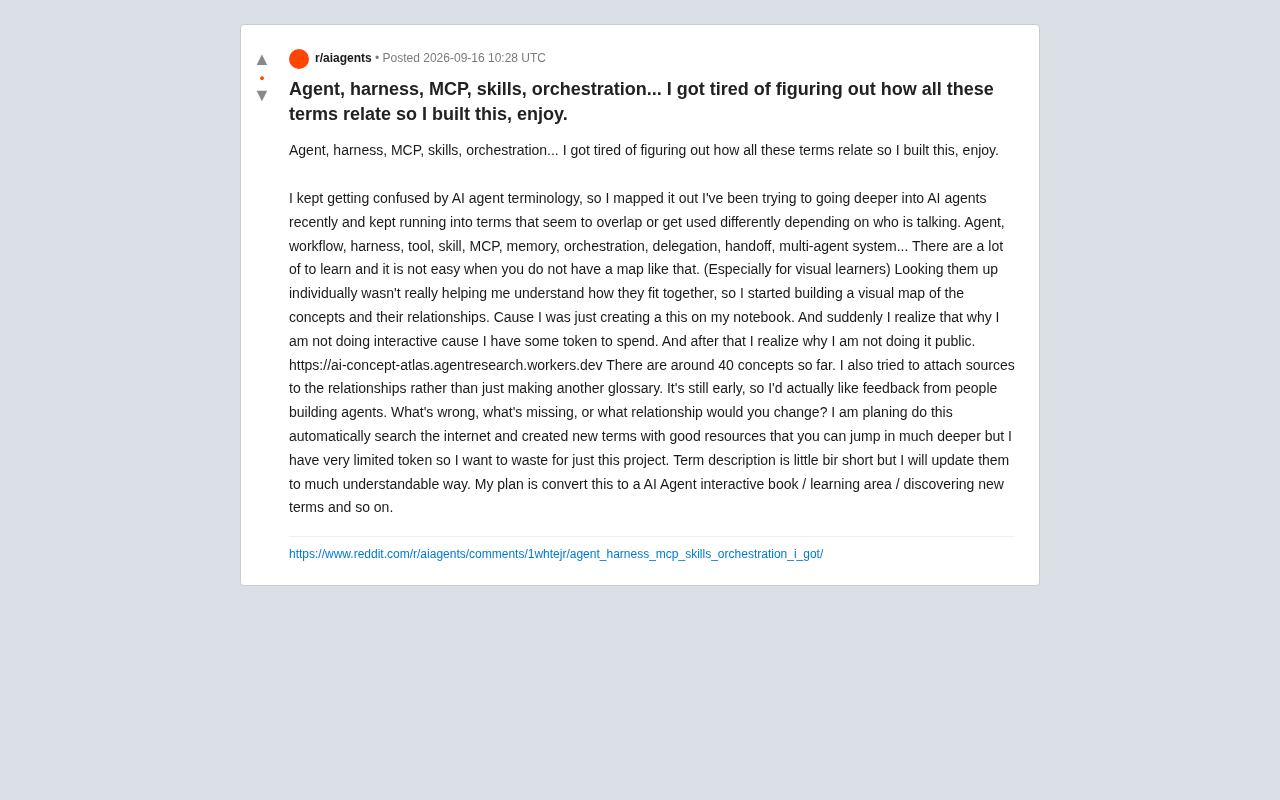
AI Agent Terminology Too Confusing? One Interactive Concept Map to Untangle 40+ Core Terms
Confused by AI Agent terms like MCP, harness, orchestration, and skills? AI Concept Atlas is an interactive map visualizing 40+ concepts and their relationships, with cited sources.
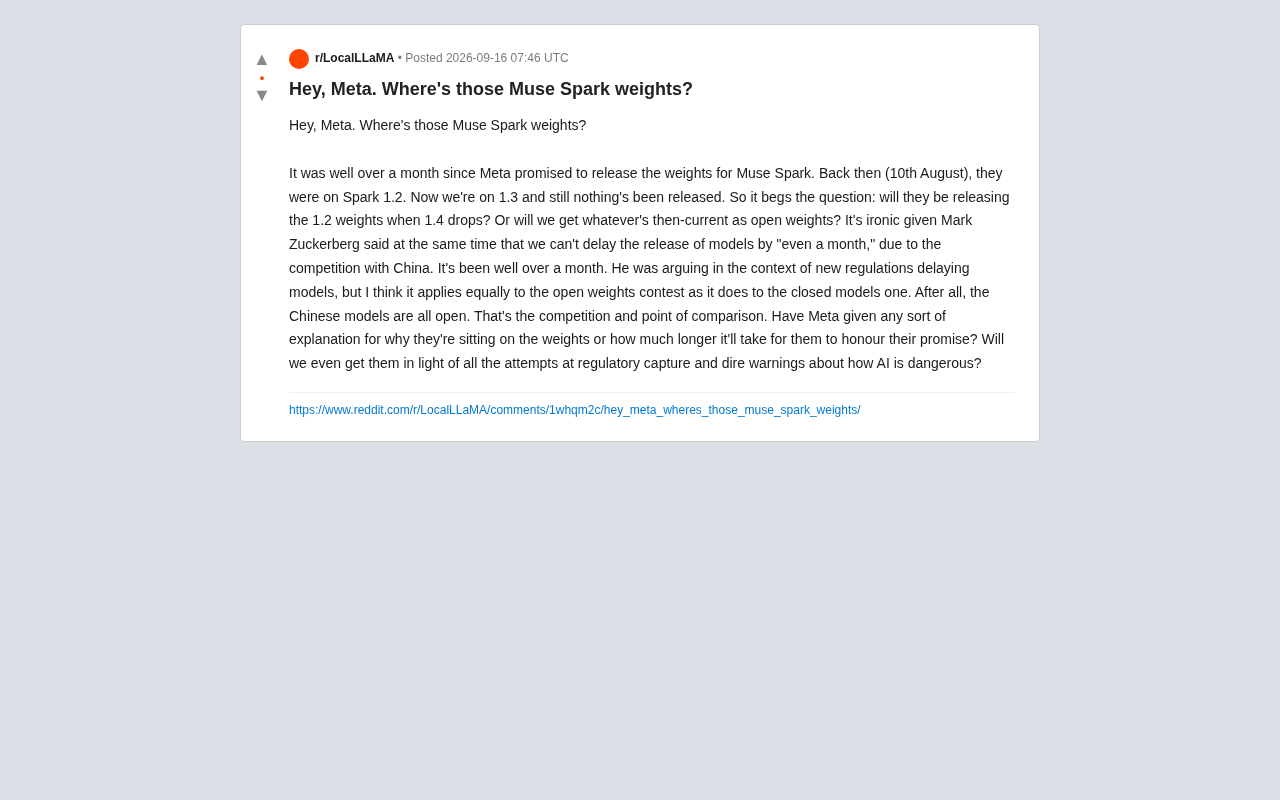
Meta's Broken Promise: Community Demands to Know Where the Muse Spark Weights Are
Meta promised to open-source Muse Spark model weights over a month ago, but still hasn't delivered. The community questions how this squares with Zuckerberg's "can't delay even a month" stance.
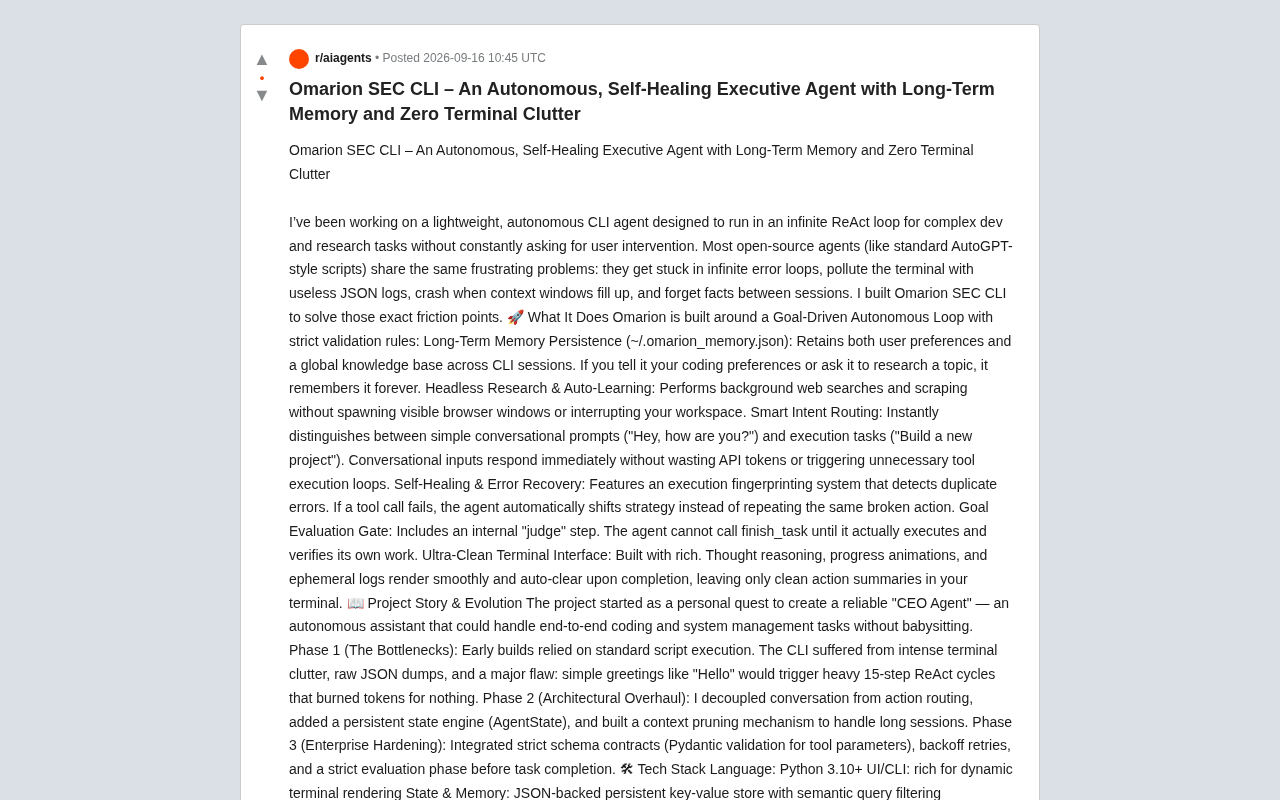
Omarion SEC CLI: How a Self-Healing Autonomous Agent Tackles AutoGPT's Persistent Problems
Omarion SEC CLI is an open-source autonomous CLI agent that solves AutoGPT's error loops, terminal clutter, and session amnesia through execution fingerprinting, intent routing, and persistent memory.