One Year of Sponsored Servo Development: The Revival of an Independent Browser Engine
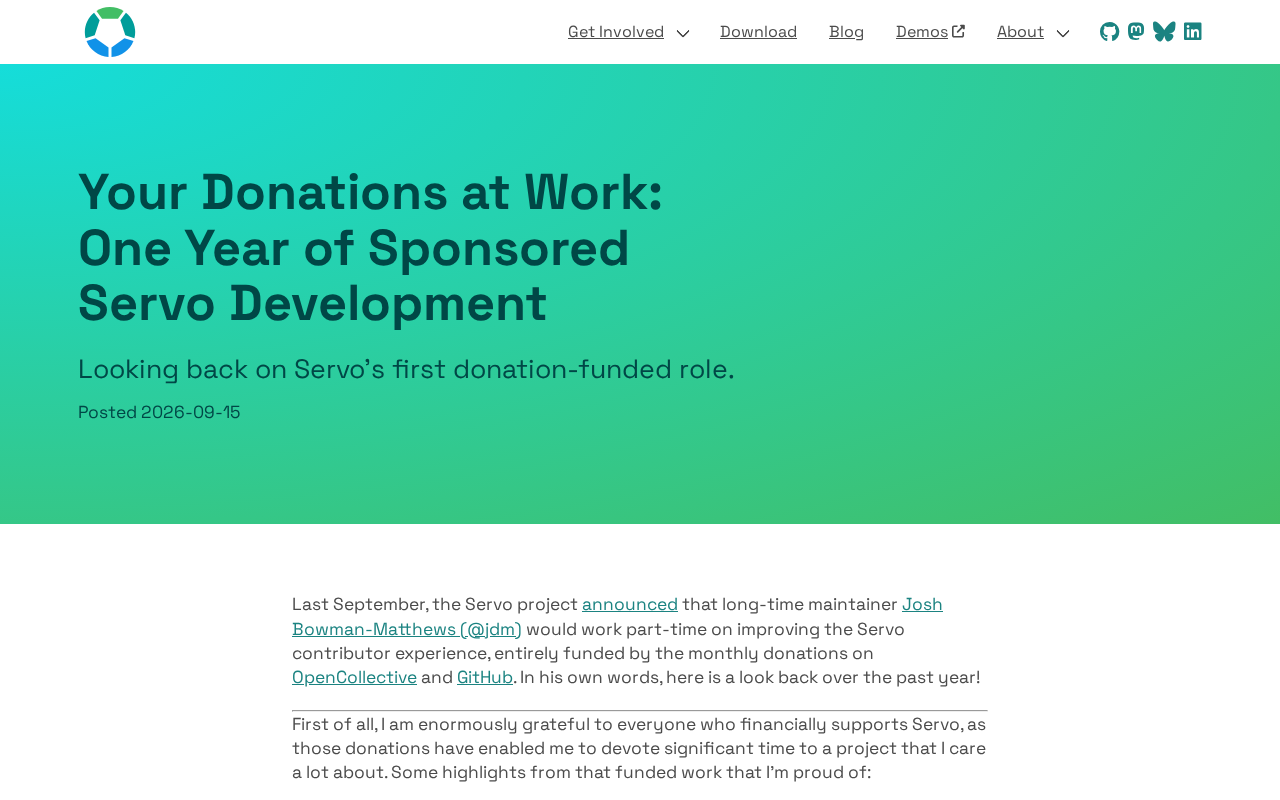
Servo's Rust-based browser engine marks one year of sponsored revival, advancing Web standards and engine diversity.
This article reviews the past year of progress for Servo, the Rust-written independent browser engine, after receiving sponsored development support. Once dormant following Mozilla's 2020 layoffs and later transferred to the Linux Foundation, Servo regained dedicated engineering resources through a sponsorship-driven model. Over the past year, the project made meaningful advances in layout, CSS compatibility, and real-world page rendering. The piece also highlights Servo's broader significance as a technically independent alternative in a Chromium-dominated landscape, and as a case study in sustainable open-source infrastructure.
The Rebirth of the Servo Engine
Servo is an experimental browser engine written in Rust, originally born at Mozilla and later transferred to a project hosted under the Linux Foundation. After going dormant following Mozilla's mass layoffs, the Servo project has been revitalized with the support of sponsored funding. This article, published on the official Servo blog, looks back on a full year of development progress and milestones since the project received sponsorship.
In an era where browser engines are heavily consolidated around three camps — Blink (Chromium), WebKit, and Gecko — an engine built from scratch in Rust, with memory safety as a first-class concern and complete independence from major tech corporations, carries no small symbolic weight. This annual recap earned 250 points and hundreds of comments on Hacker News, reflecting the developer community's sustained interest in browser engine diversity.
Servo was originally launched in 2012 within Mozilla Research as a research project exploring parallel browser architectures on modern hardware. In August 2020, Mozilla laid off approximately 250 employees due to financial difficulties, nearly wiping out the entire Servo core team and effectively halting the project. In November 2020, Servo was transferred to the Linux Foundation to preserve the project's neutrality and continuity. It wasn't until 2023 — with sponsorship support from companies like Igalia — that Servo once again had dedicated development resources, entering what this article calls its "revival phase." Igalia is a consultancy specializing in open-source browser engines, with a long history of contributing to WebKit, Chromium, and other projects. Its involvement brought Servo the rare and specialized browser engineering expertise the project desperately needed.
How Sponsorship Changed the Project's Trajectory
Servo had at one point stalled entirely due to a lack of dedicated maintainers. The long-term sustainability of open-source projects has been an industry-wide challenge — relying purely on volunteer contributions is simply insufficient to sustain a project like a browser engine, which demands enormous engineering effort and carries extremely high technical barriers to entry. By introducing sponsored funding, Servo was able to hire full-time or dedicated developers, transforming unpredictable community contributions into stable, plannable development output.
This "sponsorship-driven development" model is emerging as a vital path to survival for large open-source infrastructure projects. It sits between pure corporate control and pure community self-organization, preserving the project's independence and open governance while addressing the persistent challenges of funding and staffing. For a project like Servo — positioned as an "independent, secure, next-generation Web engine" — the sponsorship model provides room to grow without being captured by any single commercial interest.
Technical Progress Over the Past Year
According to the official annual review, Servo made significant strides in Web platform feature support over the past year. The engine progressively improved its compatibility with modern Web standards, including enhancements to the layout engine, expansion of CSS feature support, and better rendering of real-world web pages. These advances signal that Servo is evolving from a purely research-oriented prototype toward a usable engine capable of actually loading and rendering mainstream websites.
For a browser engine, "correctly rendering real websites" is an extraordinarily high bar. Web standards are sprawling and carry enormous historical baggage, and any new engine requires massive engineering investment to handle every edge case. Servo's choice to implement everything from scratch in Rust is both a commitment to memory safety and an opportunity to explore parallelism and modularity in ways that traditional engines struggle to achieve architecturally.
The layout engine is the core component responsible for computing the position and size of page elements, and it's a critical battleground for Web standards compatibility. Servo originally used its own Flow layout engine, but in recent years has shifted toward reimplementing a modern layout system based on CSS specifications — including support for Flexbox and CSS Grid, two layout models that are foundational to contemporary web pages. Without them, virtually no modern website can be rendered correctly. Rust's advantages here go beyond memory safety: its ownership model is a natural fit for the "parallel style computation" that browser engines need. Different DOM subtrees can have their styles and layouts processed simultaneously by multiple threads without data races — which was one of the core technical hypotheses behind Servo's original conception.
Why Independent Engines Still Matter
In today's Web ecosystem, Chromium's dominant market position has fueled growing concerns about "browser monoculture." When the vast majority of browsers are built on the same engine, the direction of Web standards, implementation details, and even de facto specifications can all be steered by a handful of companies. A healthy and diverse engine ecosystem is a critical safeguard for keeping the Web open.
Servo's value lies not only in whether it can become the foundation of a mainstream browser, but also in what it provides as a technically independent proving ground: validating the viability of Rust in systems-level software, exploring parallel rendering architectures, and offering a lightweight Web rendering solution for embedded and IoT scenarios. It is also frequently used as a component foundation for Web platform research and other projects.
Currently, browsers based on Chromium (the Blink engine) account for over 65% of the global desktop and mobile browser market combined, and together with Safari (WebKit), the two engine families cover close to 90% of the market. Firefox (Gecko) is the only remaining mainstream independent engine maintained by a non-profit organization. The real risks of this high concentration have already played out: Google unilaterally pushed and then walked back the Manifest V3 extension API changes, directly affecting the extension ecosystem for every browser built on Chromium; Apple, meanwhile, has long used WebKit as justification for restricting third-party browser engines on iOS. Servo's potential as an embeddable rendering component also deserves attention — it has been explored for use in Firefox Reality (a VR browser), the Tauri desktop application framework, and various experimental projects. This "componentized engine" path may be more practically viable than directly challenging mainstream desktop browsers.
Closing Thoughts: A Case Study in Sustainable Open Source
Servo's one-year sponsored development recap is more than just a technical progress report — it's an observation case study in the sustainable development of open-source projects. It demonstrates that stable funding can re-energize critical infrastructure that has long been stagnant, and it reminds the industry that maintaining browser engine diversity requires a genuine commitment of resources, not just goodwill.
For readers interested in browser technology, the Rust ecosystem, or open-source governance, Servo's path of revival is well worth following. Every step of progress it makes adds another piece of real-world evidence for the proposition that the Web shouldn't have just one choice of engine.
Related articles
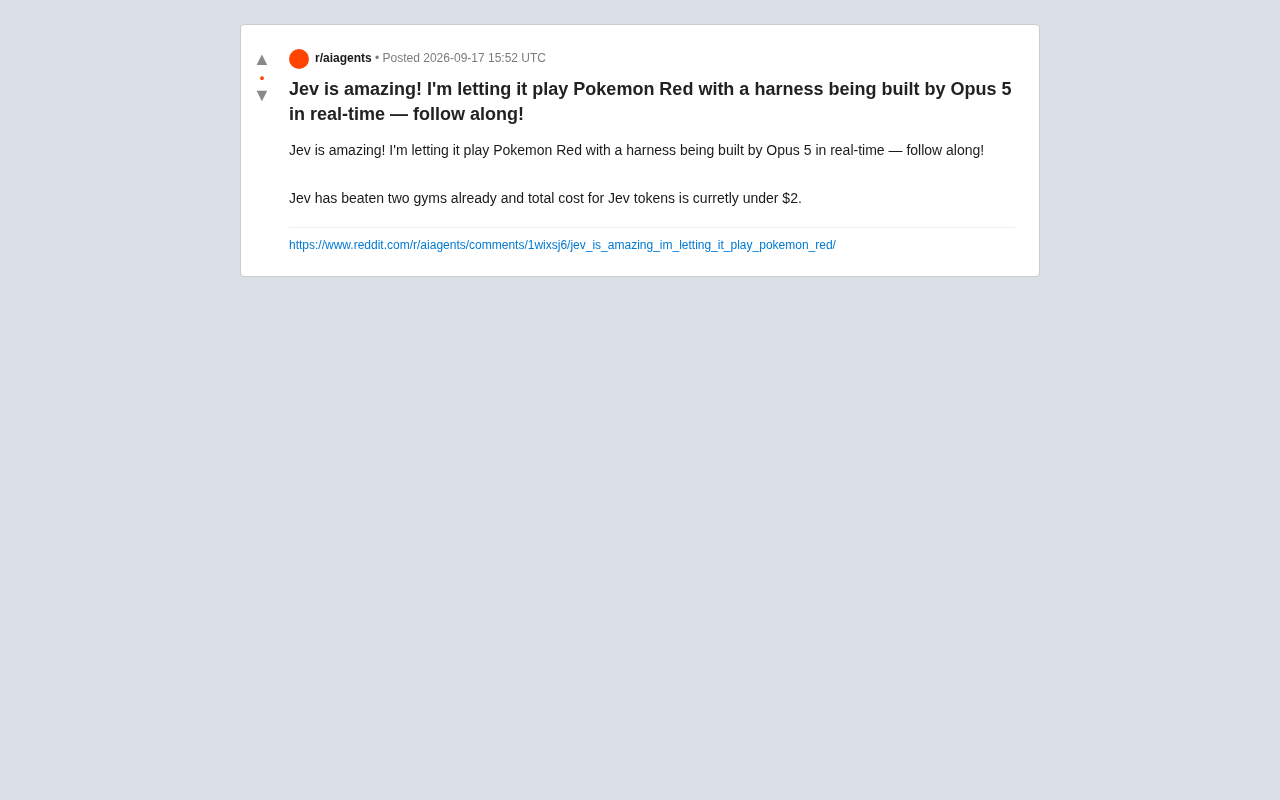
AI Plays Pokémon Red: Jev Clears Two Gyms for Under $2
A Reddit user had AI model Jev play Pokémon Red in real time while Opus 5 built the harness on the fly — clearing two gyms for under $2, showcasing low-cost AI agents.
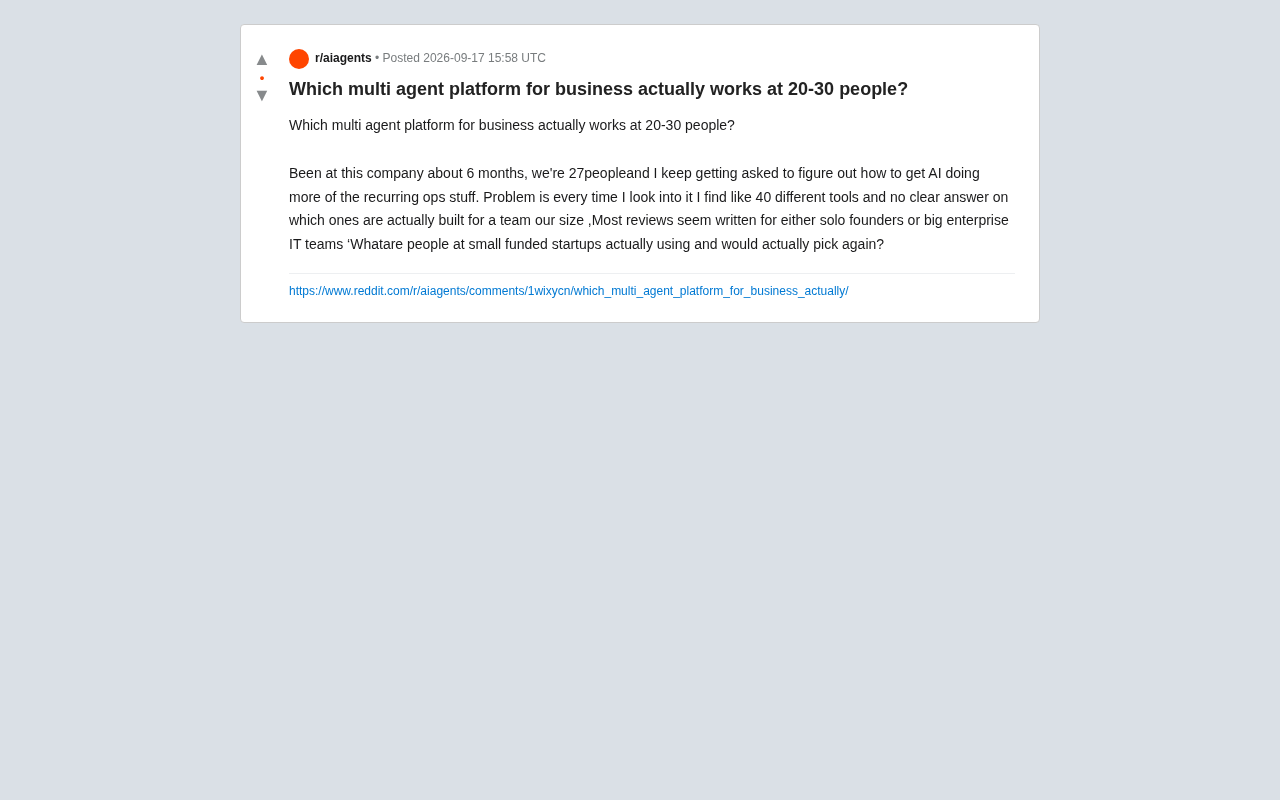
How Should a 20–30 Person Team Choose the Right Multi-Agent AI Platform?
How should a 20–30 person startup choose a multi-agent AI platform? Based on real Reddit discussions, this article analyzes the selection challenges for small teams and offers practical advice.
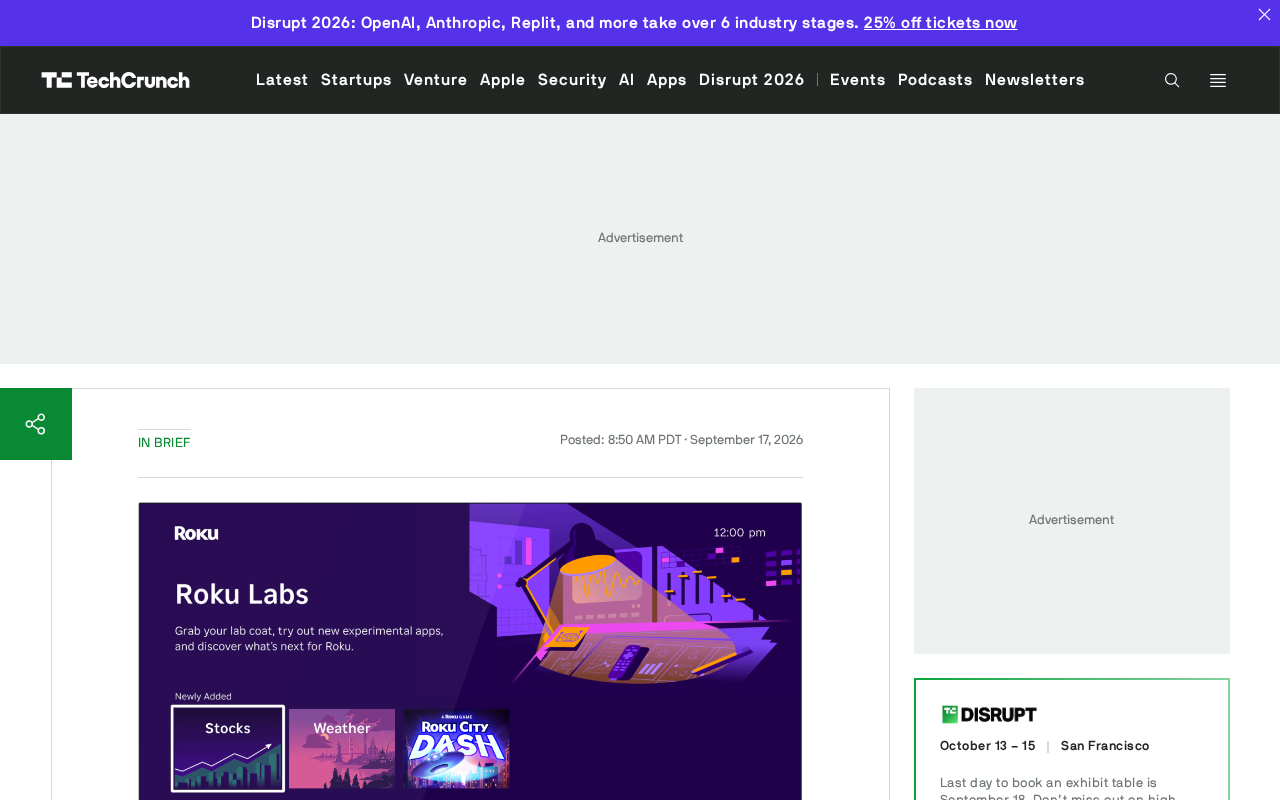
Roku Labs Goes Live: Experimental Apps Come to the Big Screen
Roku's latest OS update launches Roku Labs for experimental apps, expands personalized home screens, and introduces streaming subscription bundles to strengthen its smart TV ecosystem.