How to Keep Your Job in the Age of AI: 6 Key Strategies to Stay Irreplaceable

Stay relevant in the AI era by learning to use AI tools while strengthening uniquely human skills.
This article distills six practical strategies for staying competitive during the AI wave. The core idea: you won't be replaced by AI — you'll be replaced by someone who uses AI better than you. The strategies cover using tools like ChatGPT, Gemini, and Claude; building solid technical fundamentals; strengthening soft skills like communication and leadership; continuous learning to avoid obsolescence; integrating AI into your workflow; and proving your abilities through visible, verifiable work like projects and open-source contributions.
When it comes to artificial intelligence, the first thing many people worry about is: "Will AI take my job?" But a more valuable question to ask is: How do I make myself someone AI can't replace?
This article distills career advice from a YouTube creator into six practical strategies for staying professionally relevant during the AI wave. The core logic is straightforward — the future isn't about AI replacing humans, but about people who use AI replacing people who don't.
Embrace AI, Don't Avoid It
The first and most fundamental step: learn to use AI instead of ignoring it.
This doesn't mean everyone needs to build AI models from scratch. It means getting comfortable with tools like ChatGPT, Gemini, Claude, and AI agents — using them to boost your productivity. As more and more peers start leveraging AI to get things done, avoiding the technology itself becomes the biggest risk of all.
The first mindset shift is treating AI as a daily work assistant, not a threat. The people who pull ahead are almost always the ones willing to actively try new tools.
AI agents are a concept that has gained rapid traction in recent years. They refer to AI systems capable of autonomously planning and executing multi-step tasks — distinct from conversational models that simply answer questions. For example, an AI agent can automatically search the web, call external tools, write and run code, and complete an entire workflow without requiring human intervention at every step. ChatGPT's "Tasks" feature, Claude's "Projects," and various automation platforms (like n8n and Make) are all evolving in this direction. Understanding the difference between agents and standard AI tools helps you choose the right product for your specific work context, rather than treating all AI tools as interchangeable.
Build a Strong Technical Foundation
The second piece of advice is to develop solid technical skills — whether in programming, data analysis, cybersecurity, cloud computing, or machine learning.
The emphasis here is on "fundamentals and underlying principles." The people who truly understand the basics and know how technology works are the ones who remain valuable long-term. AI can help you write code or run analyses, but if you can't read the basic logic, you can't evaluate whether the results are correct — let alone direct the tools effectively.
Technical ability is the foundation for collaborating with AI. The more you understand, the more value AI can amplify for you.
Strengthen the "Human Skills" AI Can't Replicate
The third strategy — and one many people overlook — is to double down on the human skills that AI still struggles with.
Communication, leadership, creativity, problem-solving, and decision-making are areas where current AI still falls short.

Technical tasks may be automated, but guiding a team, making judgment calls in ambiguous situations, and communicating with genuine empathy still rely heavily on humans. Sharpening these "soft skills" into genuine strengths becomes your irreplaceable moat in the age of AI.
Keep Upgrading Your Skills to Fight Obsolescence
The fourth strategy: commit to continuous learning.
Here's a counterintuitive but important point — the biggest risk has never been AI itself, but skill obsolescence.
Set aside a few hours each week to learn something new. The pace of technological change is accelerating, and yesterday's core competency may lose its value tomorrow. Continuously upgrading yourself to keep pace with industry changes is far more practical and effective than worrying about whether AI will replace you.
Become Someone Who Collaborates With AI
The fifth strategy cuts to the heart of the future: become someone who knows how to work alongside AI.
Because the real dynamic isn't "AI replacing humans" — it's "humans using AI replacing humans who don't."

This gets at the core of the entire conversation. AI is an amplifier, not a replacement. Whoever can integrate AI into their workflow and turn it into a productivity multiplier will hold a competitive edge. Instead of fighting AI, make it your partner.
Build a Portfolio That Speaks for You
The sixth strategy: actively build your professional track record.
Create projects, contribute to open source, write a blog, build a portfolio — because when companies hire, they prefer people who can demonstrate they've actually mastered their skills.

Saying you can do something isn't enough — showing real results is what's convincing. A regularly updated portfolio or a few meaningful open-source contributions will outperform a long list of skill keywords on a résumé.
Open-source contribution means participating in public code repositories on platforms like GitHub — submitting code fixes (Pull Requests), reporting issues, or writing documentation. For non-technical roles, "visible work" applies just as well: data analysts can publish Kaggle Notebooks, product managers can write case study breakdowns, and designers can maintain a portfolio on Dribbble or Behance. The value of these public records lies in their verifiability — any hiring manager can click through and see exactly what you've done, rather than relying solely on self-reported claims in a résumé. Now that AI tools make it easy for "everyone to produce a pretty similar résumé," a real, verifiable body of work becomes an increasingly rare and valuable signal.
Closing: The Safest Careers Belong to Those Who Use AI
Tying these six strategies together, the logic is clear: the safest careers aren't the ones that avoid AI — they're the ones that know how to harness it.
- Learn to use AI tools
- Build a solid technical foundation
- Strengthen uniquely human soft skills
- Keep learning to prevent skill obsolescence
- Become someone who collaborates with AI
- Use real work to prove your capabilities
The AI wave is irreversible. Instead of worrying about whether you'll be replaced, put your energy into making yourself irreplaceable. Which AI tool do you use most often in your daily work to boost productivity? That might just be your first step toward thriving in the age of AI.
Related articles
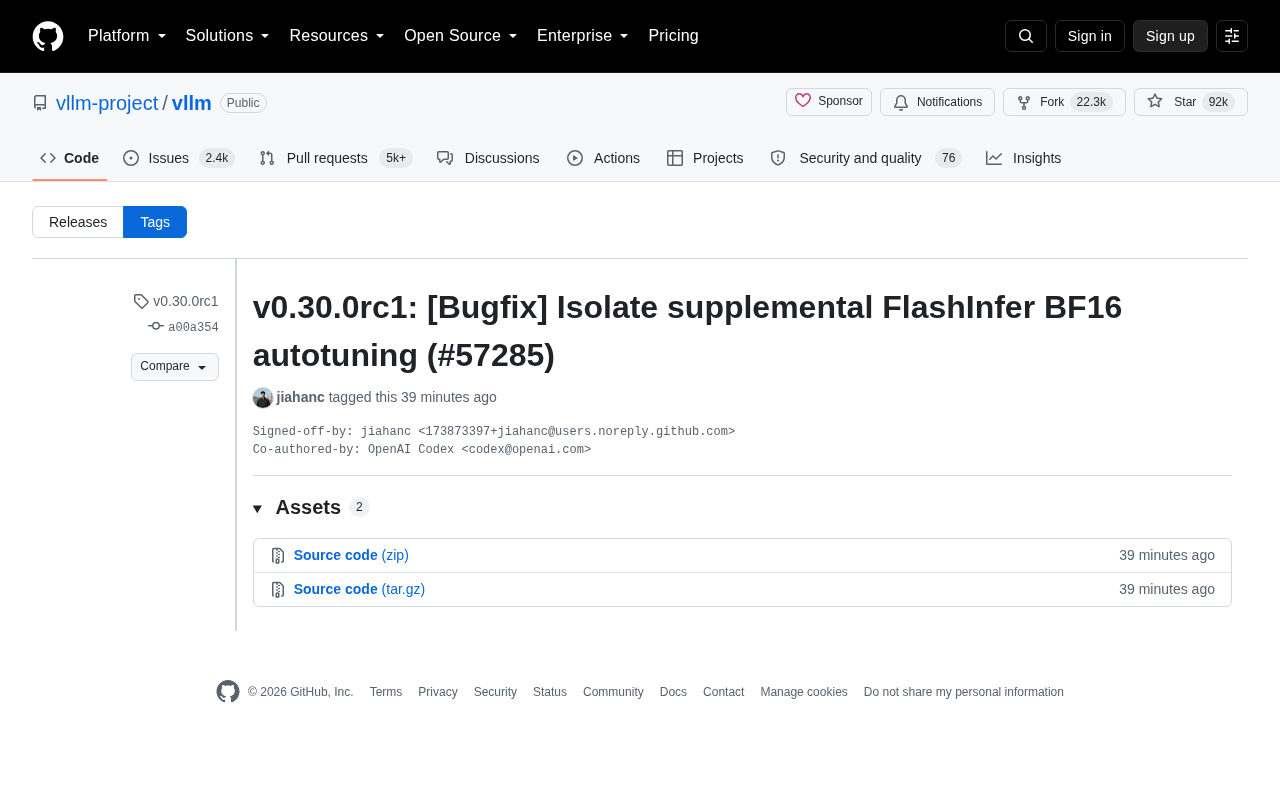
vLLM v0.30.0rc1 Released: Isolates FlashInfer BF16 Autotuning Logic
vLLM v0.30.0rc1 release candidate fixes FlashInfer BF16 autotuning isolation (PR #57285). Learn the technical background and its impact on inference deployment.
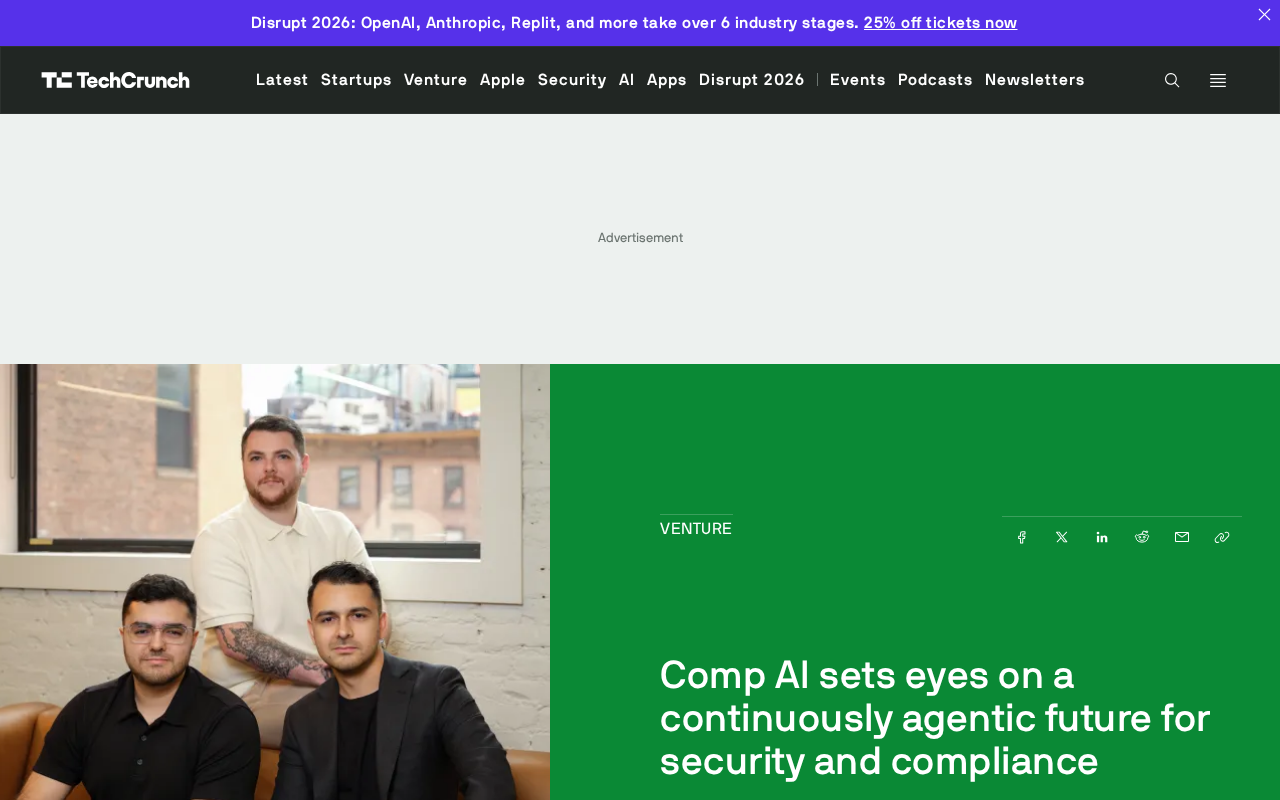
Comp AI Raises $34M Series A, Bets on Agentic Security Compliance
Comp AI raises $34M Series A led by Roo Capital and Grand Ventures, betting on "continuously agentic" AI to transform compliance from periodic audits into real-time monitoring.
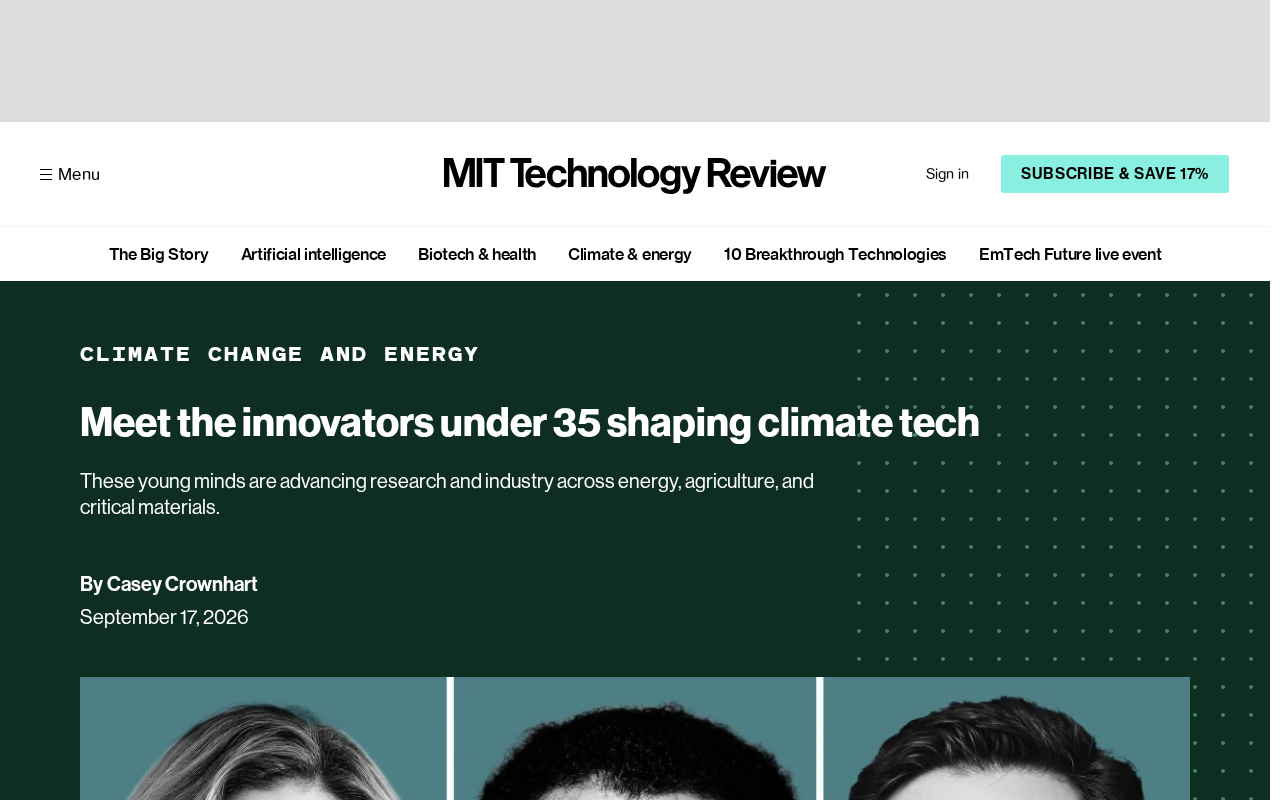
MIT Technology Review's 35 Innovators Under 35: A Climate Tech Edition Explained
MIT Technology Review's latest 35 Innovators Under 35 list focuses on climate tech, spotlighting nine young global innovators. Here's what the list means and why it matters.