How to Write a Resume for an AI/Agent Engineer Role? Key Strategies Explained
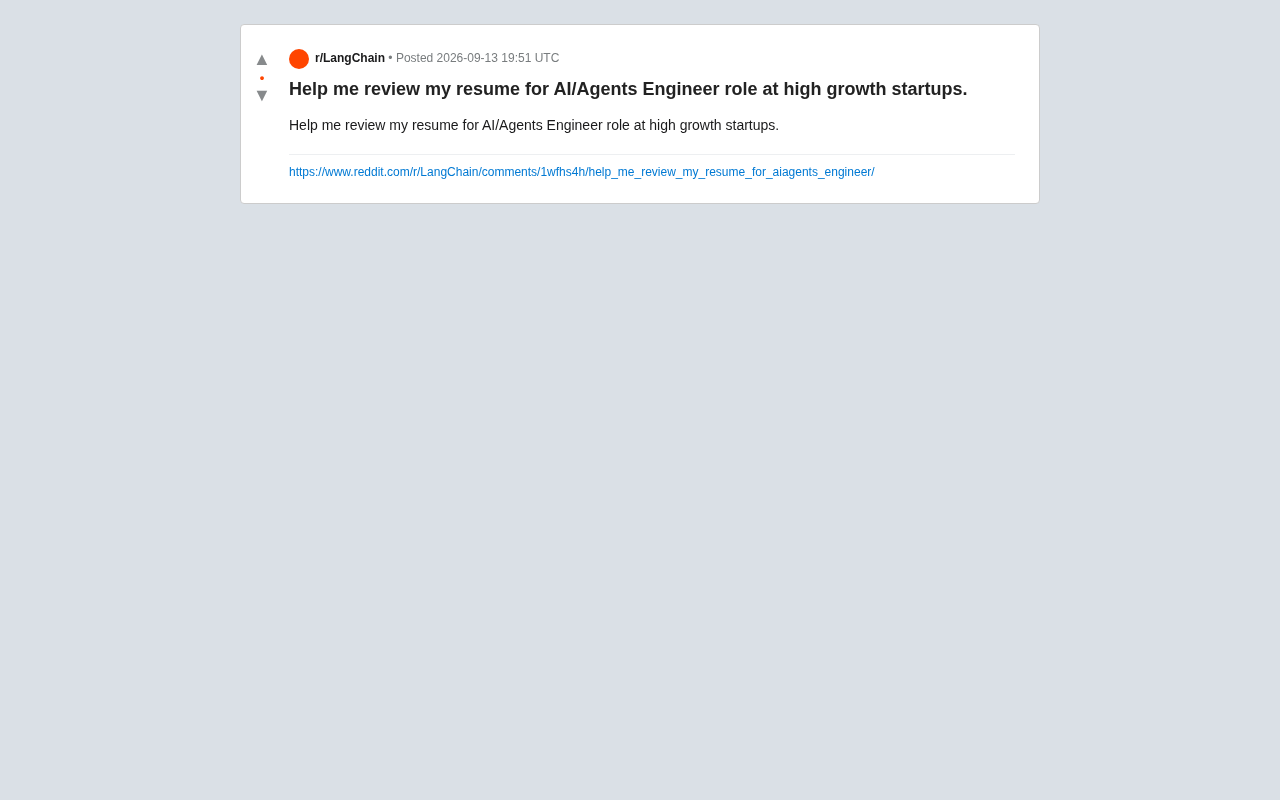
Practical resume strategies for landing an AI/Agent Engineer role at a high-growth startup.
As LLM technology rapidly matures in startups, 'AI/Agent Engineer' has become a high-demand emerging role. Unlike traditional ML engineers, it emphasizes engineering execution — RAG, Tool Calling, context management, and Agent orchestration frameworks. The article advises job seekers to lead with quantifiable project outcomes, demonstrate end-to-end delivery from data pipelines to production deployment, and align their tech stack with target company JDs. For those lacking formal experience, open-source projects, GitHub repos, and technical blogs are effective proof of ability. The core takeaway: the ability to turn an Agent from concept into a working product is what truly wins over startups.
Introduction: The New Job-Seeking Landscape for AI Agent Engineers
As large language models and agent (Agent) technologies rapidly take hold in startups, market demand for the emerging "AI/Agents Engineer" role is surging. A Reddit user recently posted asking the community to review their resume targeting AI/Agent Engineer positions at high-growth startups. This topic reflects a common challenge among tech professionals: in a field that hasn't fully taken shape yet, how do you package your skills and experience effectively?
Unfortunately, the original post only included the request title without a complete resume or detailed discussion. This article, therefore, draws on the general characteristics of this role to offer practical resume-writing and career-positioning guidance for those looking to break into the AI Agent engineering space.
What Skills Does an AI/Agent Engineer Actually Need?
Unlike traditional machine learning engineers, AI Agent engineers place a much stronger emphasis on engineering execution and system integration. These roles typically require familiarity with LLM application development — including Prompt Engineering, Retrieval-Augmented Generation (RAG), and building multi-step autonomous agents using frameworks such as LangChain, LlamaIndex, and AutoGen.
For high-growth startups, hiring managers tend to prioritize tangible output over theoretical background. The ability to independently build a working Agent system from scratch, handle Tool Calling, manage context and memory, and optimize inference costs are all highly valued signals of competence.
Core Resume Writing Tips
Highlight Quantifiable Project Outcomes
For Agent engineering roles, the most compelling part of your resume is almost always your specific projects. Use measurable metrics to describe results — for example, "improved task completion rate of a customer service Agent to 85%" or "reduced response latency by 40% through RAG optimization." Hiring managers care far more about what real problems you solved than a list of technology buzzwords.
Demonstrate End-to-End Engineering Capability
Startups prefer "full-stack" talent. Your resume should show that you can do more than just call model APIs — you should also be able to handle data pipelines, deploy services, build evaluation frameworks (Evals), and monitor Agent performance in production. This kind of end-to-end delivery capability is what separates senior engineers from beginners.
Precisely Match Your Tech Stack to the Role
Before applying, research the target company's technology preferences and align the skill keywords in your resume with the job description. Common differentiators include: Python, vector databases (e.g., Pinecone, Weaviate), major LLM APIs (OpenAI, Anthropic), and hands-on experience with Agent orchestration frameworks.
Additional Considerations for Startup Roles
High-growth startups move fast and have loosely defined responsibilities. Beyond hard technical skills, highlighting a quick learning curve, the self-motivation to drive projects independently, and experience delivering MVPs under resource constraints will significantly boost your competitiveness.
Additionally, open-source contributions, GitHub repositories of personal Agent projects, technical blogs, or demo showcases are all effective ways to prove your abilities when formal work experience is limited. In a field that is still evolving rapidly, demonstrating that you actively follow the latest technical trends is equally important.
Conclusion
Even though the original post didn't include the actual resume content, the rise of the "AI/Agent Engineer" role is itself worth paying attention to. For those hoping to enter this space, rather than agonizing over job titles, focus on building verifiable, quantifiable Agent project experience. What truly impresses startups is always the practical ability to take an intelligent agent from concept to product.
If you're preparing a resume for a similar role, start with one complete Agent project — write it up clearly and explain it thoroughly. That will always carry more weight than a resume stuffed with keywords.
Related articles
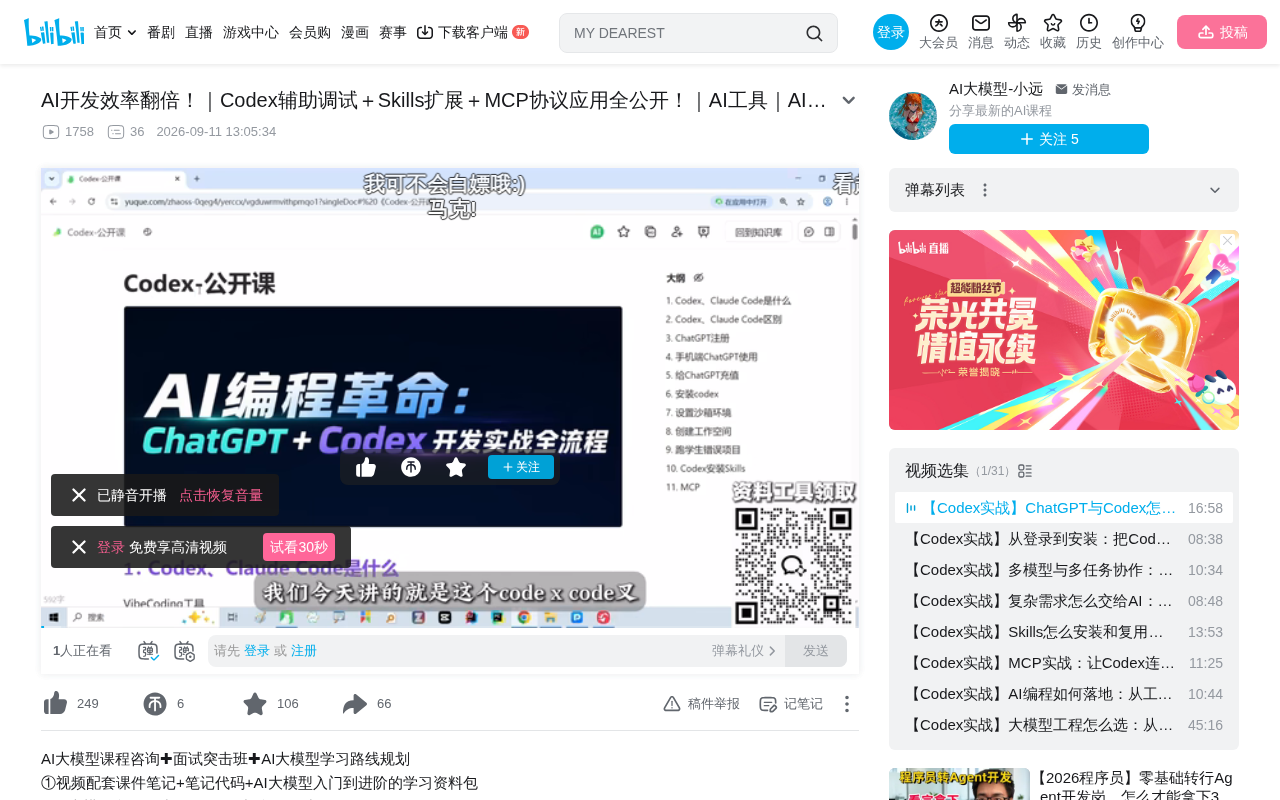
Codex vs. Claude Code: A Beginner's Guide to AI Coding Agents
Codex vs. Claude Code: which AI coding agent should you use? This guide compares both tools and walks beginners through GPT account setup, virtual number platforms, US App Store switching, and subscription cost-saving tips.
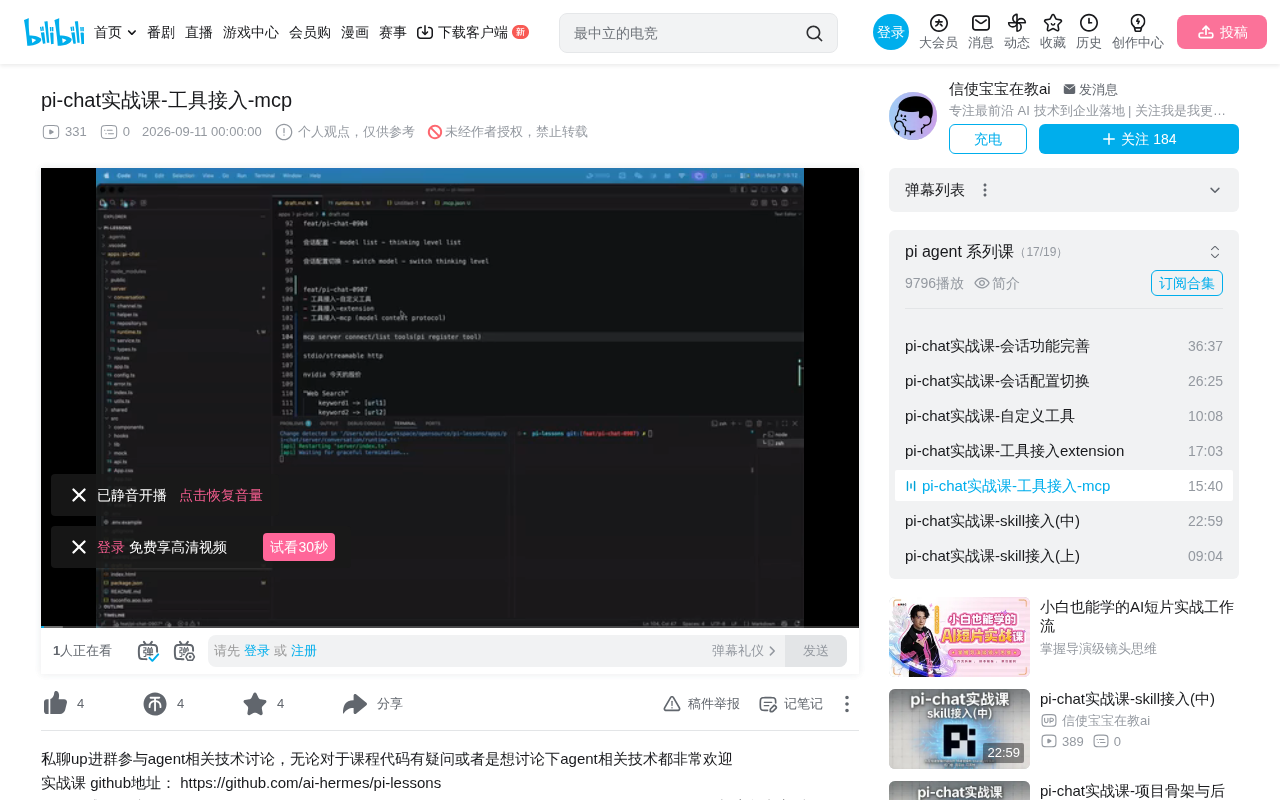
Pi-chat in Practice: Connecting External Tools to AI Agents via MCP Protocol
Learn how to integrate external tools into AI Agents using MCP protocol with Pi framework. Covers pi-mcp-adapter setup, .mcp.json config, Extension Factory initialization, and a live 12306 train ticket query demo.
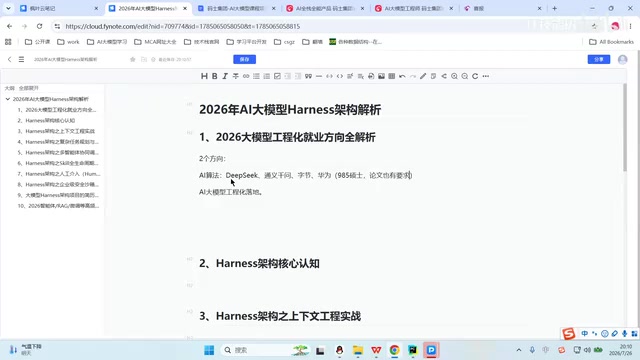
AI Large Model Engineering Careers Decoded: Algorithm Research vs. Engineering Deployment — Which Path Is Right for You?
AI large model jobs split into algorithm research and engineering deployment. Learn the skill requirements, core competencies like RAG and Multi-Agent, and why Harness architecture is the 2026 interview differentiator.