Huawei Mate XT 2 Launch: What's Notable About the First Privacy Screen Tri-Fold Phone
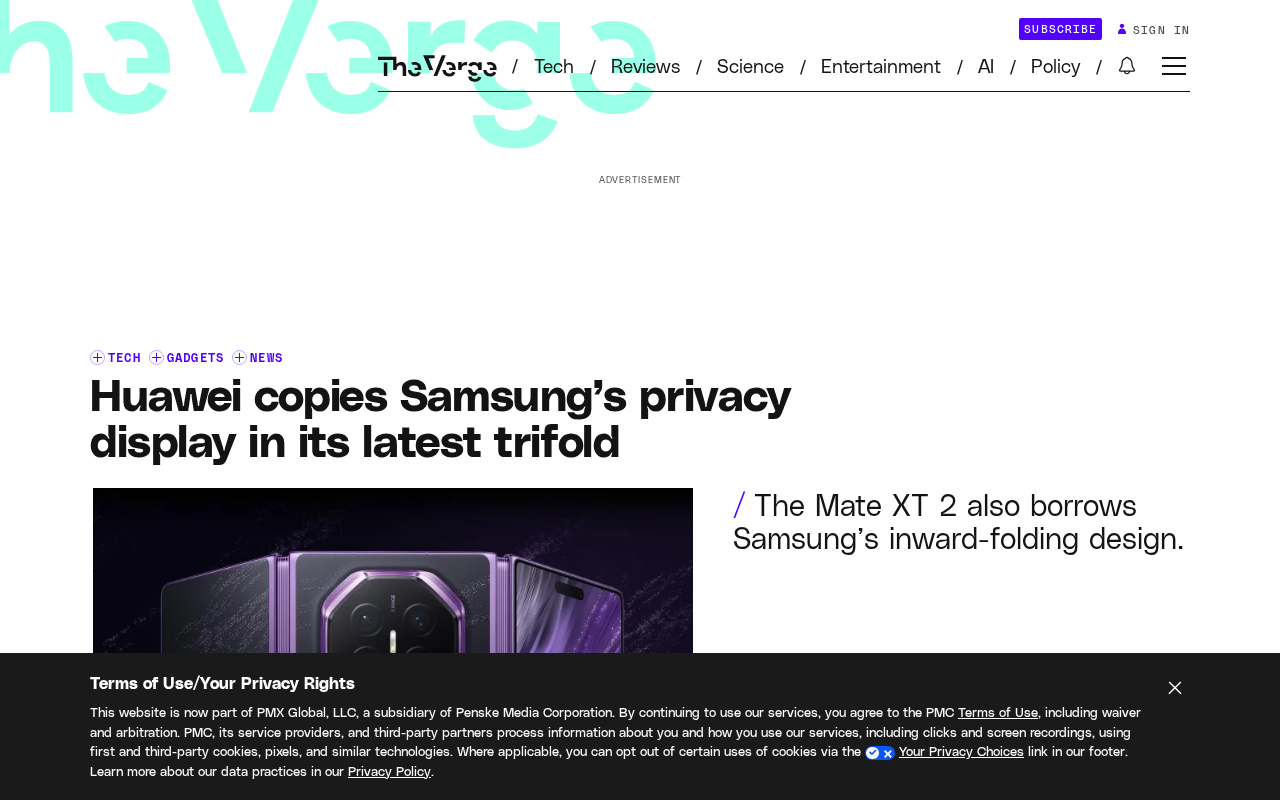
Huawei Mate XT 2 debuts as first tri-fold phone with privacy screen, shifting to in-fold design
Huawei's Mate XT 2 marks a significant shift in tri-fold phone design, moving from out-folding to in-folding while introducing privacy-enhanced display technology for the first time in foldables. The device addresses security needs for business users through optical filtering that limits viewing angles. This launch reflects broader market trends toward technical convergence and mainstream adoption.
Huawei Mate XT 2 Launch: What's Notable About the First Privacy Screen Tri-Fold Phone
Huawei recently launched its third tri-fold phone, the Mate XT 2, in the Chinese market. Compared to its predecessors, this new device has made significant adjustments to its folding mechanism while introducing privacy-enhanced display technology to foldable phones for the first time, bringing new possibilities for business and security scenarios.
Tri-Fold Phones: The Premium Form of Foldable Technology
Tri-fold phones represent the premium form of foldable phone technology, using two hinges to divide the screen into three sections that enable multiple folding configurations. Compared to traditional single-fold phones, tri-fold phones can provide ultra-large screens approaching 10 inches when fully unfolded, while maintaining relatively portable dimensions when folded. This design places extremely high demands on hinge technology, screen materials, and internal space layout.
Currently, only a few manufacturers globally, such as Huawei and Samsung, have the capability to mass-produce tri-fold phones. The technical challenges mainly include: synchronization control of dual hinges, maintaining flatness of ultra-large flexible screens, and accommodating core components like batteries and motherboards within limited space. The Huawei Mate XT 2, as the third generation of this series, represents the latest advances in tri-fold technology.
Huawei Mate XT 2 Design Shift: From Out-Folding to In-Folding
Unlike the previous two generations of the Mate XT series, the Huawei Mate XT 2 adopts an in-folding design approach, with a folding mechanism highly similar to the Samsung Galaxy Z TriFold. This signifies an important shift in Huawei's technical direction for tri-fold phones—moving from its previously distinctive out-folding approach to a more mainstream in-folding form.
Technical Trade-offs Between Out-Folding and In-Folding
Out-folding and in-folding in foldable phones represent two different technical approaches. Out-folding design means the screen bends outward, with the screen exposed on the outside when folded. The advantage is that the unfolded screen is flatter with less visible creasing, and the external screen can be used directly when folded. However, out-folding solutions face screen protection challenges—the exposed flexible screen is more susceptible to scratches or impact damage, and demands extremely high flex resistance from screen materials.
In-folding design has the screen bending inward, with the screen protected on the inside when folded, offering better security. However, it requires an additional external screen to meet usage needs when folded, and the creasing issue is relatively more pronounced. The direct benefit of in-folding design is better screen protection—when folded, the screen faces inward, effectively reducing the risk of scratches and impacts during daily use.
However, this change raises questions: Does Huawei's abandonment of the out-folding approach indicate insurmountable bottlenecks in engineering and durability for out-folding tri-folds? Huawei's shift from out-folding to in-folding reflects the industry's trade-offs between safety and user experience—a question worth continued industry attention.
Privacy Screen Technology First Applied to Foldable Phones
The core selling point of the Huawei Mate XT 2 is that it's the world's first foldable phone with privacy-enhanced display technology. Privacy screen technology has previously been applied to some Samsung flagship bar phones, and Huawei has now introduced it into the structurally more complex tri-fold screen, significantly increasing technical difficulty.
How Privacy Screens Work
The core of privacy-enhanced display technology is a special optical filtering layer. This technology incorporates micro-louver structures or directional gratings in the screen surface or backlight module, limiting display light to specific emission angles, typically around ±30 degrees from straight-on. When viewers are outside this angle range, screen content becomes significantly darker or blurry due to light being physically blocked or scattered.
This technology was originally applied to laptop and ATM screens, and has only gradually been miniaturized for smartphone applications in recent years. Privacy screens use special optical structural design to limit the viewing angle of screen content. When privacy mode is enabled, only users directly facing the screen can clearly see the displayed content, while side observers can barely discern any useful information.
Target Users and Scenarios
This feature is especially useful for the following user groups:
- Business professionals: When handling sensitive documents in public places like airplanes and high-speed trains, no need to worry about information leakage
- Finance professionals: An additional layer of physical privacy protection when viewing account data and transaction information
- Privacy-conscious ordinary users: Daily chats and browsing content aren't easily visible to people nearby
Technical Challenges of Implementation on Foldable Screens
The challenge of implementing privacy screen functionality on flexible foldable screens is that the optical characteristics of flexible materials change when bent. How to ensure consistent privacy protection effectiveness is the key technical hurdle. Integrating privacy screens into the multi-layer structure of tri-fold screens places very high demands on the supply chain and manufacturing processes.
The supply chain complexity of foldable phones far exceeds traditional smartphones. Core components include: flexible OLED screens (main suppliers include Samsung Display, BOE, Visionox), precision hinge mechanisms (need to withstand tens of thousands of folds without failure), ultra-thin flexible batteries, UTG ultra-thin glass covers, etc. Among these, the yield rate of flexible screens is a key factor constraining production capacity—current industry average yield rates are about 60-70%, far lower than traditional screens' 90%+ rates.
Integrating privacy screen technology into tri-fold phones means adding another optical filtering layer to an already complex screen structure. This not only increases thickness control difficulty but also requires ensuring the filtering layer doesn't delaminate or experience optical performance degradation during repeated folding—placing extremely high demands on supply chain process capabilities. Huawei's pioneering achievement of this breakthrough demonstrates its deep expertise in foldable screen technology.
Foldable Screen Market Competition: Differentiation Amid Technical Convergence
The launch of the Huawei Mate XT 2 also reflects changing competitive dynamics in the current foldable screen market. Recalling when Huawei launched its first-generation out-folding tri-fold phone, it had virtually no competitors in the market with its unique design. Now, shifting to an in-folding solution similar to Samsung's and transplanting existing privacy screen technology to foldables suggests technical barriers between manufacturers are gradually decreasing.
Current Market Landscape
The global foldable phone market, which started in 2019, has progressed from concept validation to gradual maturity. According to market research data, global foldable phone shipments in 2023 reached approximately 16 million units, accounting for 1.4% of total smartphone shipments. Samsung holds about 60% market share with its first-mover advantage and complete product line (Galaxy Z Fold/Flip series). Huawei maintains a strong position in the Chinese market, while other manufacturers like OPPO, vivo, and Xiaomi have also successively launched competing products.
The current foldable screen market shows two major trends: first, prices are gradually decreasing from over 10,000 yuan initially to the 7,000-8,000 yuan range, driving market adoption; second, form factor diversification—evolving from initial side-to-side folding to develop various forms including flip phones and tri-folds to meet different usage scenarios.
The Two Sides of Technical Convergence
This convergence phenomenon has two aspects:
- Positive side: Helps promote industry standard unification, reducing the learning curve for users switching between different brands
- Challenge side: As hardware forms become increasingly similar, manufacturers need to find differentiation breakthroughs in software optimization, ecosystem integration, and service experience
From a longer-term perspective, foldable phones are still in the market cultivation phase, and technical borrowing and integration are normal phenomena. The emergence of technical convergence means foldables are transitioning from niche premium products to the mainstream market. True competitiveness will be reflected in comprehensive performance across three dimensions: mass production capability, cost control, and overall user experience.
Technical Outlook for Tri-Fold Phones
The launch of the Huawei Mate XT 2 marks a new phase for foldable screen technology. The introduction of privacy screen functionality opens new application scenarios for foldable phones in security and privacy directions. More security features may be successively integrated in the future, such as:
- Further expansion of under-display fingerprint recognition areas
- AI-based intelligent content hiding and permission management
- Multi-screen collaborative partitioned privacy control
Of course, tri-fold phones as the premium form of foldables still face real-world challenges including high prices, unverified durability, and insufficient third-party app adaptation. The shift from out-folding to in-folding may suggest the entire industry is moving from aggressive innovation to steady optimization. The next phase of competition will focus on achieving cost reduction and large-scale mass production while maintaining technological leadership.
Key Takeaways
The Huawei Mate XT 2 represents a new direction in foldable screen technology development: the shift from out-folding to in-folding reflects the industry's emphasis on durability and security, while the first application of privacy screen technology opens new differentiation space for foldable phones. As technology maturity improves and costs decrease, foldable phones are poised to move from niche premium markets to broader user groups, with true competition unfolding across multiple dimensions including hardware-software integration, user experience, and ecosystem development.
Related articles
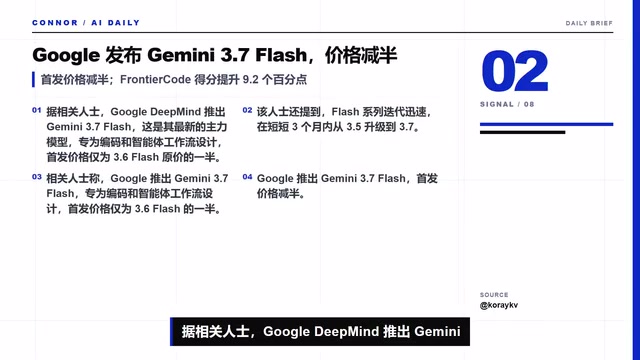
AI Daily: The Speed War and Cost War Are in Full Swing
OpenAI GPT 5.6 UltraFast mode delivers 14x faster inference, Gemini 3.7 Flash slashes prices while boosting performance, MOE architecture gains traction, HBF storage breakthrough—AI industry competition shifts from model capability to speed and cost efficiency dual-front battle.
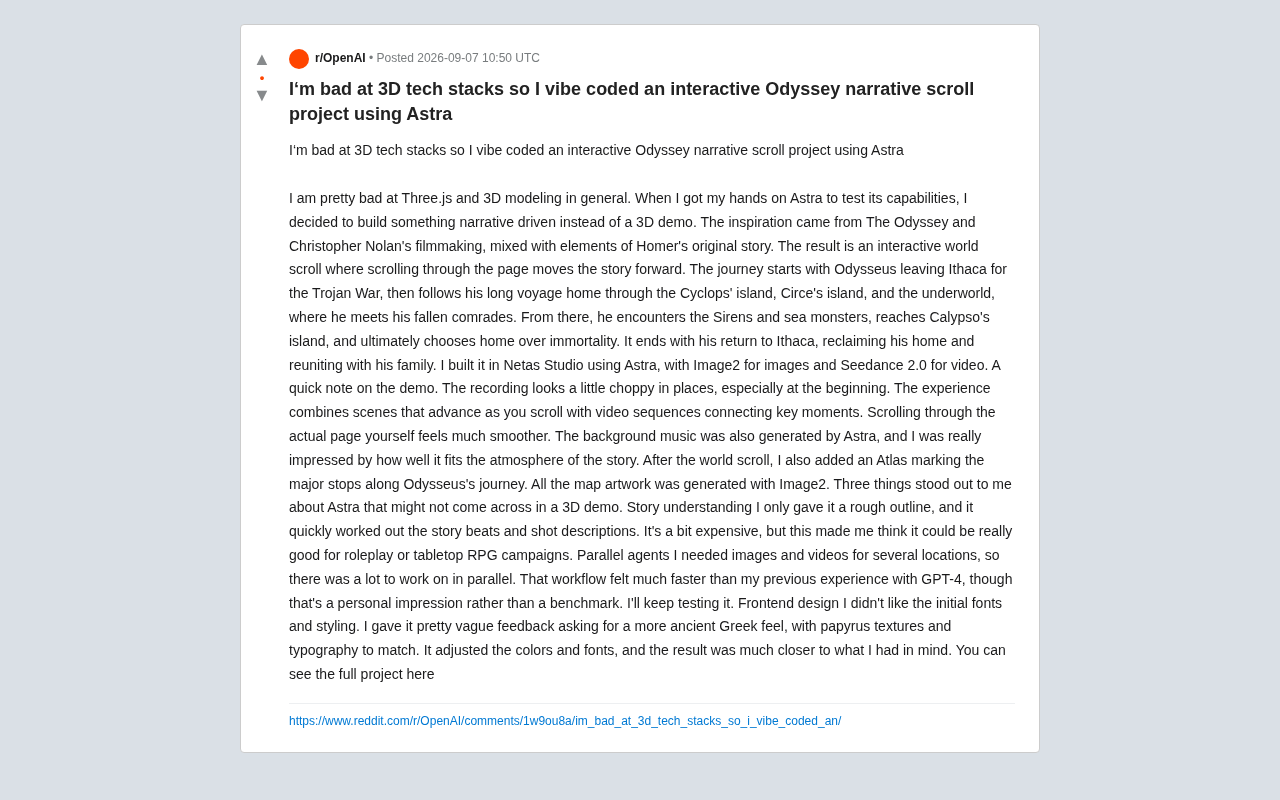
AI-Assisted Creative Production: Building an Interactive Odyssey Narrative Scroll with Astra
A developer with weak 3D skills used Astra AI to create an interactive Odyssey narrative scroll. Learn how AI tools lower technical barriers through story comprehension, parallel workflows, and design iteration.

Internet Archive Fundraising Crisis: Server Operations Challenge Behind 800 Billion Archived Web Pages
The Internet Archive faces server operations funding pressure with 800 billion archived pages. Analysis of Wayback Machine cost challenges, nonprofit digital preservation survival crisis, and sustainable development paths.