ICLR Submission Count Hits 47,000? The Hidden Costs Behind Explosive Growth in AI Conferences
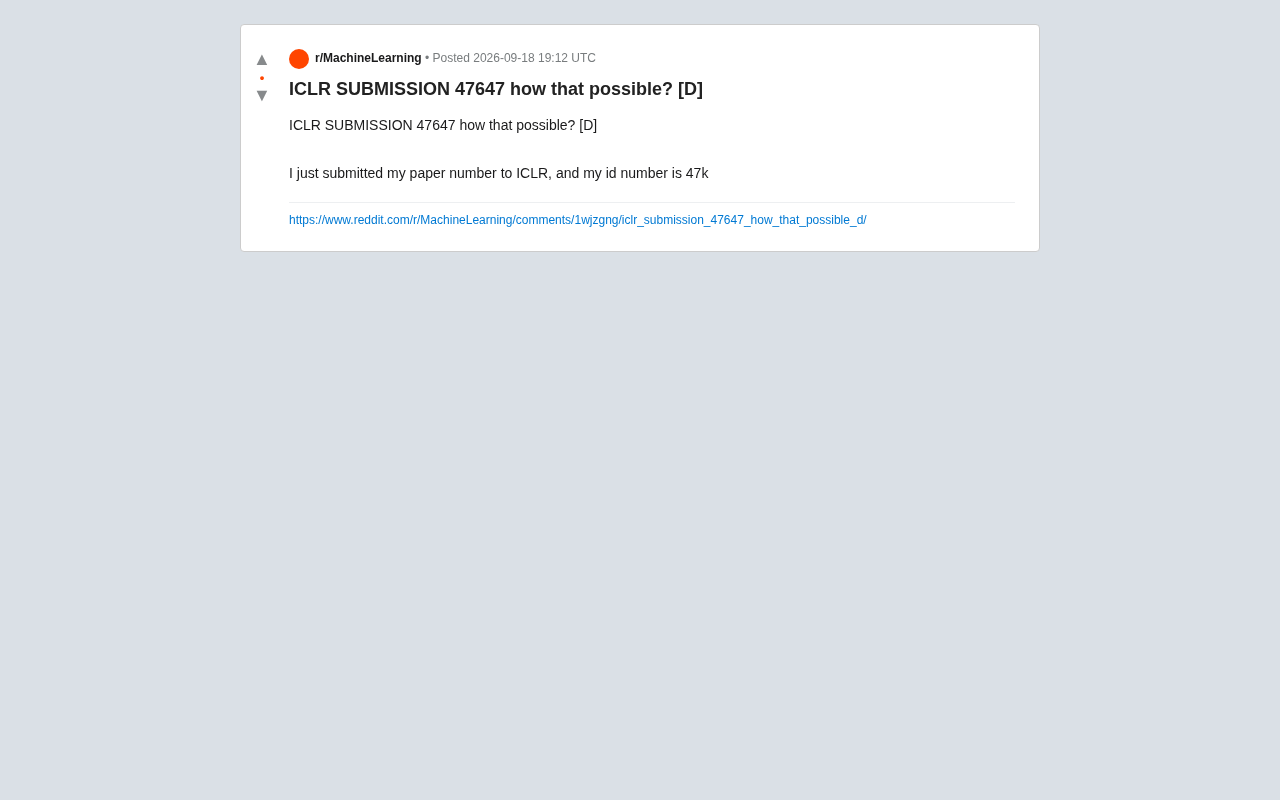
An ICLR submission ID of 47,647 highlights the explosive growth and deepening peer review crisis in top AI conferences.
A researcher's ICLR submission ID of 47647, shared on Reddit, sparked widespread discussion about runaway submission volumes at top AI conferences. While the ID doesn't directly equal the actual count, the trend is clear: the LLM wave, global AI talent growth, and strong academic incentives have pushed submission volumes to unprecedented heights. The direct cost is declining peer review quality — a shortage of qualified reviewers, increased score randomness, and a worsening "review lottery" effect. For researchers, as top-conference acceptances number in the thousands, the conference label alone no longer signals genuine academic value; real impact through citation and reproduction is a far more reliable measure.
A Submission Number That Sparked a Conversation
Recently, a researcher posted on the Reddit machine learning community, sharing the paper submission ID they received from ICLR (International Conference on Learning Representations) — 47647. That seemingly ordinary number instantly ignited debate: if submission IDs are already reaching 47,000, just how large is this year's total ICLR submission count?
The post was straightforward: "I just submitted my ICLR paper and got ID number 47k (around 47,000)." It included a screenshot of the submission system. Brief as the post was, it touched on an increasingly sharp reality in the AI academic world: top conferences are seeing their submission volumes expand at a staggering pace.
It's worth noting that submission system ID numbers don't necessarily equal the actual number of papers submitted. IDs may account for withdrawn submissions, test entries, cross-year accumulation, or system-reserved numbers. But even with that caveat, the figure still points to an unmistakable trend — top machine learning conferences are growing dramatically in scale.
Why Submission Counts Keep Climbing
As one of the most influential conferences in deep learning, ICLR's submission growth trajectory is almost a mirror image of the broader AI research boom. From a few hundred papers in its early days, to thousands, to tens of thousands today — several forces are driving this together.
The large language model wave has, in some sense, lowered the barrier to entry. The widespread availability of open-source frameworks, pretrained models, and cloud compute has enabled more researchers to quickly produce publishable results. And the intense demand for "top-conference papers" — whether for PhD graduation, academic promotions, or job applications — is generating enormous pressure to submit.
The explosive global growth in AI talent is another major factor. More and more universities, corporate research labs, and startup teams are entering the field, naturally inflating the submission pool. When a field becomes the focal point of global technology competition, a surge in paper volume is almost inevitable.
ICLR (International Conference on Learning Representations) was founded in 2013 by deep learning pioneers including Yoshua Bengio and Yann LeCun, starting out extremely small — the inaugural conference received only around 150 submissions. It focuses specifically on representation learning and deep neural networks, and is considered one of the three premier deep learning venues alongside NeurIPS and ICML. ICLR uses the OpenReview platform for open peer review, making reviewer comments and author responses visible to the public — a transparent mechanism that has been both debated and closely watched in the academic community. From roughly 1,500 submissions in 2019, to surpassing 10,000 in 2022, to apparently approaching tens of thousands in recent years, ICLR's growth curve closely tracks global AI investment enthusiasm, making it one of the most direct windows into the expansion of the AI research ecosystem.
The Peer Review Crisis That Comes With Scale
The surge in submissions directly threatens peer review — the cornerstone of academic quality control. If a single conference truly needs to process tens of thousands of papers, it means mobilizing tens of thousands of reviewers, and the supply of qualified reviewers is nowhere near keeping pace with submission growth.
This sets off a chain reaction: individual reviewers are assigned too many papers, review quality declines, score variance increases, strong papers risk being buried, and mediocre work can slip through. The growing complaints in recent years about top conferences becoming a "review lottery" are fundamentally a symptom of this supply-demand imbalance.
Even more troubling is the fact that as large models become capable of assisting with — or even partially generating — papers and review comments, the boundaries of academic integrity are becoming blurred. Conference organizers are forced to invest more effort in detecting AI-generated content, identifying duplicate submissions, and preventing review manipulation. The larger the scale, the higher the governance costs.
The so-called "Review Lottery" refers to the phenomenon where a paper's acceptance depends largely on which reviewers it happens to be assigned to, rather than the paper's actual quality. This has empirical backing: in 2014, NeurIPS (then NIPS) ran a well-known experiment in which roughly 10% of submissions were independently evaluated by two separate review committees. The results showed that the two groups disagreed on acceptance decisions about 57% of the time — meaning that for more than half the papers, different review panels reached opposite conclusions. As submission volumes keep growing and reviewer workloads intensify, this randomness will only increase. Some conferences have experimented with meta-reviewer systems, open peer review, or reviewer incentive mechanisms to address the issue, but no widely accepted systemic solution has yet emerged.
What This Means for Researchers
For researchers in the thick of it, that 47,000 submission number represents both opportunity and pressure. On one hand, a vast submission pool signals an active field with abundant possibilities. On the other hand, acceptance rates are being diluted and competition is fiercer than ever — whether a paper gets accepted increasingly depends on topic trendiness, presentation polish, and even luck.
Perhaps what matters more is taking a measured view of what conference labels are actually worth. When a top conference accepts papers by the thousands, the scarcity signal that a simple "accepted" tag used to carry is being diluted. Work that truly stands the test of time still proves itself through the real-world impact of being cited, reproduced, and extended by subsequent research — not through a number in a submission system.
This brief online discussion sparked by a submission ID reflects the growing pains of an entire AI academic ecosystem expanding at high speed. Conference organizers, peer review mechanisms, and evaluation frameworks are all facing pressure to reinvent themselves. How to maintain openness while upholding quality — that is the question the academic community will have to answer in the years ahead.
Related articles
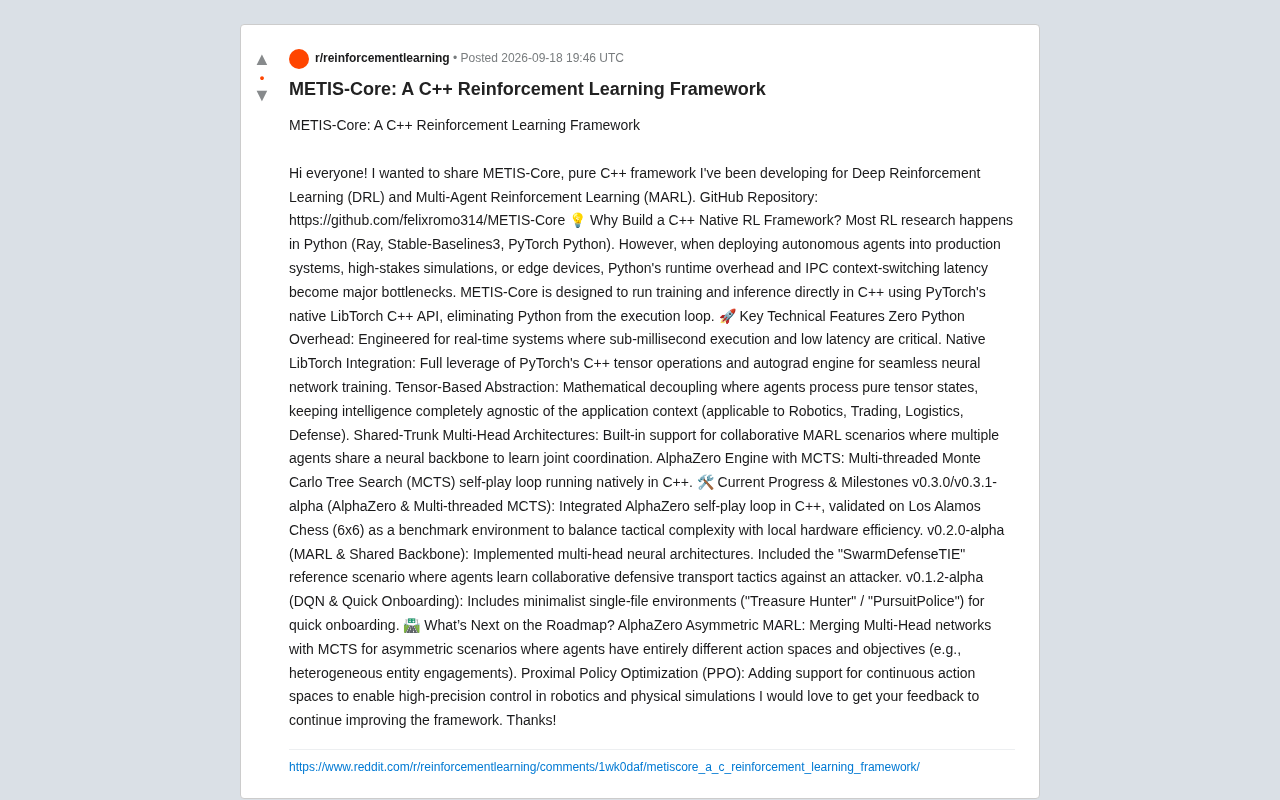
METIS-Core: A Pure C++ Reinforcement Learning Framework That Eliminates Python Overhead for Production
METIS-Core is an open-source pure C++ deep RL framework built on LibTorch that eliminates Python overhead, supporting DQN, MARL, and AlphaZero with multi-threaded MCTS for low-latency production.
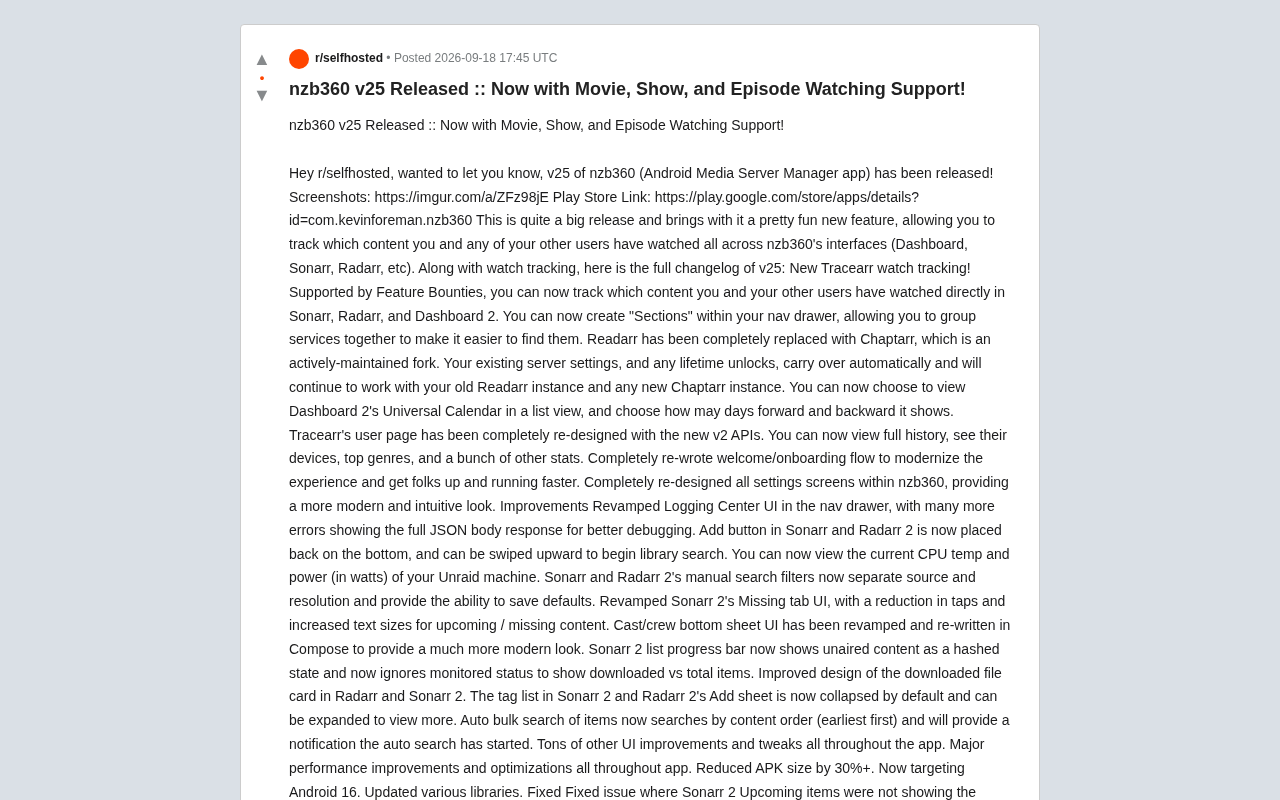
nzb360 v25 Released: Watch Tracking Added, Media Server Management Leveled Up
nzb360 v25 adds Tracearr watch tracking for Sonarr, Radarr & Dashboard 2, replaces Readarr with Chaptarr, overhauls the UI, and cuts APK size by 30%+.

Why World Model Companies Are Staying Silent: The Information Blackout Behind the Capital Frenzy
World model AI startups hold massive funding and hype but reveal almost nothing about their technology. We unpack the competition, valuation, and data supply chain reasons behind the secrecy.